
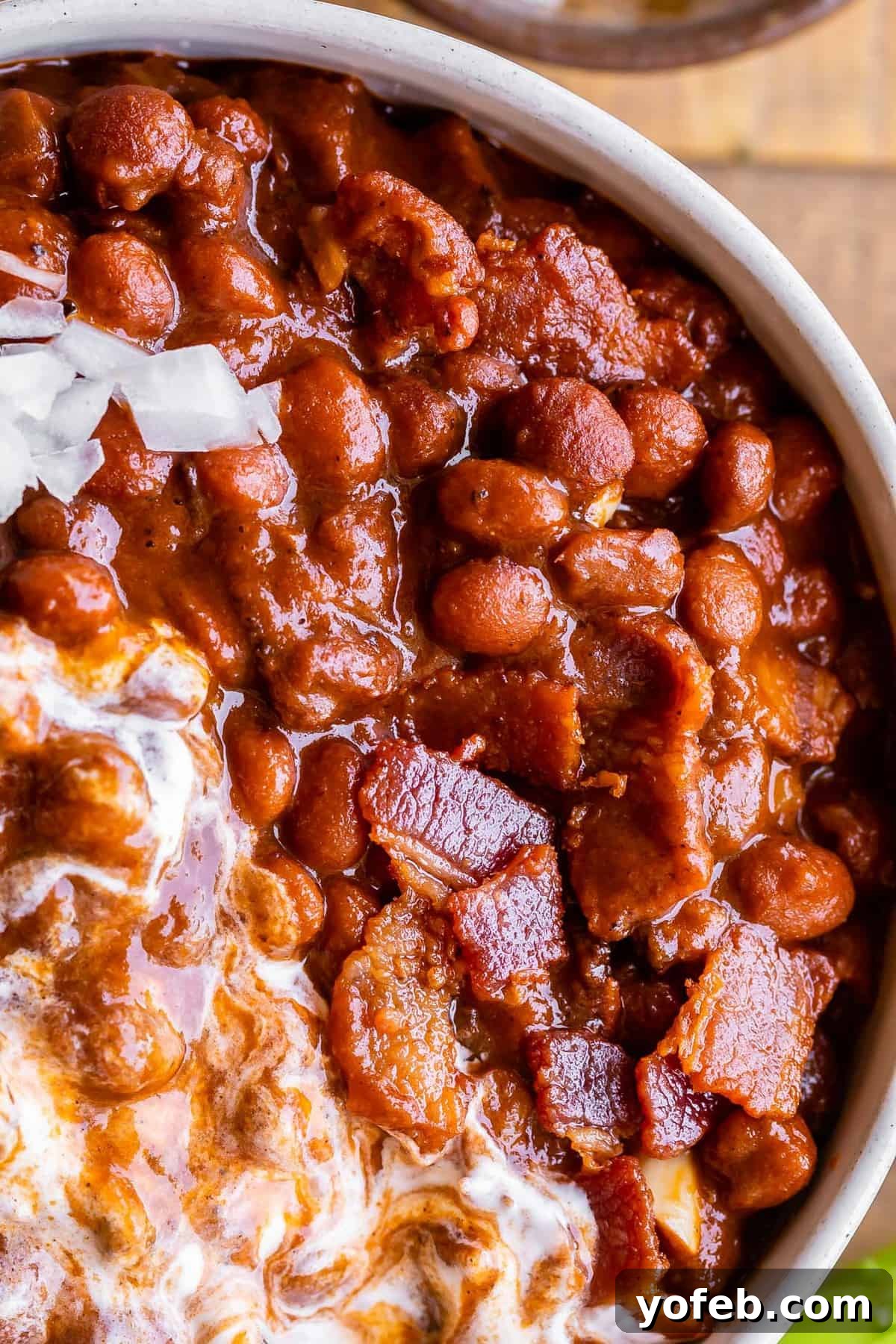
Welcome to the culinary heart of California’s Central Coast, where a humble bean transforms into a barbecue legend. These Santa Maria-style Pinquito Beans are more than just a side dish; they are a cherished tradition, perfectly crafted to complement the iconic Grilled Tri Tip. With a rich history steeped in Californian ranching culture, these beans offer a unique blend of smoky, sweet, and perfectly spiced flavors that elevate any summer barbecue. Originally born in Santa Maria, California, to be served alongside Grilled Tri Tip, their versatile charm means they’re equally delightful with any grilled masterpiece. Prepare to discover a truly authentic taste of California barbecue that will become a staple in your summer repertoire.
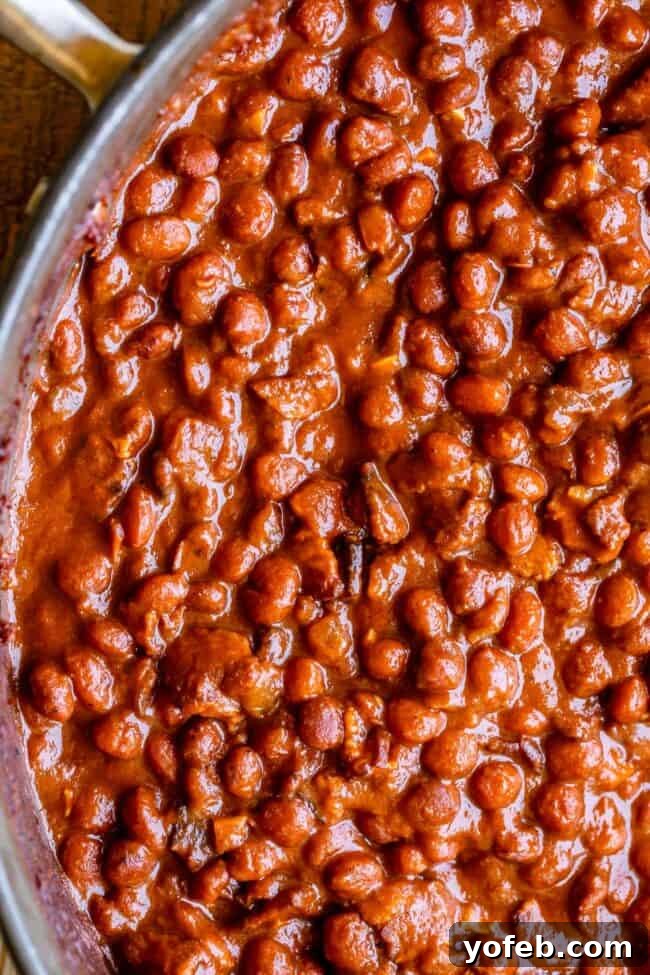
Table of Contents
- The Story Behind Santa Maria Style Barbecue
- What Are Pinquito Beans?
- Where to Find These Elusive Pinquito Beans
- The Perfect Pairing: Pinquito Beans with Tri Tip
- Santa Maria Pinquito Beans: Essential Ingredients
- Pinquito Beans Recipe Variations and Substitutions
- How to Make Authentic Santa Maria Pinquito Beans
- Serving Suggestions for Your Santa Maria Beans
- How to Store Pinquito Beans (Santa Maria Style)
- Pinquito Beans Santa Maria FAQs
- More Delicious Beans and Summer Recipes You Will Love!
- Santa Maria Pinquito Beans Recipe
The Story Behind Santa Maria Style Barbecue
Santa Maria-style barbecue is more than just a cooking method; it’s a cherished tradition rooted in the ranching culture of California’s Central Coast. For generations, vaqueros (cowboys) in the Santa Maria Valley have gathered to celebrate with open-fire feasts, where whole cuts of beef were grilled over native red oak. This unique style of barbecue isn’t just about the meat; it’s about the complete culinary experience, and at its heart lies a beloved side dish: Santa Maria Pinquito Beans. These beans are an integral part of what makes this regional barbecue so iconic, reflecting the area’s agricultural heritage and passion for robust, hearty flavors.
While many associate barbecue primarily with various meat preparations, true Santa Maria barbecue dictates a specific, delicious ensemble. Alongside the perfectly seasoned and grilled tri-tip, you’ll always find the smoky, sweet, and savory Pinquito Beans, a fresh salsa, garlic bread, and a crisp relish tray. This complete meal is a testament to simple, quality ingredients prepared with care, creating a harmony of flavors that is truly unforgettable. It’s a tradition that has slowly, but surely, captured the hearts and palates of food enthusiasts far beyond California’s borders.
What Are Pinquito Beans?
For those who consider themselves bean fanatics, prepare to meet your new obsession: Pinquito beans. These small, blush-pink legumes are a true culinary gem, native and almost exclusively grown on the picturesque Central Coast of California, specifically in the Santa Maria Valley. They represent a unique cross between a pink bean and a small white bean, inheriting the best qualities of both to create a distinct and utterly delightful flavor profile.
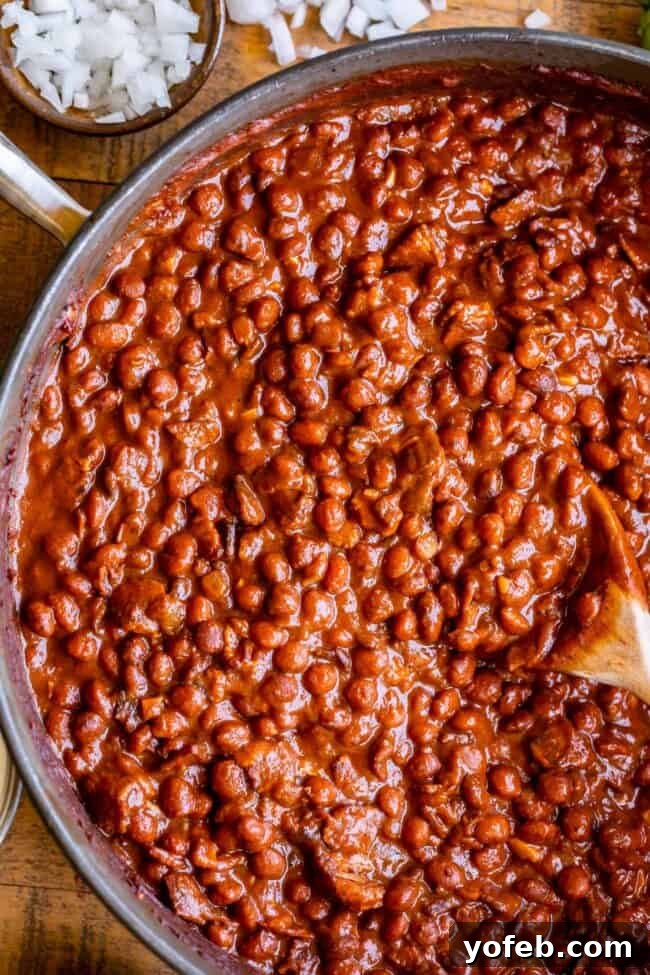
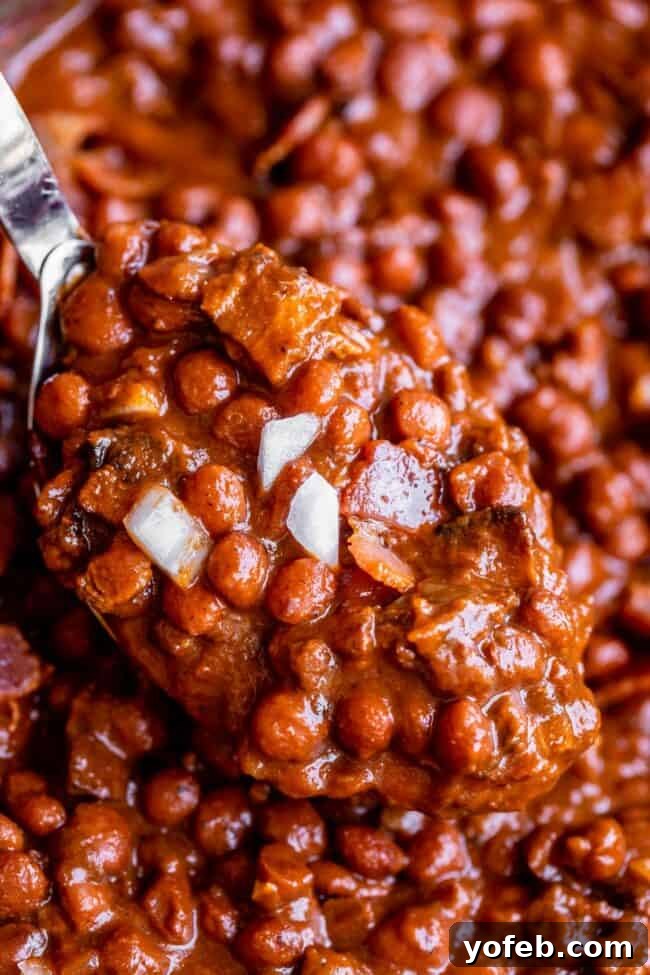
What truly sets Pinquito beans apart is their remarkable texture and rich flavor. They are hearty little beans with a robust, almost meaty taste, far from the blandness some associate with legumes. When cooked, they maintain their structural integrity beautifully, refusing to turn mushy like many other bean varieties. Instead, they become wonderfully soft and tender, yet remain perfectly intact, offering a satisfying bite. Their flavor is a complex blend of nutty and earthy undertones, culminating in an incredibly creamy consistency that coats the palate. As one avid fan perfectly put it, “These are my favorite ‘eatin’ beans’ – beans that I just cook up in a pot with a little bit of onion/garlic/pig/chicken broth. I love the just-right texture and oh, that pot liquor. These don’t need much to be delicious.” This sentiment perfectly captures the essence of Pinquito beans – their inherent deliciousness shines through even with minimal seasoning.
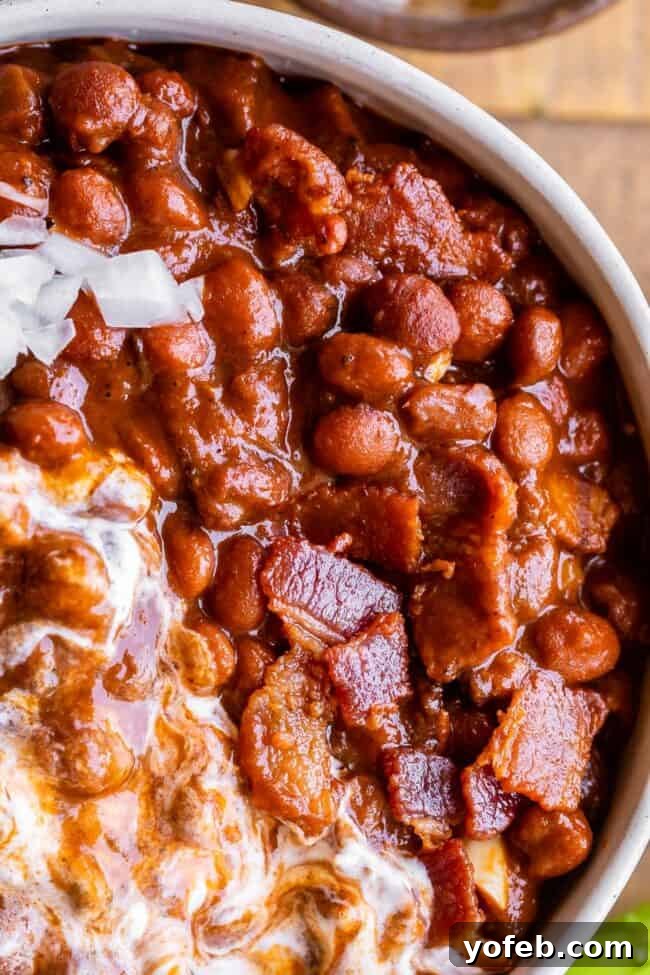
If you’re accustomed to the familiar comfort of Tejano Pinto Beans or classic Red Beans and Rice, you’ll find Pinquito beans offer a refreshing new experience while retaining that beloved slow-cooked bean satisfaction. Their distinctive character makes them indispensable for authentic Santa Maria-style dishes and a worthy discovery for any home cook looking to expand their bean repertoire.
Where to Find These Elusive Pinquito Beans
While the allure of Pinquito beans is undeniable, locating them outside of California, or even within certain parts of the state, can sometimes be a treasure hunt. Their regional specificity means they aren’t always available at your local grocery store. For the most authentic experience, direct sourcing is often the best approach.
Fortunately, several dedicated California bean companies specialize in providing these unique legumes. Reputable online retailers such as Susie Q’s, Rancho Gordo, and Lompoc are excellent resources. These companies pride themselves on offering high-quality, often locally grown, Pinquito beans, ensuring you get the genuine article for your Santa Maria-style dishes. Purchasing in bulk, for instance from Susie Q’s, can be a convenient option for stocking your pantry with these delicious beans.
If, despite your best efforts, Pinquito beans remain elusive, a small white bean like a navy bean can serve as a substitute. However, it’s important to manage expectations, as the unique, earthy, and slightly sweet flavor profile of Pinquito beans is truly irreplaceable. While a small white bean will provide a decent texture, it won’t replicate the distinct taste that defines this dish. Avoid using pinto beans or kidney beans; despite their relation to pinquito beans, their texture and flavor are too different for this particular recipe. The goal is to get as close as possible to the Pinquito’s firm yet creamy character, which a small white bean will achieve more successfully than larger, softer varieties.
The Perfect Pairing: Pinquito Beans with Tri Tip
In the culinary landscape of California, some pairings are simply iconic, and the combination of Santa Maria Pinquito Beans with Grilled California Tri Tip stands out as a true regional specialty. For many, including myself, Tri Tip holds a special place in holiday traditions. Growing up in California, Christmas dinner wasn’t complete without this succulent cut of beef. It was only later in life, after leaving the state, that I realized the Tri Tip phenomenon hadn’t quite spread its wings across the entire country.
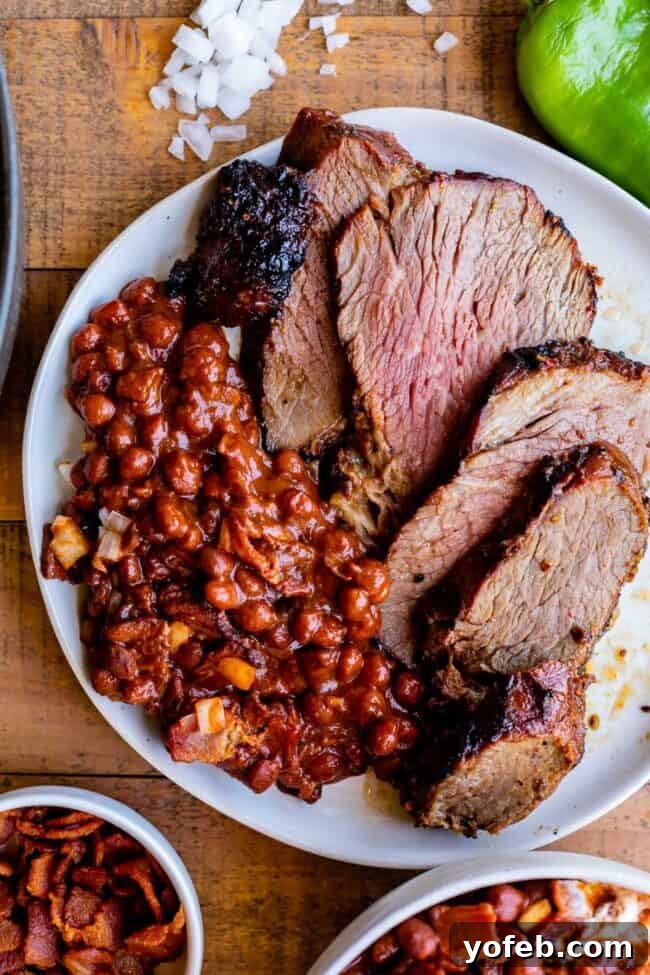
Our family’s holiday feasts traditionally included Tri Tip alongside classic sides like creamy mashed potatoes, soft dinner rolls, the whimsical Seafoam salad, and perhaps a token vegetable or two. Yet, it was the Tri Tip that truly stole the show. It wasn’t until I began sharing my recipe for How to Cook Tri Tip – which quickly became one of my site’s most popular dishes – that I started hearing about its traditional counterpart: Santa Maria Pinquito Beans.
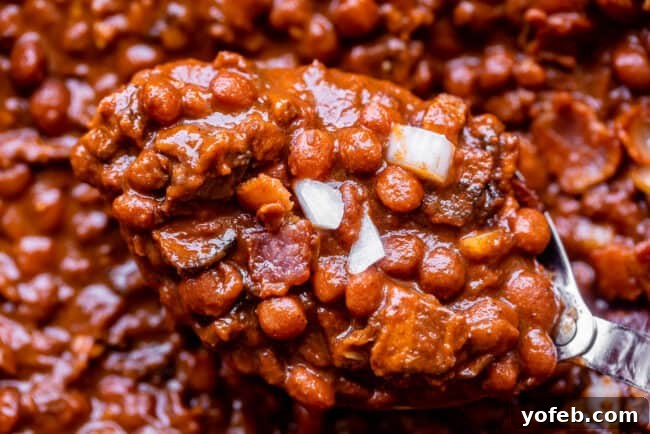
To my surprise, I learned that these beans were the authentic, long-standing side dish served alongside tri tip in Santa Maria, the very birthplace of the Tri Tip craze. Recognizing that my favorite barbecue wouldn’t be complete without its historical companion, I set out to master this recipe. The result is a side dish that perfectly complements the rich, smoky flavors of grilled tri tip, adding a layer of depth and authenticity to your barbecue spread. This dynamic duo is a celebration of Californian culinary heritage, and once you experience it, you’ll understand why they’re inseparable.
Santa Maria Pinquito Beans: Essential Ingredients
Gathering the right ingredients is the first step to creating these incredibly flavorful Santa Maria Pinquito Beans. Here’s a streamlined shopping list to guide you. For precise measurements and step-by-step instructions, please refer to the detailed recipe card below.
- Dry Pinquito Beans: 1 pound (the star of the show!)
- Ham Hock: For an essential smoky depth.
- Bacon: 1 pound, for crispy bits and flavorful grease.
- Fresh Anaheim Chiles: 2 large, or a 7 oz can of fire-roasted green chiles for convenience.
- White Onion: A large one, finely chopped.
- Garlic: Fresh cloves, minced.
- Ancho Chile Powder: Adds a rich, earthy heat.
- Brown Sugar: For that perfect touch of sweetness.
- Dry Mustard: A subtle tang and depth.
- Paprika: Sweet or smoked, for color and flavor.
- Tomato Sauce: The base for our rich bean sauce.
- Worcestershire Sauce: A savory, umami boost.
- Kosher Salt: To taste.
- Sour Cream: (Optional) For a cool, creamy garnish.
Pinquito Beans Recipe Variations and Substitutions
Navigating ingredient availability is a common challenge for home cooks. Here’s how you can adapt this Santa Maria Pinquito Beans recipe without compromising too much on flavor or quality.
Pinquito Bean Alternatives:
The most frequent question I encounter is regarding Pinquito bean substitutions. While the authentic flavor of Pinquito beans is truly unique and best experienced directly, if you absolutely cannot source them:
- Recommended Substitute: Opt for a small white bean, such as a navy bean or a small cannellini bean. These varieties most closely mimic the size and hold their shape well during cooking, which is crucial for the desired texture of this dish.
- Where to Buy Pinquito Beans: I strongly encourage you to purchase genuine Pinquito beans online from California-based purveyors like Susie Q’s, Rancho Gordo, or Lompoc. Their dedicated cultivation of these heirloom beans ensures an authentic taste you won’t get elsewhere.
- Avoid These: Refrain from using pinto beans or kidney beans. Although they are related to pinquito beans, their softer texture and distinct flavor profiles are not suitable for achieving the authentic Santa Maria style.
Anaheim Chile Substitutions:
Fresh roasted Anaheim chiles lend a beautiful, nuanced flavor to this dish. However, if fresh chiles are not available, or you prefer a simpler approach:
- Canned Option: You can easily substitute with a 7-ounce can of diced green chiles. For the best flavor, look for fire-roasted varieties, which will still impart a smoky note. Simply drain the chiles thoroughly and add them at the same stage in the recipe as you would the fresh ones.
How to Make Authentic Santa Maria Pinquito Beans
I am thrilled to share this perfected recipe with you, as these beans are truly exceptional. If you cherish slow-cooked bean dishes, preparing these Pinquitos is an absolute must-try experience. The method I’ve outlined, while slightly untraditional, guarantees a depth of flavor that is simply unmatched.
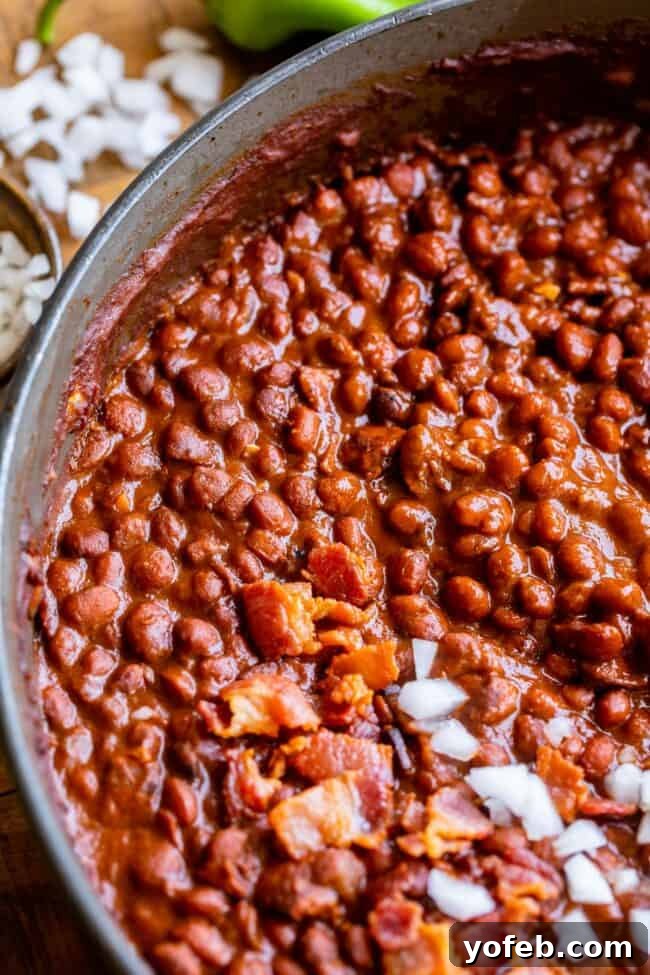
Unlike my usual one-pot bean preparations, this recipe utilizes a two-pan approach. Initially, I was skeptical, as I prefer simplicity. However, after experimenting, I found that cooking the Pinquito beans separately from their rich, flavorful sauce truly enhances their robust character. This two-pot method results in a much more hearty and flavorful dish, making it the superior choice for authentic Santa Maria Pinquito Beans.
Step-by-Step Cooking Guide:
- Prepare the Beans: Begin by rinsing your dry Pinquito beans thoroughly, removing any small stones or debris. Transfer them to a large stockpot, adding a ham hock and enough water to cover the beans by at least a couple of inches (approximately 10 cups). The ham hock is key here, infusing the beans with an incredible smoky flavor that is essential to the dish. Bring the water to a rolling boil, then reduce the heat to a low simmer. Maintain a gentle bubble in the center of the pot and simmer for 2 to 3 hours, or until the beans are tender but still firm. Pinquito beans retain their shape, so they won’t fall apart like pinto beans, but they should be creamy, not chalky. Remember: do not add salt at this stage, as it can inhibit the beans’ ability to absorb water and prolong cooking time. Monitor the water level and add more hot water as needed to keep the beans submerged, ensuring you return to a simmer after each addition.
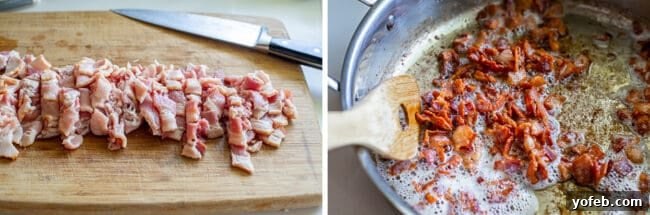
- Crisp the Bacon and Build the Base: While the beans simmer, start on your sauce. In a 12-inch high-sided skillet, cook an entire pound of chopped bacon over medium-high heat until it’s perfectly crisp. Drain off most of the bacon grease, leaving about 1 tablespoon in the pan – this flavorful foundation is crucial for the sauce. (Tip: Save the extra bacon grease for future culinary adventures, like making the best pancakes!).

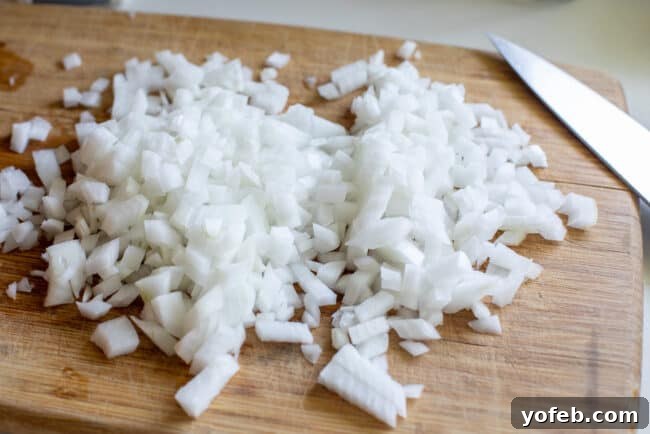
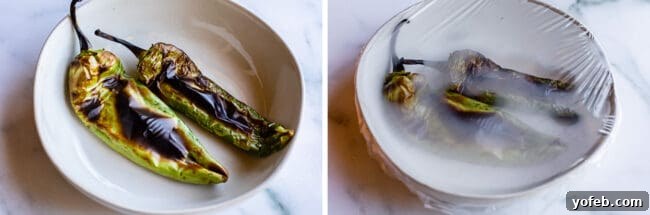
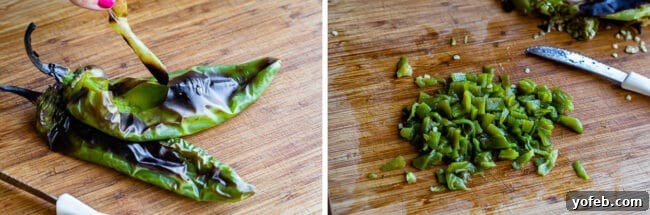
- Sauté Aromatics and Chiles: Add a large chopped white onion to the skillet with the bacon and sauté over medium heat for about 5 minutes until softened. Next, incorporate your roasted Anaheim chiles (or canned green chiles) and 4-5 cloves of smashed and minced garlic. Freshly roasted chiles provide an unparalleled depth of flavor, but canned options work well in a pinch. If roasting fresh chiles, broil them until blackened on all sides, then steam them in a sealed container to easily peel and chop.
- Season and Simmer the Sauce: Stir in kosher salt, ancho chile powder (adjust to your spice preference), brown sugar, dry mustard, and paprika. Sauté for another 2 minutes until the garlic is fragrant and the spices are toasty. Then, add a 15-ounce can of tomato sauce, 1 cup of water, and 3 tablespoons of Worcestershire sauce. Bring the mixture to a boil, then reduce to a medium-low simmer. Let the sauce gently bubble for about 30 minutes to allow it to thicken slightly and for the flavors to meld beautifully. If your beans aren’t quite ready, simply turn off the heat on the sauce and let it wait.
- Combine and Finish: Once the Pinquito beans are perfectly tender, carefully drain them, but reserve that precious bean liquid (often affectionately called “pot liquor”). Remove the ham hock from the beans, chop any remaining meat, and add it to your simmering sauce. Now, combine the drained beans with the sauce in the skillet. Turn the heat to medium and gradually add the reserved bean liquid, a little at a time, until you achieve your desired consistency. You want a rich, creamy texture, not watery.
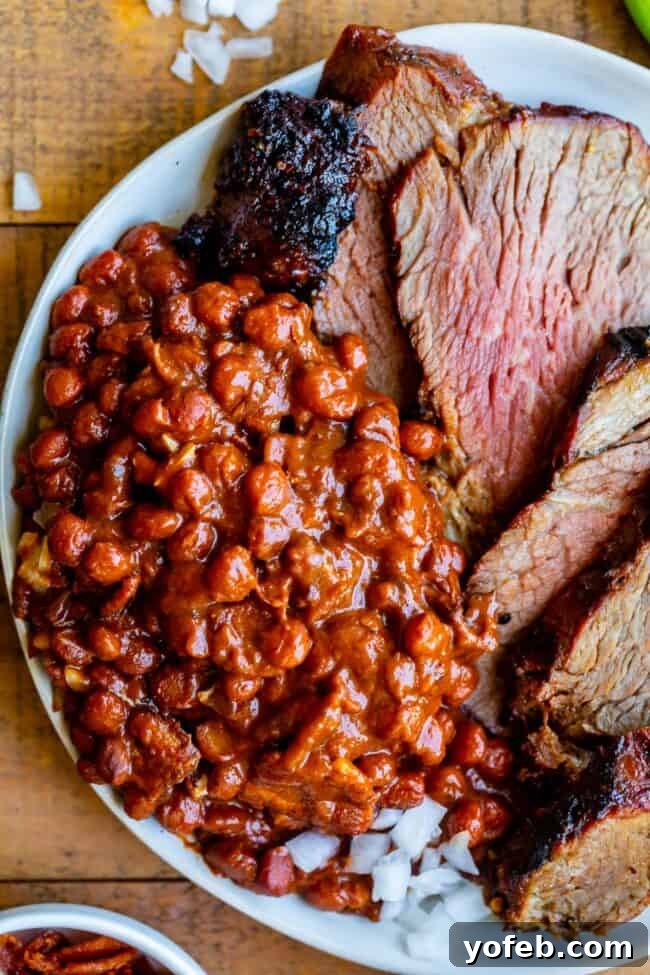
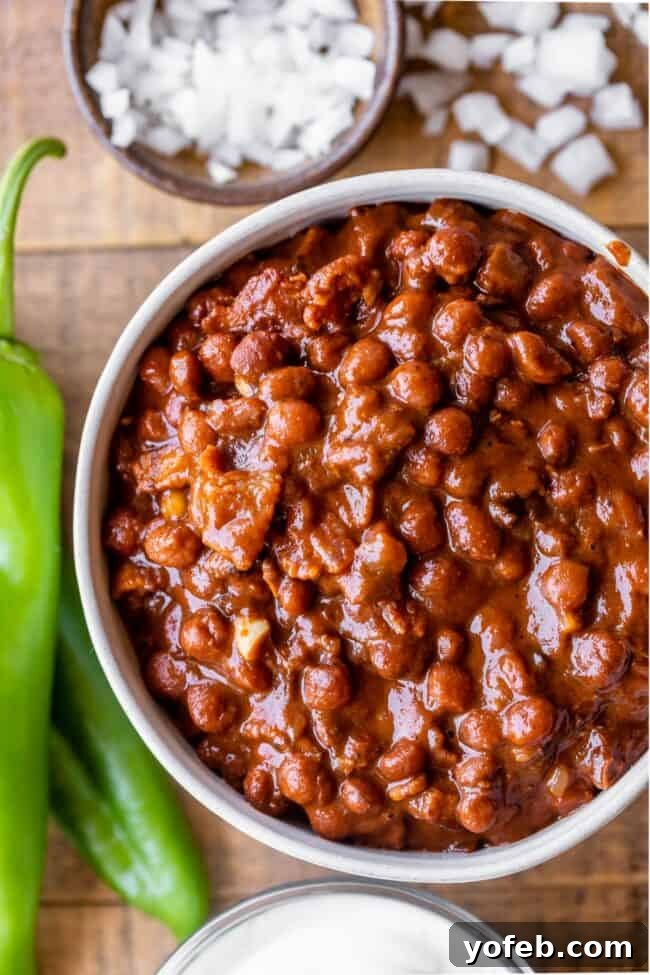
Allow the beans to simmer in the sauce for a few more minutes, letting all the flavors harmonize. Serve these magnificent beans alongside some juicy Grilled Tri Tip for an authentic Santa Maria barbecue experience that is truly heavenly! A complete traditional meal includes Grilled Tri Tip, Santa Maria beans, a mild tomato salsa, garlic bread, and a cold relish tray. Prepare to impress your guests with this incredible homemade dish. It’s time to spread the word about these delicious Pinquito beans and bring a taste of California tradition to your table!
Serving Suggestions for Your Santa Maria Beans
While I will always champion the classic pairing with Grilled Tri Tip – truly a match made in culinary heaven, cultivated right in the Santa Maria valley – these versatile Pinquito beans are a phenomenal addition to a wide range of meals. Their smoky, sweet, and savory profile makes them an ideal companion for virtually any grilled meat.
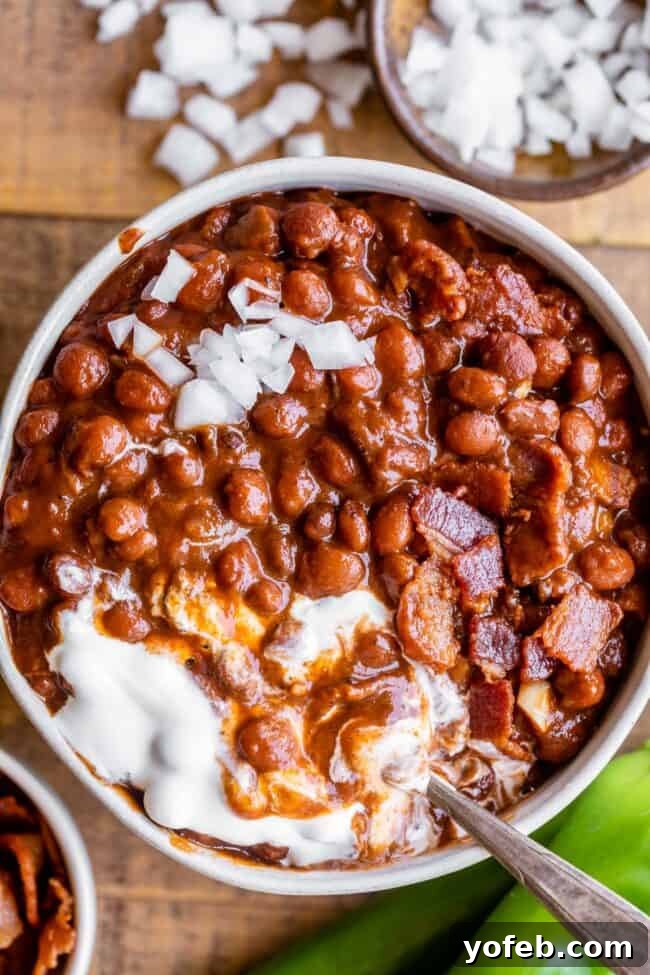
Beyond Tri Tip, consider serving them alongside other barbecue favorites like tender grilled chicken, fall-off-the-bone ribs, or a perfectly smoked Texas beef brisket. Their robust flavor holds up beautifully to these rich main courses. For a heartier, more complete meal, these beans are fantastic with a big pot of fluffy white rice, or for a lighter, low-carb option, try them with Spanish cauliflower rice. Garnish with a dollop of sour cream and a sprinkle of fresh chopped white onions for an added burst of freshness and creaminess. No matter how you choose to enjoy them, these Santa Maria Pinquito Beans are sure to impress.
How to Store Pinquito Beans (Santa Maria Style)
These delicious Santa Maria Pinquito Beans are not only a fantastic meal but also store wonderfully, making them perfect for meal prepping or enjoying leftovers.
Refrigerator Storage:
Once cooled, transfer your Santa Maria beans to an airtight container. They will keep beautifully in the refrigerator for 3-4 days. When ready to enjoy again, simply reheat them gently in the microwave or in a pot on the stovetop until warmed through. The flavors often deepen and meld even further after a day or two, making leftovers a delightful treat.
Can Santa Maria Pinquito Beans be Frozen?
Absolutely! If you find yourself with a larger batch than you can consume within a few days, Santa Maria Pinquito Beans freeze exceptionally well. Portion the cooled beans into freezer-safe containers or heavy-duty freezer bags, leaving a little headspace for expansion. They can be frozen for up to six months without significant loss of quality. This makes them a convenient option for having a taste of California barbecue ready whenever those Pinquito cravings strike. Thaw overnight in the refrigerator and then reheat as desired.
Pinquito Beans Santa Maria FAQs
While Pinquito beans may seem familiar to those who enjoy pinto beans, they are a distinct variety. Pinquitos are a smaller, pinker cousin to pinto beans, sharing a somewhat similar flavor profile but boasting a superior texture. Unlike pinto beans, which can become quite soft and mushy when cooked, Pinquito beans famously maintain their shape. This characteristic results in an incredibly appealing texture for your final dish – they are soft and tender, yet never mushy. Their flavor is uniquely nutty and earthy, contributing to an irresistibly creamy consistency that makes them truly stand out.
Santa Maria Pinquito beans are a regionally exclusive crop, primarily cultivated in California’s central coast, specifically within the fertile Santa Maria Valley. This limited growing region contributes to their unique character and makes them a highly sought-after ingredient for authentic California barbecue. If you’ve never had the pleasure of tasting them, you are indeed in for a delightful culinary treat!
More Delicious Beans and Summer Recipes You Will Love!
Once you’ve mastered these Santa Maria Pinquito Beans, explore more incredible recipes perfect for summer gatherings and hearty meals:
How to Cook Tri Tip (Grilled or Oven Roasted) << The essential main dish to pair with these Santa Maria Beans!
Traditional Tejano Pinto Beans (Slow Cooker) << A classic recipe passed down from my brother-in-law’s Tejana grandmother.
Red Beans and Rice << Incredibly creamy and flavorful, many say these are even better than Popeye’s (and I love Popeye’s!).
Cowboy Pinto Bean Soup << This hearty soup features a fantastic combination of bacon, tomatoes, and chiles!
Bacon Baked Beans << Because everything is better with bacon!
The Best Chili Recipe I’ve Ever Made << A bold statement, but this recipe delivers on flavor and features delicious beans (sorry, Texas!).
Caribbean Rice and Beans from Immaculate Bites << A vibrant and flavorful take on a classic.
The Best Baked Beans from Oh Sweet Basil << Another top contender for your baked bean cravings.
Southern Pinto Beans from Grandbaby Cakes << A soulful and comforting recipe.
Facebook | Pinterest | Instagram

Santa Maria Pinquito Beans Recipe
30 minutes
2 hours
2 hours
30 minutes
8
Rate this Recipe
Print Recipe
Ingredients
For the Beans
- ▢ 1 pound pinquito beans, dry
- ▢ 1 ham hock
- ▢ 10 cups water
For the Sauce
- ▢ 1 pound bacon, chopped
- ▢ 2 Anaheim chiles*
- ▢ 1 large white onion, chopped
- ▢ 4-5 cloves garlic, smashed and minced
- ▢ 1 & 1/2 teaspoons kosher salt
- ▢ 1/2 to 1 teaspoon ancho chile powder
- ▢ 1 teaspoon brown sugar
- ▢ 1 teaspoon dry mustard
- ▢ 1 teaspoon paprika
- ▢ 1 (15-oz) can tomato sauce
- ▢ 1 cup water
- ▢ 3 tablespoons Worcestershire sauce
- ▢ sour cream, to garnish
- ▢ white onion, chopped, to garnish
Instructions
-
Cook the beans. Rinse the pinquito beans under water and pick out any stones or debris. Add the beans to a large stock pot along with the ham hock, and about 10 cups of water. The water should cover the beans by at least a couple inches, the amount doesn’t have to be exact. Cover the beans and turn the heat to high. Bring to a rolling boil. Lower the heat to a simmer (medium-low heat, with a slow bubble in the center of the pot). Simmer for about 2-3 hours until the beans are tender but still firm. They will keep their shape but should not be chalky. Do not add salt during this step, as it can slow down cooking. Check water level periodically and add more hot water if necessary to keep beans submerged, returning to a simmer after adding water.
-
Roast the Anaheim chiles. Place the 2 chiles on a foil-lined baking sheet. Turn the broiler to high heat and move the oven rack to its highest position. Place the chiles directly under the flame and roast for about 7-10 minutes, checking every minute. Turn the peppers with tongs as the skin blackens, ensuring all sides are roasted. Remove from oven and immediately seal the peppers (in a ziplock bag, a bowl with plastic wrap, or under an overturned bowl on the counter) to steam for 20 minutes. After steaming, carefully peel off the waxy outer layer of skin. Discard the stem, seeds, and membrane. Chop the roasted chiles into half-inch pieces and set aside.
-
Make the sauce. Chop the raw bacon into bite-sized pieces. In a 12-inch high-sided skillet, cook the bacon over medium-high heat for 8-10 minutes until quite crisp. Drain most of the grease, leaving about 1 tablespoon behind in the pan. (Save excess bacon grease for other recipes!)
-
Add the chopped white onion to the pan with the bacon. Sauté over medium heat for about 5 minutes, then add the roasted and chopped Anaheim peppers and 4-5 cloves of smashed and minced garlic (about 2 tablespoons).
-
Add 1 and 1/2 teaspoons kosher salt, 1/2 or 1 teaspoon ancho chile powder, 1 teaspoon brown sugar, 1 teaspoon dry mustard, and 1 teaspoon paprika. Sauté for another 2 minutes until the garlic is fragrant and the spices smell toasty.
-
Add a 15-ounce can of tomato sauce, 1 cup water, and 3 tablespoons Worcestershire sauce. Bring to a boil over medium-high heat, then lower to a simmer over medium-low heat with slow bubbles in the middle of the pan. Let simmer for about 30 minutes until slightly thickened. If your beans are not yet tender, turn off the heat on the sauce while the beans finish cooking.
-
When the beans are tender, drain them, but save the bean liquid. Take out the ham hock, chop up any meat left on it, and add it to the sauce.
-
Add all the cooked beans to the sauce and turn the heat back on to medium. Add the reserved bean liquid gradually until the beans reach your desired consistency. Use your best judgment to prevent watering down the sauce.
-
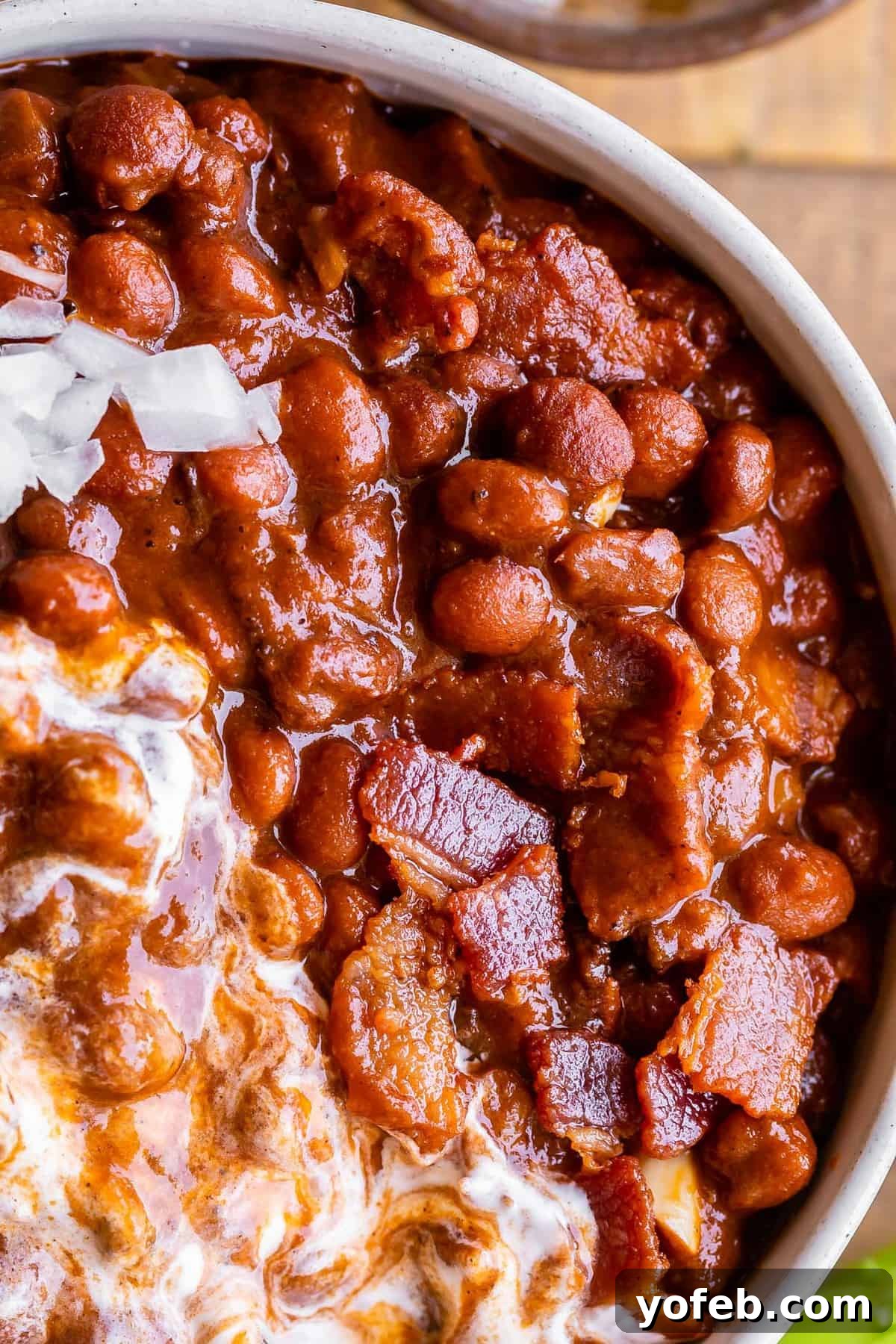
Let the beans simmer in the sauce for a few minutes before serving. Garnish with sour cream and raw white onions if desired. For the ultimate authentic experience, serve these delicious beans with juicy Grilled Tri Tip!
Notes
INSTANT POT: I have not yet tested this recipe in an Instant Pot, but based on research, soaking the beans for about 8 hours, discarding the liquid, and then cooking them in new water in the Instant Pot for 10-12 minutes is a suggested approach. If not pre-soaked, expect a slightly longer cooking time. Please share your results if you experiment with this method!
SLOW COOKER: While I haven’t developed a full slow cooker version yet (the two-pan method yields a much richer sauce), you can cook the beans and ham hock in water in a slow cooker. Cook on low for 6-8 hours or until tender. Then, combine the cooked beans with the sauce, prepared separately as described in the recipe, adding bean liquid to achieve desired consistency.
Source: This recipe is slightly adapted from Food and Wine.
Nutrition
Did you make this? I’d love to see it!
Mention @thefoodcharlatan or tag #thefoodcharlatan!