
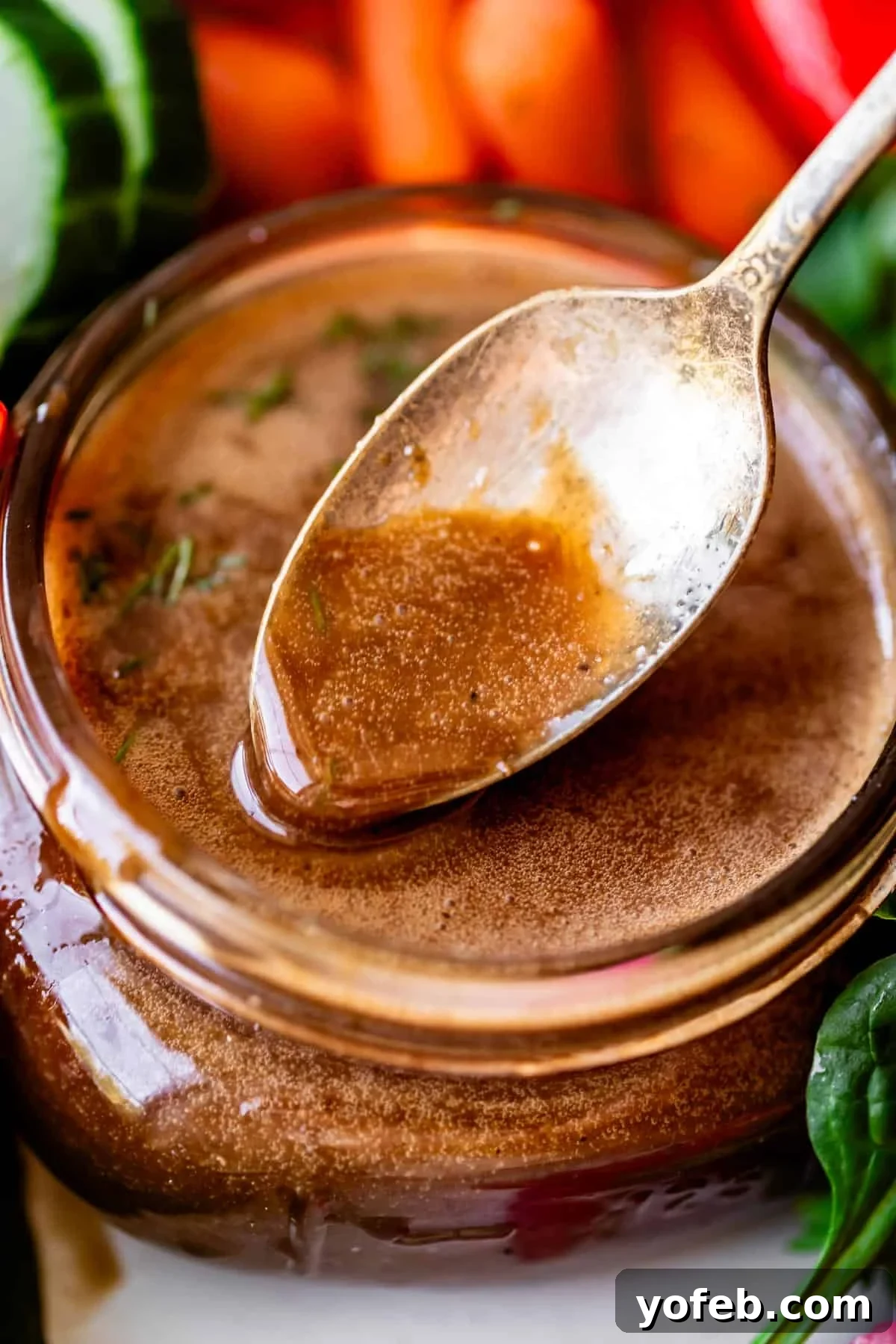
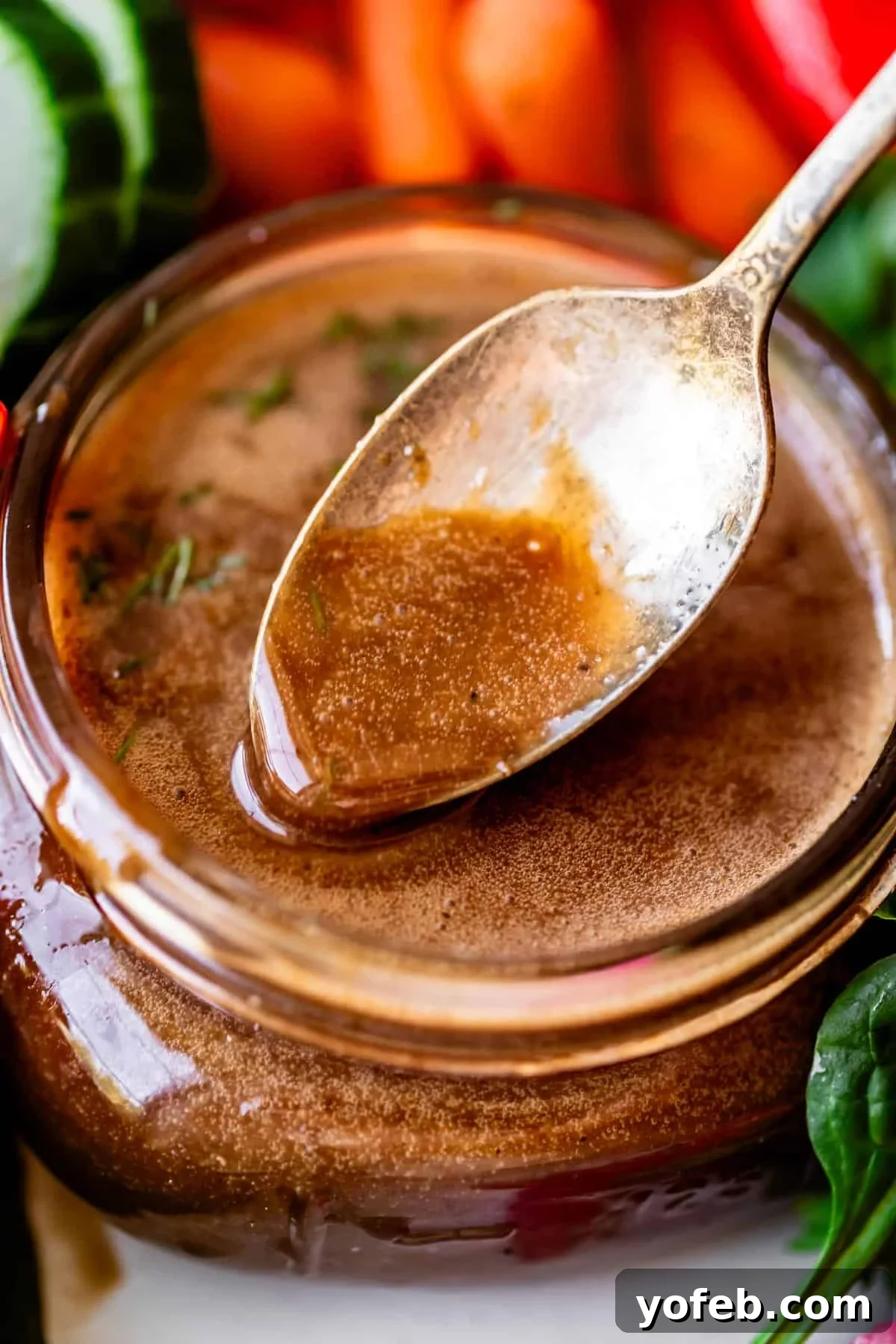
You need a reliable Balsamic Vinaigrette recipe in your kitchen. It’s a versatile staple you’ll reach for again and again. My version is creamy, tangy, and slightly sweet — excellent on salads and fantastic as a dip for raw vegetables or a simple accompaniment to a cheese board.
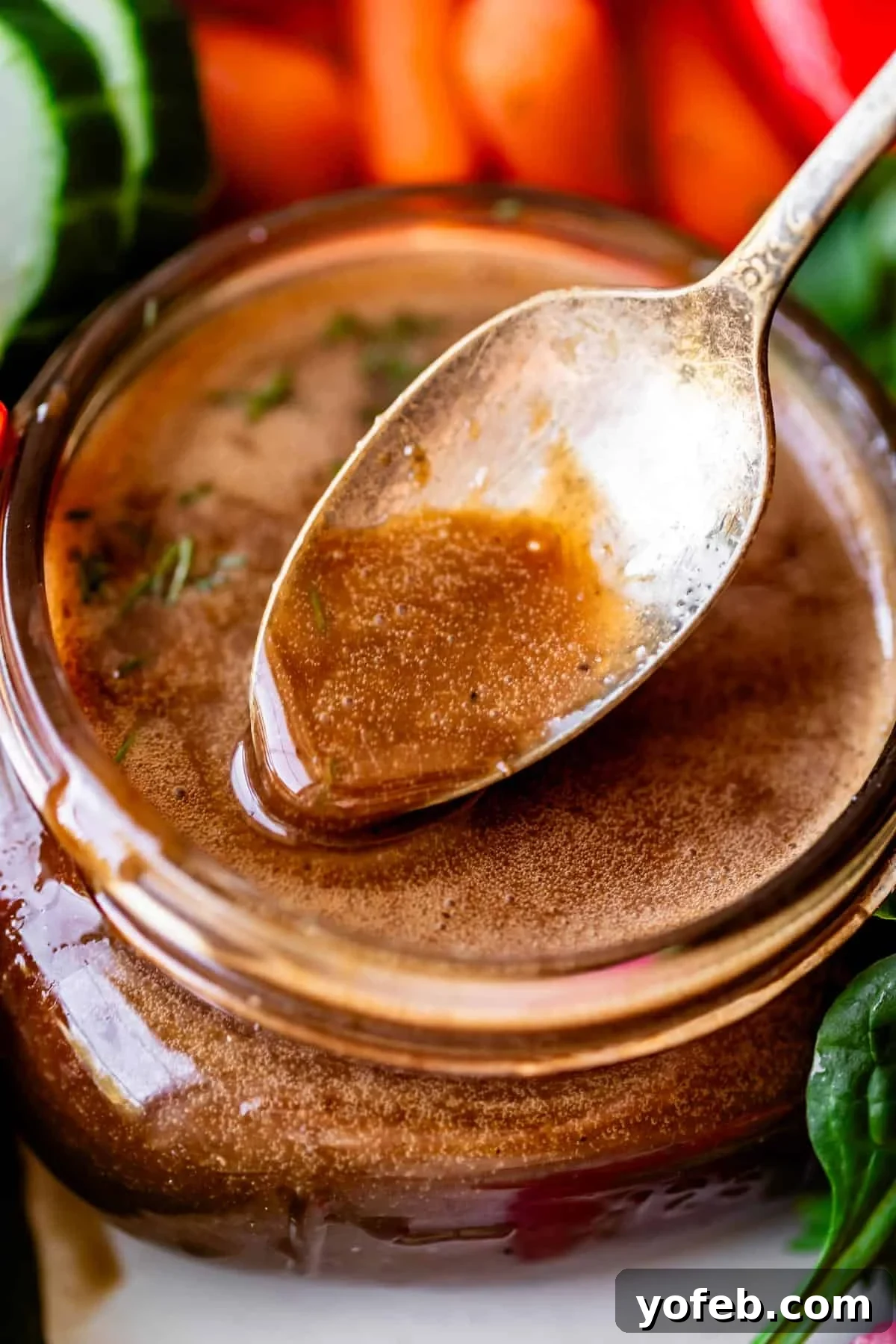
Recently I’ve been amused by clips of Europeans reacting to American culture — from late-night snack deliveries to the sheer abundance of condiments. It’s entertaining, but what I appreciate most from my travels and food curiosity is that we’ve borrowed plenty of delicious things from Europe too, balsamic vinegar chief among them.
A creamy, balanced balsamic vinaigrette is one of life’s small joys. It brightens leafy greens, lifts grain bowls, and makes roasted vegetables sing. I’ve refined this recipe until it hits the right notes: bright lemon, savory garlic and mustard, a touch of honey for balance, and the deep, fruity character of balsamic vinegar.
The real deal balsamic
True, authentic balsamic from Modena is a special product aged for many years and it’s syrupy, complex, and expensive. If you have a bottle of certified Modena balsamic, it’s often best used sparingly — drizzled over salads, grilled vegetables, fresh fruit, or a cheese plate where its intensity can be savored.
For most dressings, a high-quality but more affordable balsamic works beautifully. Look for a label where grape must is the primary ingredient, or at least listed first. Grape must is the cooked, concentrated juice of grapes and gives balsamic its fruity depth. A good, non-certified balsamic will still bring that rich, sweet-tart foundation to your vinaigrette without overpowering it.
Balsamic vinaigrette: ridiculously easy
This vinaigrette is simple to make but easy to get off-balance. The most common misstep is adding too much balsamic, which can make the dressing overly sweet. Because some balsamics are very sweet, taste the vinegar first and adjust the added sweetener accordingly.
My trick for balance is fresh lemon juice. A bit of lemon brightens the dressing and cuts through the sweetness without making it taste lemony. Dijon mustard and garlic add savory depth, and slowly emulsifying the oil into the other ingredients creates a smooth, creamy texture that clings to greens.
The whole process takes about five minutes in a blender. It yields a tangy-sweet, naturally creamy dressing that stores well and elevates everyday salads and roasted vegetables alike.
What you need
The full ingredient list appears in the recipe card below, but the key elements are:
- Balsamic vinegar — choose a quality bottle with grape must listed first. The flavor of your balsamic will have a big impact on the final dressing.
- Fresh lemon juice — this brightens and balances the sweetness; use freshly squeezed lemon only.
- Fresh garlic — a little garlic gives savory depth and complexity.
- Extra virgin olive oil — a mild extra virgin olive oil works well; for a more neutral oil you can use light olive oil or avocado oil.
How to make balsamic vinaigrette
This comes together quickly. Combine all ingredients except the oil first, taste, then slowly add the oil to emulsify.
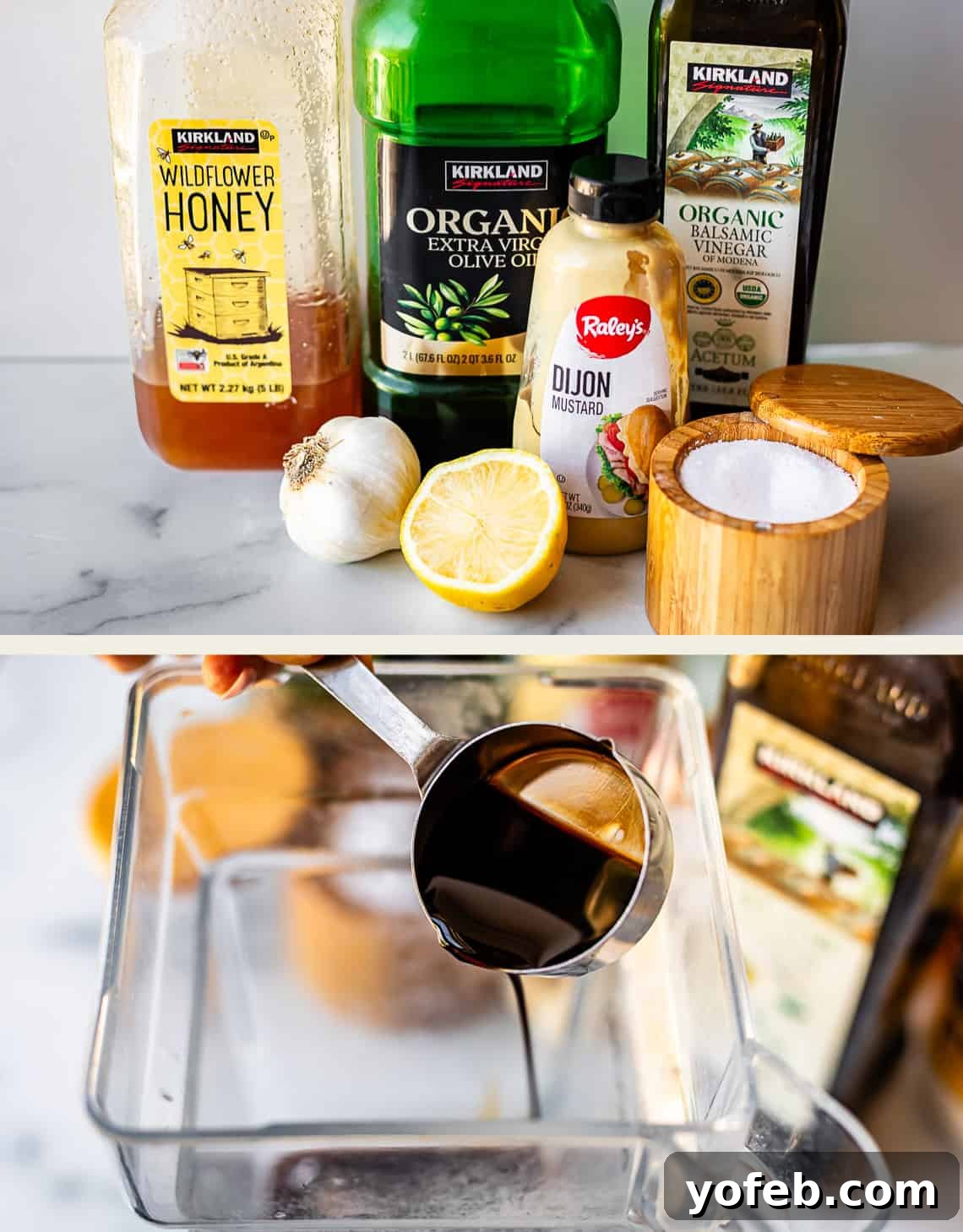
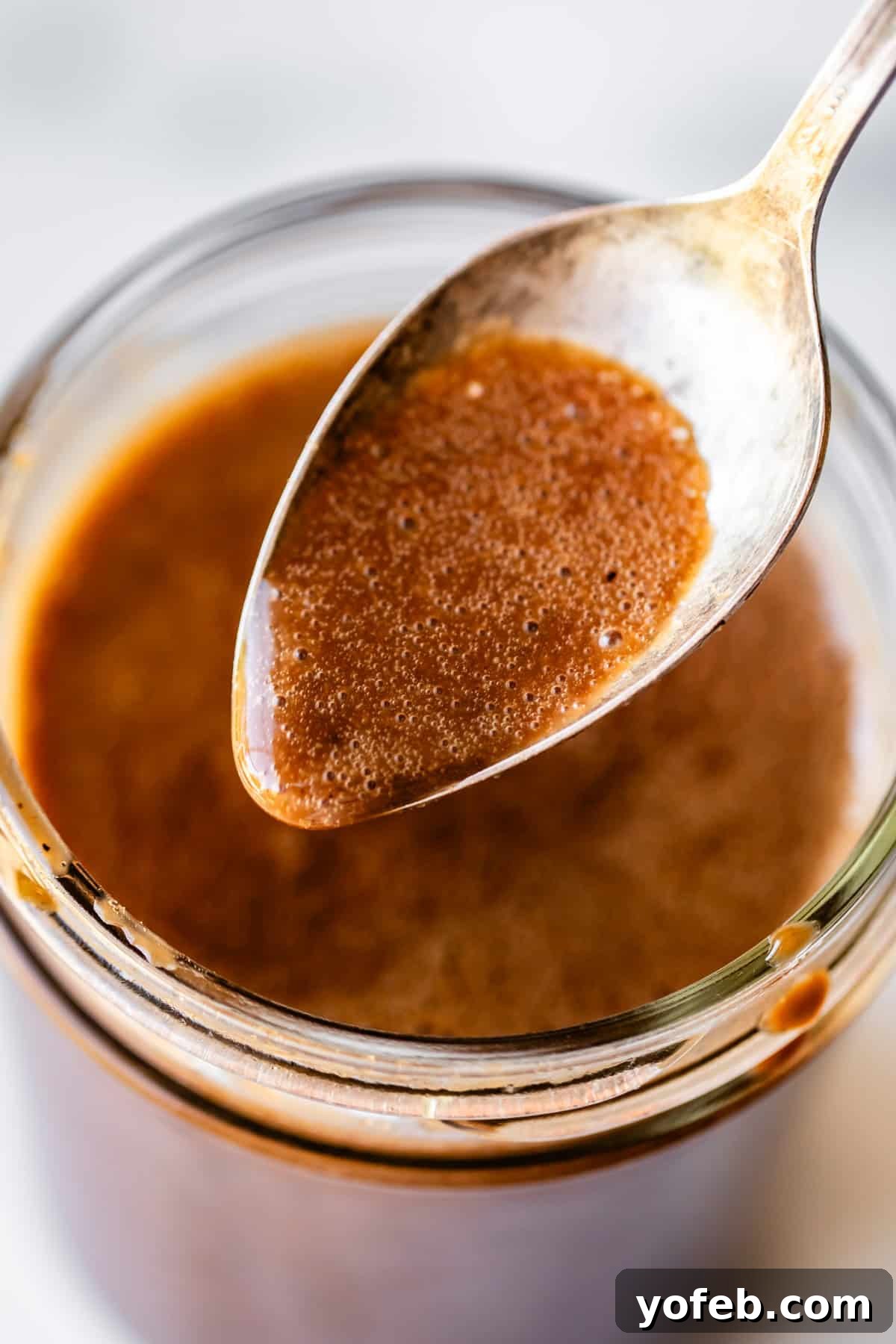
Start by adding the balsamic and lemon juice, then Dijon mustard, honey (if using), salt, pepper, and garlic. Blend until the garlic is fully incorporated. With the blender running on low, pour the olive oil in a thin, steady stream so the oil emulsifies with the vinegar mixture. The dressing will become creamy and slightly frothy; that settles within a few minutes.
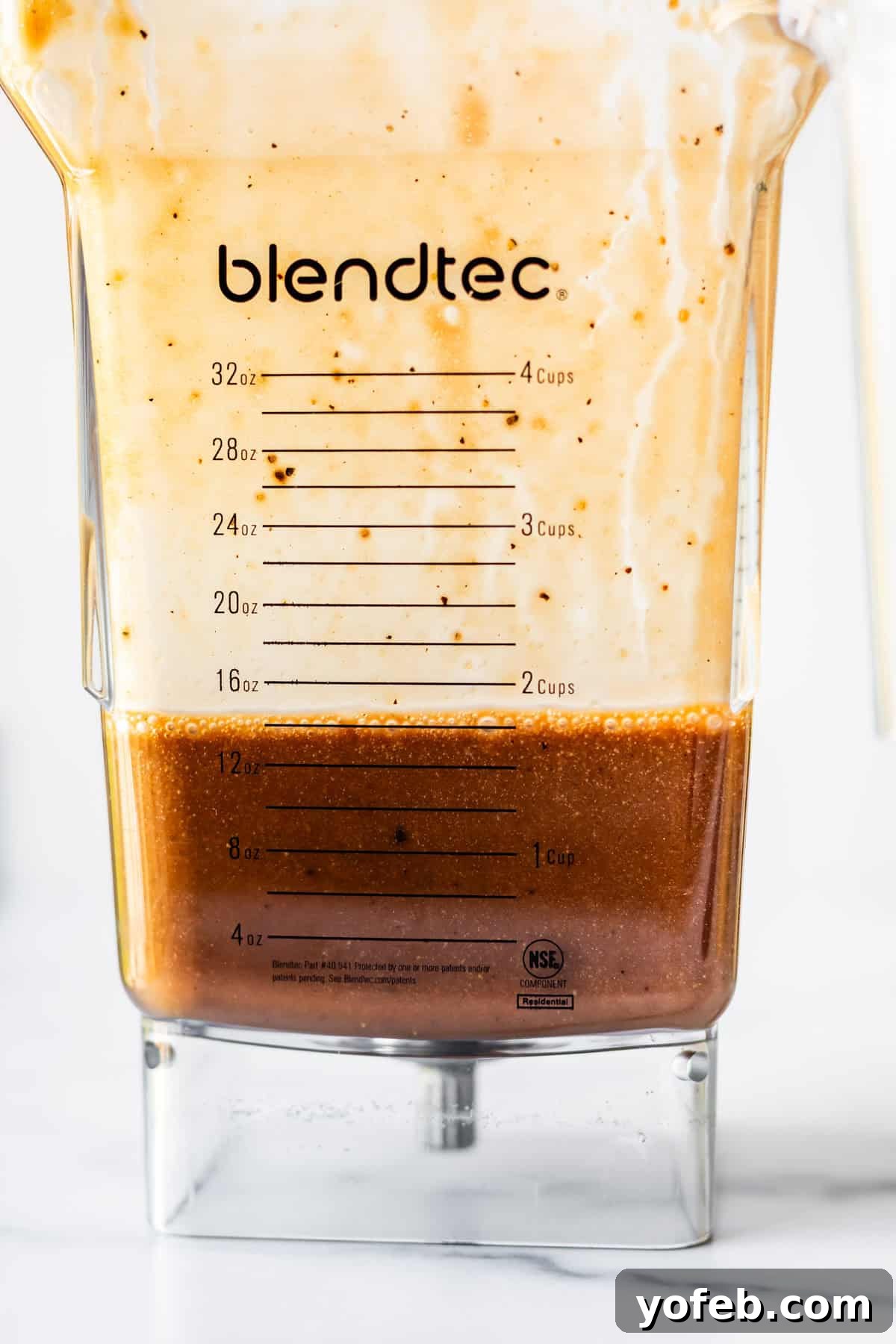
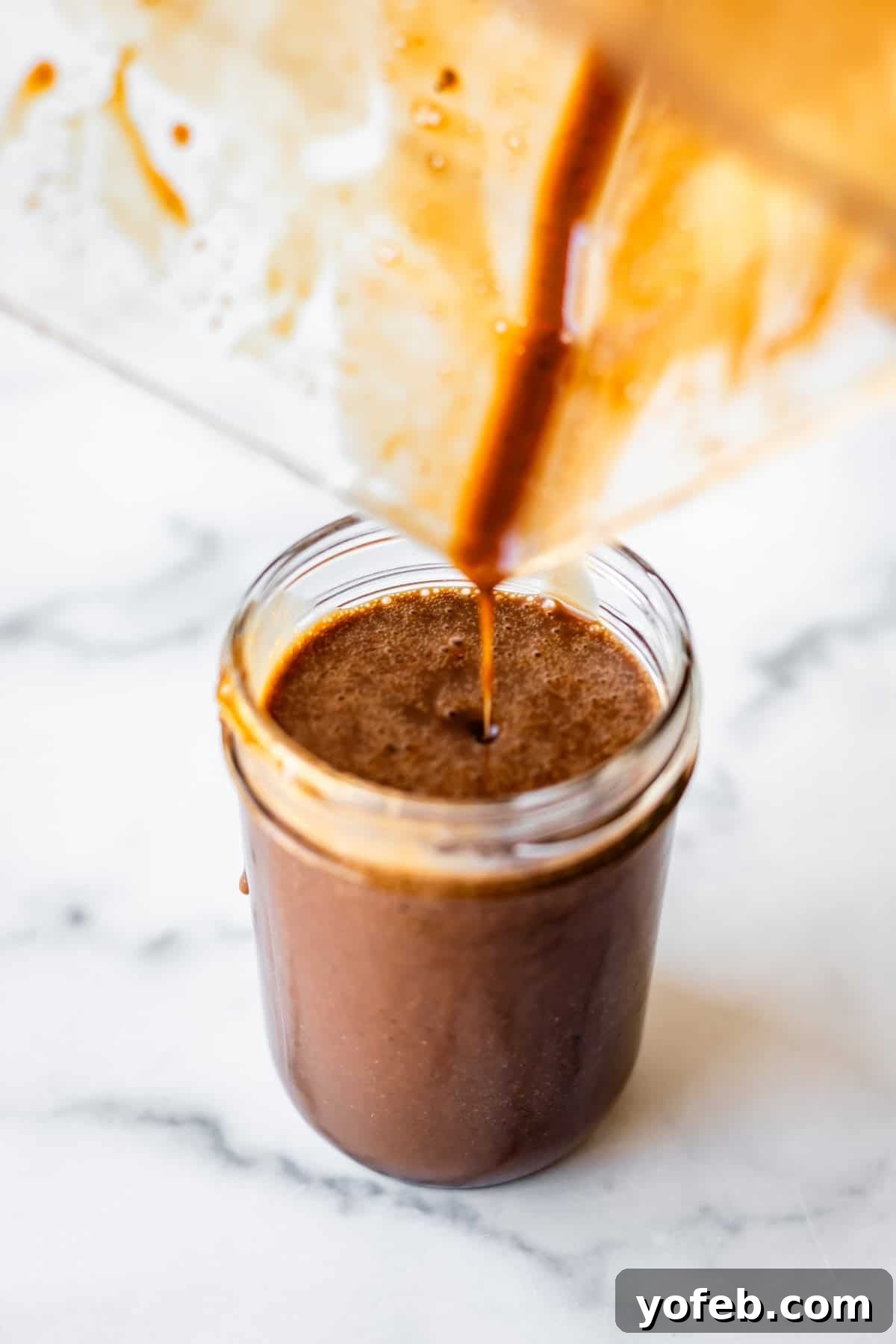
The recipe yields roughly 1 3/4 cups of dressing and is easy to double in a standard blender. Store it in a sealed jar in the refrigerator and shake or stir before serving.
What to eat with this dressing
Short answer: almost everything. This vinaigrette is highly versatile.
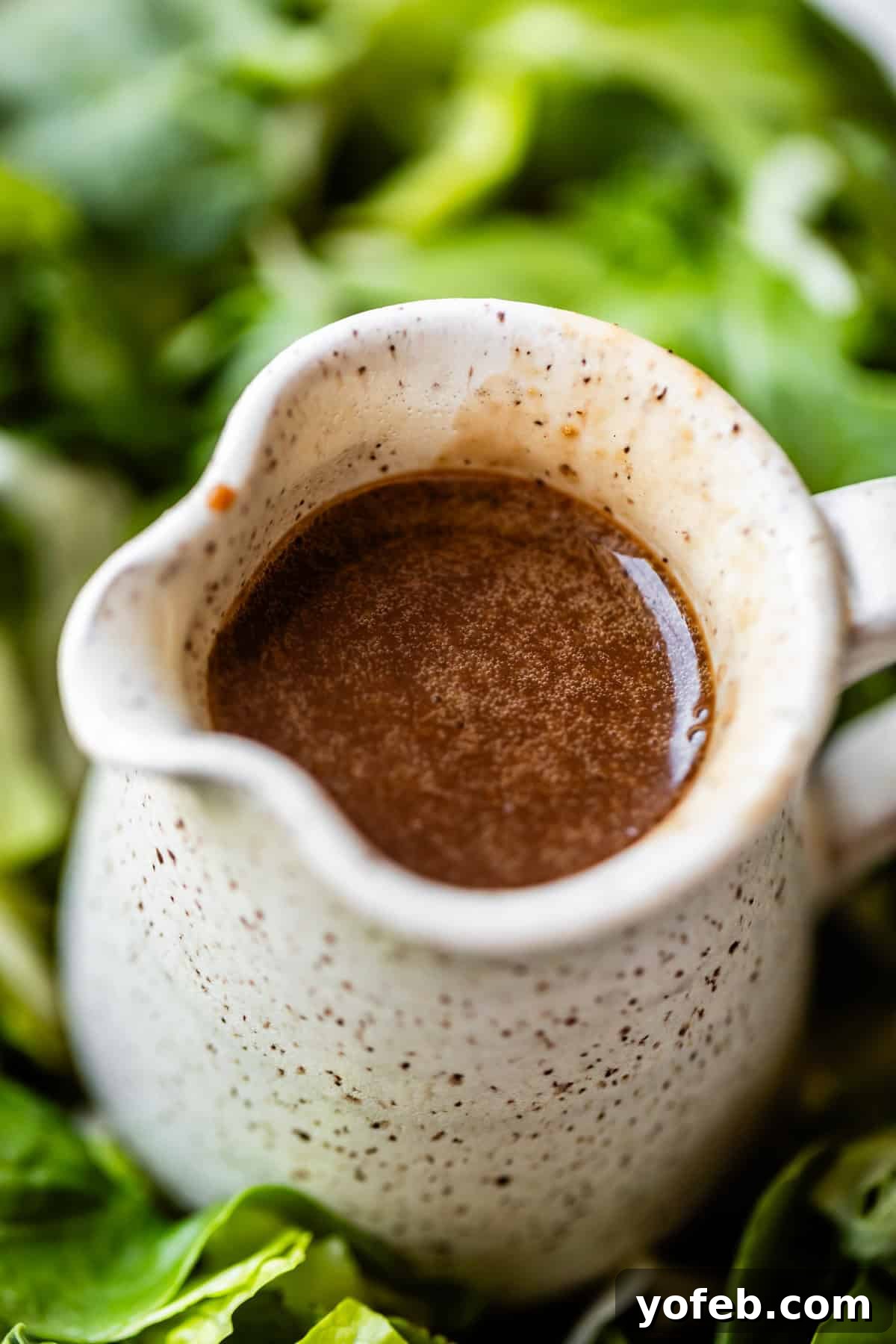
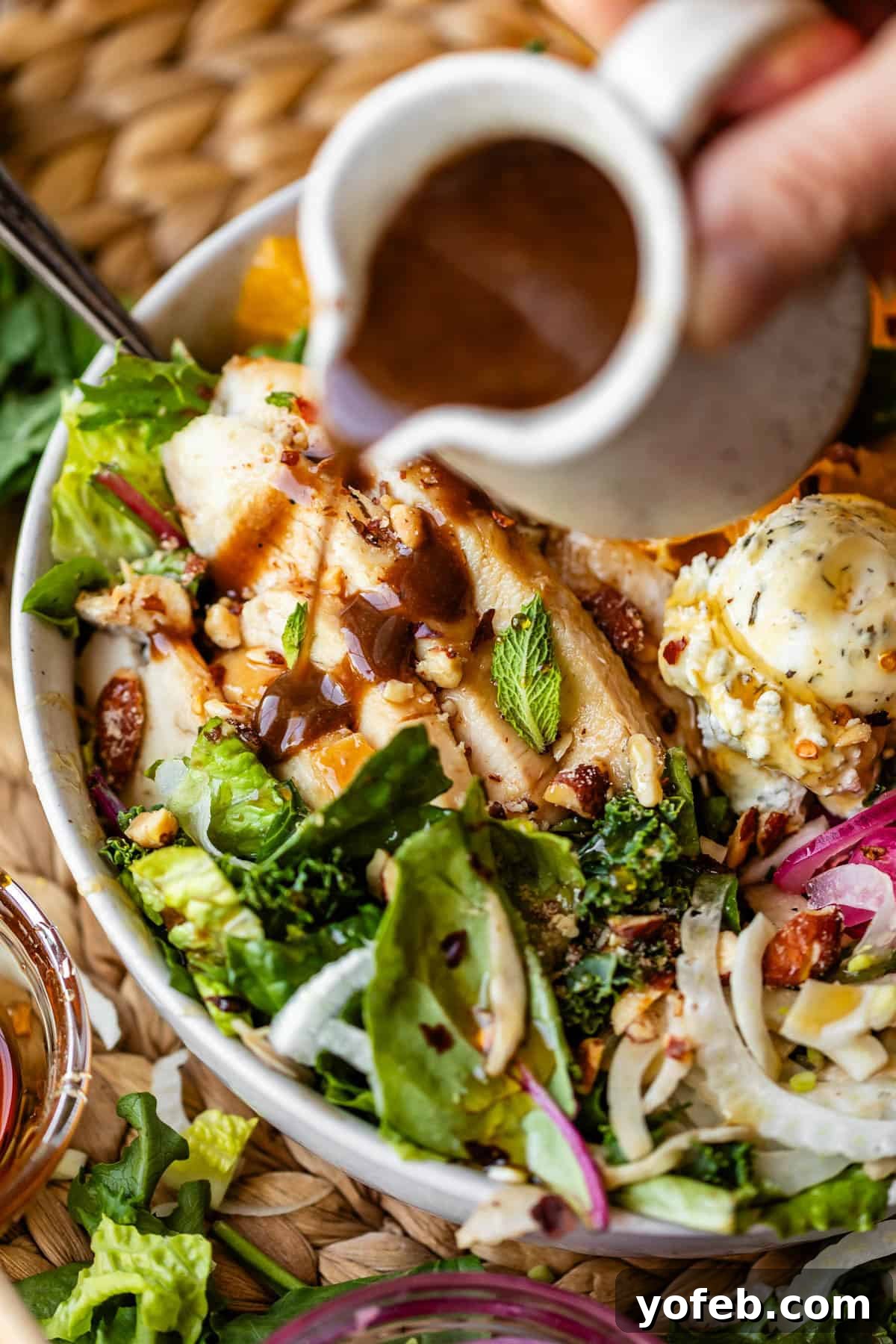
- Salads: Use it on mixed greens, grain salads, composed salads like a Cobb, or a spinach and goat cheese salad for a bright finishing touch.
- Marinade: It works beautifully as a marinade for chicken, pork, or firm white fish — marinate in the fridge for a couple of hours before cooking.
- Pasta salads: Toss with cooked pasta, vegetables, and fresh herbs for a quick pasta salad.
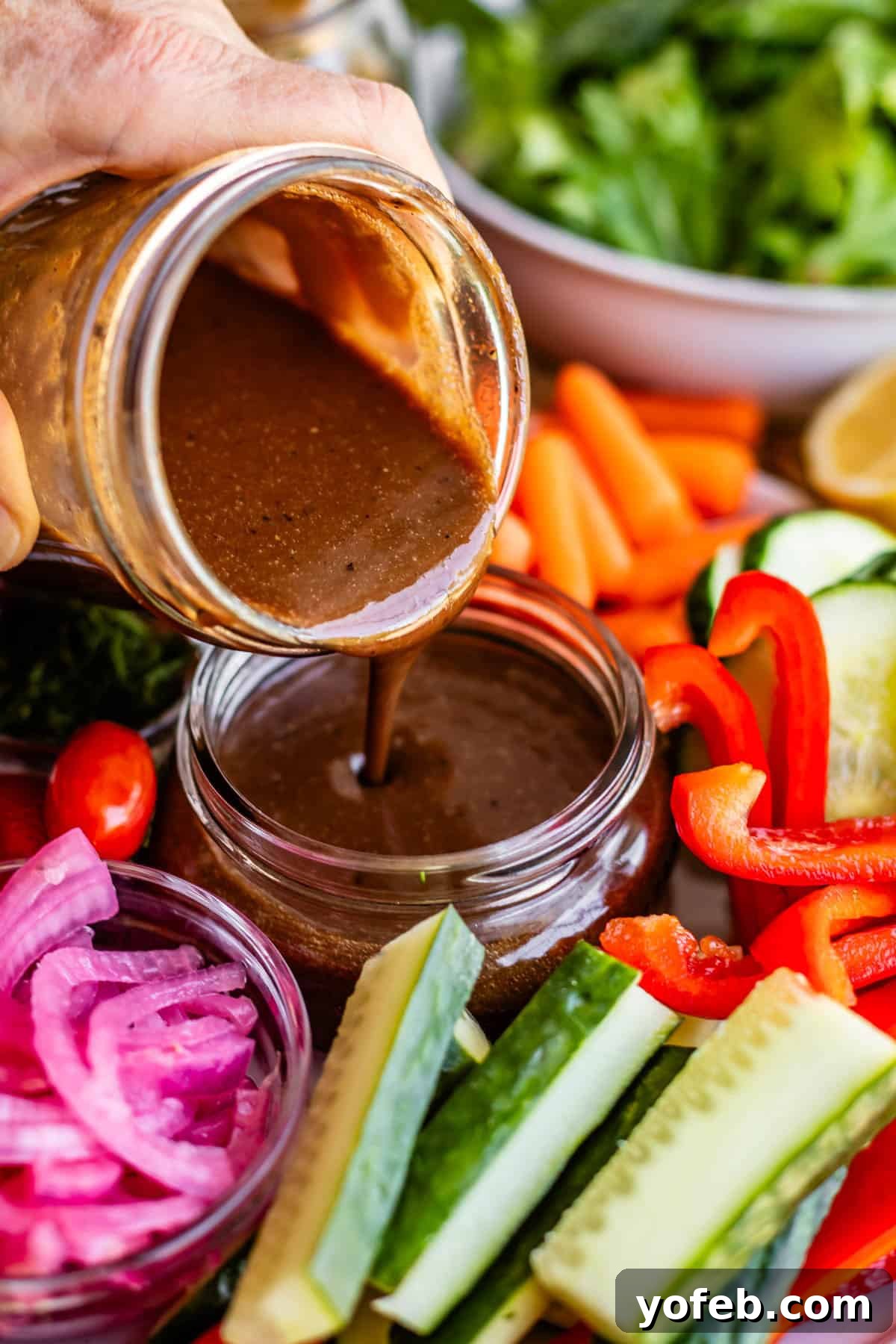
- Vegetables: Drizzle over roasted or sautéed vegetables, or use as a dipping sauce for a raw veggie platter instead of a creamy ranch.
Pair this dressing with salads featuring salty cheeses, grilled proteins, nuts, or roasted fruit for a delicious contrast of flavors.
How to store your vinaigrette
Store the vinaigrette in a jar with a tight-fitting lid in the refrigerator. Allow it to sit at room temperature for 5–10 minutes before using so the oil becomes pourable. It will keep for several weeks when chilled.
Freezing is not recommended: the emulsion can break and the texture will change. If it separates after cooling, re-blend and add a tablespoon or two of oil while blending to help bring it back together.
More dressings for all the salad
I eat leftovers over salad almost every day, and a good dressing keeps those meals interesting. Try this balsamic alongside other dressings like lemon vinaigrette, poppyseed, or a creamy buttermilk ranch for variety. Each brings something different to bowls, greens, and grain salads.

Creamy Balsamic Vinaigrette
Equipment
- blender (or a bowl and whisk)
Ingredients
- 1/2 cup balsamic vinegar
- 1/4 cup fresh lemon juice (from 1 large lemon)
- 1 tablespoon Dijon mustard
- 2 tablespoons honey
- 1 teaspoon kosher salt (use slightly less if using table salt)
- 1/2 teaspoon black pepper
- 3 small garlic cloves, or 2 large cloves
- 3/4 cup extra virgin olive oil
Instructions
- Add all ingredients except the oil to a blender: 1/2 cup balsamic vinegar, 1/4 cup FRESH lemon juice, 1 tablespoon Dijon mustard, 2 tablespoons honey, 1 teaspoon kosher salt, 1/2 teaspoon black pepper, and 3 small garlic cloves.
- Blend until smooth, about 1 minute. Taste and adjust honey or lemon as needed depending on how sweet or tart your balsamic is.
- With the blender running on low, add 3/4 cup olive oil in a thin stream. Continue blending until fully emulsified and creamy.
- This yields about 1 and 3/4 cups of dressing.
- Transfer to a sealed jar and store in the refrigerator for up to several weeks. Do not freeze.
- Use with salads, as a marinade for chicken or fish, tossed with pasta salad, or as a dip for vegetables.
Notes
Garlic: If your garlic cloves are large, use only 2 so the dressing doesn’t become overly sharp.
No blender: Finely mince garlic, whisk the remaining ingredients (except oil) in a bowl, then add oil in a thin stream while whisking to emulsify.