
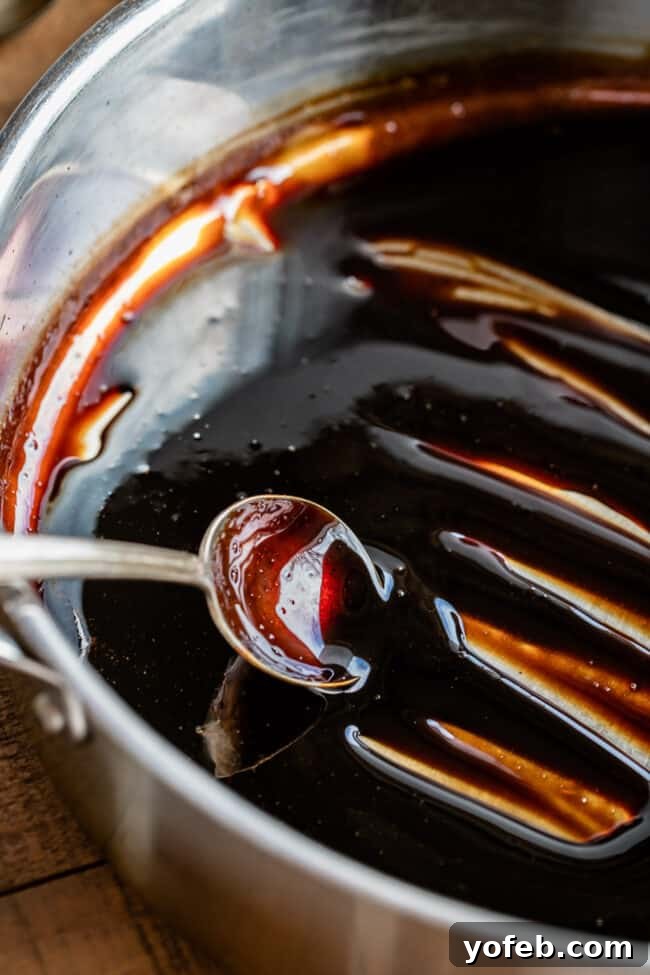
Unlock a world of intense flavor and culinary elegance with homemade **balsamic reduction**! This surprisingly simple, one-ingredient wonder transforms ordinary balsamic vinegar into a luxurious, syrupy glaze that elevates every dish it touches. Forget expensive store-bought versions; creating your own balsamic glaze at home is not only incredibly easy but also incredibly rewarding. It’s a versatile condiment that will quickly become a favorite “secret weapon” in your kitchen, perfect for drizzling over appetizers, main courses, and even desserts, taking them from simple to sophisticated in an instant. Get ready to impress your taste buds and your guests!
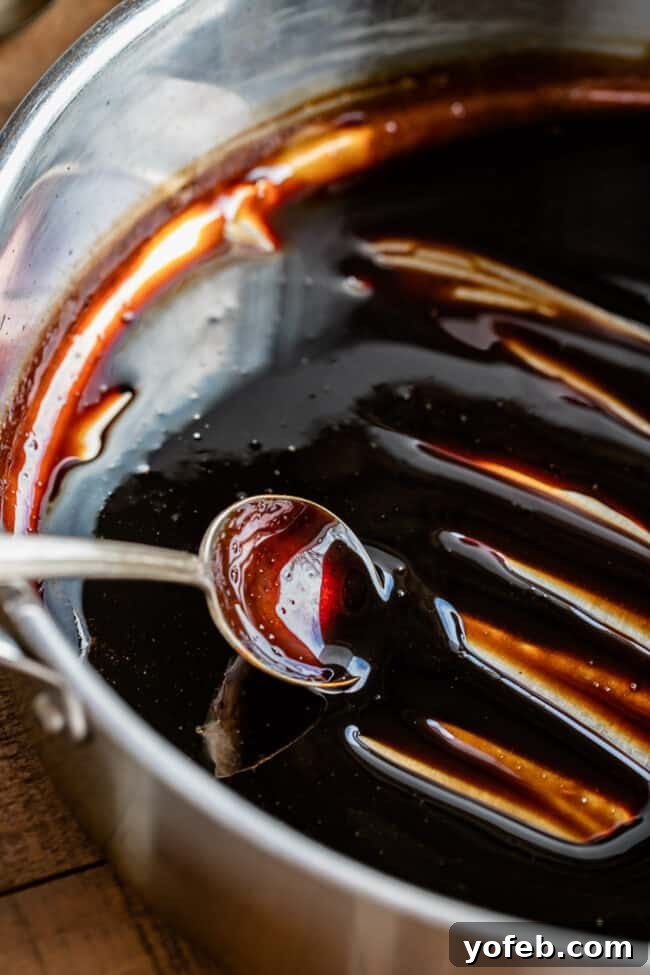
Table of Contents
- The Magic of Homemade Balsamic Reduction
- What is a Balsamic Reduction?
- How to Make Balsamic Reduction Step-by-Step
- Balsamic Reduction Ingredients and Tips
- How to Use Balsamic Glaze
- Balsamic Reduction Recipe Sweeteners
- Storing Balsamic Vinegar Reduction
- Balsamic Reduction FAQ
- More Culinary Inspiration
- Balsamic Reduction Recipe Card
The Magic of Homemade Balsamic Reduction
There’s something uniquely satisfying about creating gourmet-quality condiments in your own kitchen. Balsamic reduction, also known as balsamic glaze, is a prime example. While readily available in stores, homemade versions often surpass their commercial counterparts in flavor, freshness, and purity. By making it yourself, you control the quality of the balsamic vinegar, ensuring a superior base for your reduction, and you avoid any unnecessary additives or preservatives often found in mass-produced glazes.
Not only is it incredibly economical, transforming a common pantry staple into a high-end ingredient, but the process itself is wonderfully straightforward. In just a short amount of time, you can have a rich, complex, sweet-tart glaze ready to elevate countless dishes. This is more than just a recipe; it’s an invitation to enhance your culinary repertoire with minimal effort and maximum flavor impact.
Choosing Your Balsamic Vinegar: Quality Matters (But Not Always Expense)
The star of our one-ingredient show is, of course, balsamic vinegar. While a truly authentic, aged Traditional Balsamic Vinegar from Modena or Reggio Emilia can be quite costly, you don’t need to break the bank to make a fantastic reduction. For everyday use, a good quality supermarket balsamic vinegar will suffice. Look for labels that list “grape must” as the first ingredient, indicating a higher concentration of grape juice, which contributes to a naturally sweeter, thicker, and more flavorful reduction. Avoid vinegars that list caramel coloring or added sugars high up on the ingredient list if you’re aiming for a purer flavor. A mid-range balsamic vinegar (around $8-$15) will yield excellent results for this recipe, offering a balance of quality and affordability.
Essential Equipment for Balsamic Glaze
You’ll only need a few basic kitchen tools for this recipe:
- Saucepan: A wide, heavy-bottomed saucepan is ideal. A wider pan increases the surface area, allowing the vinegar to evaporate more quickly and evenly, thus speeding up the reduction process.
- Whisk or Spoon: For occasional stirring to prevent sticking and ensure even reduction.
- Heat-proof Container: A glass jar with a lid (like a mason jar) or an airtight bottle for storing your finished reduction.
What is a Balsamic Reduction?
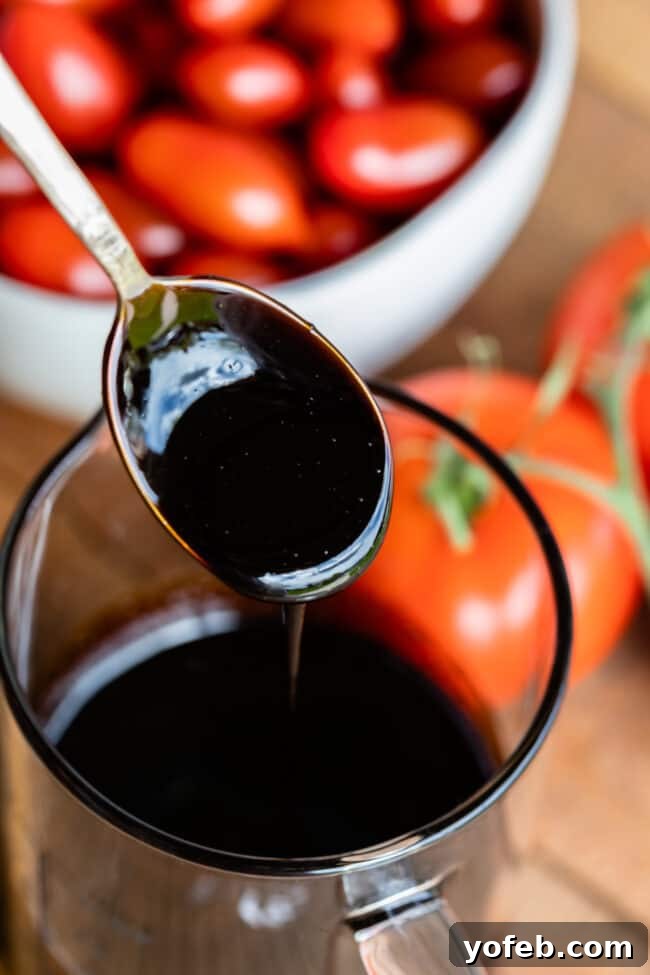
A balsamic reduction is essentially concentrated balsamic vinegar. Through a gentle simmering process, the water content in the vinegar evaporates, leaving behind a thicker, more viscous liquid. This concentration intensifies both the sweetness and the complex tangy notes of the balsamic, creating a syrupy glaze with a richer color and a more profound flavor profile. The natural sugars caramelize slightly during this process, resulting in a condiment that is wonderfully balanced – sweet, acidic, and deeply aromatic. It transforms from a thin, sharp vinegar into a luscious, pourable sauce perfect for drizzling and garnishing.
How to Make Balsamic Reduction Step-by-Step
Creating your own balsamic reduction is incredibly straightforward and requires minimal attention. Here’s a basic overview of the simple steps:
- Pour Balsamic Vinegar into a Saucepan: Use a wide, heavy-bottomed saucepan for best results. The wider the pan, the faster the liquid will reduce.
- Gentle Simmer: Bring the vinegar to a gentle simmer over medium heat. Once it starts to bubble lightly from the center, reduce the heat to maintain a very low, consistent simmer.
- Reduce by Half (or More): Continue simmering, stirring occasionally, until the volume of the vinegar has reduced by at least half. For a thicker glaze, you can reduce it a bit more, down to about one-third of the original volume.
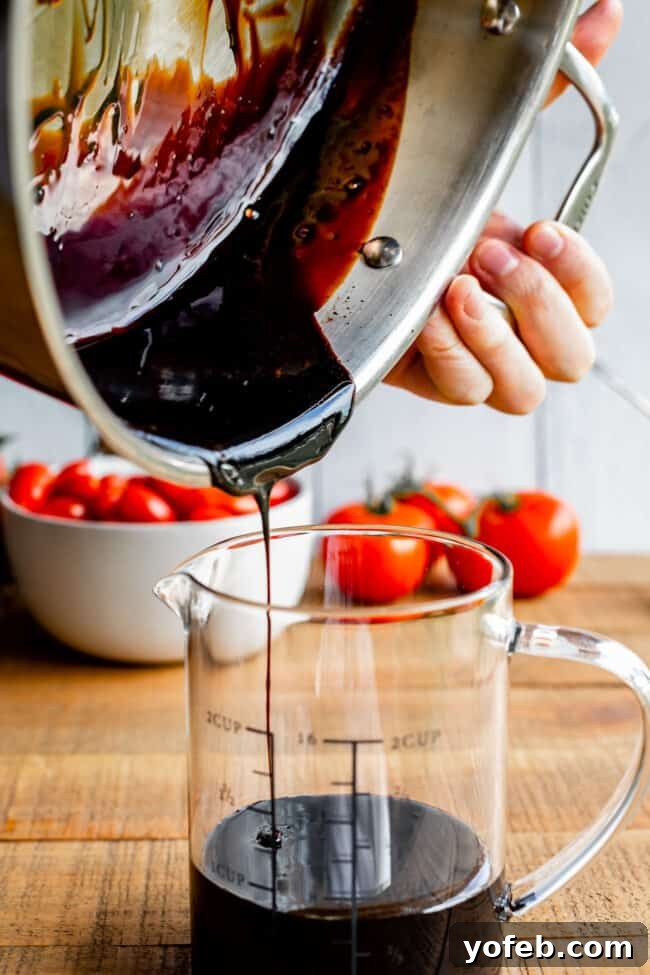
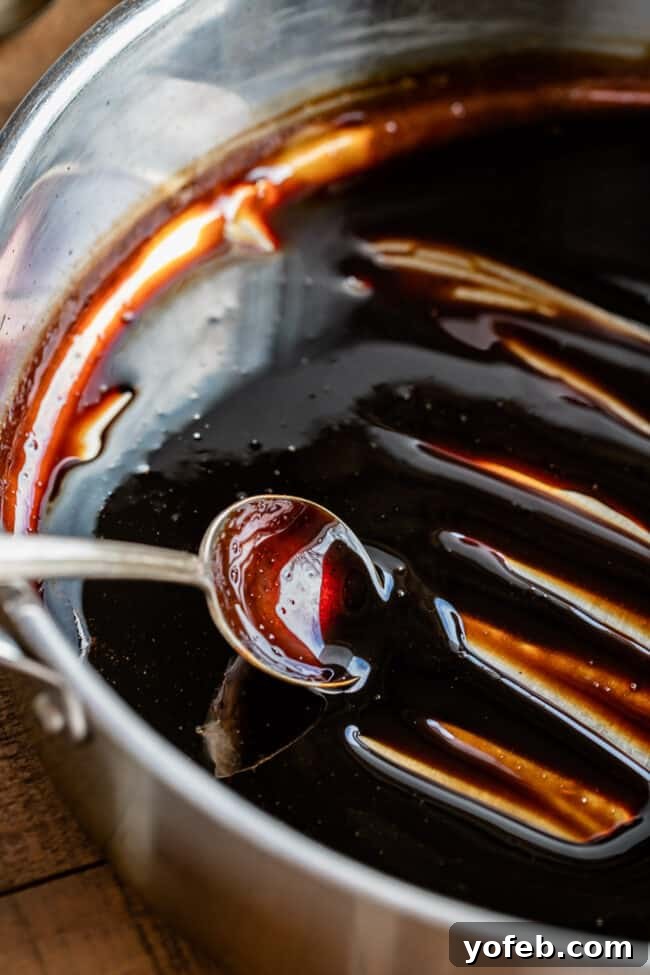
- Check for Consistency: The reduction is ready when it coats the back of a spoon with a syrupy, glaze-like consistency. Remember, it will thicken further as it cools.
- Cool and Store: Remove from heat, let it cool slightly, then transfer to an airtight container and store in the fridge.
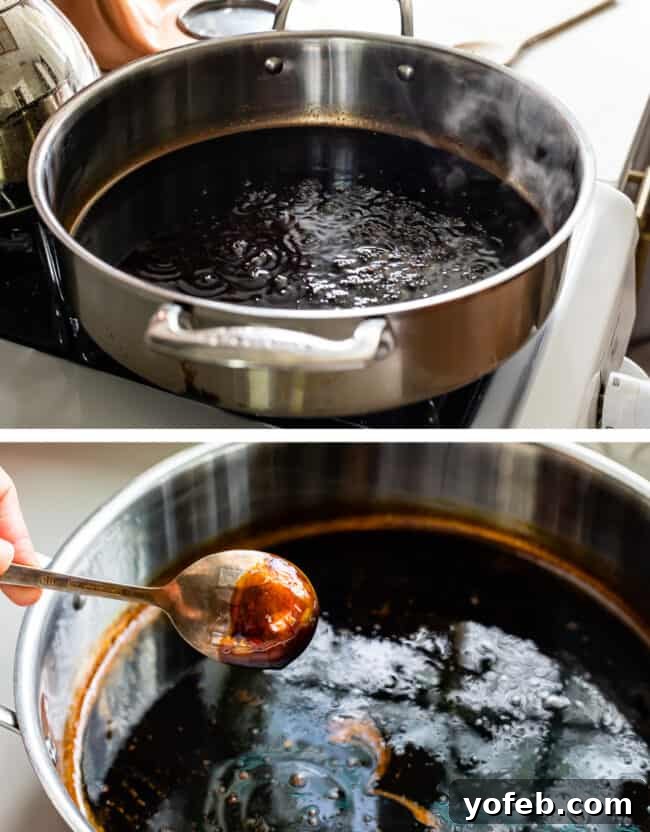
Above, you can see the ideal simmering level – gentle bubbles, not a rolling boil. A strong boil will reduce the vinegar too quickly, potentially burning it and resulting in a less desirable flavor. Patience is key for the best results. The visual cue of the vinegar coating the back of a spoon is crucial for determining doneness. As you stir, observe how the liquid clings to the spoon. When it leaves a visible film, your reduction is almost there. Don’t worry if it seems a little thinner than you expected while warm; it will set up perfectly as it chills.
Balsamic Reduction Ingredients and Tips
The beauty of balsamic reduction lies in its simplicity. Truly, the core recipe requires only one ingredient. However, you have the option to enhance it, especially if you plan to use it for sweet applications.
- Balsamic Vinegar: The sole essential ingredient. As mentioned, a mid-range quality vinegar works wonderfully. The natural sugars in the vinegar itself are what create the glaze.
- Optional Sweetener: For a sweeter glaze, particularly for desserts, consider adding a sweetener. Choices include:
- Granulated sugar
- Brown sugar
- Honey
- Maple syrup
The decision to add a sweetener depends entirely on your intended use. For savory dishes, the natural sweetness and tang of pure balsamic reduction are usually perfect. For a more dessert-focused glaze, a touch of added sweetness can create a delightful contrast. We’ll delve deeper into sweeteners in a dedicated section below.
How to Use Balsamic Glaze
Once you have a batch of homemade balsamic reduction cooling in your fridge, you’ll find yourself reaching for it constantly. Its unique sweet-tart, complex flavor profile makes it an incredibly versatile condiment that can elevate a surprisingly wide array of dishes. The possibilities truly are endless, but here are some popular and delicious suggestions to get you started:
Savory Pairings
Balsamic glaze is a fantastic complement to savory dishes, adding depth and a touch of gourmet flair. Its acidity brightens rich flavors, while its sweetness balances salty and earthy notes.
- Fresh Sliced Tomatoes: Drizzle over ripe, fresh tomato slices with a sprinkle of sea salt and basil. Even if you’re not typically a tomato fan, this combination is incredibly addictive.
- Caprese Salad: The quintessential pairing! Drizzle over fresh mozzarella, ripe tomatoes, and basil for a classic Italian appetizer.
- Pizza: A finishing drizzle on Margherita pizza or any cheese pizza adds a sophisticated touch.
- Green Salads: Elevate any green salad. It’s delicious on its own, or you can add a swirl of good quality olive oil.
- Roasted Vegetables: A true game-changer for veggies! It’s fantastic on asparagus, green beans, broccoli, zucchini, Brussels sprouts, cauliflower, sautéed spinach, mushrooms, and root vegetables like roasted potatoes or carrots.
- Grilled Meats and Vegetables: Drizzle over any grilled protein or vegetable for a sweet and tangy finish. It would be excellent on these Sausage and Broccoli Kebabs.
- Hearty Mains: Perfect for enhancing meats like pork tenderloin, grilled or pan-seared salmon, white fish, or a juicy steak.
- Avocado Toast: A gourmet touch to your favorite breakfast or snack.
- Charcuterie Boards: A small bowl of balsamic glaze is a must-have for a charcuterie board, pairing beautifully with cheeses, cured meats, and fruits.
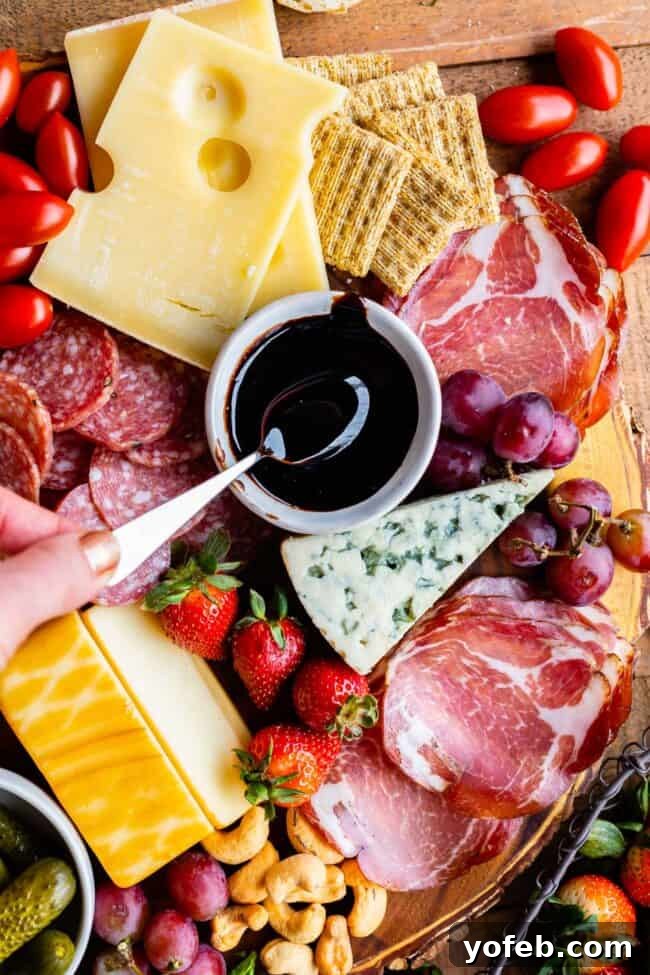
- Cheese Pairings: Especially delicious with robust cheeses like Parmesan, Gruyere, Swiss, or creamy Brie.
- Pasta: A light drizzle over spaghetti or other pasta dishes adds a burst of flavor.
- Grilled Cheese: Take a fancy grilled cheese sandwich (think brie and peaches, or white cheddar and pear) to the next level.
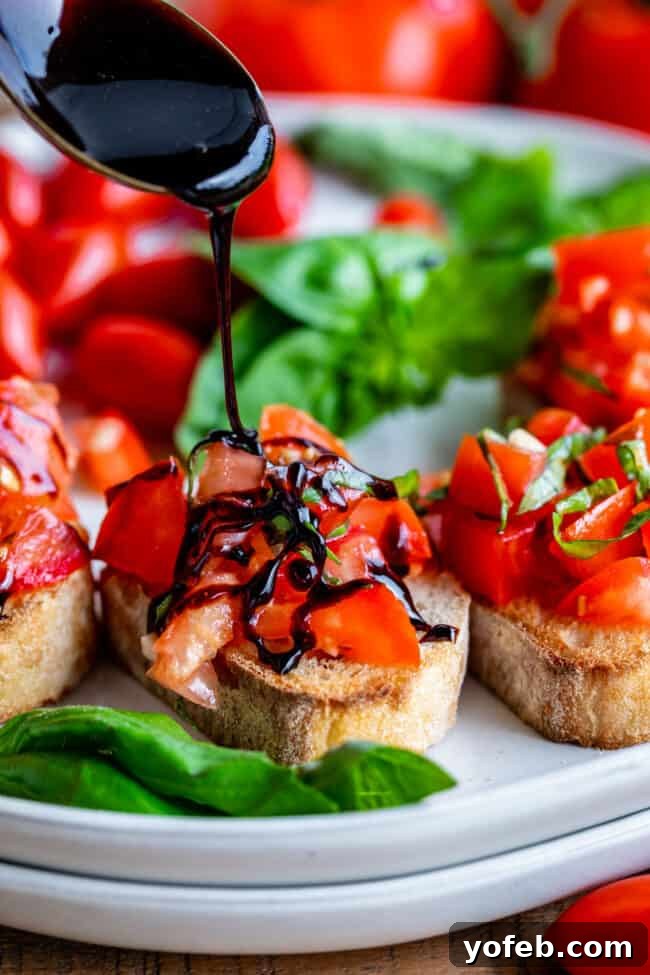
- Crostini or Bruschetta: Drizzle over Crostini or Bruschetta for an elegant appetizer.
Sweet Indulgences
While often associated with savory dishes, balsamic reduction can be surprisingly delightful in sweet applications. Its tangy acidity cuts through richness, creating a wonderfully complex flavor profile. For these uses, you might want to consider adding a sweetener to your reduction (see the next section for tips).
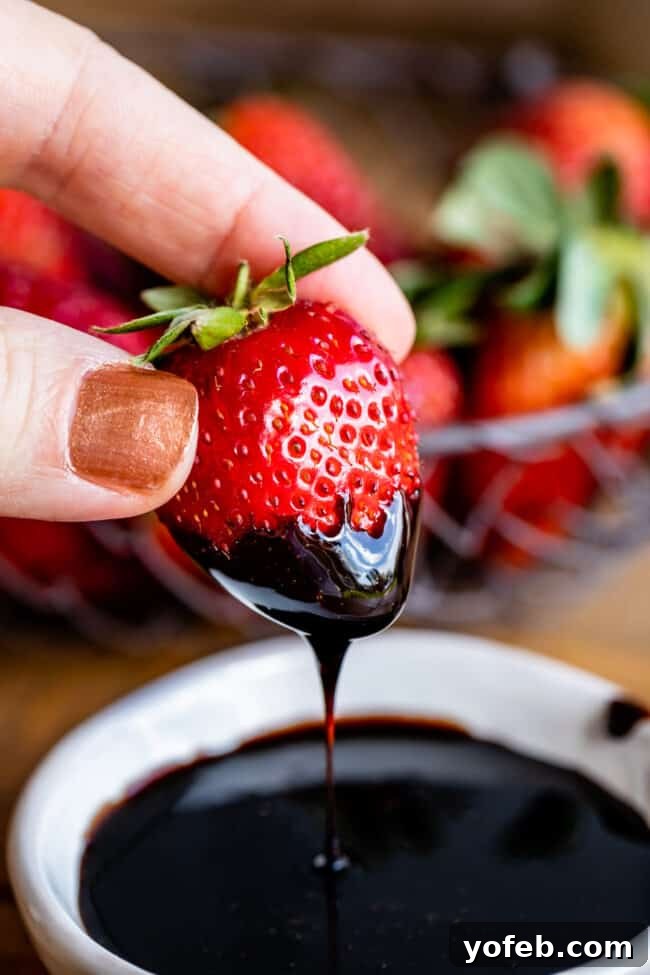
- Strawberries: Dip fresh strawberries into the glaze, or drizzle over them and serve with a dollop of whipped cream. This is a classic and highly recommended pairing!
- Vanilla Ice Cream: A drizzle over vanilla ice cream is unexpectedly delicious, adding a sophisticated twist to a simple dessert.
- Peaches: Drizzle over grilled or fresh peaches for a vibrant and flavorful dessert.
- Cheesecake: Top a cheesecake, especially with fresh strawberries, for an elegant finish.
- Jam or Jelly: Mix a little into your favorite jam or jelly to enhance its flavor before spreading on toast or scones.
Balsamic Reduction Recipe Sweeteners
While balsamic vinegar naturally contains sugars that caramelize during reduction, you might prefer an even sweeter glaze for certain dessert applications. Adding a sweetener can enhance this effect and create a more dessert-friendly condiment. If your primary use for the reduction is with sweet dishes, incorporating a sweetener is highly recommended.
You have several options for sweeteners, each imparting a slightly different nuance:
- Granulated Sugar: A neutral sweetness that lets the balsamic flavor shine.
- Brown Sugar: Adds a hint of molasses and a deeper, more caramel-like flavor.
- Honey: Contributes floral notes and a smooth, rich sweetness.
- Maple Syrup: Offers distinct earthy, woody notes that pair well with the balsamic.
A good starting point for a sweetened balsamic reduction is to use about 6 tablespoons of your chosen sweetener per 1 cup of balsamic vinegar you are reducing. You can, of course, adjust this amount to your personal preference, adding more for a very sweet glaze or less for just a subtle hint of sweetness. For instance, if you’re reducing 3 cups of balsamic vinegar, you might use 18 tablespoons (or 1 cup plus 2 tablespoons) of sweetener.
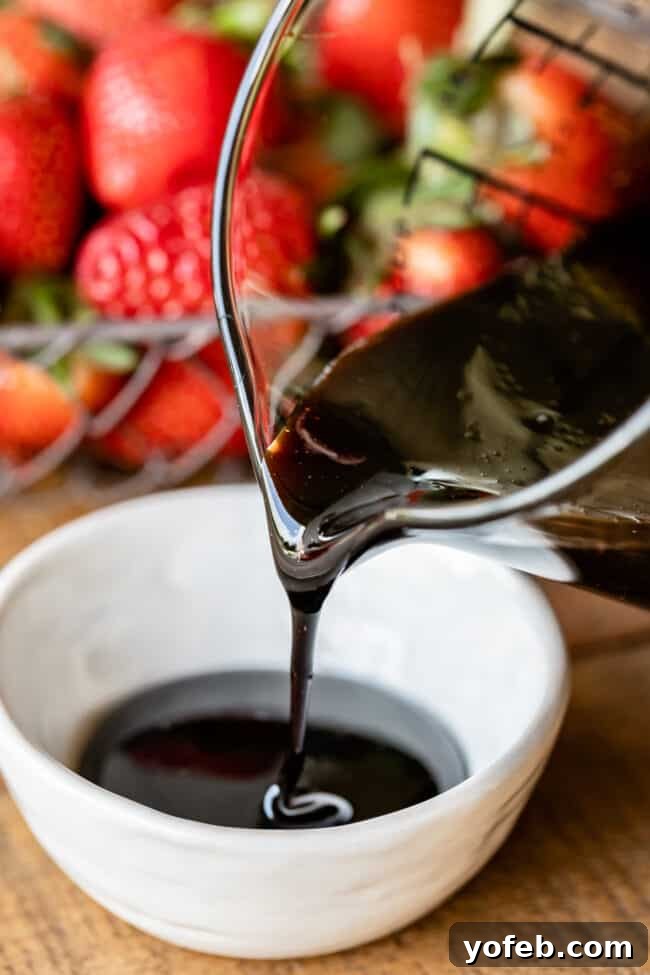
When adding sweetener, always incorporate it at the very beginning of the cooking process, before you start to simmer the vinegar. Stir it well until any granulated sugars are completely dissolved. Then, proceed with the reduction as described in the instructions. This ensures the sweetener fully integrates into the vinegar as it cooks down, resulting in a smooth, even glaze.
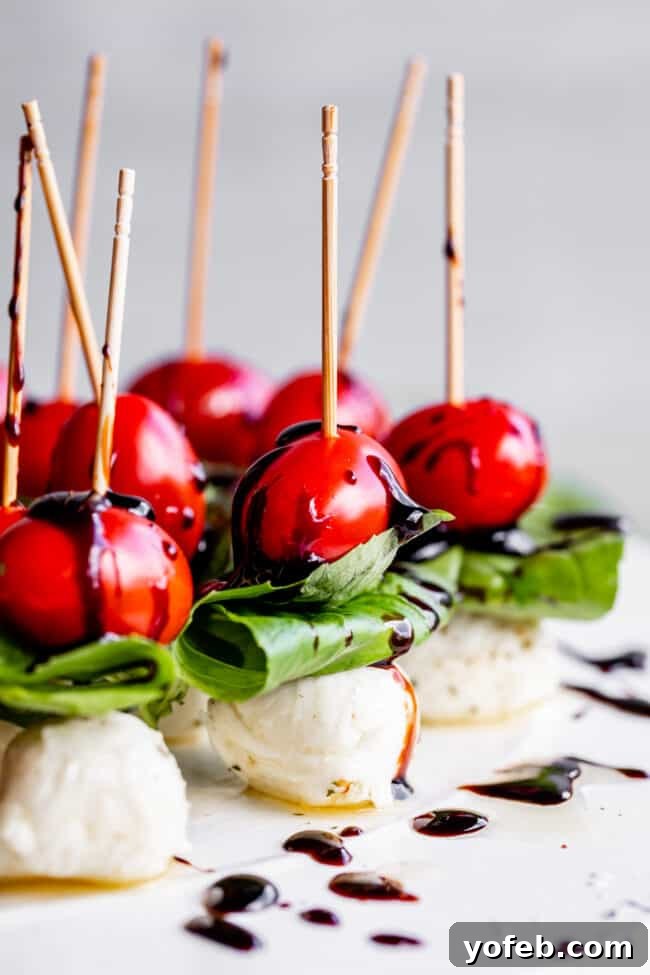
These delightful Caprese Bites, soon to be a favorite appetizer, are perfect with a drizzle of your homemade balsamic reduction! (Update: find the recipe for these Caprese Salad Skewers Appetizer here!)
Storing Balsamic Vinegar Reduction
Proper storage is key to enjoying your homemade balsamic reduction for an extended period. Once cooled completely, transfer the glaze to a clean, airtight container, such as a glass jar with a tight-fitting lid or a squeeze bottle. Store it in the refrigerator. Thanks to the acidity of the vinegar and the reduction process, your balsamic glaze will last for up to 3 months, making it an excellent make-ahead condiment.
It’s important to note that I do not recommend freezing balsamic reduction. Freezing can alter the acid levels and potentially compromise the taste and texture of the glaze upon thawing. Given its impressive shelf life in the refrigerator, freezing is generally unnecessary and best avoided.
Frequently Asked Questions about Balsamic Reduction
Balsamic vinegar vs. glaze?
Balsamic vinegar is the unadulterated liquid you buy in a bottle – dark, sweet, and tangy, often used in salad dressings or marinades. Balsamic glaze, or reduction, is the result of simmering balsamic vinegar until much of its water content evaporates. This process concentrates its flavors and thickens it into a syrupy consistency, making it ideal for drizzling over dishes as a finishing sauce rather than an ingredient.
What does balsamic glaze taste like?
Balsamic glaze boasts a rich, complex flavor profile. It’s intensely tangy yet beautifully sweet, with deep fruity undertones and a slight woody or caramel note from the concentration process. It has a robust, lingering taste that adds significant depth and brightness to both savory and sweet dishes.
How long is balsamic glaze good for?
When stored in an airtight container in the refrigerator, homemade balsamic glaze can last for up to three months. This makes it a fantastic condiment to prepare in advance and have on hand for whenever inspiration strikes!
Can I use cheap balsamic vinegar for reduction?
While a higher quality balsamic vinegar will yield a more complex and flavorful reduction, you absolutely can use an inexpensive one. The reduction process concentrates the flavors, so even a basic balsamic will improve significantly. Just ensure it’s not overly diluted or full of additives. Look for one where grape must is high on the ingredient list.
Why is my balsamic reduction too thin or too thick?
If your reduction is too thin, it simply needs more time on the stove to evaporate further. Continue simmering gently, stirring occasionally, and testing the consistency with the back of a spoon. If it’s too thick after cooling, you can gently reheat it with a splash of water or regular balsamic vinegar until it reaches your desired consistency.
More Culinary Inspiration
Looking for more ways to enhance your cooking with simple yet impactful additions? Explore these delicious ideas:
Explore Other Delicious Condiments
- How to Make Easy Chimichurri Sauce << A vibrant herb sauce perfect for grilled meats and vegetables.
- How to Make Authentic Pico de Gallo << A fresh and zesty salsa that brightens any Mexican-inspired meal.
Recipes Enhanced by Balsamic Reduction
- How to Cook Tri Tip << A drizzle of balsamic glaze would be incredibly tasty on a perfectly cooked tri-tip.
- Easy Baked Meatballs << Make basic meatballs feel fancy with a touch of this glaze.
- How to Cook Flank Steak (Grilled or Oven Broiled) << Finish your expertly cooked flank steak with a glossy balsamic drizzle.
- Slow Cooker Chicken Breast from Recipe Rebel << A simple way to add depth to tender chicken.
- Balsamic Pork Loin from Spend with Pennies << This reduction would naturally complement a balsamic pork loin.
- Simply Home Cooked has a great charcuterie board you could add this reduction to!
Balsamic Reduction Recipe
A simple yet elegant one-ingredient recipe for making rich, syrupy balsamic reduction at home. Perfect for elevating savory dishes, desserts, and appetizers.
Prep time: 5 minutes
Cook time: 15 minutes
Total time: 20 minutes
Yields: 1 cup
Print Recipe
Ingredients
- 1 cup balsamic vinegar
- Optional: sugar, brown sugar, honey, or maple syrup (for sweeter glaze)
Instructions
- Add 1 cup balsamic vinegar to a wide saucepan. The wider your saucepan, the faster the vinegar will reduce due to increased surface area.
- Turn the heat to medium. Stir occasionally until the mixture begins to bubble lightly from the center. Reduce the heat to maintain a very low, consistent simmer. Continue stirring occasionally for about 15-25 minutes.
- The cooking time varies depending on your burner’s power, heat setting, and pan width. Continue to simmer until the mixture has reduced by at least half, or up to one-third of the original volume for a thicker glaze.
- You will know the reduction is done when it has a syrupy, glaze-like consistency and coats the back of a spoon. Remember that it will thicken further as it cools.
- Remove from heat and let cool slightly. Transfer the reduction to an airtight container, such as a mason jar with a lid. Let it cool completely before storing it in the fridge. Balsamic reduction lasts for several months when refrigerated.
Optional Variation: Sweetened Balsamic Reduction
- If using the balsamic reduction for desserts, you might want to add a sweetener. Add up to 6 tablespoons of your preferred sweetener (sugar, brown sugar, honey, maple syrup) for every 1 cup of balsamic vinegar you are reducing. For example, if reducing 3 cups of vinegar, use 18 tablespoons (or 1 cup + 2 tablespoons) of sweetener.
- Stir the sweetener into the balsamic vinegar at the very beginning of the process, ensuring any granulated sugars are fully dissolved before bringing the mixture to a simmer. Then, proceed with the reduction instructions as described above.
Nutrition
Mention @thefoodcharlatan or tag #thefoodcharlatan!