
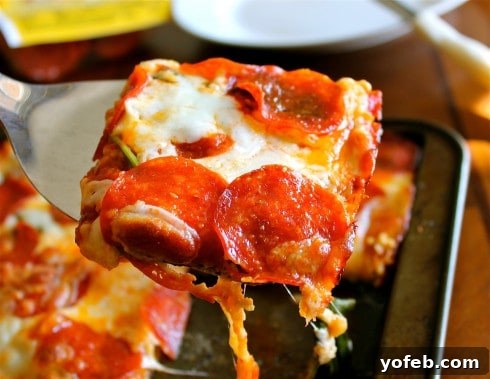
Who’s ready for another slice of pure culinary joy? While it might seem like we just celebrated the wonders of pizza with a pizza-themed recipe last week, the truth is, there’s simply no such thing as too much pizza. This universally adored dish holds a special place in our hearts and homes, often sparking immediate happiness. I vividly recall pizza being one of Charlotte’s first recognizable words, a testament to its undeniable appeal even to the youngest palates. And speaking of enthusiasm, you should have heard Eric’s triumphant cheer on Sunday when he correctly guessed the Super Bowl coin-toss, earning himself a coveted free pizza from Papa Johns. Pizza isn’t just food; it’s an experience, a celebration, and a source of simple, profound joy.
This week, we’re diving deeper into the delightful world of food that tastes like an indulgence but secretly nourishes. This marks the second consecutive recipe I’ve shared that masterfully masquerades as comfort food while being genuinely healthy. Remember the banana ice cream? It’s a testament to the fact that healthy eating doesn’t have to mean sacrificing flavor or satisfaction. Rest assured, I’m not here to trick anyone. My culinary philosophy is simple: if it doesn’t taste good, I’m not eating it. I’m exceptionally particular about flavor, and I believe food should always be an enjoyable experience. If, by some wonderful coincidence, the incredibly delicious recipes I discover or create also happen to be incredibly healthy, well, I can hardly be held responsible for such a happy accident, can I?
Embracing the Gluten-Free Lifestyle: Delicious Solutions for Dietary Needs
Raise your hand if you have friends or family members who are gluten-free. It seems that an increasing number of people are adopting a gluten-free lifestyle these days, whether by choice or due to a diagnosis of celiac disease or gluten sensitivity. This growing trend underscores the importance of having a repertoire of tasty, grain-free recipes readily available. It’s about more than just avoiding certain ingredients; it’s about ensuring everyone can enjoy delicious, inclusive meals. Finding truly satisfying alternatives for beloved dishes like pizza can be a game-changer for those with dietary restrictions.
I recently experienced the profound impact of this firsthand. My friend Gia, who lives with celiac disease, often feels limited by her dietary needs, especially when it comes to comfort foods. The sheer joy on her face, almost to the point of tears, when I told her I had made her a flour-free pizza was incredibly moving. It wasn’t just about the pizza; it was about the thoughtfulness, the ability to partake in a seemingly “normal” meal without compromise, and the realization that healthy, restricted eating doesn’t mean sacrificing flavor or the communal experience of enjoying food together. This moment solidified my commitment to exploring and sharing more delicious, gluten-free options that bring genuine happiness to the table.
The Culinary Genius of Cauliflower: A Game-Changer for Healthy Eating
The star of today’s recipe, and the unsung hero of many modern healthy kitchens, is cauliflower. This incredibly versatile cruciferous vegetable has transcended its traditional role as a simple side dish to become a culinary chameleon, expertly transforming into everything from rice and mashed “potatoes” to steaks and, of course, a fantastic pizza crust. Cauliflower is celebrated not only for its mild flavor and ability to adapt to various preparations but also for its impressive nutritional profile. It’s packed with vitamins C and K, rich in fiber, and low in calories and carbohydrates, making it an ideal ingredient for those seeking nutritious and satisfying alternatives.
When it comes to creating a truly exceptional gluten-free pizza, cauliflower stands out. Its unique texture, when properly prepared, allows it to bind together to form a sturdy yet tender crust that can hold up to generous toppings. The magic lies in how the florets, once steamed and pureed, combine with eggs and cheese to create a dough-like consistency that bakes into a delightful base. It’s a testament to the ingenuity of modern cooking that such a humble vegetable can be transformed into a delicious and healthy foundation for one of the world’s most beloved comfort foods. This isn’t just a substitute; it’s an elevated experience in its own right.
Inspired by the Best: Natalie and Perry’s Plate
My culinary explorations often lead me to incredible sources of inspiration, and lately, I’ve been “stalking” Natalie over at Perry’s Plate. Her website is a treasure trove of truly amazing grain-free recipes that consistently deliver on both flavor and nutritional value. It’s remarkable how some food bloggers consistently produce content that not only looks appealing but genuinely works in the kitchen, making healthy eating accessible and exciting. Her dedication to wholesome, delicious food has made her a go-to resource for many, myself included.
It’s quite telling that this is now the second pizza recipe of hers that I’ve wholeheartedly embraced and shared. When someone consistently crafts recipes that hit all the right notes – especially for something as beloved and often challenging to healthify as pizza – you know you’ve found a true expert. Natalie clearly understands the art of making pizza, particularly grain-free versions, and her expertise shines through in every bite. Her recipes aren’t just instructions; they’re pathways to culinary success, ensuring that even those with specific dietary needs don’t have to miss out on the joy of a perfectly crafted pie.
Understanding the Unique Texture and Taste of Cauliflower Pizza Crust
It’s important to set expectations correctly: this cauliflower crust is not trying to be traditional bread, nor should it be expected to taste exactly like a yeast-based crust. It is, unapologetically, cauliflower. And that’s precisely where its unique charm lies. As Natalie from Perry’s Plate aptly describes it, the texture and flavor profile are somewhat akin to a quiche – a savory, tender, yet firm base. But don’t let that comparison deter you; think of it as quiche that has magically transformed into a pizza, complete with all the familiar, comforting flavors we associate with our favorite cheesy pie. How could that ever be a bad thing?
Instead of the chewy, airy quality of a traditional dough, you’ll find a crust that is delightfully tender on the inside, with a satisfyingly crisp edge when baked just right. Its mild, earthy flavor serves as a perfect canvas for your chosen sauce, cheese, and toppings, allowing their vibrant tastes to truly shine. This crust holds together beautifully, offering a sturdy foundation for every slice, making it an excellent gluten-free and low-carb alternative that doesn’t compromise on the pizza experience. It’s a culinary revelation that proves you can indeed have a delicious, guilt-free pizza without traditional flour.
Cauliflower Pizza Crust (Gluten-Free)
Source: Perry’s Plate
Ingredients:
- 1 large head cauliflower, stems removed and cut into 2-inch florets
- 3 large eggs, preferably at room temperature
- 2 cups shredded mozzarella cheese, plus more for topping
- 1 1/2 teaspoons Italian seasoning, or a blend of your favorite herbs like oregano, thyme, and basil
- 1/2 to 3/4 teaspoon fine sea salt, adjusted to your taste
- Your favorite pizza sauce, additional cheese, and desired toppings
Instructions:
1. Prepare the Cauliflower: Begin by preheating your oven to a robust 450 degrees F (230 degrees C). This high heat is crucial for achieving a crispy crust. Next, prepare a large rimmed baking pan – an 11×17 inch pan works perfectly for a medium-sized pizza. Line it with parchment paper for easy removal and non-stick properties, or use a silicone baking liner. If using parchment, a light spritz of nonstick spray can also help prevent sticking.
2. Cook the Cauliflower: Bring a large pot of lightly salted water to a rolling boil. Add your cauliflower florets and boil or steam them until they are incredibly fork-tender, which typically takes about 10 minutes. The softer they are, the easier they will be to puree. Once cooked, drain the cauliflower thoroughly. This step is critical; excess moisture is the enemy of a crispy crust. For best results, you might even press the cauliflower in a fine-mesh sieve or wrap it in a clean kitchen towel and squeeze out as much water as possible.
3. Process the Cauliflower: Transfer the well-drained, cooked cauliflower to a food processor. Process until it becomes a smooth puree, resembling a thick, creamy paste. Ensure there are no large lumps remaining.
4. Mix the Crust Ingredients: Scoop the cauliflower puree into a large mixing bowl. Add the three eggs, the initial 2 cups of mozzarella cheese, your chosen dried herbs (Italian seasoning works wonderfully), and the salt. Mix everything together very well until all ingredients are thoroughly combined and the mixture forms a cohesive, somewhat sticky “dough.” The eggs and cheese act as binders, helping the crust hold its shape.
5. Form and Bake the Crust: Evenly spread the cauliflower mixture onto the prepared baking sheet. Aim for an even layer, approximately 1/4 to 1/2 inch thick, forming a round or rectangular pizza crust shape. Ensure the edges are slightly thicker to create a nice “rim.” Bake the crust in your preheated oven for about 16-20 minutes, or until the edges begin to turn a beautiful darker golden brown and you see some golden spots appearing on top. This pre-baking step is essential for firming up the crust and developing its flavor.
6. Top and Finish: Carefully remove the partially baked crust from the oven. Now, it’s time for the fun part! Spread your favorite pizza sauce over the crust, leaving a small border for the “crust.” Add your desired toppings – think classic pepperoni, fresh vegetables, grilled chicken, or perhaps some gourmet olives and feta. Finish with a generous layer of additional mozzarella or your preferred cheese. Return the pizza to the oven for another 10-12 minutes, or until the toppings are heated through, the cheese is melted and bubbly, and the crust edges are perfectly crisp and golden.
7. Serve: Let the pizza cool for a few minutes before slicing and serving. This allows the cheese to set slightly, making it easier to cut and ensuring all those delicious toppings stay in place. Enjoy your incredible, healthy, and satisfying gluten-free cauliflower pizza!
The Verdict: A Delicious Path to Healthier Pizza
This Cauliflower Pizza Crust recipe isn’t just an alternative; it’s a revelation. It proves that eating healthy, catering to dietary restrictions like gluten-free, and indulging in beloved comfort foods can all coexist harmoniously. The satisfaction of creating a dish that is both nutritious and incredibly flavorful is unparalleled. No longer do you have to choose between a delicious meal and healthy eating goals; this recipe offers the best of both worlds. So, whether you’re managing a gluten intolerance, looking to incorporate more vegetables into your diet, or simply curious to try a new culinary adventure, this cauliflower pizza crust is an absolute must-try. It’s a testament to the fact that with a little creativity and excellent inspiration, food can always be a source of joy, nourishment, and delicious memories for everyone at the table.