
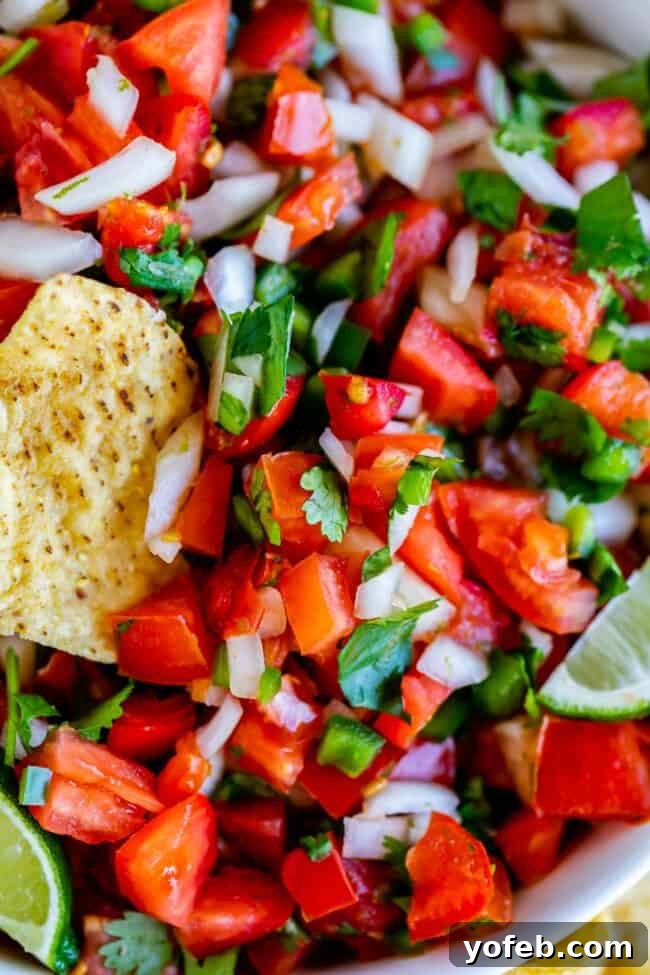
Welcome to the ultimate guide to making the freshest, most vibrant Pico de Gallo you’ve ever tasted! This simple yet sensational Mexican salsa is a true culinary masterpiece, combining humble ingredients like ripe tomatoes, crisp onions, fiery jalapeños, fragrant cilantro, and zesty lime juice. It’s an appetizer, a topping, and a flavor enhancer that will completely transform your perception of Mexican cuisine. Forget store-bought alternatives; once you experience the explosion of fresh flavors from homemade Pico de Gallo, your tacos, nachos, and burritos will never be the same. This recipe is straightforward, relies on the quality of its fresh components, and is guaranteed to become a staple in your kitchen. Originally published September 4, 2019, this timeless recipe continues to delight and is now presented with enhanced details and tips for perfection.
Table of Contents
- Why Pico de Gallo is a Must-Have
- What is Pico de Gallo?
- Pico de Gallo Versus Salsa Verde and Other Salsas
- The Meaning Behind “Pico de Gallo”
- Essential Pico de Gallo Ingredients
- Mastering the Chop: How to Make Pico de Gallo
- Creative Ways to Serve Pico de Gallo
- Storing Your Fresh Pico de Gallo Salsa
- Pico de Gallo Recipe FAQs
- Pico De Gallo Salsa Recipe
Why Pico de Gallo is a Must-Have
There’s something truly magical about a dish that takes minimal effort but delivers maximum flavor. Pico de Gallo is exactly that. It’s not just a condiment; it’s a celebration of fresh, vibrant ingredients that come alive when combined. Whether you’re hosting a backyard barbecue, bringing a dish to a potluck, or simply enjoying a casual Taco Tuesday at home, a generous bowl of homemade Pico de Gallo is always a crowd-pleaser. It’s light, refreshing, and incredibly versatile, elevating nearly any meal it accompanies. Plus, made almost entirely of fresh vegetables, it’s a remarkably healthy addition to your diet (we’ll count the tortilla chips as “healthy-ish”!). Prepare a large batch, and you’ll find yourself reaching for this incredible salsa again and again.
What is Pico de Gallo?
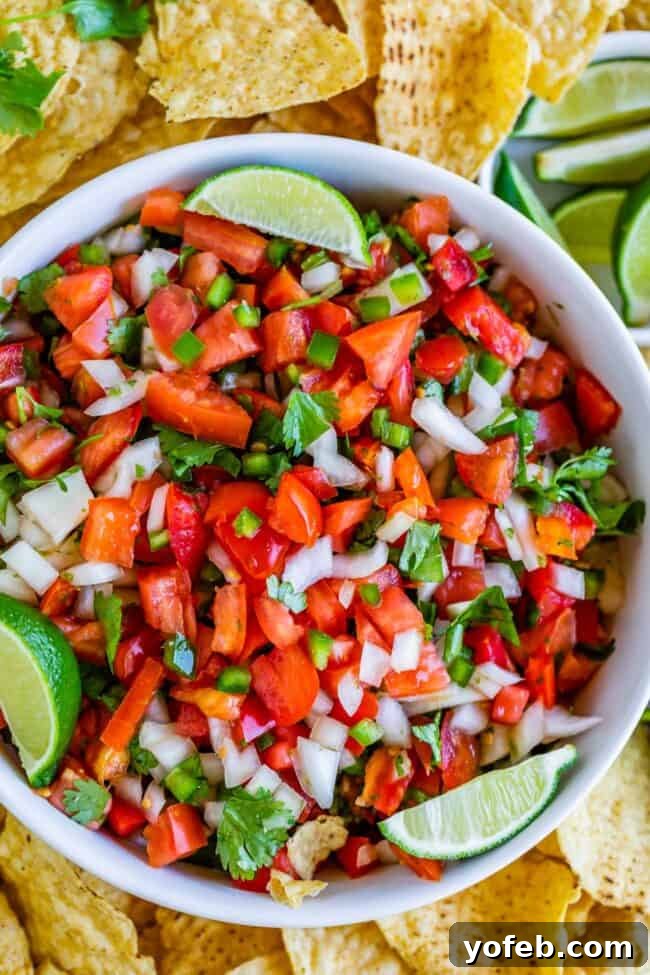
At its heart, Pico de Gallo is a fresh, uncooked Mexican salsa, often referred to as “salsa fresca” (fresh salsa) or “salsa cruda” (raw salsa). Unlike many blended salsas you might find at restaurants, Pico de Gallo boasts a chunky, vibrant texture, with each ingredient distinctly diced. The traditional recipe calls for just six core components: ripe tomatoes, white onion, jalapeño peppers, fresh cilantro, lime juice, and salt. Our recipe adds a touch of garlic and a pinch of ground cumin, which, while not strictly traditional, significantly amplifies the depth of flavor, making it even more irresistible.
For those who have yet to experience this culinary delight, imagine the crisp bite of fresh tomato, the subtle pungency of onion, the bright kick of jalapeño, and the aromatic burst of cilantro, all brought together with the tang of lime and perfectly balanced with salt. It’s a symphony of textures and flavors that awakens the palate. These seemingly simple ingredients, when combined with care, create an extraordinary appetizer that truly tastes like heaven on a salty tortilla chip. Don’t deprive your taste buds any longer – gather these ingredients and prepare to be amazed!
Pico de Gallo Versus Salsa Verde and Other Salsas
While Pico de Gallo is indeed a type of salsa, it holds a distinct place in the world of Mexican condiments. The primary distinction lies in its preparation and texture. Many popular salsas, such as restaurant-style red salsa or salsa verde, are typically blended or cooked, resulting in a smoother, more liquid consistency. They often feature roasted tomatoes, tomatillos, or various chiles, cooked down to meld their flavors. These salsas are fantastic for smothering enchiladas or adding to stews.
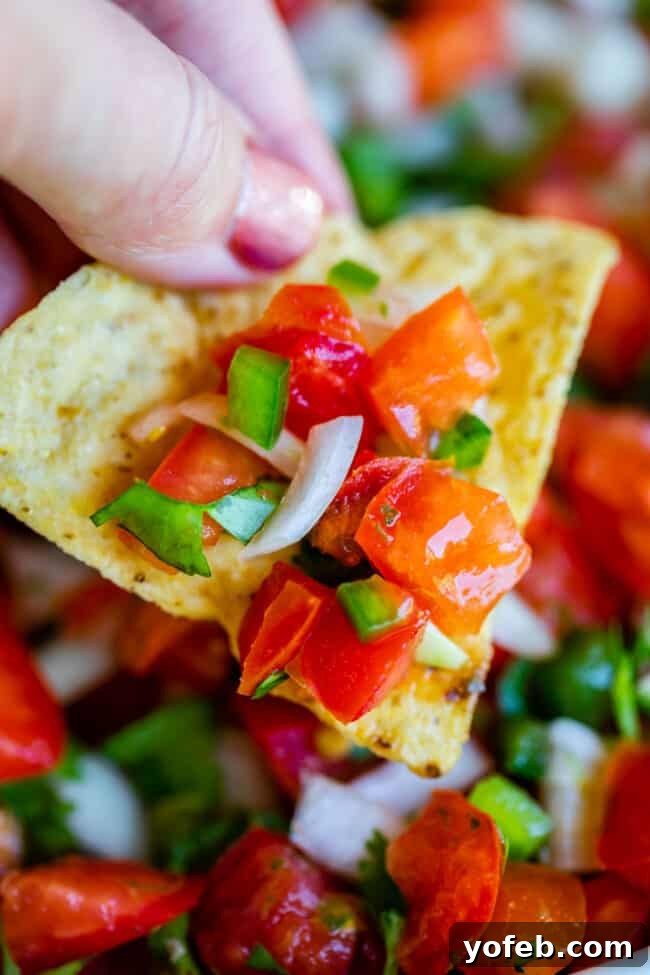
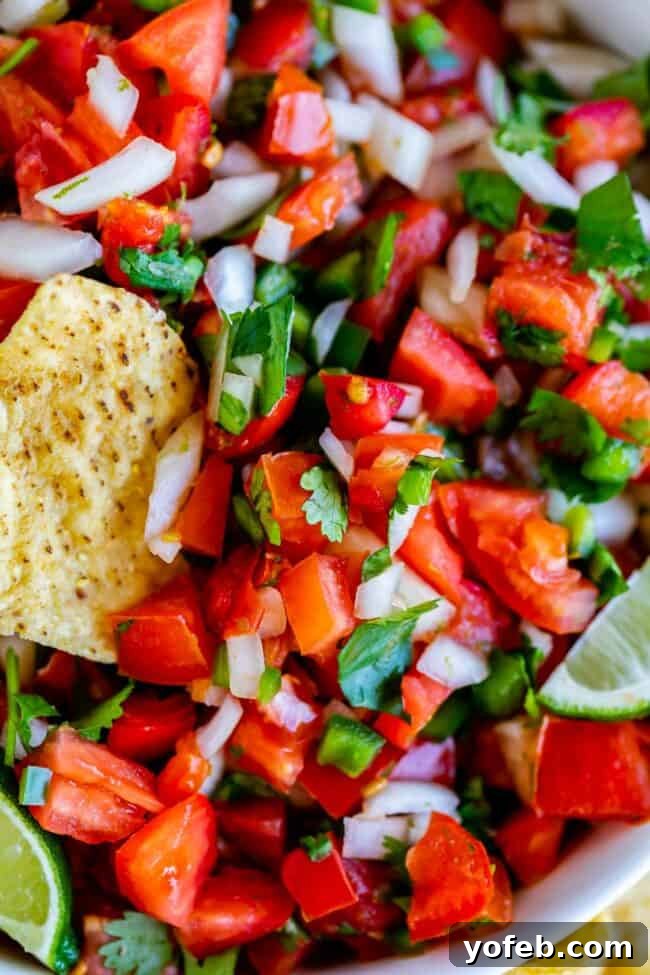
Pico de Gallo, on the other hand, is always fresh and raw. It’s defined by its chunky texture, a result of finely diced (not blended) fresh ingredients. The clear separation of ingredients like tomatoes, onions, jalapeños, and cilantro allows each component to shine through, providing a burst of crispness and individual flavor in every bite. This “chopped salad” style is what gives Pico de Gallo its unique appeal and makes it ideal for spooning onto dishes where its fresh texture can be appreciated.
Featured Comment
“Really fantastic flavor! I’ve made this two times already and we’re making it this week to go with our Mexican bowls. Thank you for such a great recipe!” – Lindsay
See All Comments
The Meaning Behind “Pico de Gallo”
The name “Pico de Gallo” is quite intriguing, literally translating to “rooster’s beak” in Spanish. This peculiar name has sparked several theories, none of which are definitively proven, adding a layer of mystique to this beloved salsa.
One popular theory suggests that the finely diced vegetables in Pico de Gallo resemble bird feed, something a rooster might peck at with its beak. Another explanation posits that the traditional way of eating it—pinching the small pieces between the thumb and forefinger—mimics the action of a rooster’s beak. Some believe the vibrant red color of the tomatoes against the green cilantro and white onion might have visually inspired the name, perhaps resembling a rooster’s comb or vibrant plumage. While we may never know the exact origin, the whimsical name certainly adds to the charm of this fresh Mexican classic.
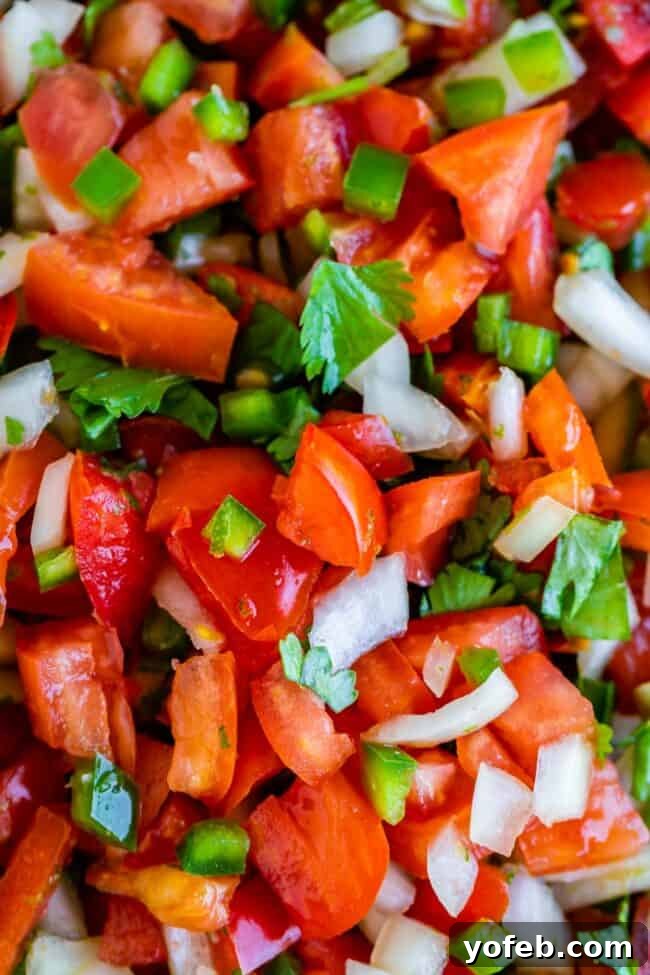
Essential Pico de Gallo Ingredients
Creating the best Pico de Gallo starts with selecting the freshest, highest quality ingredients. Each component plays a vital role in the overall flavor and texture. Here’s a quick shopping list to get you started, along with some insights into why each ingredient matters:
- **Tomatoes:** The heart of Pico de Gallo. Choose ripe, firm tomatoes like Roma (plum tomatoes) or vine-ripened varieties. Roma tomatoes are often preferred for their lower water content, which helps prevent the salsa from becoming too watery too quickly. The riper the tomato, the sweeter and more flavorful your salsa will be.
- **Onion:** Provides a crucial bite and pungent freshness.
- **Garlic:** An optional but highly recommended addition that adds a foundational layer of savory aroma.
- **Jalapeno Peppers:** Bring the essential heat. You control the spice level by how much membrane and how many seeds you leave in.
- **Cilantro:** The signature herb, adding a bright, citrusy, and slightly peppery note. Use fresh, vibrant green bunches.
- **Lime:** Freshly squeezed lime juice is non-negotiable for brightness and acidity. The zest is also key for maximum citrus punch.
- **Ground Cumin:** Our secret ingredient for an earthy, warm depth of flavor that complements the fresh elements beautifully.
- **Salt:** Essential for enhancing and balancing all the flavors. Don’t be shy, but season to taste.
- **Tortilla Chips:** For serving, of course! (Juanita’s, now sold as Juantonio’s, are legendary if you can find them!)
Best Onion for Pico de Gallo
When it comes to onions, you have a few excellent choices for Pico de Gallo, and each brings a slightly different characteristic to the table. White onions are often considered the most traditional choice, offering a sharp, crisp flavor that stands up well against the other ingredients. Yellow onions are also a great option, providing a slightly milder, sweeter profile when raw. Red onions, with their beautiful purple hue, add a touch of color and a distinctly sweeter, milder flavor than white onions. The best onion truly comes down to personal preference. If you enjoy a stronger, more classic pico flavor, go with white or yellow. If you prefer a gentler onion presence, red is an excellent choice. The key is to choose an onion that you enjoy eating raw, as its flavor will be prominent in the salsa.
Mastering the Chop: How to Make Pico de Gallo
Making Pico de Gallo is incredibly simple, relying more on your chopping skills than complex cooking techniques. The beauty lies in the uniform size of the dice, ensuring a balanced bite every time. Just chop, toss, and enjoy!
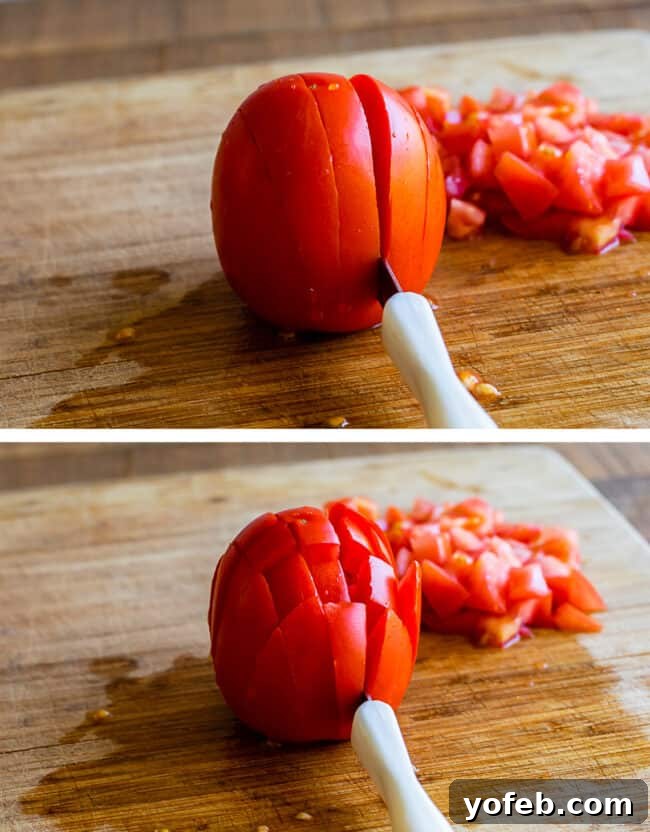
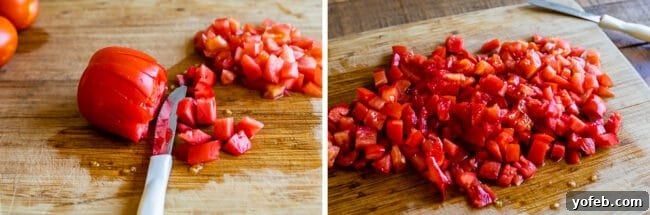
Here’s a detailed guide to achieving that perfect Pico de Gallo texture:
- **Tomatoes:** Begin by dicing your tomatoes into approximately 1/2-inch pieces. The size is crucial here. Dicing them too small will cause them to release excessive liquid, resulting in a watery pico. A 1/2-inch dice provides the ideal texture and ensures your salsa remains chunky and fresh.
- **Onions:** Chop your onion into slightly smaller pieces than your tomatoes, aiming for about 1/4-inch dice. This allows the onion flavor to be present without overpowering the other ingredients and integrates well into the overall texture.
- **Garlic:** If using, mince your garlic very finely. This ensures its potent flavor is evenly distributed throughout the salsa without any large, raw pieces.
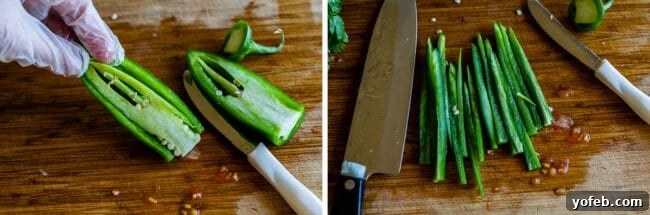
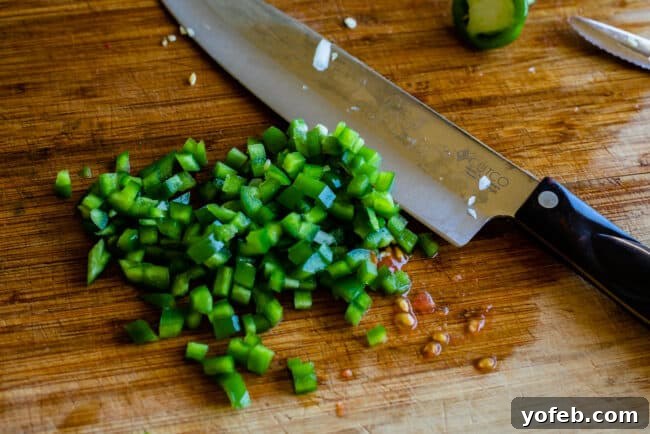
- **Jalapeños:** This is where you control the heat! Slice the jalapeños in half lengthwise. For a milder salsa, remove all the seeds and the white membrane (the pith) inside, as these contain most of the capsaicin (the compound responsible for the heat). If you like a medium spice level, leave some of the white membrane. For truly spicy pico, you can leave some or all of the seeds. Once prepared, finely dice the jalapeños into small pieces. A word of caution: always use gloves when handling jalapeños, and avoid touching your face or eyes. Pepper residue can cause extreme discomfort!
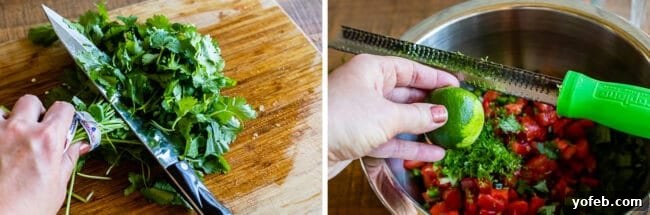
- **Cilantro:** Wash your cilantro thoroughly and pat it dry. Chop the leaves and tender stems finely. A finer chop ensures the cilantro’s aromatic flavor is well distributed throughout the salsa. The amount of cilantro is entirely up to your preference; some love a lot, others prefer just a hint.
- **Lime Zest and Juice:** Before juicing your limes, make sure to zest them! The zest contains concentrated citrus oils that add an incredible burst of flavor that juice alone cannot replicate. A microplane grater is ideal for this task, yielding fine, flavorful zest. Then, juice the limes into the bowl.
- **Seasoning:** Add your salt and cumin (if using). Salt is a flavor enhancer, and a good amount is necessary to bring out the best in the fresh vegetables. Don’t underestimate its importance; a bland pico is often just under-salted.
- **Combine and Taste:** Gently combine all the chopped ingredients in a bowl. Stir everything together thoroughly to ensure all flavors are integrated. Then, taste and adjust! You might need a little more salt, a squeeze more lime, or even an extra pinch of cumin to achieve your perfect balance.
Creative Ways to Serve Pico de Gallo
While Pico de Gallo is famously paired with tortilla chips, its versatility extends far beyond that classic combination. This fresh salsa is an incredible complement to almost any Mexican dish and can elevate a wide array of other meals. Here are some of our favorite ways to enjoy this vibrant condiment:
- **Mexican Classics:** Absolutely essential for tacos (carnitas, al pastor, fish tacos), enchiladas, burritos, and burrito bowls. Its freshness cuts through richness and adds a welcome zest.
- **Grilled Meats and Fish:** Spoon it over grilled chicken, steak, or any white fish for a burst of fresh flavor. It acts as a bright, healthy sauce that enhances the natural taste of the protein.
- **Eggs and Breakfast Dishes:** Add a scoop to scrambled eggs, omelets, or breakfast burritos for a lively start to your day. It’s also fantastic with huevos rancheros.
- **Salads:** Use it as a vibrant salad topper for an instant Mexican-inspired salad.
- **Avocado Toast:** Take your avocado toast to the next level with a spoonful of Pico de Gallo.
- **Quesadillas and Nachos:** A dollop of fresh pico brightens up cheesy quesadillas and rich nachos, providing a much-needed textural contrast and acidity.
- **Soups:** As mentioned, it’s a perfect fresh topping for Chicken Enchilada Soup or Chicken Tortilla Soup, adding a fresh element to warm, hearty bowls.
The options are truly endless! Feel free to experiment and discover your own favorite combinations with this dynamic salsa.
Storing Your Fresh Pico de Gallo Salsa
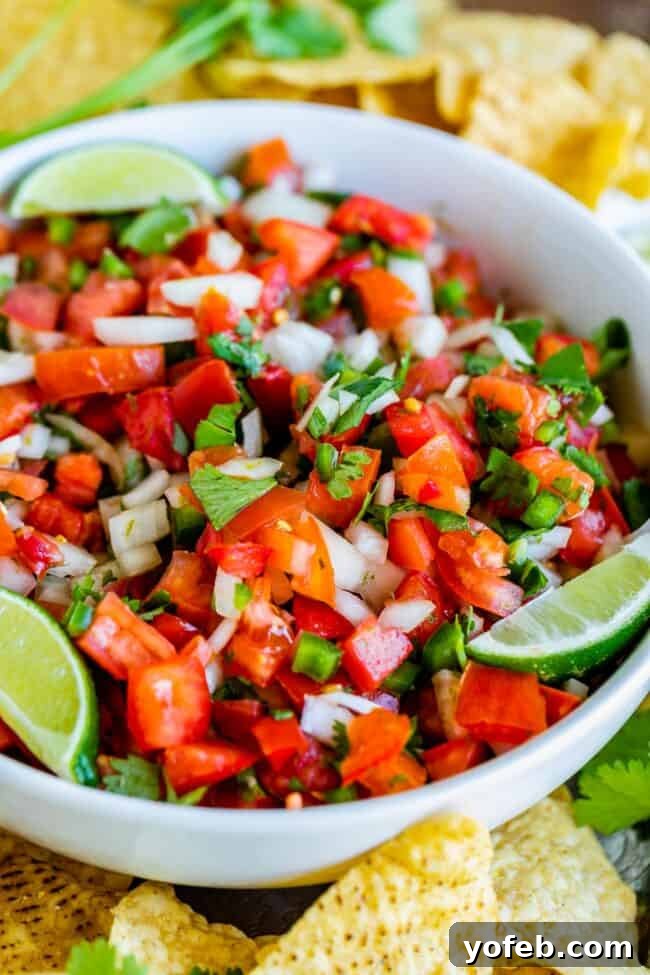
Pico de Gallo is at its absolute best when it’s freshly made, ideally within an hour or two of preparation. The vibrant flavors and crisp textures are unparalleled. However, you can store leftover Pico de Gallo in an airtight container in the refrigerator for 2-3 days.
You’ll notice that over time, especially after refrigeration, the tomatoes and onions will release their juices, causing the salsa to become more watery. While you can drain this liquid before serving, be aware that some flavor will be lost. To minimize wateriness, ensure your tomatoes are not overly ripe and consider using Roma tomatoes which have less internal liquid. For the freshest experience, we recommend making only the amount you anticipate consuming within a day or two.
Freezing Pico de Gallo is generally not recommended if you desire to maintain its original fresh, crisp texture. The high water content in the vegetables will cause them to become mushy and watery upon thawing, significantly altering the consistency. However, if you find yourself with a surplus and hate to waste it, you can freeze it in a freezer-safe bag or container. While it won’t be suitable for dipping with chips, this frozen pico can be a fantastic addition to cooked dishes like tortilla soup, chili, or even a base for a quick sauce, where its altered texture won’t be an issue.
Pico de Gallo Recipe FAQs
On its own, Pico de Gallo is incredibly healthy! It’s primarily composed of fresh vegetables, lime juice, and salt, making it low in calories and packed with vitamins and minerals. The health benefits largely depend on what you pair it with. Enjoying it with grilled chicken or as a salad topping is very healthy, while a giant plate of cheesy nachos might tilt the scale a bit. But as a fresh, vibrant condiment, it’s an excellent choice for adding flavor without guilt.
Pico de Gallo naturally releases liquid over time as the salt draws water out of the tomatoes and onions. To minimize this, use firm, ripe Roma tomatoes, which have fewer seeds and less internal liquid compared to larger slicing tomatoes. Dicing your tomatoes to about a 1/2-inch size rather than very finely also helps, as smaller pieces release moisture faster. If your pico does get watery after sitting, simply drain the excess liquid before serving. While it’s best consumed fresh, you can still enjoy 3-day-old refrigerated pico by simply draining it!
Roma tomatoes (also known as plum tomatoes) are often considered ideal for Pico de Gallo due to their firm flesh and lower water content, which helps prevent the salsa from becoming too watery. Vine-ripened tomatoes or other flavorful, firm varieties also work wonderfully. The most important factor is ripeness: choose tomatoes that are deeply colored, firm but yield slightly to gentle pressure, and smell fragrant.
While a food processor can speed up chopping, it’s generally not recommended for Pico de Gallo. A food processor tends to chop ingredients too finely and unevenly, often turning them into a mushy consistency rather than distinct, chunky pieces. This also causes ingredients to release too much liquid, leading to a watery salsa. Hand-chopping ensures you get that classic, desirable chunky texture that defines Pico de Gallo.
The spice in Pico de Gallo primarily comes from the jalapeño peppers. To make it milder, remove all the seeds and the white pith (membrane) from the jalapeño before dicing; these parts contain most of the heat. For more heat, leave some or all of the white membrane. For an even spicier kick, you can include some of the seeds, or substitute jalapeños with serrano peppers, which are generally hotter. Always taste a small piece of the pepper first to gauge its intensity!
More Recipes Like This That You Are Going to Love!
- 5 Minute Restaurant Style Salsa << This truly tastes like what you get at your favorite Mexican restaurant!
- Mexican Street Corn Dip (Elote) << An irresistible creamy, cheesy, and spicy dip.
- Carol’s Legendary 7 Layer Bean Dip << A classic party dip – perfect with Pico de Gallo on top!
- Easy Rotisserie Chicken Nachos << Quick and satisfying, made even better with fresh Pico.
- Chicken Flautas (Taquitos) << Crispy, savory, and absolutely divine with a side of Pico de Gallo.
- Tzatziki Sauce Recipe (With Toasted Za’atar Pita) << A refreshing, healthy dip from a different culinary tradition.
- How to Make Easy Chimichurri Sauce << While a sauce, its fresh, herbaceous flavors make it a surprising contender for a dip.
- Corn Salsa with Lime << A delightful, sweet, and tangy salsa that’s always a hit.
- Slow Cooker Salsa Verde Corn Dip from Melanie Makes << A warm, comforting dip for any occasion.
- Best Watermelon Salsa Recipe from Reluctant Entertainer << For a refreshing, unexpected twist on salsa.
- Grilled Salmon with Avocado Salsa from The Cookie Rookie << A flavorful and healthy meal topped with fresh salsa.
Facebook | Pinterest | Instagram

Pico De Gallo Salsa
Ingredients
- 6-8 ripe tomatoes, roma or vine ripe, chopped (3 and 1/2 cups)
- 1 medium onion*, chopped
- 1-2 cloves garlic, to taste (optional)
- 2 jalapeno peppers, chopped small
- 1/2 bunch cilantro, chopped (about 1/2 cup, or to taste)
- 2 limes, zested and juiced
- 2 teaspoons salt
- 1/2 teaspoon cumin, optional
- tortilla chips, to serve
Instructions
-
Start by chopping your tomatoes into about a 1/2 inch dice. You should end up with about 3 and 1/2 cups, depending on the size of your tomatoes. Note: The smaller you chop your tomatoes, the more watery (juicy) your pico is going to end up. If that’s your thing, dice as small as you like. But if you want a traditional texture for your pico, go with a 1/2 inch dice.
-
Chop a medium onion. You want the onion pieces to be just a little smaller than your tomatoes.
-
Smash and mince 1-2 cloves of garlic. This ingredient is optional, but I love the flavor it adds!
-
Slice the jalapenos in half and remove the seeds and membranes. (Use gloves if you plan to rub your eyes in the next 12 hours.) Leave in some of the white membrane if you like your dip to be extra spicy. (Leave the seeds in if you want it REALLY spicy.) Dice the jalapenos into small pieces.
-
Wash the cilantro and trim the stems from about half of the bunch. Chop the leaves finely. (The amount of cilantro you add is entirely up to you. Add the whole bunch if you like, or 1/4 cup if cilantro is not your favorite.)
-
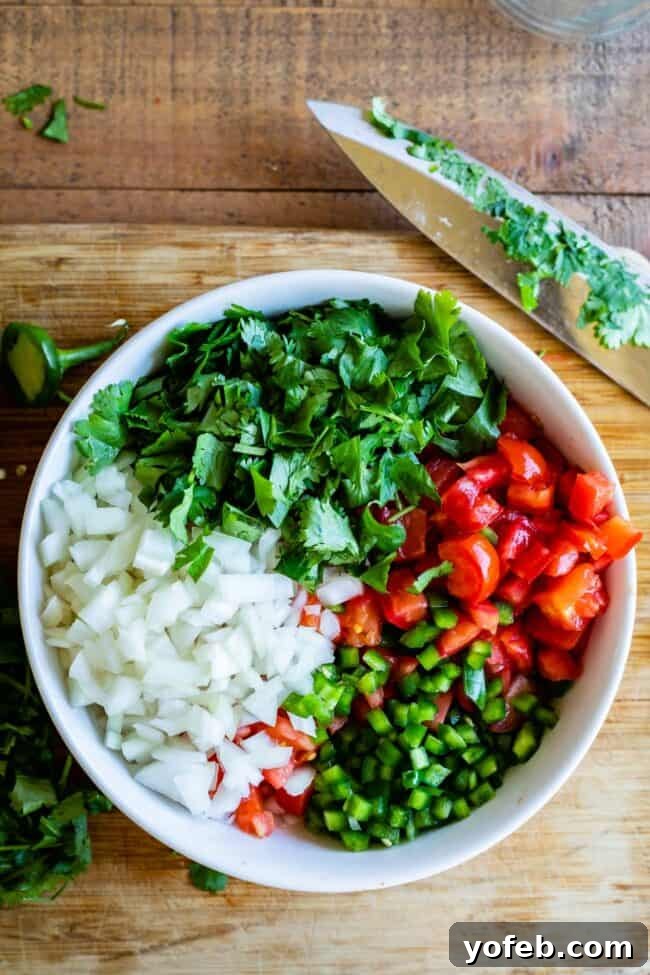
Add the tomatoes, onion, garlic, jalapenos, and cilantro to a medium bowl.
-
Zest 2 limes into the bowl. I love to use my microplane grater, it makes zesting so easy.
-
Add the juice from the limes into the bowl.
-
Add 2 teaspoons salt. Add 1/2 teaspoon cumin (this is optional but I recommend it!)
-
Stir everything together and adjust the salt as necessary.
-
Toss gently and serve immediately, or chill for 1 hour and serve. Serve with tortilla chips or top your favorite Mexican food with Pico de Gallo, you can’t go wrong!
-
Pico de Gallo will keep in the fridge for about 2 days before it starts getting very liquid-y. You can always strain out the liquid, but you lose a lot of flavor. It’s best served on the day it’s made.