
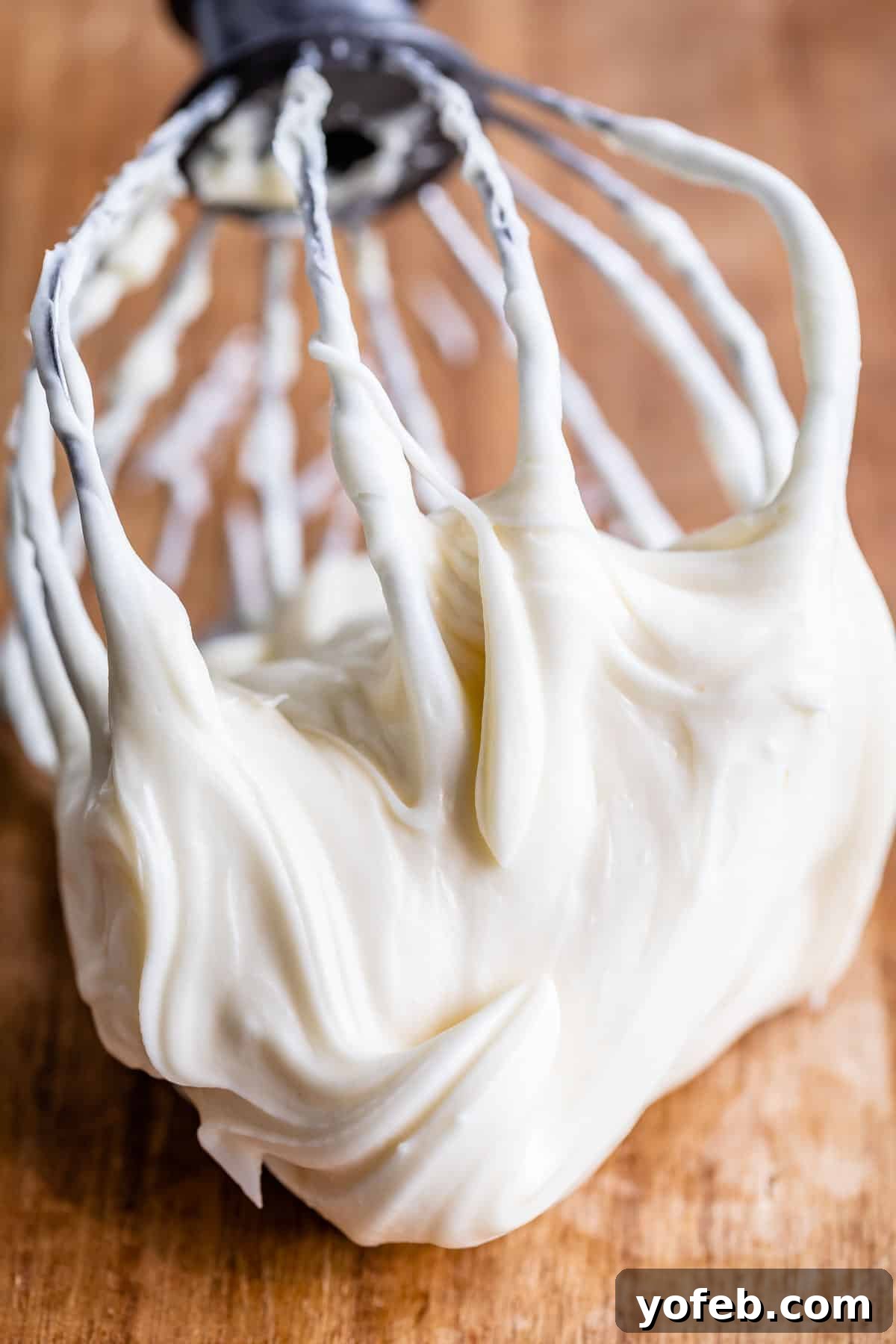
Every home baker deserves a truly exceptional Cream Cheese Frosting recipe. This timeless classic is the perfect companion for an incredible array of cupcakes, indulgent cakes, and delightful cookies. Its signature blend of sweet and tangy, combined with a light and fluffy texture, creates an irresistible treat. This comprehensive guide will walk you through each step, ensuring you achieve that flawless texture every single time. With just a hint of lemon and vanilla, the flavors truly sing. Imagine this luscious frosting adorning your homemade Red Velvet Cake or a comforting Spice Cake. For those seeking an even lighter experience, be sure to explore its delightful cousin, Whipped Cream Cheese Frosting.
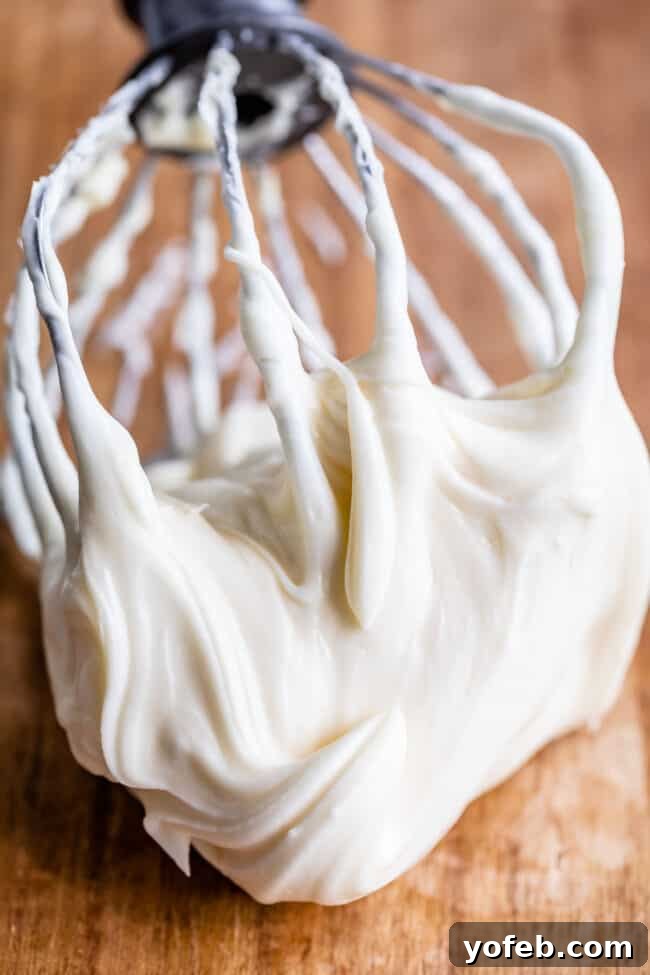
Table of Contents
- The Ultimate Cream Cheese Frosting
- What Makes This Recipe Stand Out?
- Essential Ingredients for Perfect Cream Cheese Frosting
- Can You Substitute Low-Fat or Whipped Cream Cheese?
- Exciting Flavor Variations for Your Cream Cheese Frosting
- Step-by-Step Guide to Making Flawless Cream Cheese Frosting
- Troubleshooting Common Cream Cheese Frosting Issues
- How to Use and Apply Your Cream Cheese Frosting
- Storage Tips for Fresh and Frozen Cream Cheese Frosting
- Frequently Asked Questions About Cream Cheese Frosting
- Delicious Desserts That Pair Perfectly with Cream Cheese Frosting
- Homemade Cream Cheese Frosting Recipe
Life in the kitchen, much like life with a growing family, is full of delightful surprises and occasional head-scratchers. Just the other day, my youngest, Edison, who isn’t even a year old, was practicing his “fake crying.” It was quite convincing, leading me to muse aloud, “Oh man, he sounds pathetic!” My nine-year-old, Charlotte, immediately pounced: “What does pathetic mean?”
Explaining words can be surprisingly tricky, can’t it? We know what they mean, feel them in our bones, but putting it into simple terms for a curious child often leaves us trailing off into a confused silence. “Pathetic is like… you know, when something is so… anyway.” Major kudos to dictionary writers, those unsung heroes of clarity!
After a quick phone search, the definition surfaced: “arousing pity, especially through vulnerability or sadness.” As I read it out loud, with Edison’s dramatic wails still echoing, Charlotte sagely observed, “Well, Edison has been very successful in his life so far.” Touché, indeed! A baby’s life mission: accomplished, perhaps through the art of strategic fake crying.
The Ultimate Cream Cheese Frosting
Now, let’s turn our attention from philosophical musings to something universally delightful: homemade cream cheese frosting! Do you have a favorite recipe that consistently delivers? After countless experiments and a deep dive into what makes this frosting truly special, I’m thrilled to share my go-to recipe with you. It’s the one I return to again and again, and I’m confident it will become yours too.
What Makes This Recipe Stand Out?
This isn’t just any cream cheese frosting; it’s everything you could possibly desire in a rich, velvety topping. Prepare for a frosting that is:
- Irresistibly Creamy and Smooth: Every bite is a testament to its perfectly emulsified texture, free from any undesirable lumps.
- Perfectly Tangy: It strikes that coveted balance, offering a distinct cream cheese flavor that isn’t overwhelmed by sweetness. You’ll truly feel that “cream cheesiness” in your soul!
- Not Overly Sweet: Many recipes err on the side of too much sugar, making the cream cheese almost undetectable. This recipe ensures the star ingredient shines through, creating a sophisticated and balanced flavor profile.
Featured Comment
“This is the bomb! Best cream cheese frosting ever! Thanks for all of the tips.” – Cecilia
See All Comments
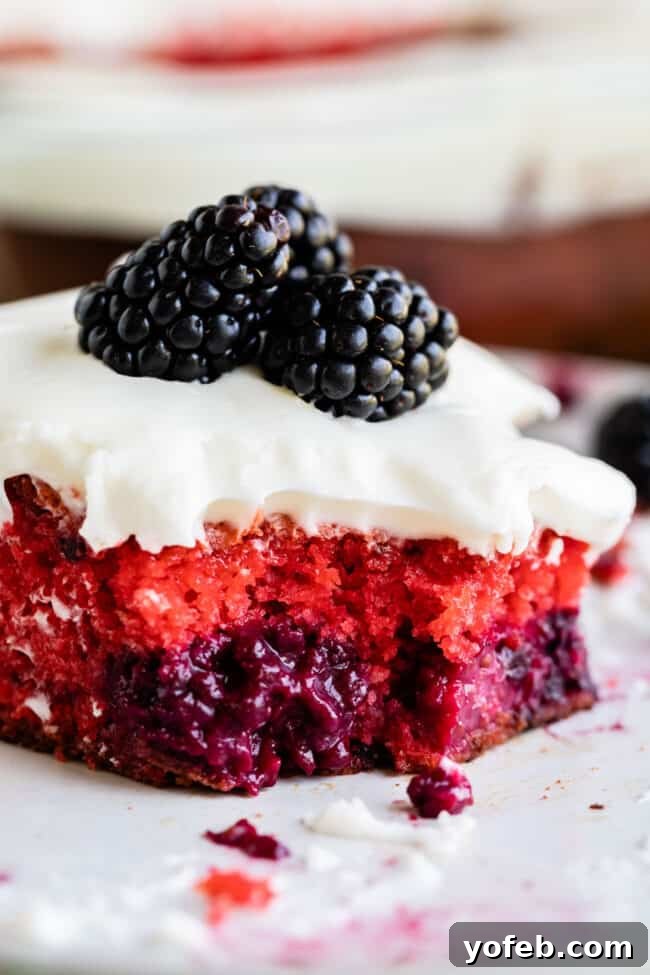
Blackberry Cake with Cream Cheese Frosting
Essential Ingredients for Perfect Cream Cheese Frosting
Crafting the perfect cream cheese frosting begins with selecting the right ingredients. Each component plays a vital role in achieving that sought-after texture and flavor. For a precise ingredient list, you can jump to the recipe card at the end of this post!
- Full-Fat Cream Cheese: This is non-negotiable for a truly luscious frosting. While I jokingly mentioned a certain brand, Philadelphia cream cheese genuinely stands out for its superior texture and flavor. Try a side-by-side comparison with a generic brand, and you’ll immediately taste the difference. Its richness is key to a stable and delicious frosting.
- Butter (Softened): I typically reach for salted butter, as the salt helps to balance the sweetness. However, unsalted butter works perfectly well, especially if you prefer more control over the salt content. The critical factor is ensuring your butter is properly softened to room temperature, which allows it to cream smoothly without lumps.
- Powdered Sugar (Confectioners’ Sugar): This fine sugar is crucial for a smooth, melt-in-your-mouth frosting. If your powdered sugar is clumpy, make sure to sift it. Skipping this step can lead to a grainy or lumpy frosting, which is far from ideal.
- Good Quality Vanilla Extract: Vanilla isn’t just a background flavor; it adds depth, warmth, and a comforting aroma that elevates the entire frosting. Invest in a good quality pure vanilla extract for the best results.
- Fresh Lemon Juice (Optional but Highly Recommended): A touch of fresh lemon juice is my secret weapon. It doesn’t make the frosting taste like lemon; rather, it brightens the flavors and enhances the natural tanginess of the cream cheese, adding a delightful “pop.” While technically optional, I strongly encourage you to try it.
- Kosher Salt: Never underestimate the power of salt in sweet recipes! It’s a flavor amplifier, bringing out the best in all the other ingredients and perfectly cutting through the sweetness. If you’re using salted butter, start with less salt and adjust to taste.
Can You Substitute Low-Fat or Whipped Cream Cheese?
A resounding no! Resist the temptation. The fat content in full-fat cream cheese is what gives this frosting its structure, richness, and classic texture. Without sufficient fat, your frosting will likely be runny, unstable, and lack the creamy consistency you desire.
Some recipes might suggest using a small amount of low-fat, spreadable, or whipped cream cheese for flavor, but by the time you add enough butter to achieve a proper frosting consistency, you’re essentially making a buttercream with a hint of cream cheese. For an authentic and successful cream cheese frosting, stick to the packaged, full-fat block cream cheese. Your taste buds will thank you!
Exciting Flavor Variations for Your Cream Cheese Frosting
While the classic cream cheese frosting is divine on its own, it also serves as a fantastic canvas for various flavor additions. Get ready to make this versatile recipe again and again with these delicious twists!
- Maple Pecan Cream Cheese Frosting: Elevate your frosting by replacing the lemon juice with maple extract. Then, fold in finely chopped, toasted pecans for a delightful crunch and nutty flavor. Find detailed instructions and perfect pairings with this Carrot Cake with Cream Cheese Maple Pecan Frosting.
- Coconut Cream Cheese Frosting: Simply incorporate ¼ teaspoon of coconut extract in place of the lemon juice. This tropical infusion is heavenly, especially when paired with a Blackberry Cake for a truly exceptional flavor combination.
- Chocolate Cream Cheese Frosting: For chocolate lovers, omit the lemon juice and sift in ½ cup of unsweetened cocoa powder along with your powdered sugar. Adjust the amount of powdered sugar to achieve your desired sweetness and consistency. This rich variation is perfect for chocolate cakes or even on its own!
- Spiced Cream Cheese Frosting: For autumn treats, add a pinch of cinnamon, nutmeg, or pumpkin pie spice along with the vanilla.
- Citrus Zest Cream Cheese Frosting: Beyond lemon juice, consider adding the finely grated zest of an orange or lime for a vibrant, aromatic frosting.
Step-by-Step Guide to Making Flawless Cream Cheese Frosting
This cream cheese frosting recipe is surprisingly simple, relying on just three core ingredients: cream cheese, butter, and powdered sugar. The magic happens with proper technique and a few key flavor enhancers.
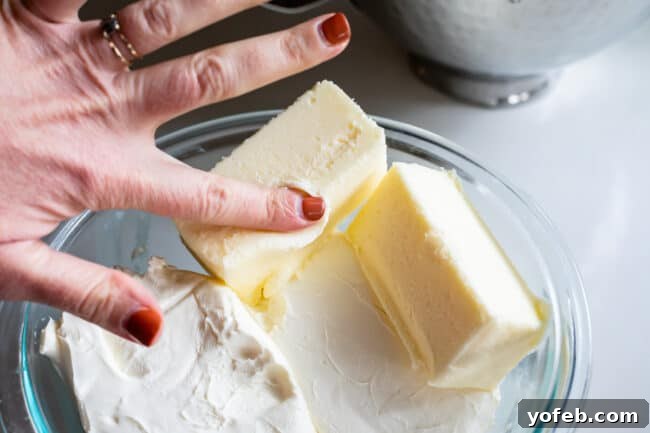
1. Ensure Ingredients Are Perfectly Softened: The most crucial step for a smooth, lump-free frosting is starting with properly softened cream cheese and butter. They should be at true room temperature, pliable to the touch but not melted. You can achieve this by leaving them on the counter for 1-2 hours. If you’re short on time, microwave them on a low power setting (e.g., Power Level 2) in 15-30 second increments. Watch them carefully to prevent melting; they’re ready when you can easily press your finger into them.
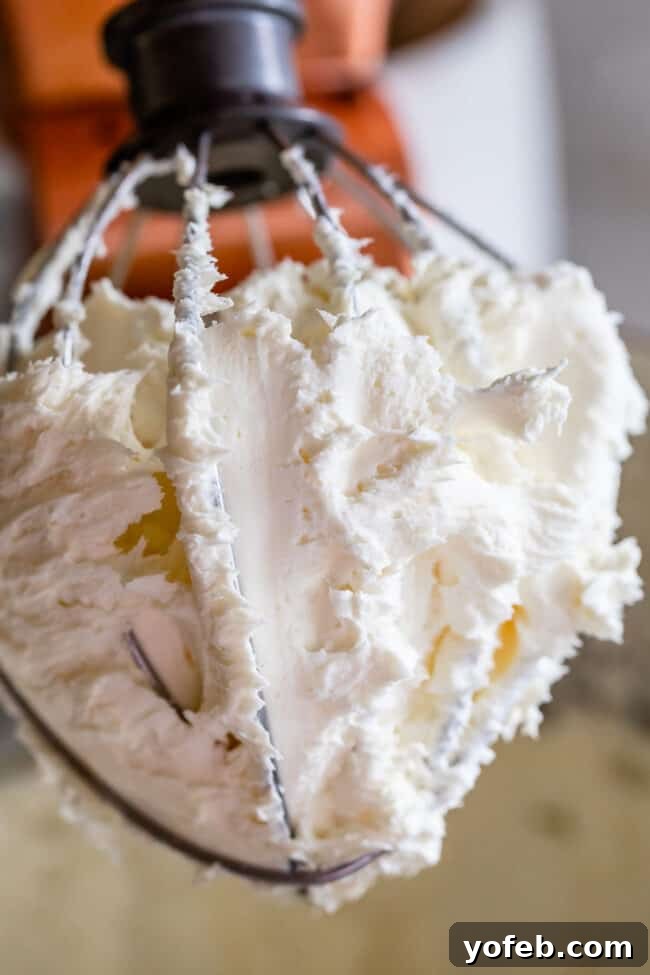
2. Cream Butter and Cream Cheese Until Smooth: In a large mixing bowl or the bowl of a stand mixer fitted with the paddle attachment, combine the softened butter and cream cheese. Beat on medium speed for 1-2 minutes, pausing frequently to scrape down the sides and bottom of the bowl. This step is vital to ensure everything is thoroughly combined and completely smooth, with no lumps remaining before adding the sugar. Any lumps here will translate to lumps in your final frosting.
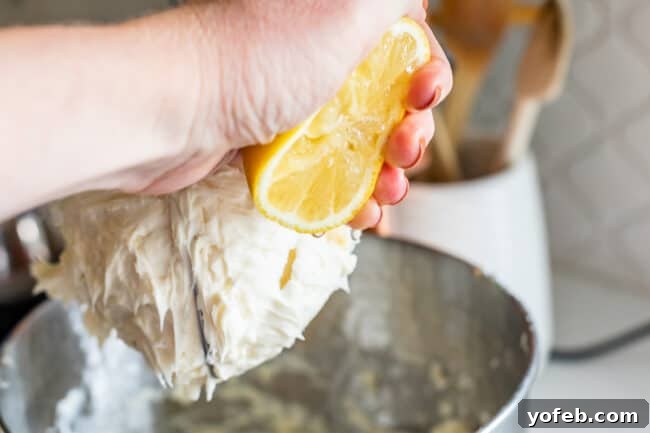
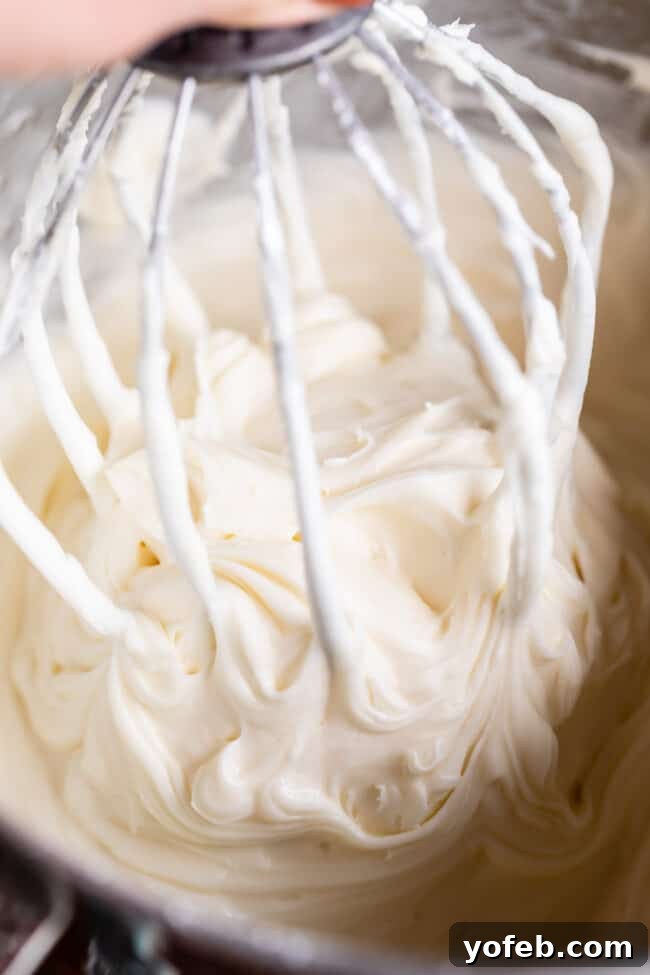
3. Gradually Add Powdered Sugar and Flavorings: With the mixer on low speed, add the powdered sugar one cup at a time, beating thoroughly after each addition until fully incorporated. If your powdered sugar is particularly clumpy, sifting it beforehand will guarantee a silkier frosting. Once the first two cups are incorporated, add the vanilla extract, fresh lemon juice (if using), and kosher salt. Continue mixing until well combined.
The vanilla extract adds essential aroma and depth, while the kosher salt brightens the flavors and perfectly balances the sweetness. The lemon juice, as mentioned, doesn’t impart a lemon flavor but rather enhances the natural tang of the cream cheese, adding a lovely brightness to the overall profile. It truly makes a noticeable difference.
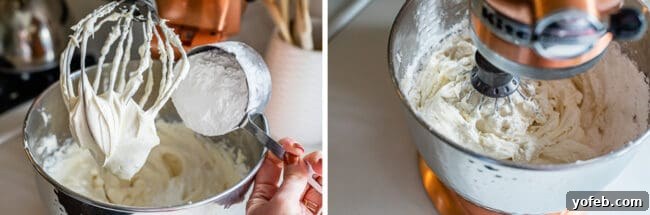
4. Achieve Desired Consistency: After adding the initial 2 ½ cups of powdered sugar, assess the frosting’s consistency. If you’re frosting a sheet cake and are happy with the texture, it’s ready! For a sturdier frosting, ideal for piping onto cupcakes or layering a cake, gradually add more powdered sugar, up to 4 cups total, beating well after each addition. Remember, adding more sugar will slightly reduce the pronounced tanginess of the cream cheese.
For an Ultra-Light and Fluffy Texture (Alternate Method): To achieve an exceptionally light and airy cream cheese frosting, try this alternative approach. First, beat the softened butter with 1 to 2 cups of powdered sugar until light and fluffy, ensuring all lumps are gone. This helps the fat from the butter bond with the sugar, creating a wonderfully aerated base. Then, gradually add the softened cream cheese in chunks, beating thoroughly after each addition until smooth. This method typically results in a brighter white frosting with a remarkably fluffy texture, perfect for special presentations. See the recipe notes for full details!
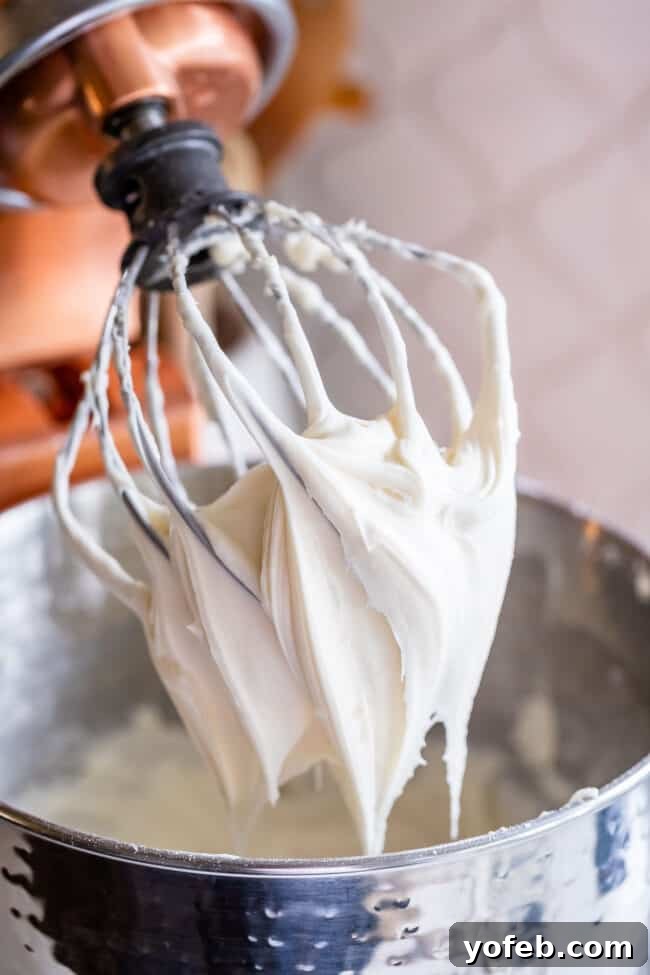
How do you thicken cream cheese frosting?
The simplest way to thicken cream cheese frosting is by gradually adding more powdered sugar. This recipe starts with 2 ½ cups, but for a firmer frosting needed for intricate piping or multi-layered cakes, you can increase it up to 4 cups. Be mindful that exceeding this amount can start to mute the delicious tang of the cream cheese.
If your frosting is already sweet enough but still too soft, especially for piping, a quick chill in the refrigerator can work wonders. Just pop it in for 20-30 minutes; it will firm up nicely.
How to thin cream cheese frosting?
If your frosting turns out too thick, you can thin it by blending in one tablespoon of milk (or cream) at a time until it reaches your desired consistency. Be cautious, as adding too much liquid can dilute the flavors and tanginess of the frosting. It’s always best to start with less powdered sugar if you anticipate needing a thinner frosting.
How to Use and Apply Your Cream Cheese Frosting
This cream cheese frosting recipe is incredibly versatile and robust enough for a variety of baking projects, including challenging layer cakes. Its stability and creamy texture make it ideal for holding up those beautiful tiers, such as with this delightful Homemade Spice Cake (a truly iconic pairing!).
How do you make cream cheese frosting smooth on a cake?
Achieving a professional, smooth finish with cream cheese frosting is easier than you think with these expert tips:
- Implement a Crumb Coat: This is a baker’s best friend. Apply a very thin, even layer of frosting over the entire cake, then chill it in the refrigerator for 15-30 minutes until firm. This thin layer “traps” any loose crumbs, preventing them from mixing into your final, pristine layer of frosting. Once chilled, you can apply the second, thicker coat with ease.
- Freeze Your Cake Layers: This is my absolute favorite method, especially if fridge space is at a premium. Once your cake layers are completely cooled, wrap each one individually in plastic wrap and freeze for 2-4 hours, or even overnight. You can then frost the cake while the layers are still frozen. This makes handling and spreading significantly easier, as the firm cake layers won’t shed crumbs. The frosted cake will thaw beautifully at room temperature within an hour or two, and the slightly chilled frosting when served is a delightful bonus.
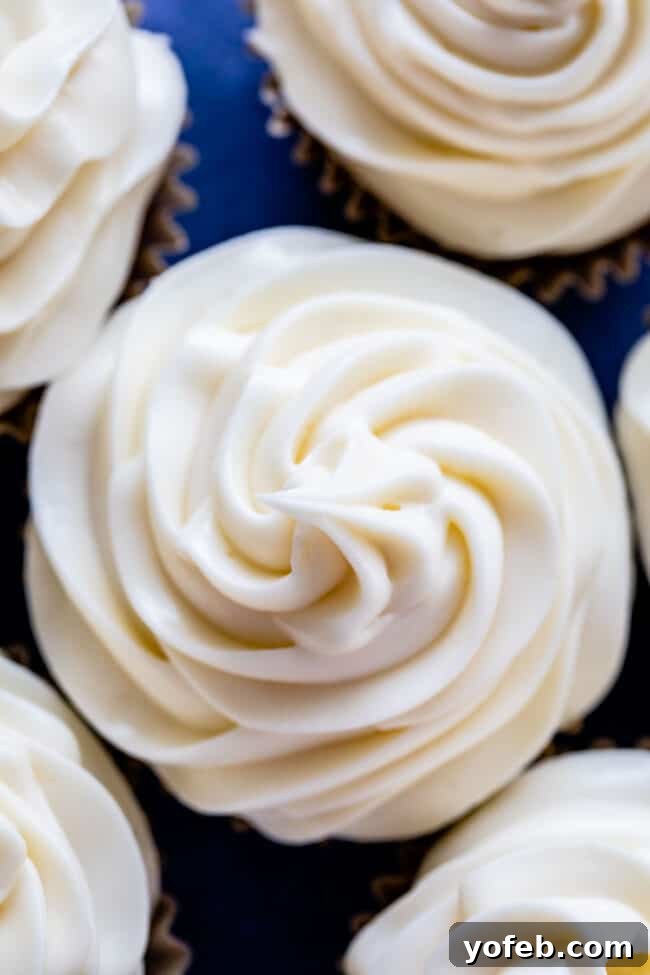
- Ensure Sufficient Frosting: Nothing is worse than running out of frosting mid-decoration. One batch of this recipe yields approximately 3 cups of frosting, enough for about 18 standard cupcakes or the top of a single sheet cake. For a multi-layered cake (like a 2-layer 8-inch cake), you will need to double the recipe, aiming for at least 6 cups of frosting. If you plan on a crumb coat and/or intricate piping designs, consider tripling the recipe to be safe.
- For More Decorating Guidance: If you’re looking for more detailed instructions and visual aids on how to frost a cake, check out my Homemade White Cake recipe, which would taste absolutely divine with this cream cheese frosting!
Piping and Setting Homemade Cream Cheese Frosting
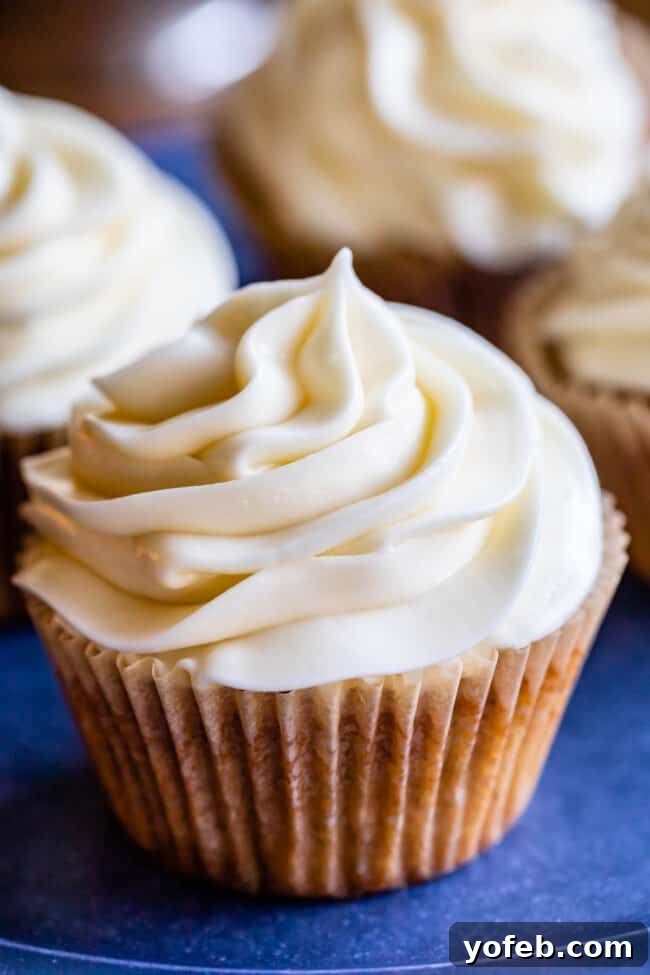
If you’re aiming for those elegant swirls on cupcakes or decorative borders on a cake, this recipe is perfectly adaptable for piping. The key lies in understanding and adjusting the consistency.
Adjusting the powdered sugar for piping
The amount of powdered sugar directly influences the frosting’s stiffness. While 2 ½ cups provides a lovely spreadable consistency, for sturdy piping, you might increase the powdered sugar up to 4 cups. This adds more body, helping the frosting hold its shape. However, be aware that more sugar means a slightly less tangy, “cream-cheesy” flavor. For example, the Spice Cake pictured above was frosted with a batch using only 2 ½ cups of powdered sugar because for me, the rich tanginess of the cream cheese takes precedence over perfectly sharp piped edges. (A cake decorator, I am not!).
If you notice your frosting becoming too soft or runny while piping, it’s often due to the warmth from your hands transferring to the piping bag. Simply pop the piping bag (or the bowl of frosting) into the refrigerator or freezer for a few minutes to re-chill and firm up before continuing.
For layer cakes that require a particularly sturdy frosting, combining the “butter-first” method (beating softened butter with 1-2 cups of powdered sugar before adding cream cheese, as described earlier in the recipe tips) with a slightly higher powdered sugar content can create a fluffier, more stable frosting. While it won’t be as rock-solid as a classic buttercream, it works beautifully, especially if the finished cake is kept cool.
Storage Tips for Fresh and Frozen Cream Cheese Frosting
Proper storage ensures your delicious cream cheese frosting remains fresh, safe, and ready to enjoy.
Does it need to be refrigerated?
This is a common question with a nuanced answer!
While cream cheese is dairy-based, cream cheese frosting often contains enough sugar to act as a preservative. When frosted onto a cake, I typically allow it to sit at room temperature on the counter for up to two days. After that, I transfer it to the refrigerator. Many sources recommend a limit of one day at room temperature, but in my experience, two days is perfectly fine, especially if your kitchen isn’t overly warm.
It’s worth noting that the texture and flavor of cream cheese frosting can change with temperature. Chilled frosting will be significantly sturdier, which some people prefer. At room temperature, it’s softer and often perceived as more flavorful as the fats and sugars are more yielding to the palate. I honestly love it both ways!
If you do chill your frosted cake or cupcakes, remember to take them out of the fridge about 20-30 minutes before serving. This allows the frosting to soften slightly, achieving the best texture and letting the flavors truly shine.
Can I freeze it?
Absolutely! Unused cream cheese frosting freezes beautifully for up to three months. I recommend storing it in an airtight container or, even better, in labeled freezer-safe zip-top bags with as much air pressed out as possible. When you’re ready to use it, simply transfer it to the refrigerator to thaw overnight. Once softened, give it a good stir with a spoon or re-whip it briefly in a mixer to restore its smooth, creamy texture before using.
What about freezing frosted cupcakes or cake?
Excellent news – you can freeze frosted cupcakes and cake too! This is a fantastic way to preserve leftovers or bake ahead for future events. Here’s how:
- Initial Freeze (Uncovered): Place your frosted cupcakes or slices of cake (uncovered) on a baking sheet. Pop them into the freezer for about an hour, or until the frosting is firm to the touch. This crucial step prevents the frosting from smudging or sticking when wrapped.
- Wrap and Store: Once the frosting is firm, individually wrap each cupcake or cake slice tightly in plastic wrap. Then, place the wrapped items into a freezer-safe container or a large zip-top bag. This double layer of protection helps prevent freezer burn and maintains freshness.
- Thawing: When you’re ready to indulge, simply transfer the frozen cupcakes or cake (still wrapped) to the refrigerator and let them thaw for several hours or overnight. Once thawed, the frosting might need a gentle touch-up with a butter knife to smooth any imperfections, but the flavor and moistness will be just as delicious as fresh.
Frequently Asked Questions About Cream Cheese Frosting
The primary way to help cream cheese frosting “set” is through refrigeration. Chilling it in the fridge will firm up the butter and cream cheese, resulting in a sturdier consistency. However, it’s important to remember that cream cheese frosting will always retain a soft, creamy texture, unlike highly structured icings like royal icing or fondant. It will never become completely hard or crusty.
No, cream cheese frosting does not “dry out” in the same way that certain other frostings or icings do. It remains wonderfully soft, moist, and creamy. While refrigeration will help the outer edges of the frosting firm up slightly, the interior will stay tender. It won’t form a hard crust like royal icing or fondant.
“Better” is subjective and largely depends on your preference and the dessert you’re pairing it with! Cream cheese frosting offers a unique tangy flavor and a softer, richer texture that many adore. It’s particularly fantastic with spice cakes, carrot cakes, and red velvet cakes where its tang cuts through richness. Buttercream, on the other hand, is generally much sturdier, making it ideal for intricate piping, elaborate decorations, and cakes that need to hold up for longer periods at warmer temperatures. Each has its place in the world of baking! Certain recipes truly benefit from the tanginess of cream cheese, such as these rich Pumpkin Rolls or decadent Raspberry Sweet Rolls.
The terms “frosting” and “icing” are often used interchangeably, but generally, there’s a distinction in consistency. Frosting, like this cream cheese recipe, is typically thick, creamy, and spreadable, designed to be piled high or piped onto cakes and cupcakes. Icing, on the other hand, is usually thinner, often pourable or drizzled over baked goods like cinnamon rolls or glazes. This recipe yields a thick, luxurious spread that undeniably earns the title of “frosting!”
If you find yourself without cream cheese but still need a delicious topping, a classic buttercream frosting is an excellent and very similar substitute. It’s versatile, delicious, and works wonderfully on cakes and cookies. Give this Buttercream Frosting recipe a try – it’s perfect for a wide range of desserts!
Delicious Desserts That Pair Perfectly with Cream Cheese Frosting
Cream cheese frosting’s unique tangy-sweet profile makes it a universally loved topping, elevating countless desserts. Here are some of my favorite pairings that truly shine with this frosting:
- Easy Banana Cake >> The dense, moist banana cake is perfectly complemented by the creamy tang of the frosting. Ideal for using up ripe bananas!
- Blackberry Cake >> This family favorite truly comes alive with a hint of coconut in the cream cheese frosting, creating a delightful fruity and tropical symphony.
- Paul’s Pumpkin Bars >> More cake than bar, these tender pumpkin treats are practically incomplete without a generous layer of this luscious frosting.
- The Best Carrot Cake >> A classic pairing! The spices and grated carrots in the cake find their ideal match in the rich, tangy frosting.
- Pumpkin Roll Recipe >> This iconic autumn dessert, a rolled cake filled with creamy frosting, is a must-make for fall gatherings.
- Coconut Layer Cake >> Enhance the tropical flavor by adding a touch of coconut extract to your frosting – a truly divine combination.
- Cinnamon Cardamom Cake >> This “doctored” cake mix recipe is unexpectedly sophisticated, and the warm spices are beautifully balanced by cream cheese frosting.
- Chocolate Cupcakes << The richness of chocolate and the tang of cream cheese are a match made in heaven – a magical duo!
- The Best Chocolate Cake I’ve Ever Had >> Still my absolute favorite, and it’s even more incredible with a layer of this homemade cream cheese frosting.
- The BEST Buttercream Frosting for Sugar Cookies >> While this article celebrates cream cheese frosting, if you’re ever in need of a sturdy and delicious buttercream, this is the recipe to turn to!
- Hummingbird Cake from Brown Eyed Baker >> A Southern classic, brimming with pineapple, banana, and pecans, perfectly complemented by cream cheese frosting.
- Peanut Butter Cake from Southern Plate >> For those who love a sweet and salty combination, a rich peanut butter cake with tangy cream cheese frosting is pure bliss.
Facebook | Pinterest | Instagram

Homemade Cream Cheese Frosting
Ingredients
- 8 ounce package full-fat cream cheese, softened
- 1/2 cup butter, softened (1 stick)
- 2 & 1/2 cups powdered sugar, or up to 4 cups
- 1 teaspoon good quality vanilla extract
- 1 teaspoon fresh lemon juice, optional
- 1/4 to 1/2 teaspoon kosher salt
Instructions
- Soften your cream cheese and butter. Leave them out on the counter for an hour or two, or speed up the process using a microwave on a low power level (e.g., Power Level 2) in 30-second increments. Ensure they are soft enough to easily push a finger into, but not melted.
- Add the softened cream cheese and butter to a large bowl or stand mixer. Beat for about 1-2 minutes, scraping the bottom and edges of the bowl thoroughly. Ensure the mixture is completely smooth and creamy before proceeding; any lumps now will result in lumpy frosting.
- Add 1 cup of powdered sugar and beat until fully incorporated. If the sugar is clumpy, sift it first to prevent lumps in your frosting. Scrape down the bottom and edges of the bowl.
- Add another cup of powdered sugar and beat well until smooth.
- Stir in 1 teaspoon of vanilla extract, 1 teaspoon of fresh lemon juice (if using), and 1/4 to 1/2 teaspoon of kosher salt. The lemon juice brightens the cream cheese tang without making the frosting taste like lemon.
- Add the final 1/2 cup of powdered sugar and beat well.
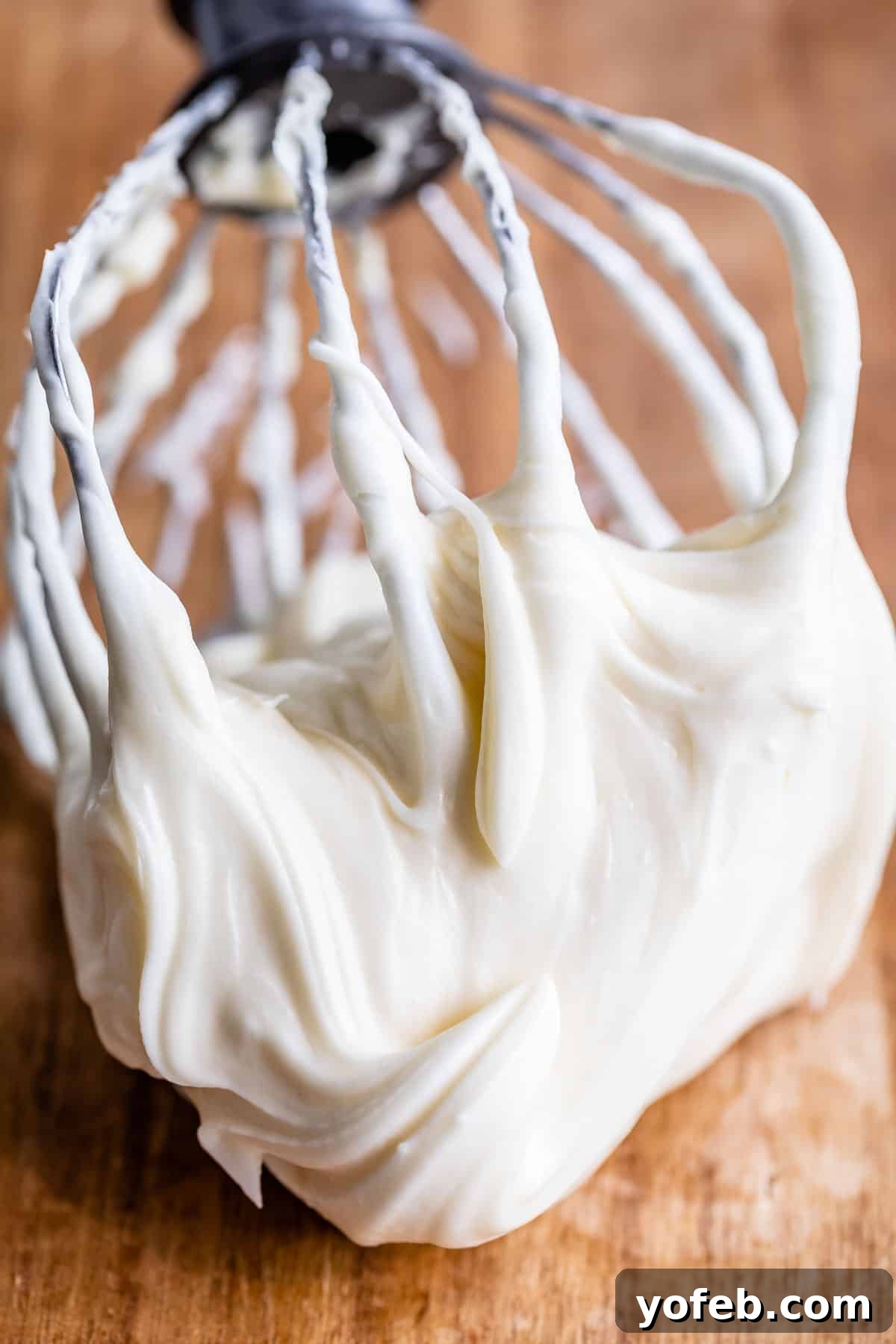
- Taste your frosting. If you’re happy with the flavor and consistency for a sheet cake, it’s ready. For piping onto cupcakes or frosting a layer cake, you might want a sturdier frosting. Gradually add more powdered sugar (up to 4 cups total) to achieve your desired stiffness. Remember that increasing sugar will slightly reduce the cream cheese’s tanginess.
- Adjust salt, lemon juice, and vanilla to taste, as desired.
Notes
*For an ultra-whipped, lighter texture: First, beat the softened butter with 1 to 2 cups of powdered sugar (to taste) until light and fluffy, ensuring all lumps are gone. THEN, gradually add the softened cream cheese in chunks, beating thoroughly each time until smooth. This method helps the butter’s fat bond with the sugar, creating a super light and airy frosting. The flavor remains the same, but the texture is noticeably lighter and fluffier, and the appearance is a brighter white compared to the traditional off-white method.
How to store easy cream cheese frosting
Does it need to be refrigerated?
Yes and no 🙂
This one is actually kind of up to you! I do not refrigerate this frosting when it is on a cake…at first. I let it sit at room temperature on the counter for up to 2 days. After 2 days, I put it in the fridge. The rest of the internet will tell you the limit for sitting on the counter is one day. I like to live on the edge, what can I say?
That said, some people really prefer the texture and flavor of this frosting when it is chilled. Chilled frosting is going to have a sturdier texture than at room temperature. I love it either way!
If you chill your frosting, take it out of the fridge about 20-30 minutes before serving, for the best texture and to bring out the flavor.
Can I freeze it?
Yes, for up to three months! I like to store it in labeled ziplock bags. Let it thaw for a day in the fridge. Once it’s softened, give it a quick stir to bring back that smooth, creamy texture.
What about freezing frosted cupcakes or cake?
Good news! You can freeze those, too! If your cupcakes or cake are already frosted with cream cheese frosting, place them on a baking sheet (uncovered) in the freezer for about an hour, or until the frosting feels firm. Then wrap each piece individually in plastic wrap and place them all in a freezer-safe container or zip-top bag. This keeps the frosting from smudging and protects them from freezer burn.
When you’re ready to enjoy them, simply move the cupcakes or cake to the fridge and let them thaw for several hours or overnight. The frosting may need a gentle touch-up with a butter knife, but the flavor stays just as delicious.