
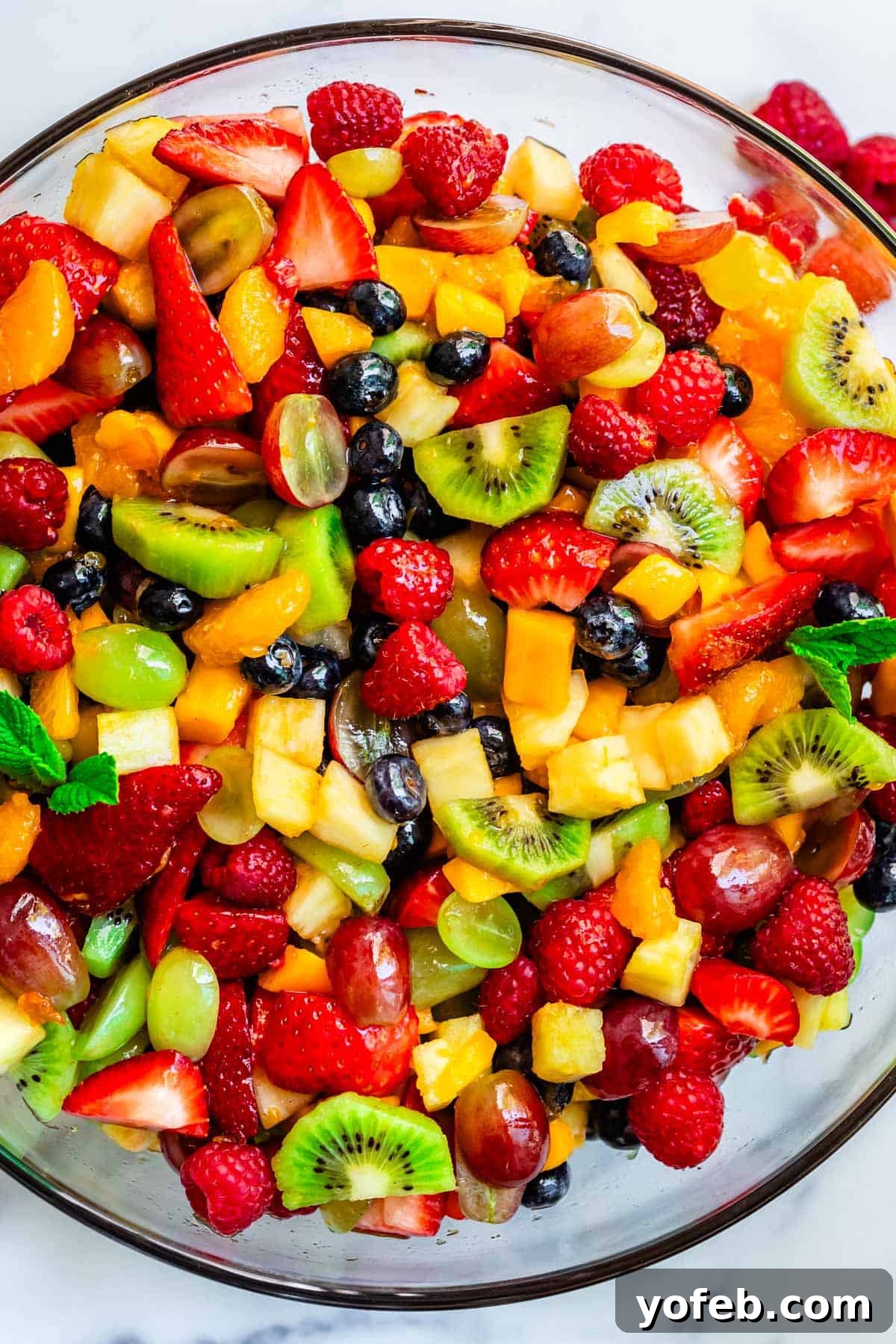
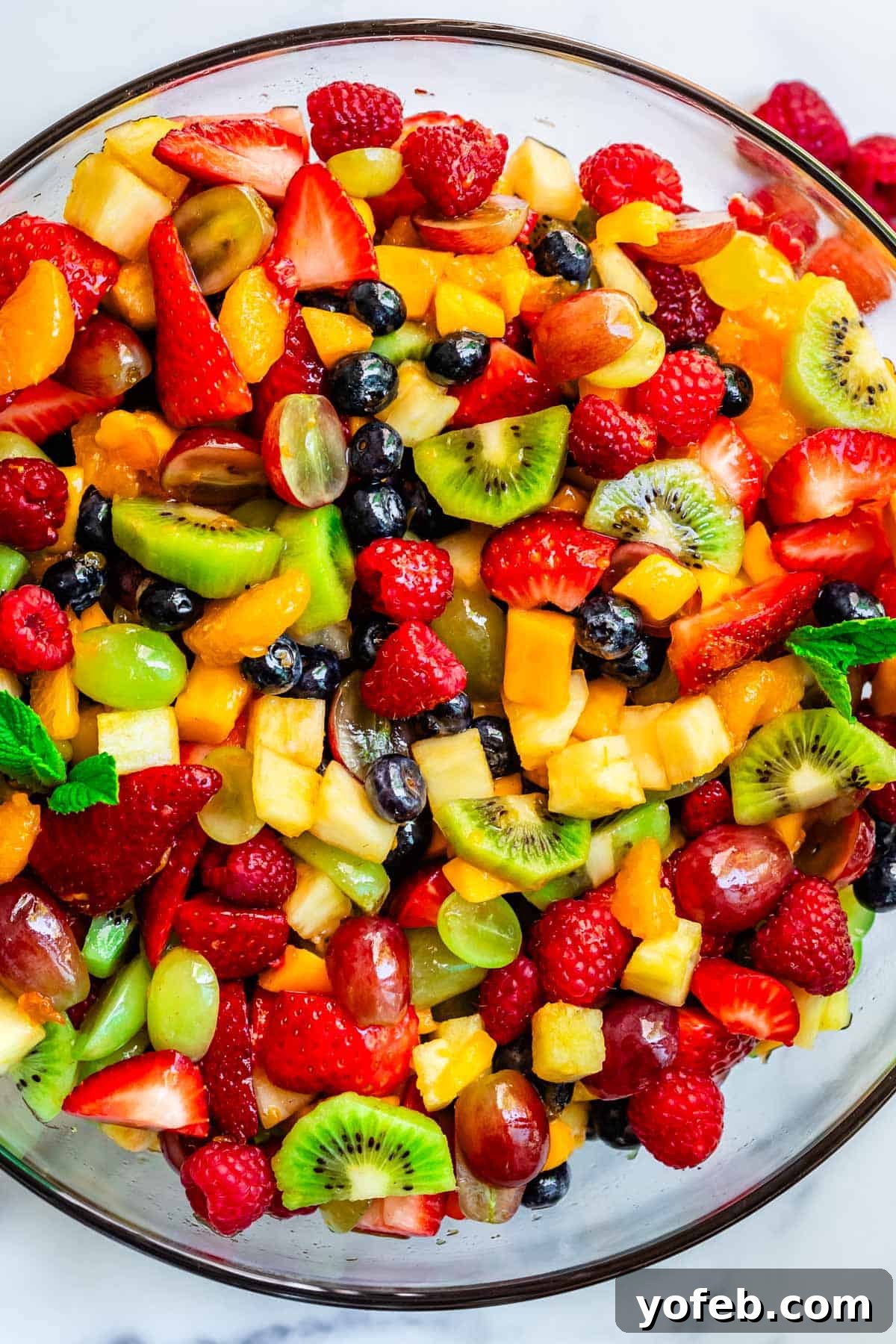
Everyone deserves a truly exceptional fruit salad, and this carefully crafted recipe stands out as my absolute favorite! You might initially think a fruit salad doesn’t require a recipe – after all, isn’t it just a matter of chopping up some fruit? However, years of experience and a passion for flavor have led me to develop incredibly specific insights into what constitutes the BEST fruit salad, and equally important, which fruit combinations can actually detract from the experience. This guide goes beyond just ingredients, offering practical tips for perfect fruit sizing and an effortlessly delicious glaze that beautifully highlights the sweet and tart notes of your seasonal produce. It’s the ideal refreshing accompaniment for summer barbecues, lively potlucks, or any gathering that calls for a burst of fresh, natural sweetness.
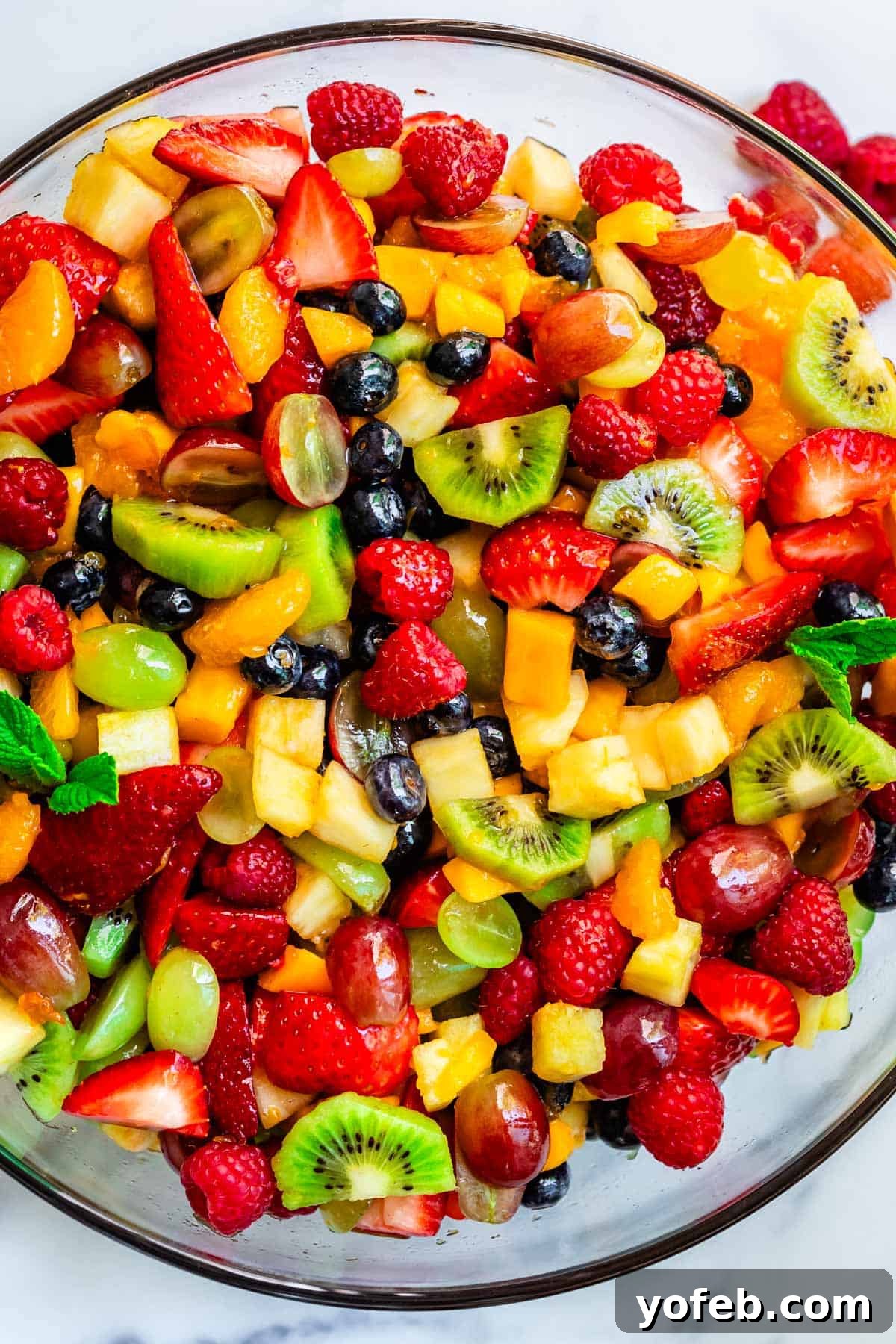
Table of Contents
- The Ultimate Fruit Salad Philosophy
- What Makes The Best Fruit Salad: My Definitive Rules
- Essential Ingredients for The Perfect Fruit Salad
- Step-by-Step Guide to Making Your Fruit Salad
- What to Serve with This Easy Fruit Salad Recipe
- How to Store Fruit Salad for Maximum Freshness
- Can You Freeze This Recipe for Fruit Salad?
- Fruit Salad Frequently Asked Questions
- More Amazing Fruit Recipes to Explore
- The Very Best Fruit Salad Recipe Card
The Ultimate Fruit Salad Philosophy
There’s something uniquely joyous about a bowl of fresh fruit, especially during the warmer months. It evokes memories of sunshine, outdoor gatherings, and simple pleasures. I recently experienced this firsthand during a cookout at a friend’s house. My son, Truman, who is 11 and likely undergoing a growth spurt, has an insatiable appetite, especially when it comes to communal meals. He’s always the first in line, practically vibrating with anticipation.
As we gathered to say a blessing over the food, I’m quite certain that not a nanosecond passed between our collective “AMEN” and Truman energetically shoveling a mountain of watermelon onto his plate. He continued to pile it higher and higher, eyes gleaming at his favorite fruit. I glanced between the rather modest bowl of watermelon, the long line of hungry guests behind him, and the absurdly mounded paper plate he held. It was clear a parental intervention was needed.
“Truman!” I exclaimed, rolling up my sleeves for the inevitable conversation. “You have far too much watermelon!” He looked up, genuinely shocked. “No, I don’t!” he protested. “Yes, you do!” I insisted, perplexed by his confusion. Then, with an air of complete reassurance, he explained, “Mom, I can TOTALLY eat all this watermelon!”
Ah, the classic miscommunication. He thought I doubted his capacity for watermelon consumption. I burst out laughing, then gestured to the other patiently waiting guests. “I’m sure you can eat it all, sweetie; I know your love for watermelon runs deep. But if you take it all, no one else gets any.” This revelation truly hadn’t occurred to him, and he begrudgingly returned a portion of his beloved fruit to the communal bowl.
Truman is an anomaly in our family; he’s the kid who doesn’t have a massive sweet tooth for desserts. Sometimes I wonder how he managed to bypass the sugar gene that should have been abundantly passed down from me! I can’t count the times I’ve served a decadent chocolate cake or a warm slice of apple pie, only for Truman to ask if he could have a raw persimmon instead. Or any other fresh fruit we happen to have on hand. I make an effort to leave a corner of the cake unfrosted or keep some fruit whole and untouched, knowing he’d rather enjoy a plain peach than a bowl of Peach Cobbler.

I often joke that Truman is going to outlive us all. His natural diet resembles what most of us *should* be eating in our mid-thirties when metabolism starts to slow. This fruit salad, brimming with all his favorite things, chopped and ready in a big bowl, is without a doubt one of his most cherished “recipes” I prepare. It’s the quintessential taste of summer – fresh, vibrant, and utterly delightful.
What Makes The Best Fruit Salad: My Definitive Rules
Alright, prepare yourself for some assertive opinions! Since you’re here seeking a fruit salad recipe, I’m assuming you’re ready for some guidance. Consider me your fruit salad guru, armed with a clear set of rules for achieving absolute perfection. Are you ready to elevate your fruit salad game?
- NO APPLES: Their firm, crunchy texture is simply too jarring when mixed with the softer, juicier fruits typically found in a salad. They can also bruise other delicate fruits.
- NO BANANAS: Unless you’re adding them at the very last second before serving, bananas quickly turn mushy and brown. This not only affects their appearance but also their texture, becoming unpleasantly soft and sometimes overpowering the delicate flavors of other fruits. Say a firm no to soggy bananas!
- NO POMEGRANATE SEEDS: While beautiful, their hard, tiny seeds can be an unwelcome surprise in a spoonful of soft fruit. Furthermore, if they burst, their vibrant juice can stain the entire salad, making it look less appealing.
- NO WATERMELON: As much as I adore watermelon, its high water content can quickly dilute the delicious glaze and make the entire salad watery and less flavorful over time. It essentially drags down the texture and taste of the other fruits.
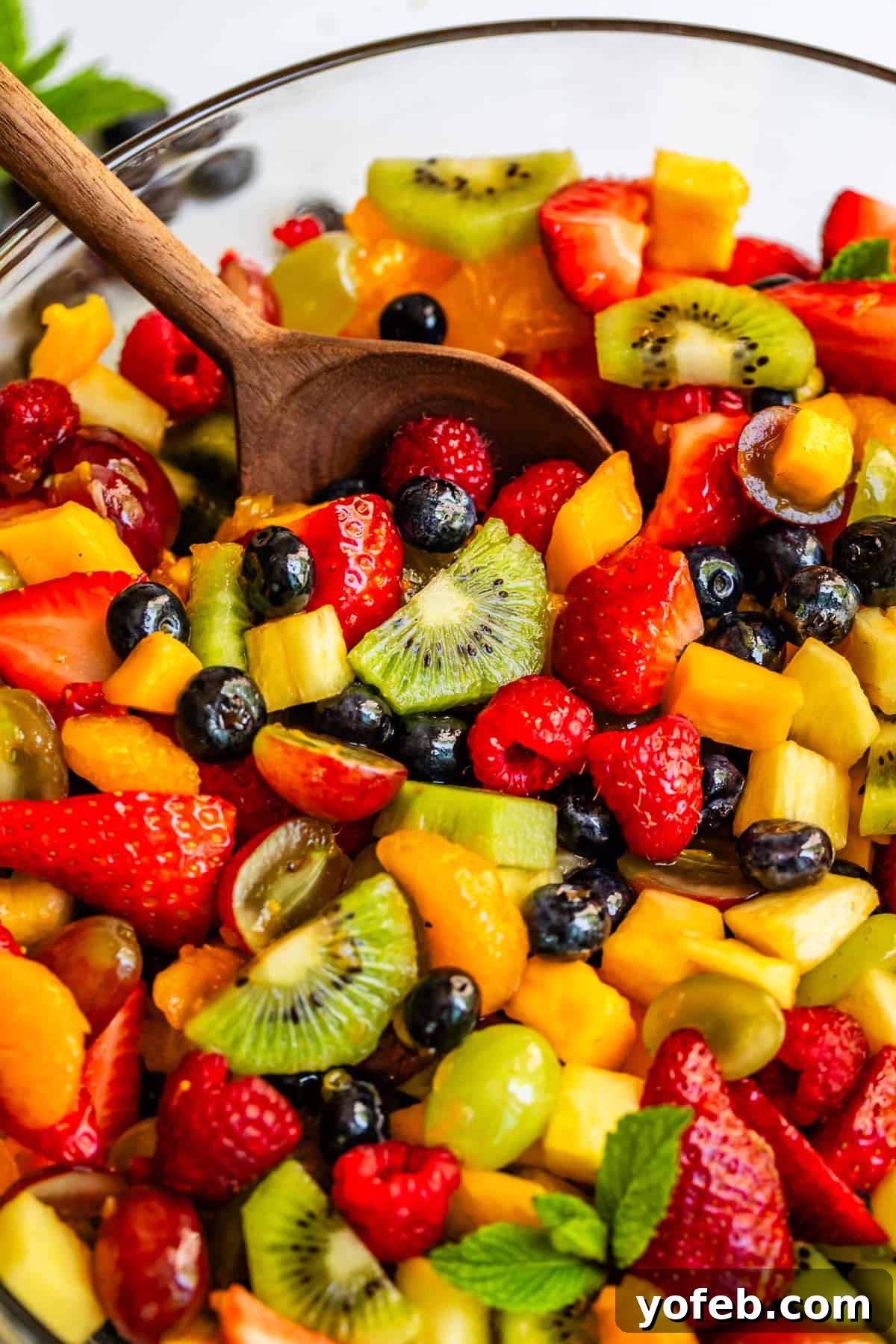
- Chop Pineapple Smaller Than Normal: Pineapple is a hardy fruit, and dicing it into smaller, bite-sized pieces ensures better flavor distribution and a more pleasant texture alongside softer berries and grapes. It blends seamlessly rather than dominating.
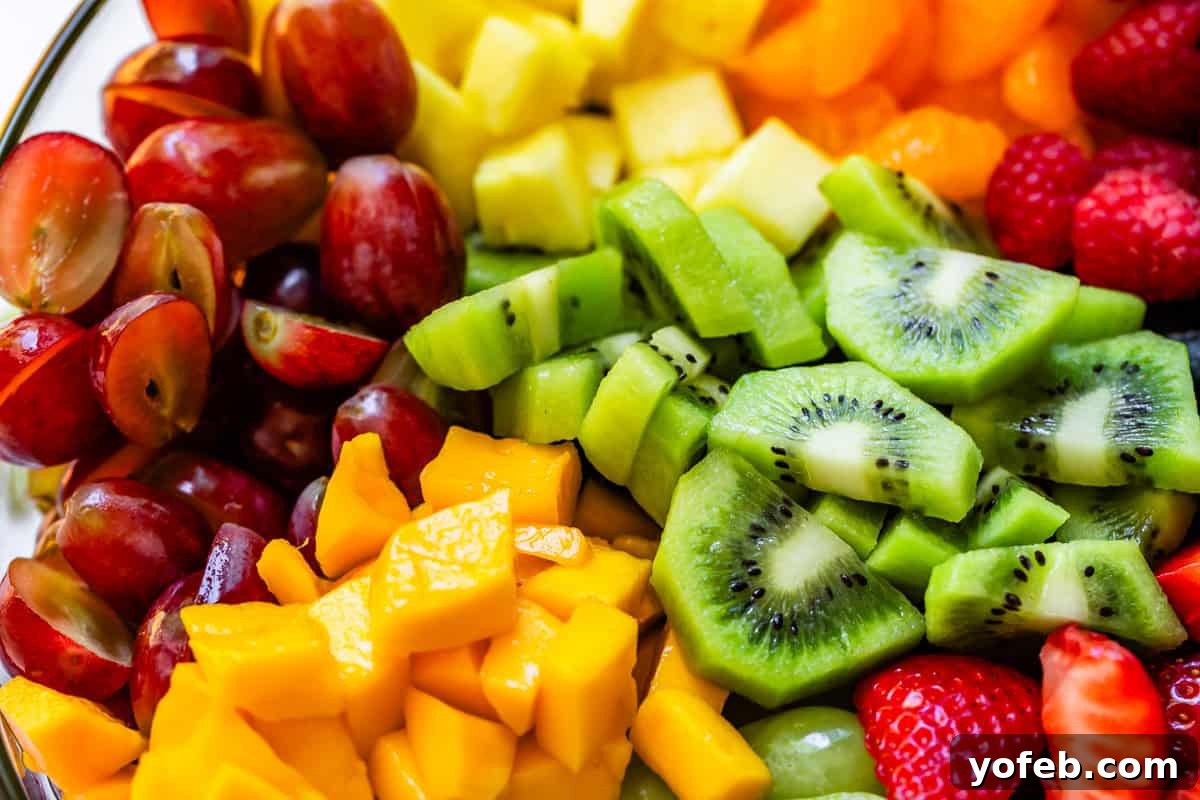
- Chop Kiwi Bigger Than You Think: Conversely, kiwi can easily disintegrate if cut too small. Larger, quartered or eighth-sized pieces hold their shape, provide a delightful chewiness, and allow its vibrant, tangy flavor to shine through in every bite.
- Incorporate “Exotic” Fruits for Fun: Adding one or two less common fruits can make your salad truly exceptional and exciting. Mango is always a fantastic choice, lending a luscious sweetness and creamy texture that elevates the entire dish. Passion fruit or lychee can also add a unique twist.
- The Perfect Glaze is Key: While many glaze options exist, my preferred mix of apricot preserves and a generous amount of fresh lemon zest and juice is a game-changer. The lemon brightens every fruit’s natural flavor without making the salad taste overly “lemony,” while the apricot adds a beautiful sheen and subtle sweetness.
Adhere to these simple guidelines, and I confidently promise you’ll create the most incredible, balanced, and flavorful fruit salad you’ve ever tasted!
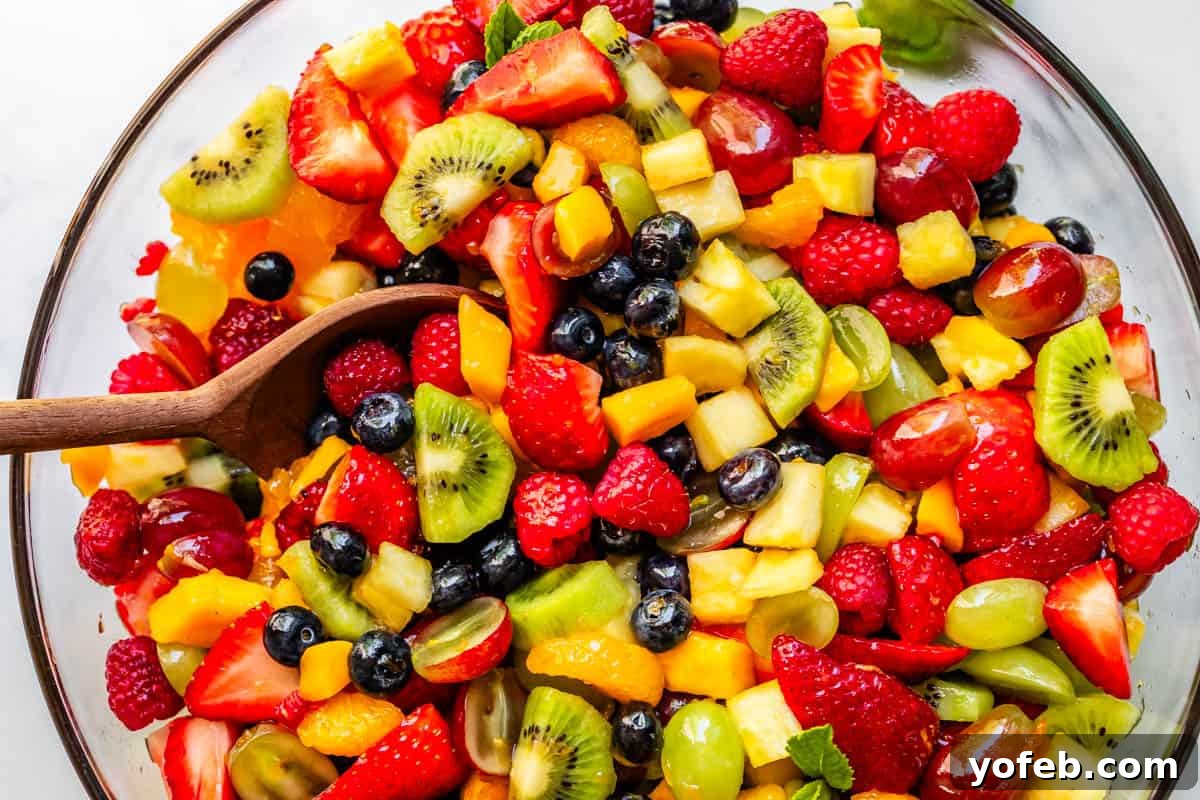
Essential Ingredients for The Perfect Fruit Salad
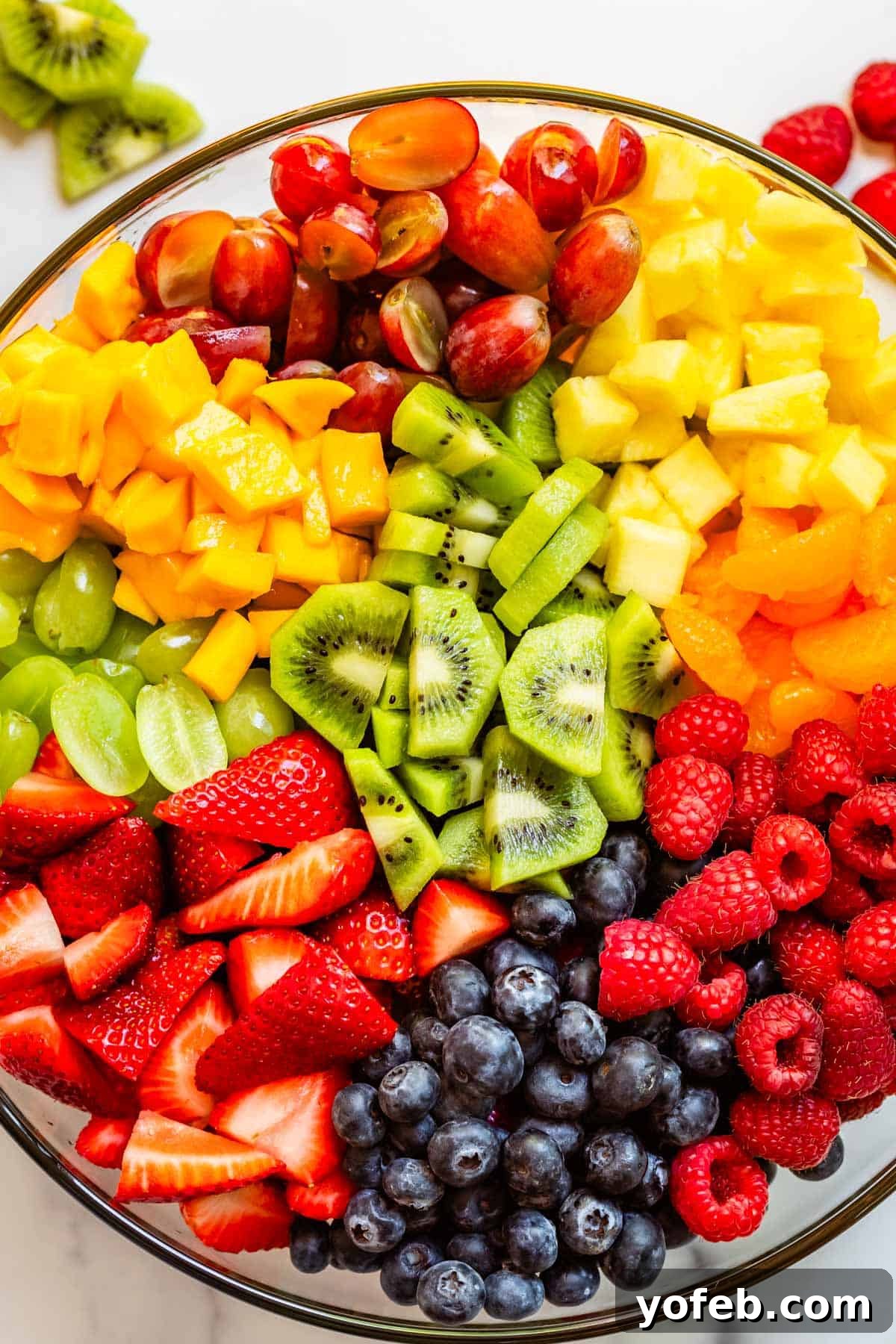
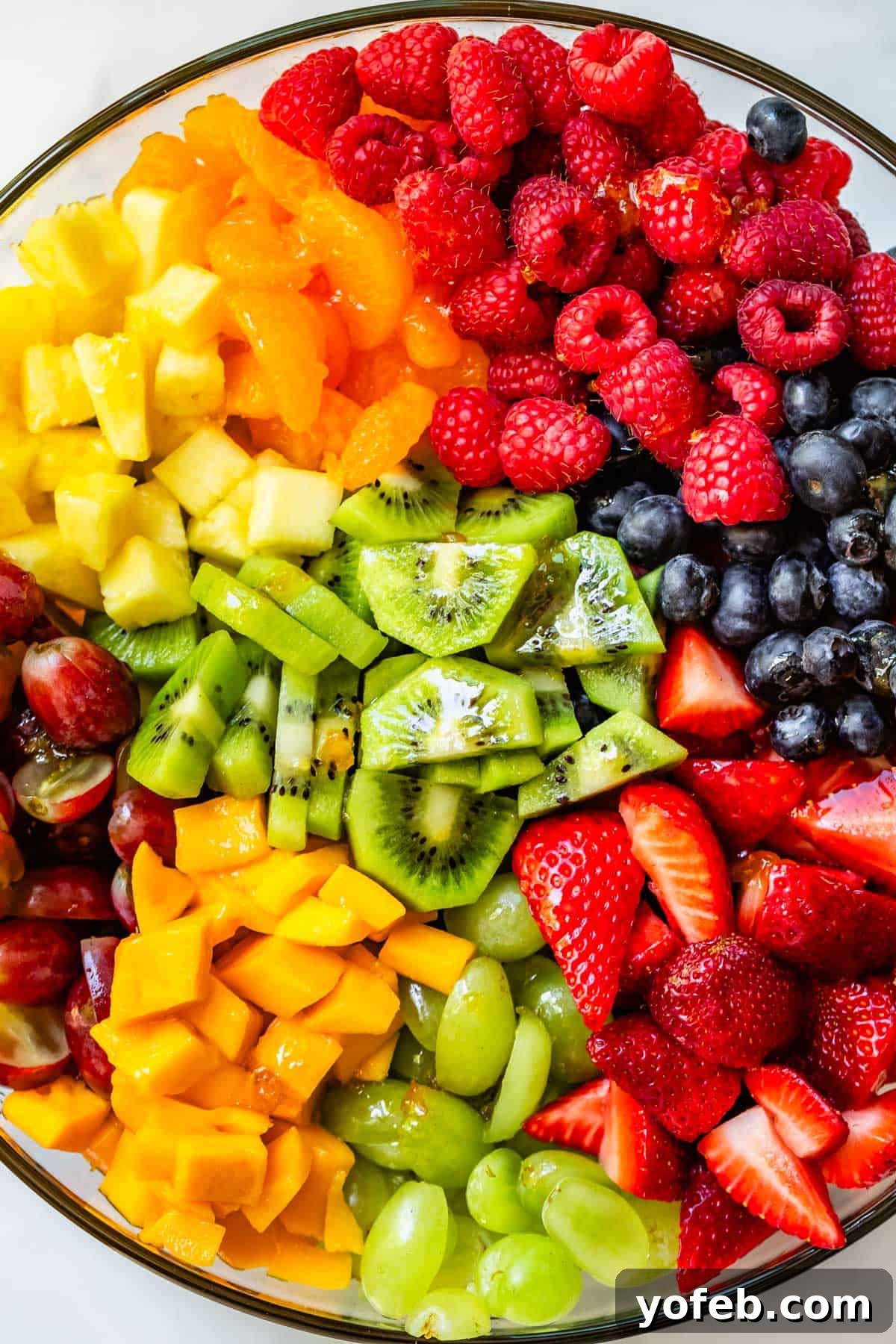
Having established what to avoid, let’s dive into the stars of our show: the fruits that absolutely belong in this ultimate fruit salad. This is a wonderfully adaptable list, and you can certainly tweak it to your personal preferences and what’s freshest in season. However, these are my tried-and-true favorites that create a harmonious blend of flavors and textures. For precise measurements, please refer to the recipe card below!
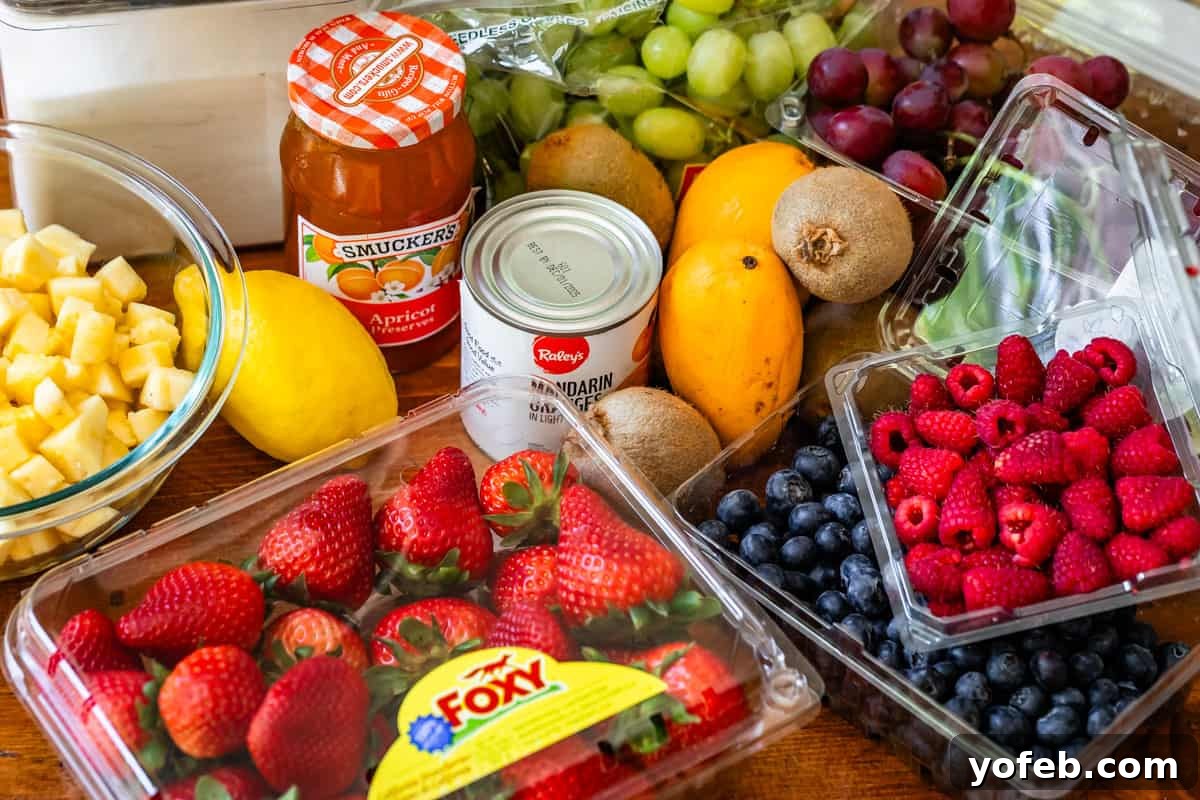
- Purple Grapes: Halved for easy eating and a burst of deep sweetness.
- Green Grapes: Halved for a crisp, tart counterpoint to the purple varieties.
- Strawberries: Hulled and quartered, their juicy sweetness is a summer staple.
- Blueberries: Tiny powerhouses of antioxidants and delicate flavor.
- Canned Mandarin Oranges: Offer a bright, citrusy pop and a lovely soft texture.
- Pineapple: Diced finely, it brings tropical sweetness and a pleasant tang.
- Mangos: The creamy, luscious texture and intense tropical sweetness make them indispensable.
- Kiwi: Quartered for a vibrant green hue and a tangy, slightly exotic flavor.
- Raspberries: Optional but highly recommended for their delicate tartness and beautiful color.
- Apricot Preserves: The base for our magical glaze, adding depth and shine.
- Granulated Sugar: A touch to balance the tartness in the glaze.
- Fresh Lemon: Both juice and zest are crucial for brightening all the fruit flavors.
Step-by-Step Guide to Making Your Fruit Salad
Let’s get down to the delicious details! The key to a fantastic fruit salad begins with the glaze, which you’ll prepare right in the large serving bowl to minimize cleanup and ensure even coating.
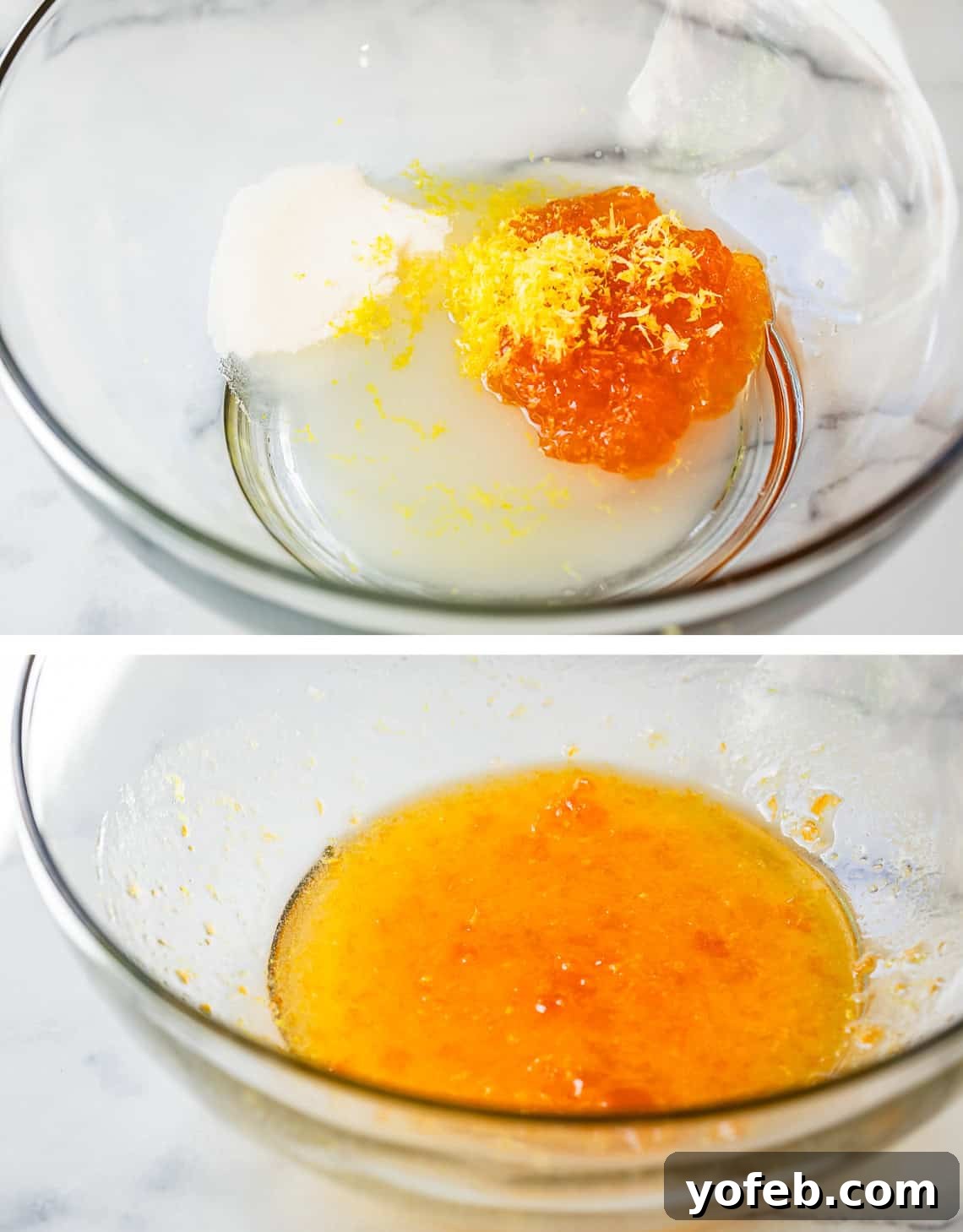
Into your chosen serving bowl, add the apricot preserves, granulated sugar, fresh lemon juice, and don’t forget the star ingredient: lemon zest! The zest is magical; it amplifies the natural brightness of all the fruits without making them taste overtly “lemony.” Instead, it simply makes each fruit taste more intensely like itself. Stir these ingredients together until thoroughly combined and smooth. This creates a shimmering base for your beautiful fruit.
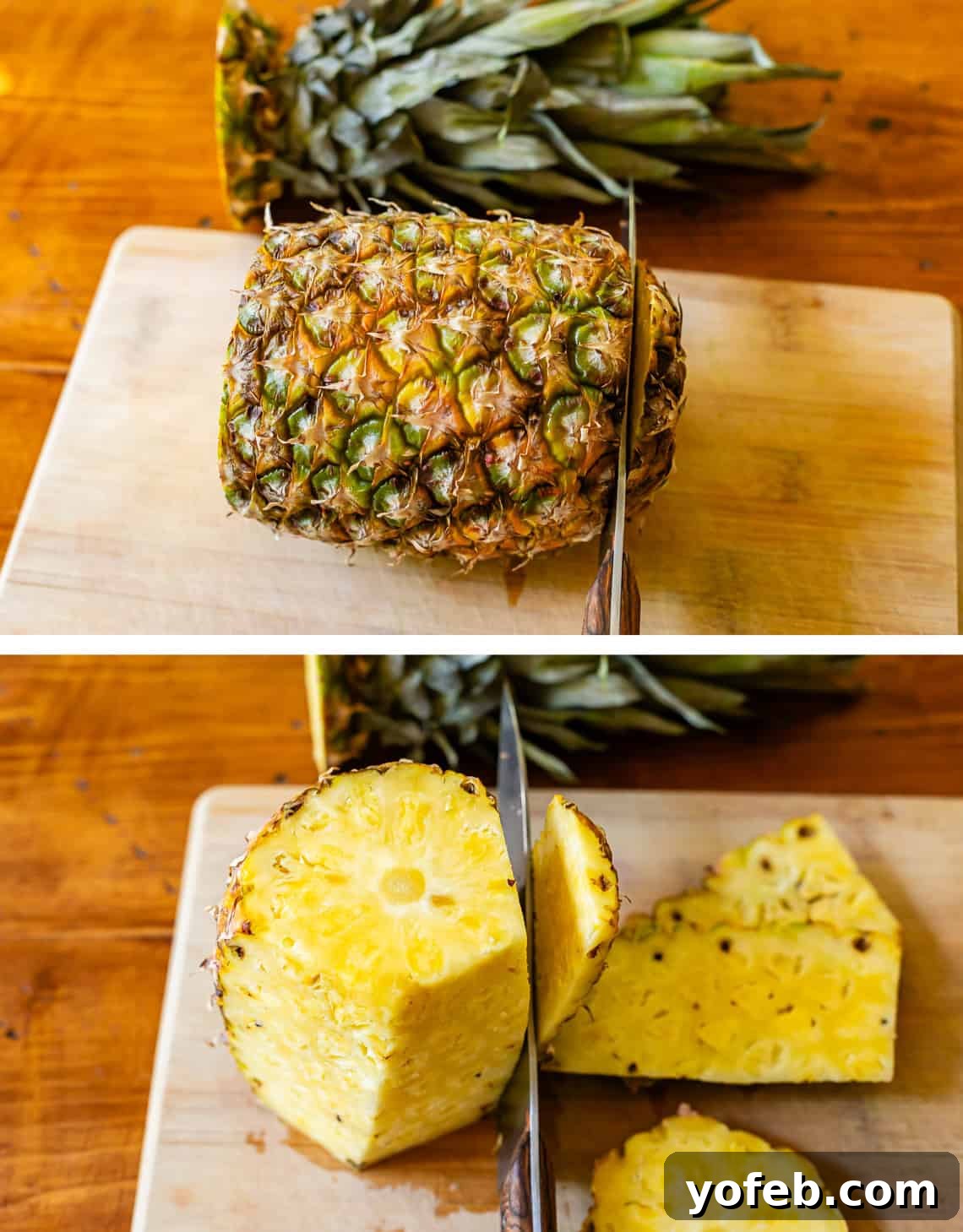
Next, begin with the pineapple. It’s a hardy fruit, so it can withstand sitting for a few minutes while you prepare the others. My pineapple-cutting process involves first slicing off the top and bottom, then carefully cutting away the tough skin. Do you have a more efficient method? I’m always open to new kitchen hacks!
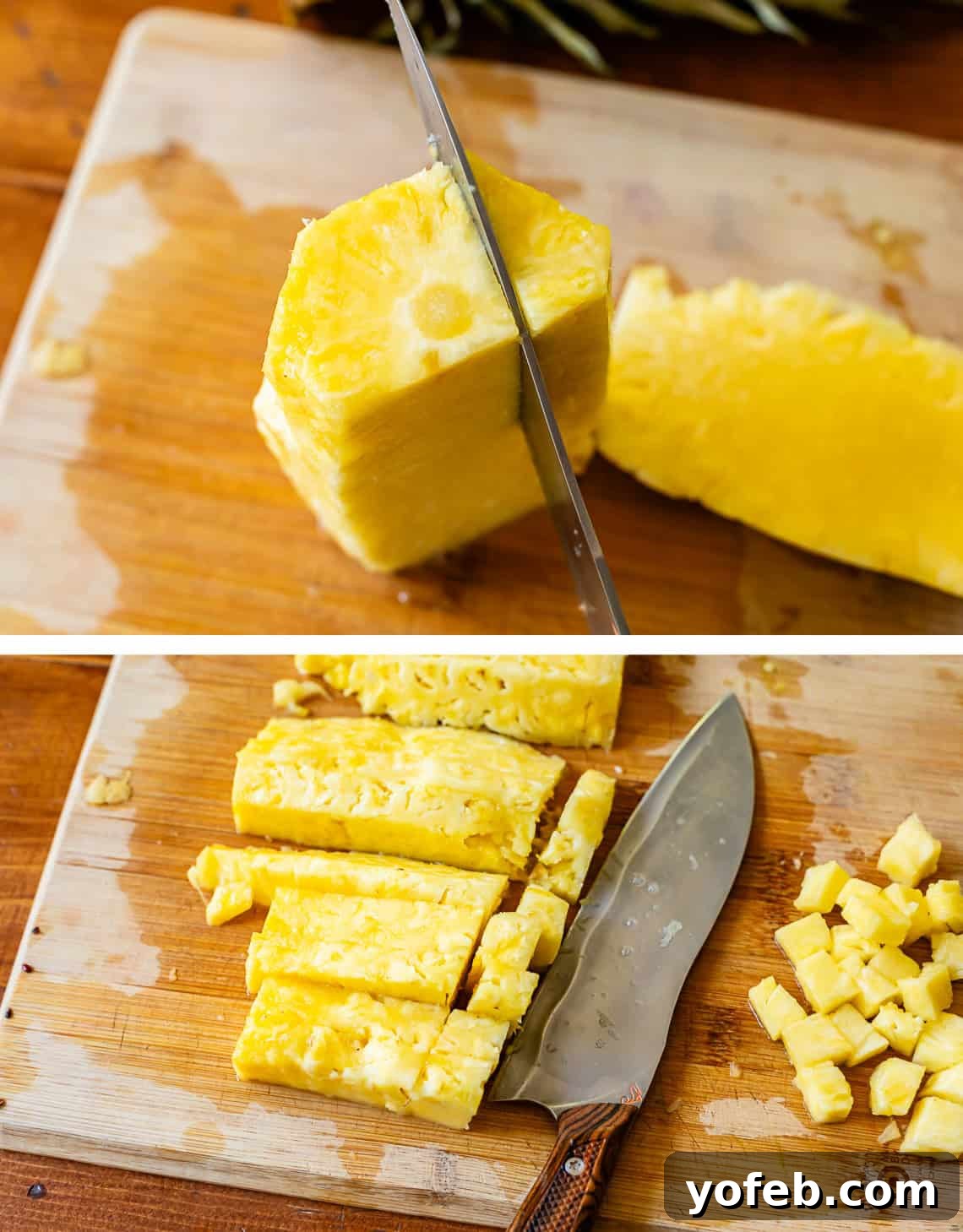
I must take a moment to admire my new chef’s knife! My brother Nathan recently gifted me this custom-made beauty by his incredibly talented friend Jesse, and I am absolutely in love. I’ll share more details about it soon so you can discover how to get your own! Once peeled, slice the pineapple flesh away from the core, then dice it into smaller pieces than you typically would for other uses. Trust me, that extra dice makes a noticeable difference in how well it integrates with the other fruits.
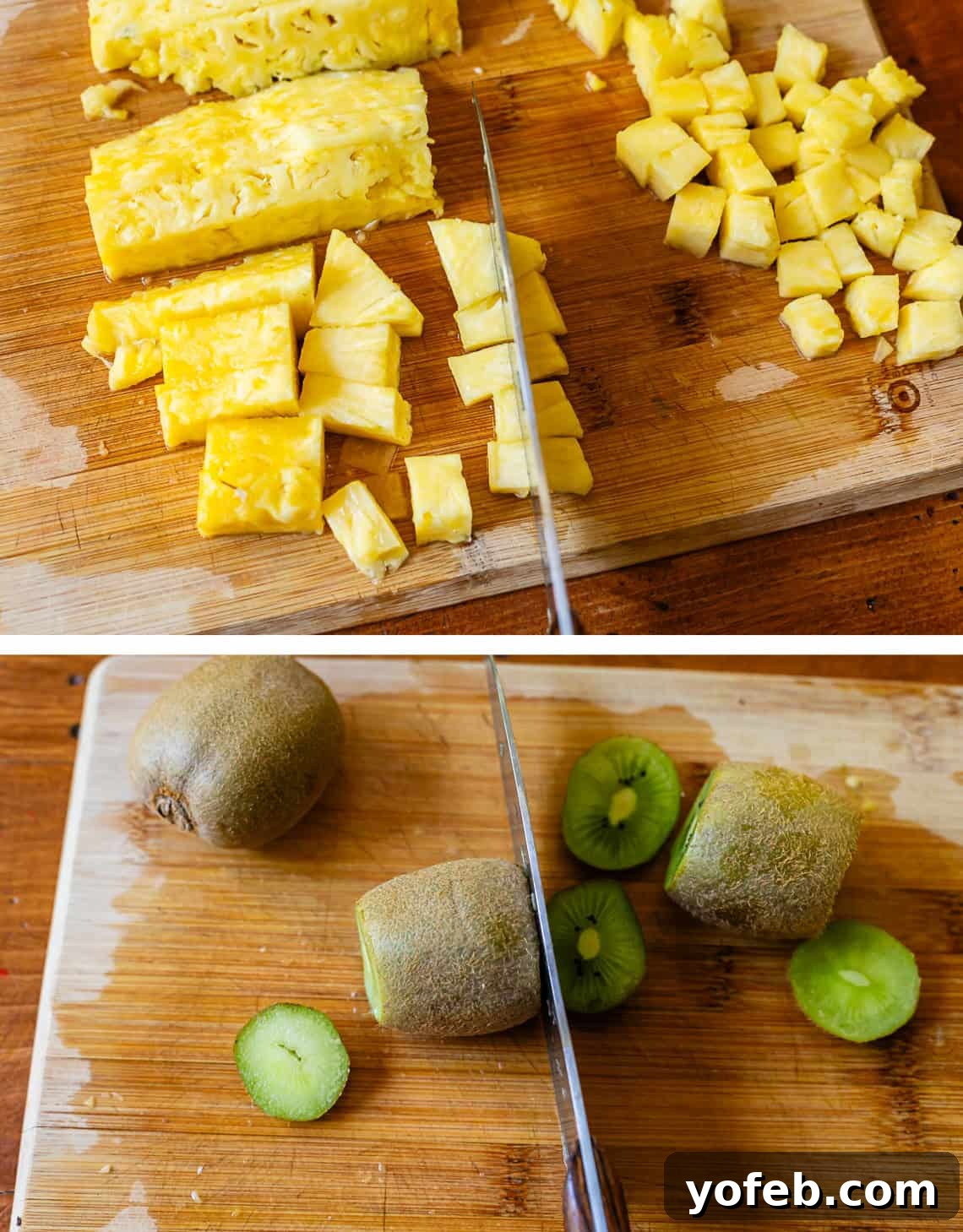
Next up, the kiwi. Begin by carefully lopping off both ends. This makes it easier to handle and peel.
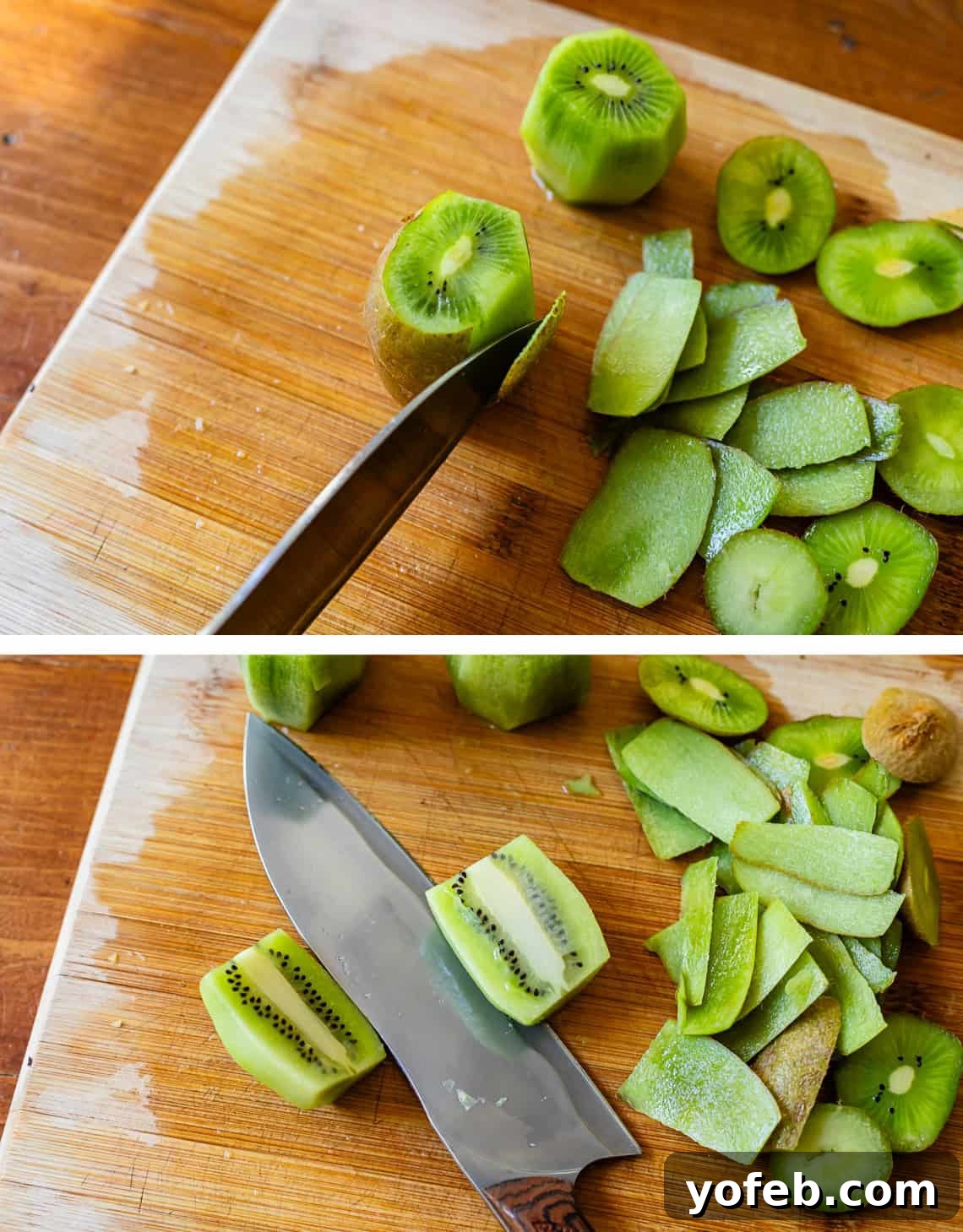
Use either a sharp paring knife or a vegetable peeler to remove the fuzzy skin. My son Truman, in a baffling display, sometimes eats kiwi whole, skin and all. It’s a culinary choice that almost makes me consider sending him to an orphanage every time!
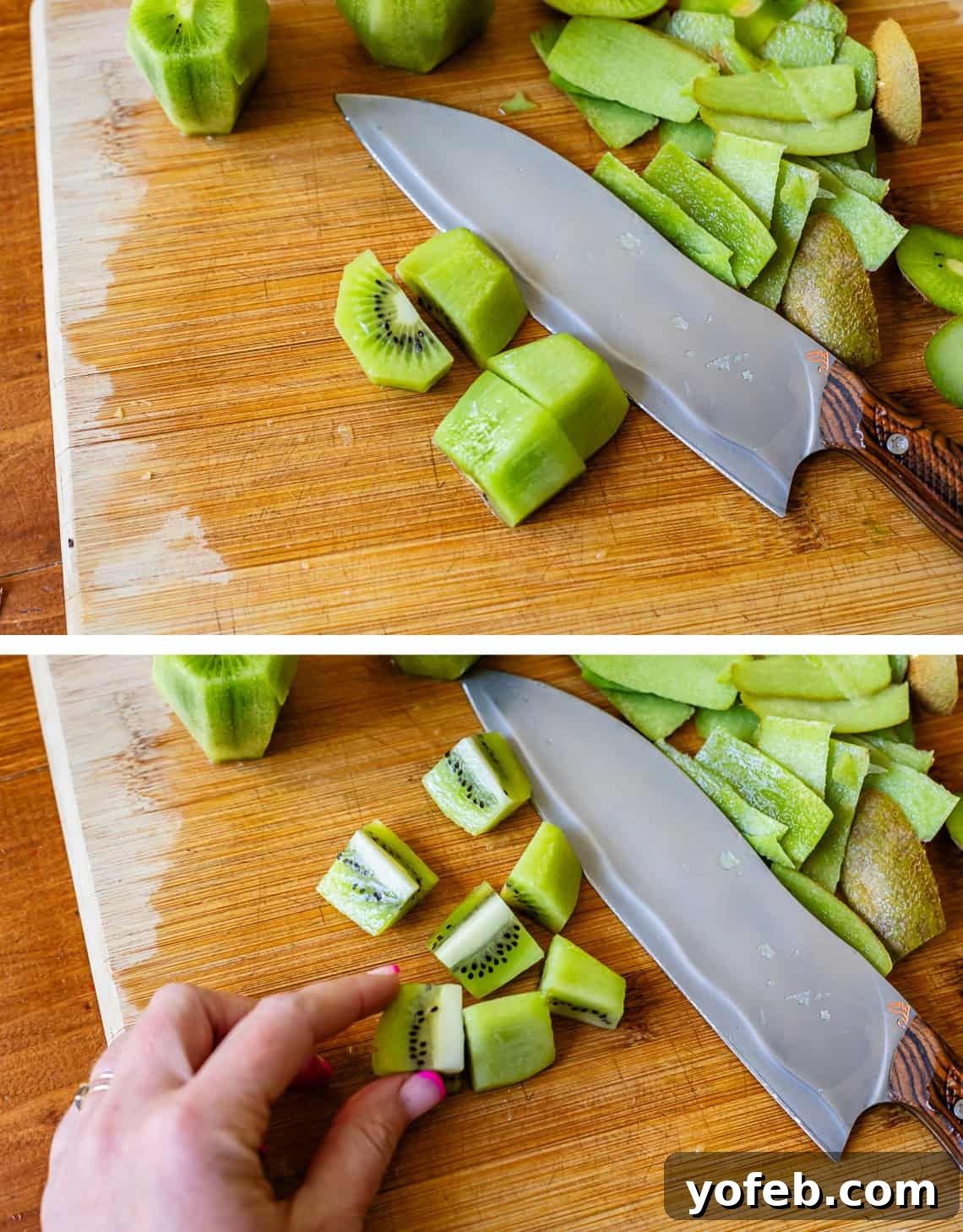
It’s crucial not to dice your kiwi too small. While tiny pieces might look cute initially, they tend to disintegrate into the salad, leaving you without those satisfying bursts of tangy flavor and textural contrast. Quarter your kiwi, or cut it into eighths at most. This size ensures each piece remains distinct and enjoyable.
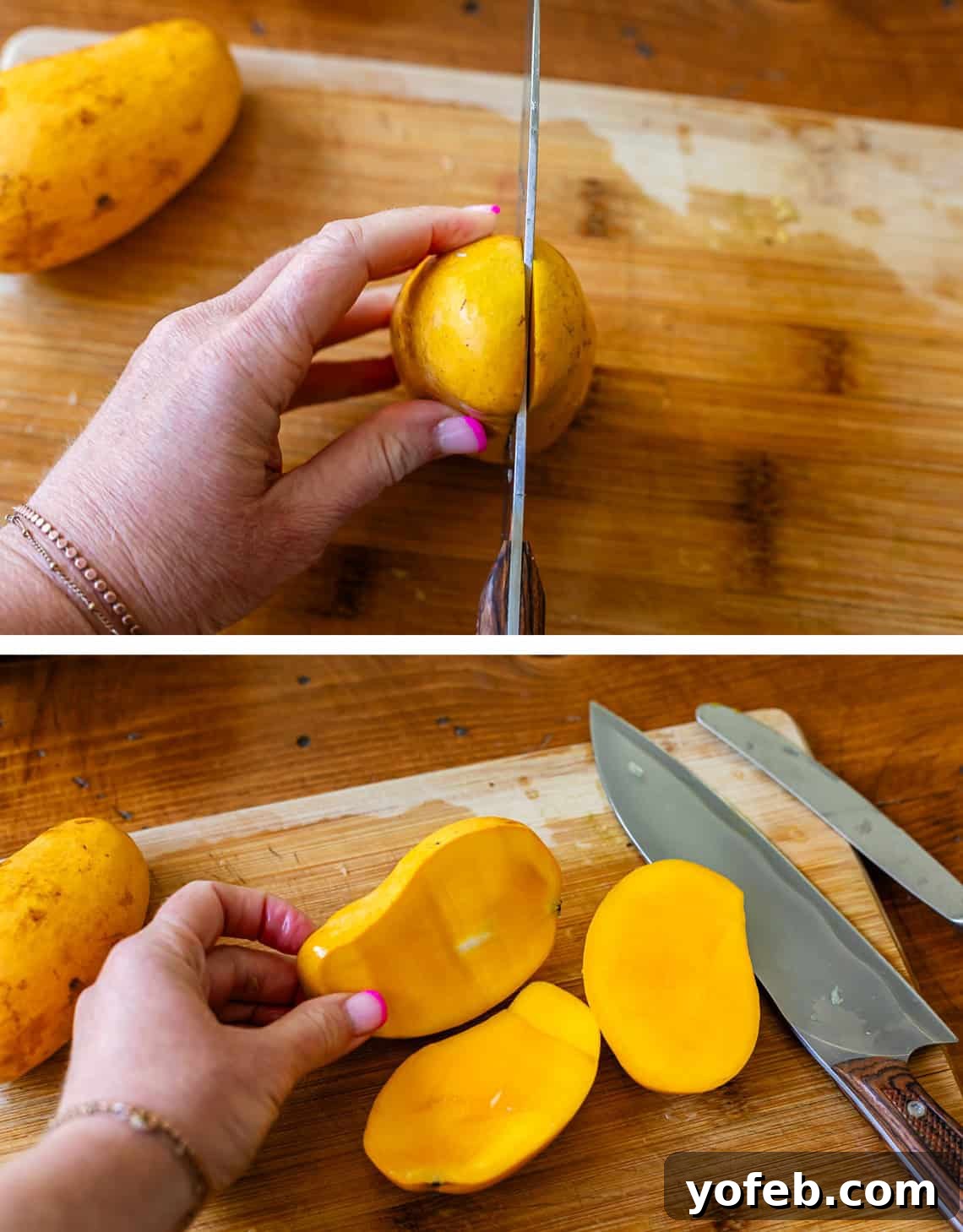
Now, for the mango – often the trickiest fruit to tackle for newcomers (I promise I won’t insult your intelligence by showing you how to halve grapes, though! 😂). Stand the mango upright and slice down, cutting as close to the large, flat pit as you possibly can. Repeat this on the other side to get two large “cheeks.”
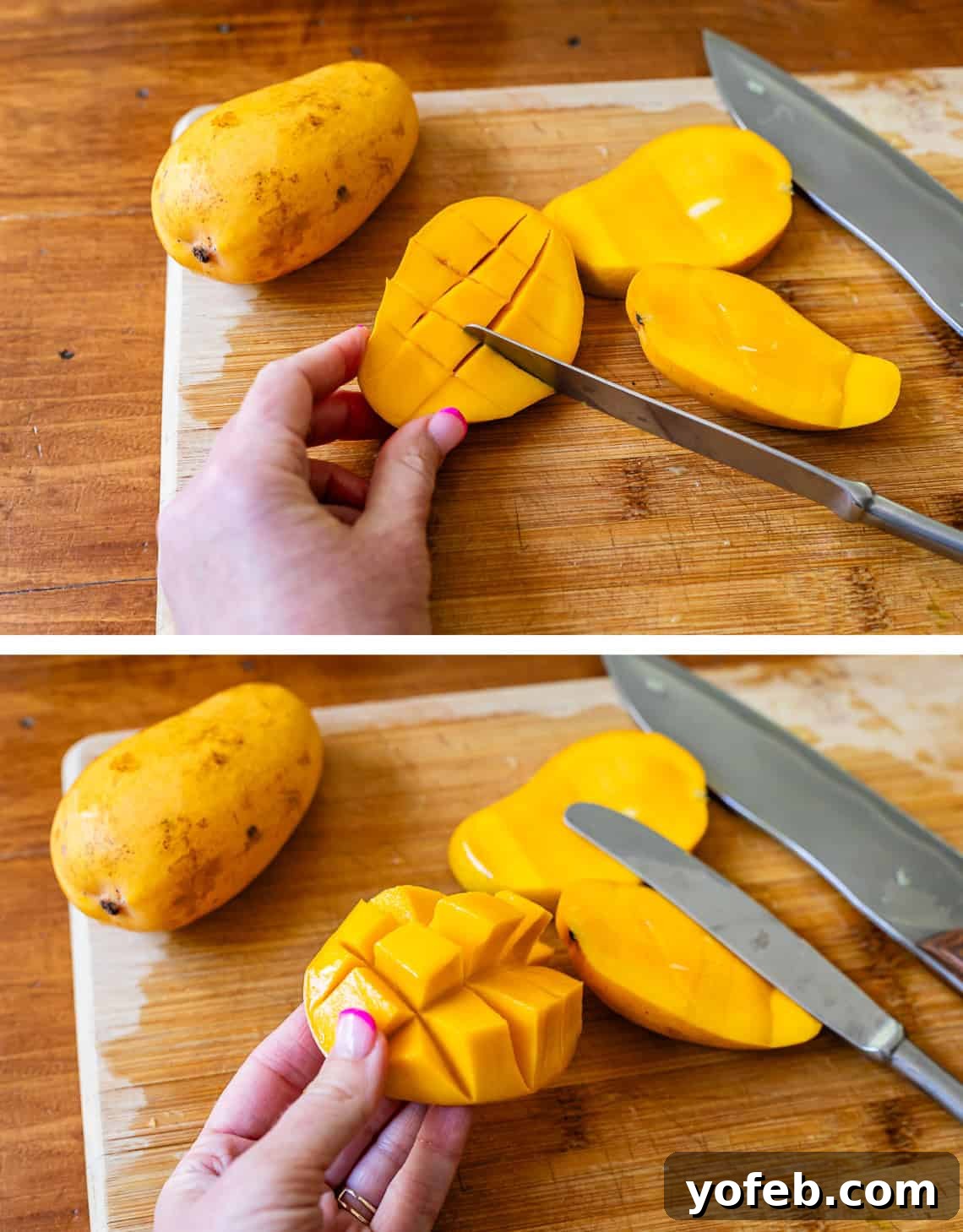
At this point, switch to a butter knife. Mangos are soft, and a butter knife minimizes the risk of cutting yourself while still being effective. Score the flesh of each mango cheek with the butter knife, being careful NOT to cut through the peel. The butter knife naturally helps prevent over-cutting. Then, gently flip the peel back, allowing the mango cubes to pop out. Use your butter knife to carefully slice these cubes away from the skin.
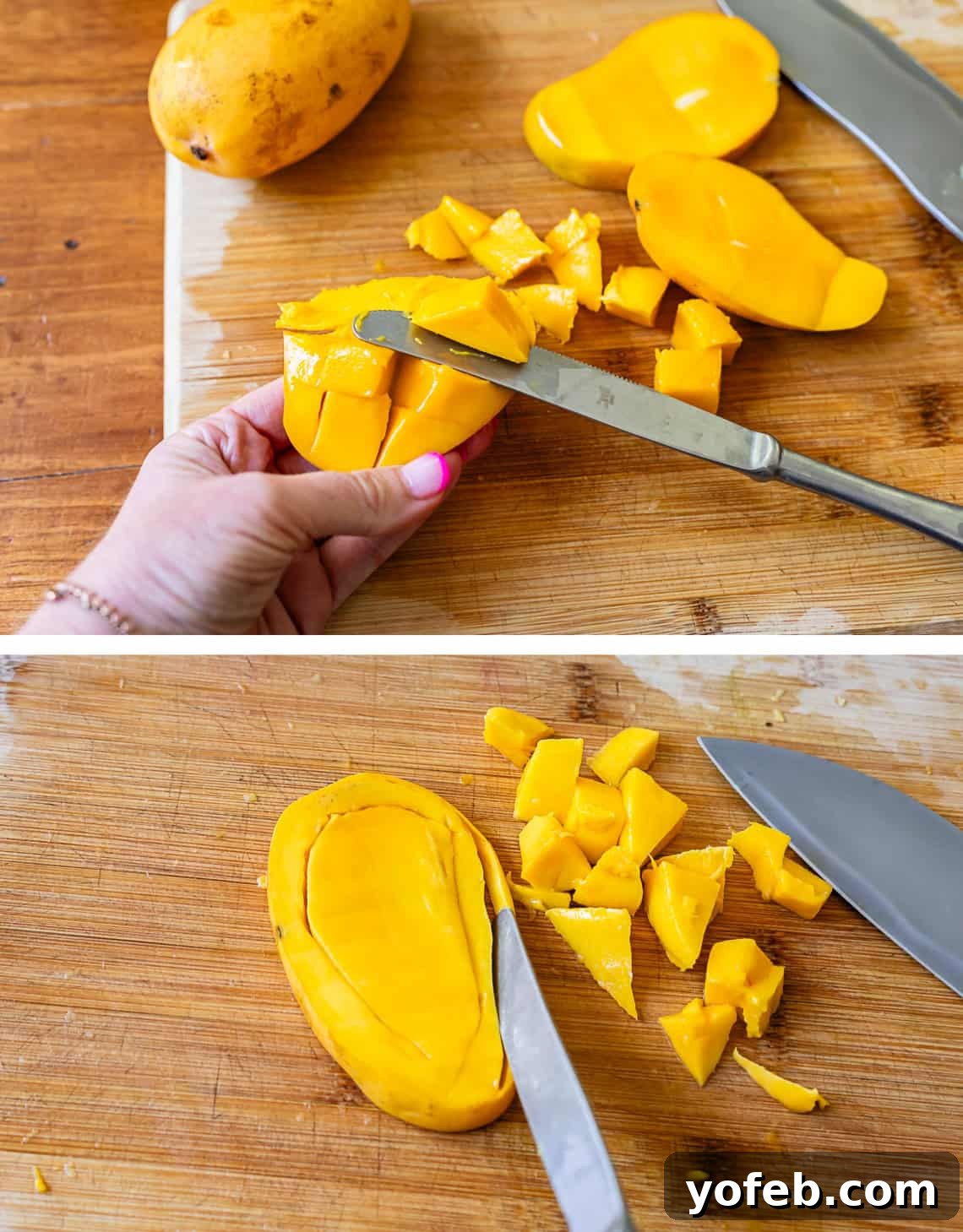
Don’t let any delicious mango go to waste! Use the butter knife to carefully cut around the pit and slice away any remaining skin if you want to extract every last bit of fruit. Once all your fruits are prepped, add them to your serving bowl with the glaze. Give everything a very gentle stir to ensure all the fruits are coated without bruising them. And just like that, your ultimate fruit salad is ready to be devoured!
What to Serve with This Easy Fruit Salad Recipe
This easy fruit salad is incredibly versatile, making it a perfect companion for virtually any meal. It shines equally bright at breakfast, lunch, dinner, or even as a light dessert. Whether you’re planning a casual family meal, hosting dinner guests, or preparing for a major holiday, this fresh fruit salad fits right in. When I think of fruit salad, my mind often drifts to warm weather, grilling season, elegant baby showers, or relaxed Sunday brunches. Here are some of my favorite spring and summer dishes that would beautifully complement this refreshing fruit salad:
- Easy Quiche Recipe with Bacon and Spinach: The creamy custard filling, savory bacon, and fresh spinach create a rich contrast to the fruit’s lightness.
- Savory Breakfast Bread Pudding with Ham and Asparagus: Decadent hollandaise sauce makes this dish feel special, and the fruit salad provides a palate-cleansing refreshment.
- Chile Rellenos Casserole: A huge crowd-pleaser with its cheesy, slightly spicy profile, perfectly balanced by the cool, sweet fruit.
- Pan-Seared Chicken & Broccolini in Creamy Mustard Sauce: This restaurant-quality dish benefits from the vibrant, fresh side that fruit salad offers.
- Easy French Onion Soup: When the soup is hearty enough to be a meal itself, a light and refreshing fruit salad makes an ideal accompaniment.
- Grilled Chicken Marinade Recipe: A staple at my house during grilling season, the sweet and tangy fruit salad pairs wonderfully with smoky grilled chicken.
- Ribeye Steak Recipe (Grilled or Pan-Seared): The richness of a perfectly cooked steak is beautifully cut by the brightness of a fresh fruit salad.
- Smash Burger Recipe (Cast Iron Burgers): My absolute favorite way to make burgers; a cool fruit salad provides a fantastic contrast to the hot, savory patties.
- BBQ Smoked Pulled Pork (on a Gas Grill): Fall-apart tender pork with incredible smoked flavor finds a perfect partner in a fresh, palate-cleansing fruit salad.
- Nana’s Fall-Off-The-Bone Ribs and “Barb”-ecue Sauce: A cherished Fourth of July tradition for us; the fruit salad offers a refreshing break from the rich, tangy ribs.
- Hash Brown Egg Nests with Avocado from The Cooking Jar: A hearty breakfast option that pairs well with fresh fruit.
- Grilled Shrimp with Honey Garlic Marinade from Cooking Classy: The delicate flavors of shrimp are enhanced by a sweet and tangy fruit salad.
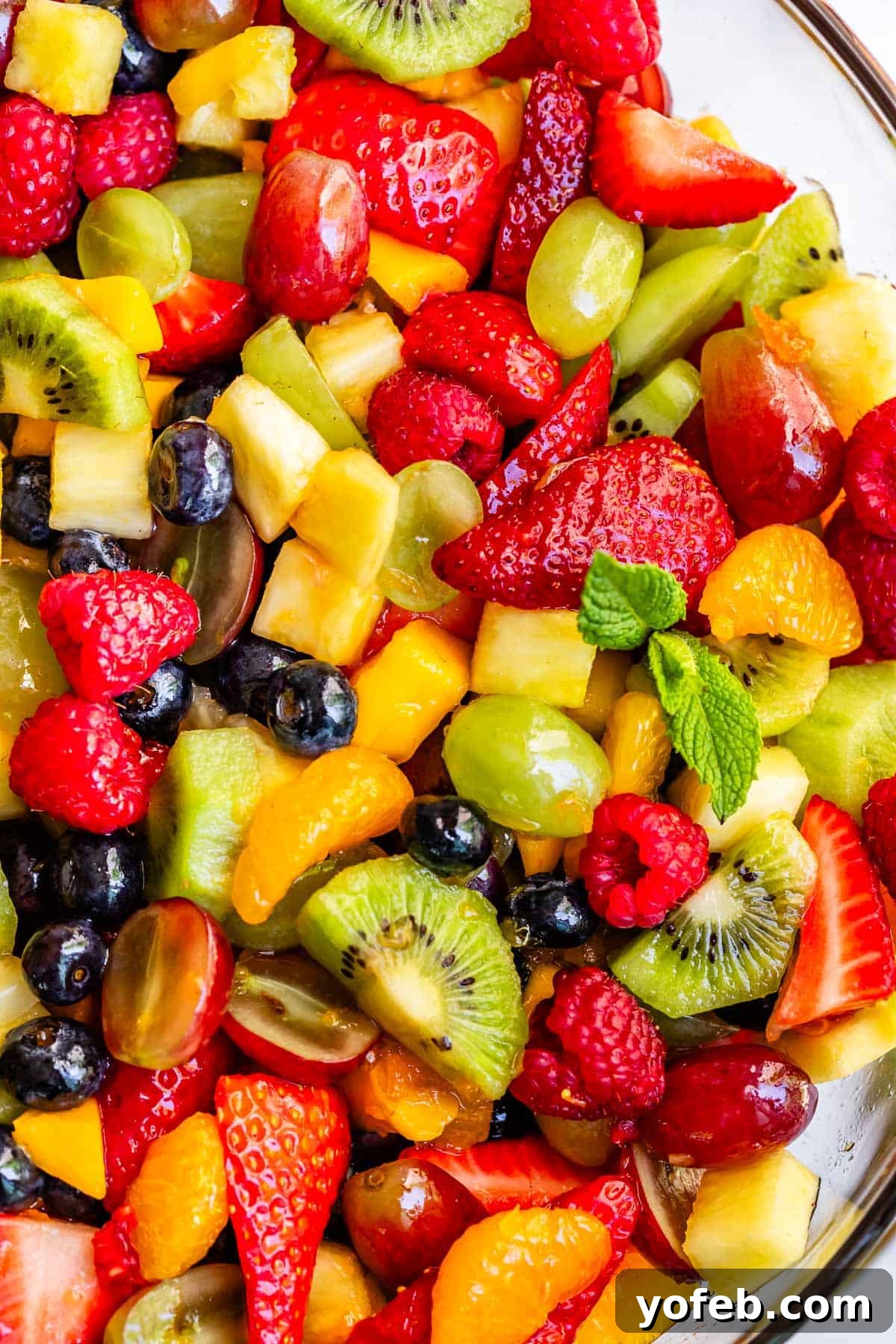
How to Store Fruit Salad for Maximum Freshness
To keep your delicious fruit salad at its best, store it in an airtight container in the refrigerator. While it will be safe to eat for approximately 4-5 days, it’s important to note that the longer it sits, the more juice will accumulate at the bottom of the bowl. This can lead to the fruit becoming soggier and its vibrant flavors diminishing. For optimal taste and texture, try to consume your fruit salad within 2-3 days.
Fruit is wonderfully healthy and always a good choice, so don’t hesitate to enjoy it as quickly as possible! If you find yourself with an abundance, invite your neighbors over for an impromptu gathering – they’ll undoubtedly appreciate a fresh, flavorful treat, and you’ll ensure none of your beautiful fruit goes to waste.
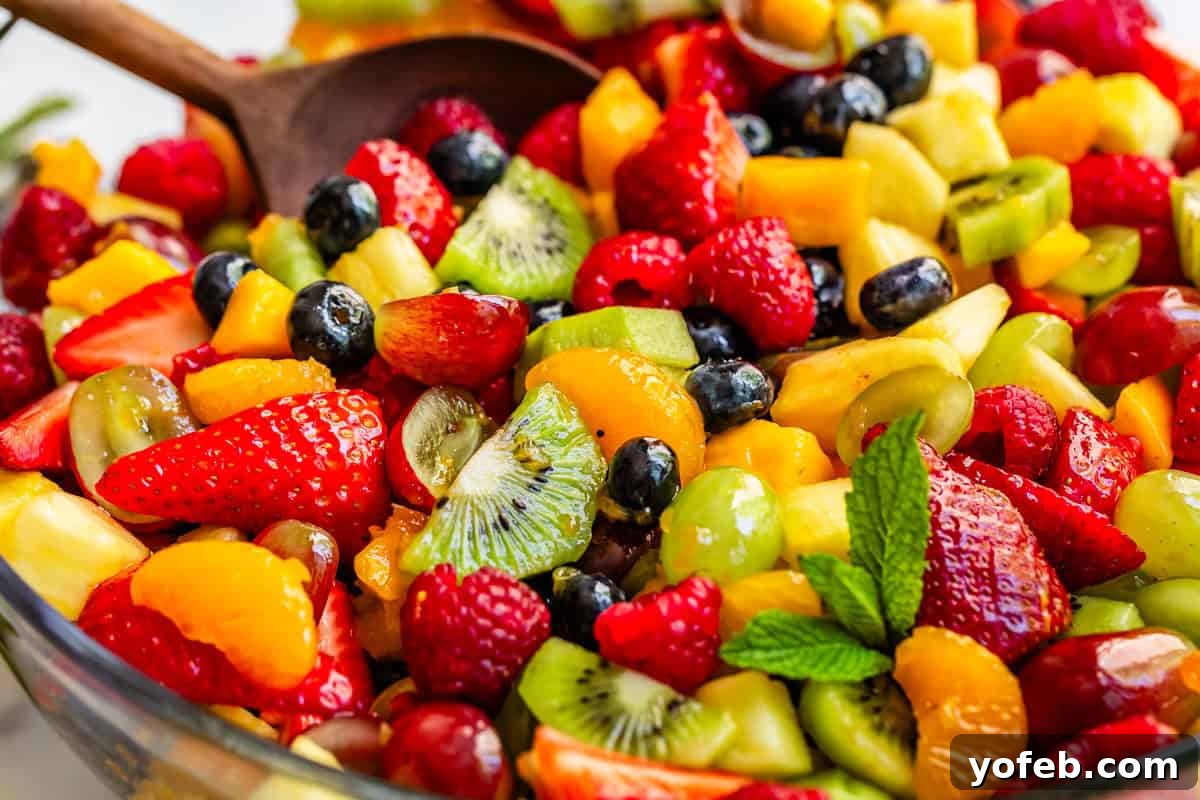
Can You Freeze This Recipe for Fruit Salad?
Technically, yes, you could freeze fruit salad. It would remain safe to eat after thawing. However, I highly, highly recommend against freezing this recipe. The primary reason lies in the extremely high water content of fresh fruit. When fruit freezes, the water inside its cells expands, causing the cell walls to burst. Upon thawing, this results in a mushy, watery texture that is far from palatable.
Fruits like apples and bananas, if included (which they aren’t in this recipe for other reasons!), would quickly brown and become soft and unappetizing. Berries, while often frozen individually for smoothies, become very soft and lose their distinct shape and texture in a salad context. Any citrus fruits also do not hold up well to freezing. So, my friends, trust my judgment on this one: a fresh fruit salad is meant to be savored. It’s best enjoyed promptly, perhaps as part of every meal until it’s gone, rather than attempting to preserve it in the freezer!
Fruit Salad Frequently Asked Questions
Beyond just fruit, a truly exceptional fruit salad (like this recipe) often includes a delicious dressing or glaze to bind the flavors and textures, elevating it beyond a simple bowl of mixed fruit. When selecting fruits, it’s crucial to consider variations in size, texture, and flavor to create a balanced and exciting experience. There are indeed a few “nope” fruits to steer clear of due to potential texture issues or browning (which we’ll cover in the next question). Otherwise, there’s plenty of room for personal preference! Fruit salads can be themed – think a vibrant mixed berry salad, a lush stone fruit salad, an exotic tropical fruit salad, a refreshing mixed melon salad, or a classic summer fruit salad. Today, we’re focusing on a mixed fruit salad, which combines various fruits for a diverse flavor profile. Because it’s a mix, achieving the right balance of flavor and texture combinations is precisely why I get so particular!
Certain fruits are best omitted from a mixed fruit salad to maintain optimal taste and texture. First on my “no-go” list are bananas. They quickly become mushy and can impart a strong, sometimes overwhelming flavor to the entire salad, not to mention their rapid browning. While I understand some people love bananas, if you insist on adding them, do so at the very last possible moment. My other firm exclusion is apples. My husband, Eric, is particularly adamant about this; he won’t touch a fruit salad containing apples (looking at you, Chick-fil-A!). Apples are significantly harder than most other salad fruits, and as you stir, their firm pieces can mash softer fruits and create an uneven, sometimes pokey, texture in your mouth. Watermelon, while an amazing summer fruit, is simply too watery for fruit salad. Its high moisture content will dilute any dressing and make the entire mixture soggy. Lastly, pomegranate seeds, despite their visual appeal, are too hard and crunchy to blend harmoniously with softer fruits. If punctured, their juice can also beautifully (or disastrously) stain the rest of your salad.
The composition of fruit salad dressing is quite flexible and depends entirely on personal preference! Many opt for a simple sweetener like a little granulated sugar. Some dressings lean towards dessert, incorporating whipped cream (or cool whip), pudding mixes, or even gelatin. Others prefer a light simple syrup made from sugar or honey dissolved in water or fruit juice, which is then poured over the fruit. For the most minimalist approach, some individuals use only fruit juice or no dressing at all, allowing the natural flavors of the fruit to speak for themselves. In this particular recipe, we use a bright and engaging combination of apricot preserves and fresh lemon. I adore how this glaze adds a delightful zing and a subtle layer of complexity that truly enhances the fruit without overpowering its inherent deliciousness.
The optimal way to prepare a vibrant fruit salad is to start with your dressing or glaze! It’s wise to prepare the dressing first and have it ready in your large serving bowl. This is particularly important because some fruits will begin to oxidize and brown almost immediately after being cut. By having the glaze ready, you can add the chopped fruits directly into it, which helps to coat them and slow down the browning process. Begin by cutting the “hardier” fruits first, as outlined in the recipe card, and then move on to the more delicate ones. As you add each chopped fruit to the bowl, give everything a very careful and gentle stir. This ensures all the fruits are coated evenly with the glaze while minimizing bruising and maintaining their beautiful individual shapes. Voila, your fresh and fabulous fruit salad is ready to be enjoyed!
For me, elevating a fruit salad is primarily about the dressing. The perfect dressing should act as a cohesive element, adding a touch of sweetness and brightness without ever overshadowing the natural, distinct flavors of each fruit. We want to celebrate that wonderful sweet-tart balance that each piece of fruit brings! The best fruit salads simply enhance the inherent greatness of the fruit.
As mentioned, paying close attention to texture, size, and flavor combinations is also paramount. Aim to cut all the fruits into roughly similar, bite-sized pieces for a consistent and enjoyable mouthfeel. Actively avoid fruits that will introduce unwanted crunchiness (like apples), excessive wateriness (like watermelon), or mushiness (like bananas) into your delicate salad.
Beyond the core recipe, a light, thoughtful topping or garnish can significantly elevate your fruit salad. Consider sprinkling with some very finely chopped nuts for a subtle crunch, a sprinkle of granola for added texture and sweetness, or a bit more fresh lemon or lime zest for an extra aromatic kick. For an adventurous touch, try incorporating fresh herbs like finely chopped mint or basil, a hint of anise, or even a touch of grated fresh ginger. These additions can transform a simple fruit salad into a gourmet experience.
More Amazing Fruit Recipes to Explore
I am undeniably a “fruit person.” I absolutely adore it! It’s nature’s perfect candy, offering endless possibilities for delicious creations. If you share my passion, you’ll love these other fantastic fruit-filled recipes from my collection:
- Chicago Style Fruit Pizza: All the goodness of fresh fruit atop a thick, chewy cookie crust with a luscious cream cheese frosting – pure bliss!
- 2-Ingredient Sugar-Free Fruit Dip: Perfect if you prefer to keep your fruits separate or are looking for a quick, healthy protein boost with your snack.
- Best Ambrosia Salad Recipe: This is the amped-up, dessert-ified older sister of fruit salad, rich and indulgent.
- How to make Strawberry Shortcake: The authentic, traditional kind, just like grandma used to make, with real shortcake.
- Strawberry Spinach Salad: The absolute best way to enjoy a generous amount of spinach – by pairing it with an abundance of fresh strawberries!
- Chicken Salad with Mandarin Oranges: A delightful classic featuring tender chicken, bright mandarin oranges, sweet grapes, crunchy almonds, and layers of flavor.
- Blackberry Balsamic Glazed Chicken: Marinated, grilled to perfection, and then finished with the most exquisite fruit glaze.
- Truly The Best Crepes I’ve Ever Had: While crepes themselves aren’t fruit, in my opinion, fresh fruit makes the most heavenly filling!
- You should also explore my Pies, Pastries & Tarts recipe page. I promise you’ll find an abundance of fruit goodness there!
- Tropical Yogurt Overnight Oat Parfaits from Budget Bytes: A convenient and delicious breakfast or snack.
- Watermelon Sorbet from A Couple Cooks: A wonderfully refreshing treat for a hot day.
Facebook | Pinterest | Instagram
The Very Best Fruit Salad Recipe
Everybody needs a killer Fruit Salad, and this one is my favorite! You might not think you need a recipe (don’t you just…cut up some fruit?) But, as usual, I have insanely specific opinions about what fruit combo makes for the BEST Fruit Salad (and which ones ruin it). Also tips for sizing your dice, plus an easy glaze that brings out the best sweet-tartness from your summer bounty. Perfect for BBQ’s or any potluck situation!
Recipe Details
- Prep Time: 30 minutes
- Total Time: 30 minutes
- Servings: 10
- Course: Side Dish
- Cuisine: American
- Keyword: Fruit, Salad
Ingredients
- 1/3 cup apricot preserves
- 1/4 cup granulated sugar
- 1 teaspoon lemon zest
- 2 tablespoons lemon juice
- 1 pineapple, chopped smaller than usual
- 2 cups purple grapes, halved
- 2 cups green grapes, halved
- 1 pound strawberries, hulled and quartered
- 5 kiwi, peeled and quartered
- 2 large mangos (or 4 small mangos), chopped
- 10 ounces blueberries
- 6 ounces raspberries, optional
- 2 (11-ounce) cans mandarin oranges, drained
- Fresh mint, to garnish, optional
Instructions
- In a large, attractive serving bowl, combine the glaze ingredients: 1/3 cup apricot preserves, 1/4 cup sugar, 1 teaspoon lemon zest, and 2 tablespoons lemon juice. A microplane grater is excellent for zesting the lemon, enhancing the brightness of the fruit without making it overtly “lemony.” Stir all ingredients together until well combined.
- Begin chopping the fruit in the suggested order: Dice the pineapple into smaller pieces than you typically would. Add these to the serving bowl with the glaze.
- Use a serrated knife to halve approximately 2 cups of purple grapes and 2 cups of green grapes. Add them to the bowl.
- Hull 1 pound of strawberries and then slice them into quarters. Carefully add these to the fruit salad.
- Remove the ends from 5 kiwi, then use a peeler or paring knife to remove the skin. Slice each kiwi in half, then in half again. For optimal texture and to prevent disintegration, do not chop them smaller than eighths. Add the kiwi pieces to the bowl.
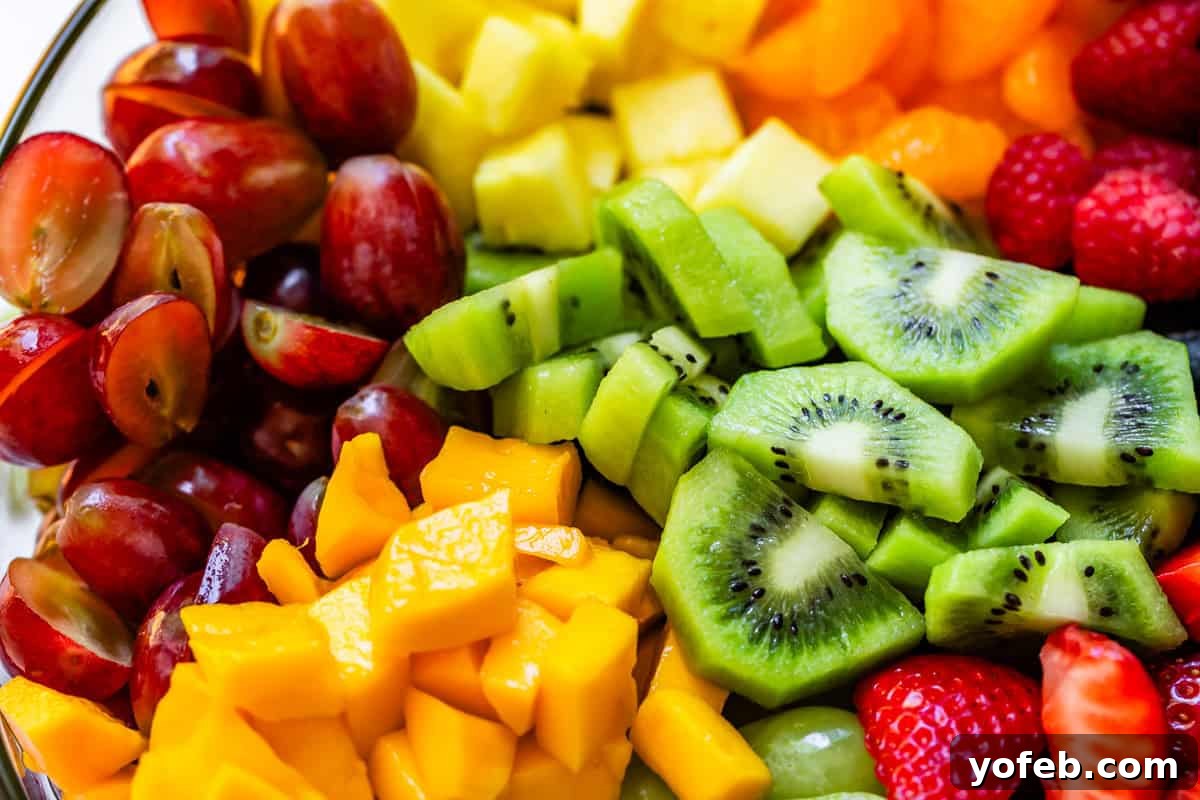
- Prepare the mangos: Position each mango upright and slice down through the flesh, as close as possible to the central pit. Repeat on the other side. Score the mango halves with a knife (or safer, a butter knife), being careful not to cut through the peel. Then, gently flip the mango so the fruit segments jut out. Carefully slice the fruit away from the peel. Refer to the photos above for visual guidance if needed. Add the chopped mango to the bowl.
- Add 10 ounces of blueberries and 6 ounces of raspberries (if using) to the bowl. Very gently, stir all the fruits and glaze together to ensure everything is evenly coated without bruising the delicate berries.
- Open and thoroughly drain 2 cans of mandarin oranges. Gently add the drained mandarin oranges to the bowl and lightly stir them in.
- Serve your fruit salad immediately, garnished with fresh mint if desired. The fresher it is, the more flavorful it will be. Store any leftovers covered in the refrigerator and aim to eat them as soon as possible for the best taste and texture! Consider sharing with friends or family to enjoy it at its peak.
Notes
Make ahead: For the freshest possible fruit salad, it’s always best to serve it shortly after preparation. However, if you need to prepare it a few hours in advance, I recommend chopping all the fruits and placing them in your serving bowl by themselves. Mix the glaze ingredients in a separate small bowl, cover, and chill both separately. Just before serving, combine the chilled fruit with the glaze and stir gently. This method significantly helps to prevent the fruit from becoming soggy during the waiting period.
Nutrition
Calories: 217kcal | Carbohydrates: 55g | Protein: 3g | Fat: 1g | Saturated Fat: 0.1g | Polyunsaturated Fat: 0.4g | Monounsaturated Fat: 0.1g | Potassium: 500mg | Fiber: 7g | Sugar: 42g | Vitamin A: 624IU | Vitamin C: 130mg | Calcium: 54mg | Iron: 1mg