
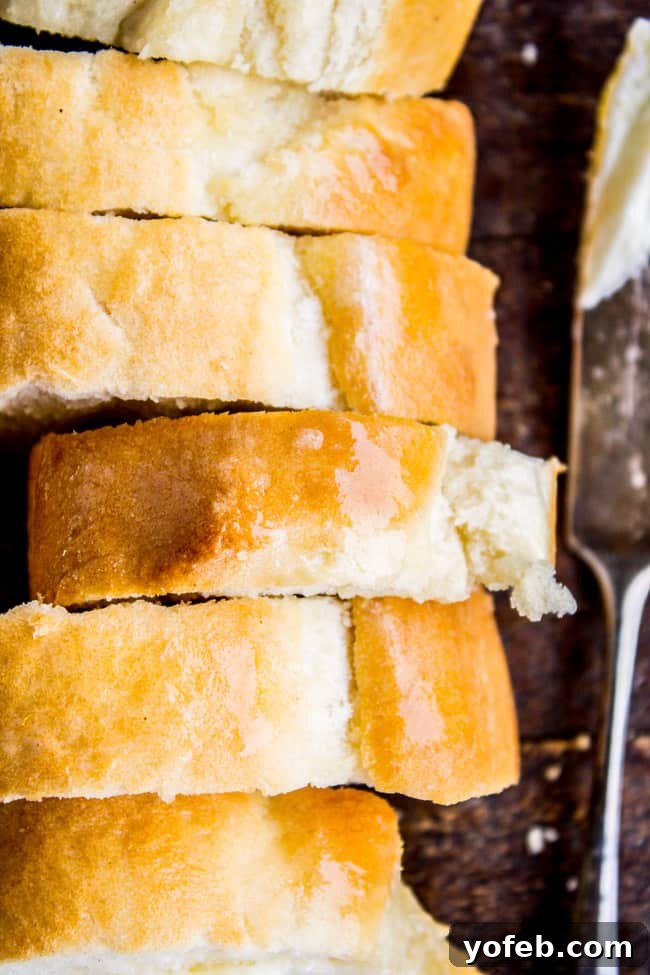
Imagine golden, crusty homemade French bread, fresh from the oven, ready to be slathered in butter or dipped in fragrant olive oil and balsamic vinegar. What if I told you this dream could be a reality in just one hour? This incredible yeasty French bread recipe features a single, quick 20-minute rise, followed by another 20 minutes in a screaming hot oven. The result? Pure, warm, buttery bliss. Say goodbye to lengthy bread-making sessions – your perfect loaf is only an hour away! (Originally posted February 23, 2017, updated for today’s busy home bakers.)
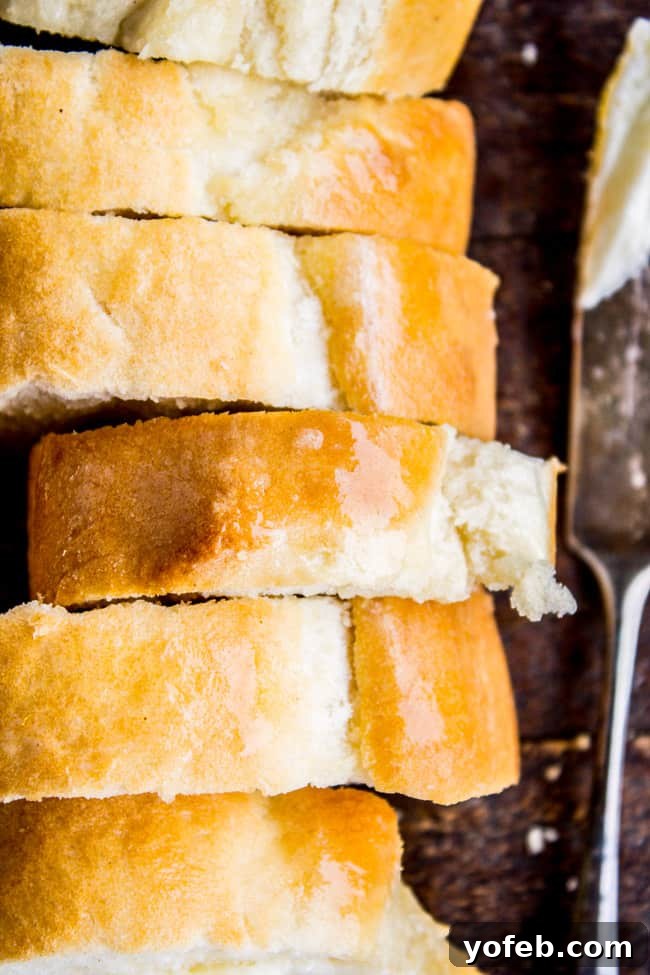
Table of Contents
- The Magic of One-Hour French Bread: Why It Works
- What is French Bread? A Culinary Journey
- French Bread vs. Baguette: Understanding the Differences
- Easy French Bread Recipe: Essential Ingredients
- Best French Bread Recipe Variations and Serving Suggestions
- Pro Tips for Storing and Freezing Your Homemade French Bread
- Quick French Bread Recipe FAQs
- Other Irresistible Bread Recipes to Try!
- One Hour French Bread Recipe
Life moves fast. Between work, errands, and family commitments, finding time for elaborate baking projects can feel like an impossible feat. Yet, the craving for warm, homemade bread, with its comforting aroma filling your kitchen, is undeniable. Many traditional French bread recipes demand hours of rising time, making them a weekend-only indulgence. But what if you could have that golden, crusty loaf on a busy Tuesday evening?
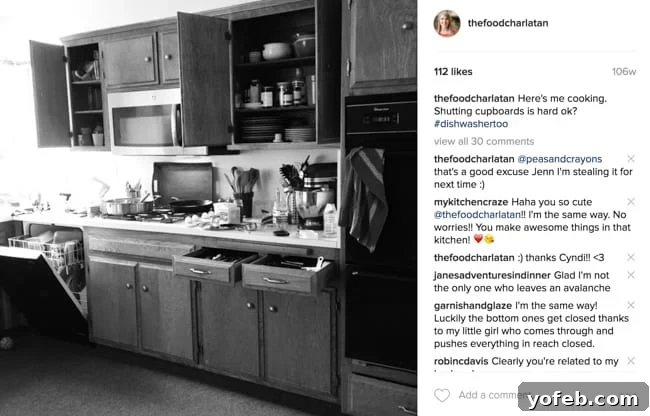
We’ve all been there: rushing through dinner prep, leaving a trail of open cupboard doors and scattered ingredients in our wake. The kitchen becomes a whirlwind of activity, a testament to our dedication to getting a delicious meal on the table. In such moments, the thought of waiting three hours for bread to rise is simply out of the question. This is where the magic of our one-hour French bread recipe truly shines, offering a solution to your busy schedule without compromising on flavor or texture.
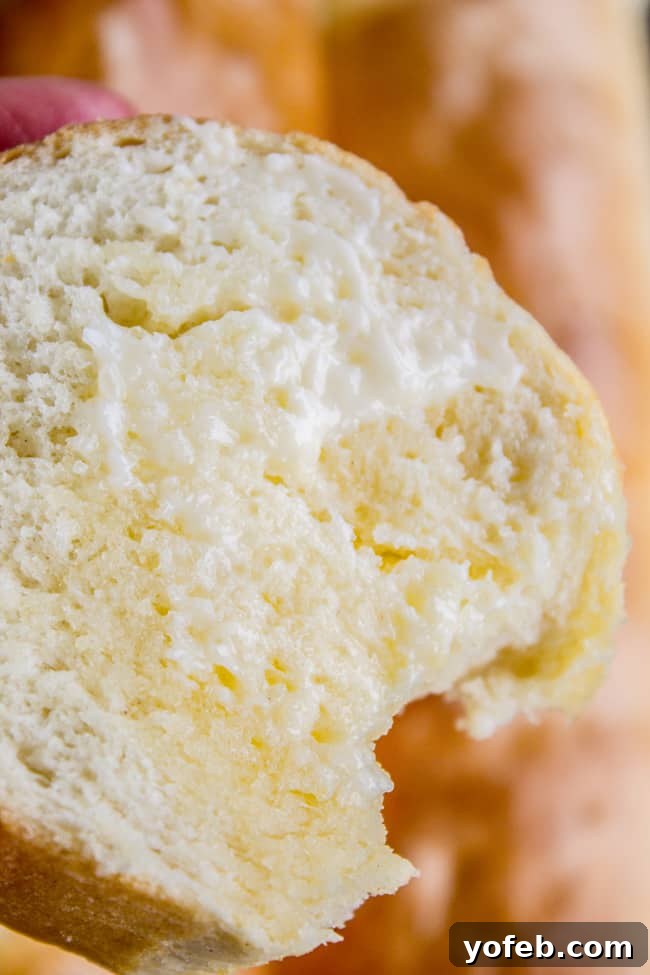
This recipe isn’t just fast; it’s a game-changer for anyone who loves the taste of authentic French bread but lacks the patience for traditional methods. Forget the elaborate rituals and multiple rises. With just one active rise, you’ll achieve a golden-brown crust and a tender, airy interior that rivals loaves from your favorite bakery. It’s the perfect accompaniment to almost any meal, transforming an ordinary dinner into something truly special.
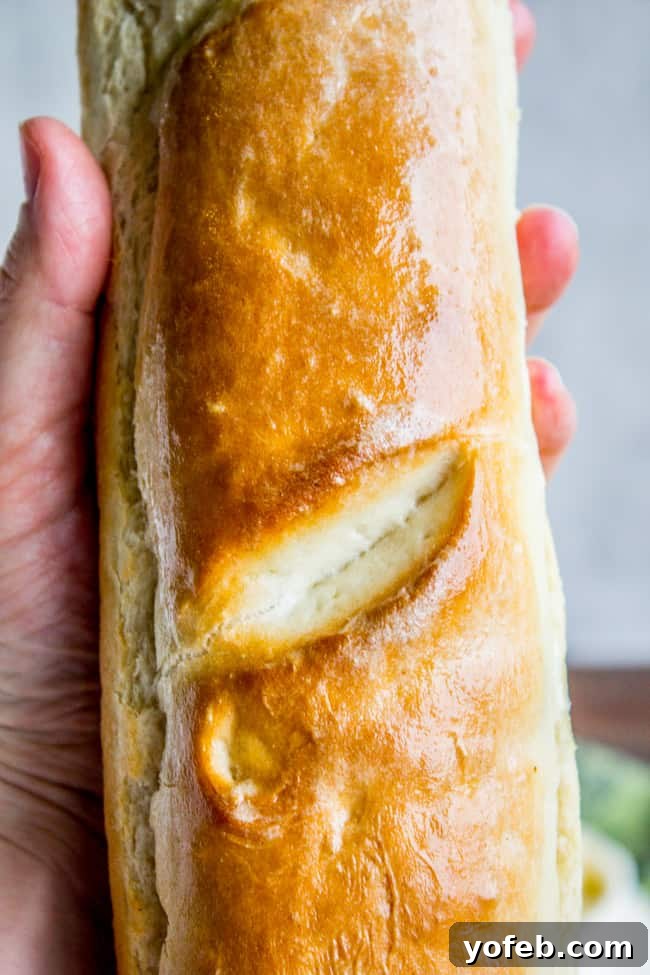
So, whether you’re hosting an impromptu dinner party or simply craving the irresistible warmth of homemade bread with your weeknight soup, this recipe is your new best friend. It delivers exceptional flavor and texture in a fraction of the time, proving that delicious French bread doesn’t have to be a labor of love that consumes your entire afternoon.
The Magic of One-Hour French Bread: Why It Works
Many people wonder how it’s possible to create a truly delicious French bread loaf in such a short amount of time. The secret lies in harnessing the power of yeast and high-temperature baking. Unlike traditional recipes that call for multiple, lengthy rises, this expedited method uses a slightly increased amount of active dry yeast. This boost in yeast activity allows the dough to rise much more quickly and vigorously.
By giving the dough a single, focused 20-minute rise in a warm environment, we encourage rapid fermentation. This allows the yeast to work its magic, creating air pockets that contribute to the bread’s light and fluffy interior. Once adequately risen, the dough is transferred to a screaming hot oven (preheated to 450°F or 230°C). The intense initial heat provides an immediate burst of energy to the yeast, causing a final surge of expansion known as “oven spring.” This rapid expansion, combined with the high heat, quickly sets the crust, creating that coveted golden, crispy exterior while keeping the inside wonderfully soft.
The result is a truly remarkable loaf of homemade French bread that boasts a perfect balance of crispy crust and tender crumb, all achieved in a mere hour. It’s a testament to smart baking techniques, proving that speed doesn’t have to compromise quality when it comes to bread making. You’ll be amazed at how easily you can achieve bakery-quality results right in your own kitchen.
What is French Bread? A Culinary Journey
The term “French bread” can evoke different images depending on where you are in the world. In its purest form, particularly in France, true French bread adheres to strict legal standards. A classic French baguette, for example, is legally defined by its ingredients: simply flour, water, salt, and yeast. No added oils, fats, or preservatives are permitted. This minimalist approach allows the natural flavors of the wheat and the fermentation process to truly shine, resulting in a bread with a distinct, often slightly tangy flavor and a robust, chewy crust.
However, when you pick up a “French bread” loaf from a grocery store outside of France, you’ll often find a slightly different product. American-style French bread, while inspired by its European cousin, typically includes a small amount of added fat (like butter or oil) and sugar. These additions contribute to a softer crumb, a slightly richer flavor, and often a less aggressively chewy crust, making it more approachable for everyday consumption and versatile for various culinary applications. This adaptation doesn’t diminish its deliciousness; rather, it makes it a different, yet equally beloved, staple.
Our one-hour French bread recipe embraces this American interpretation, including a touch of butter and sugar to create an irresistibly delicious, tender-crumbed loaf with a beautiful golden crust. The goal here is simple: provide an easy, fast, and delicious homemade bread option that satisfies your cravings without the strict adherence to French bakery laws. It’s the perfect canvas for everything from simple butter and jam to gourmet sandwiches, garlic bread, or even homemade croutons. Its versatility makes it an invaluable addition to any home cook’s repertoire.
French Bread vs. Baguette: Understanding the Differences
While often used interchangeably, “French bread” and “baguette” actually refer to distinct styles of bread, each with its unique characteristics that make them suitable for different purposes.
- Shape and Size: The most obvious difference is their form. A baguette (meaning “stick” or “rod” in French) is characteristically long, thin, and narrow, typically measuring around 2-3 inches in diameter and 20-28 inches in length. French bread, on the other hand, is generally wider and shorter, often shaped into a broader loaf about 4-6 inches wide and 12-18 inches long. This broader shape makes it more stable for slicing and serving.
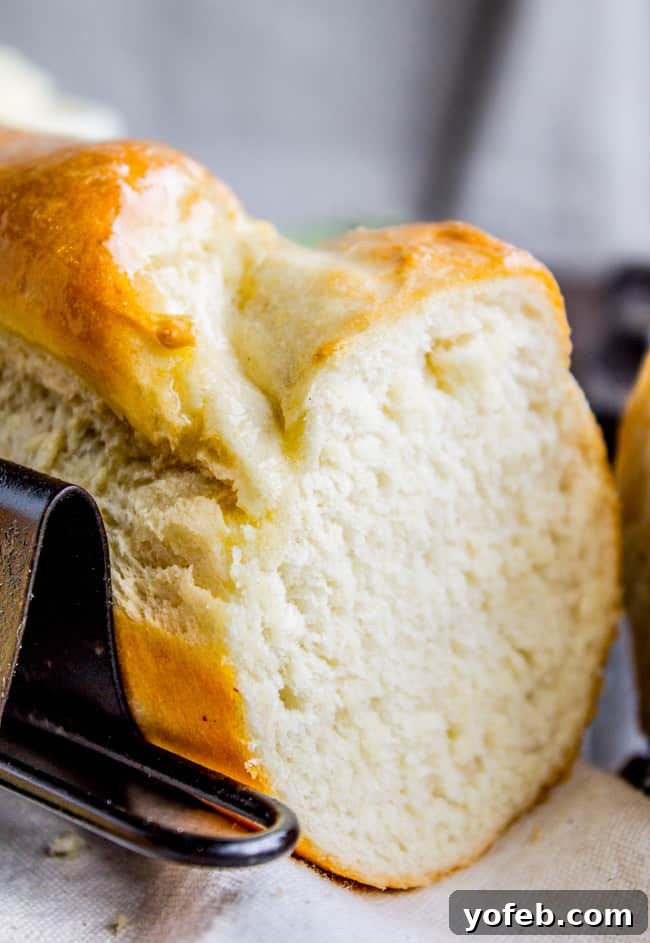
- Crust and Crumb: Baguettes are known for their exceptionally thick, intensely crusty, and often chewy exterior, which protects a relatively sparse, airy, and irregular crumb (the soft interior). French bread, while still possessing a lovely crust, tends to be softer and less aggressively chewy on the outside, with a more consistent and typically softer, fluffier crumb inside. This softer crumb is often attributed to the inclusion of a small amount of fat and sugar in American-style French bread, which is absent in traditional baguettes.
- Baking Requirements: Traditional baguettes often benefit from specialized baguette pans that cradle the dough during rising and baking, helping them maintain their distinct shape and promoting an all-over crust. French bread, due to its wider shape, is much more forgiving and can be baked perfectly well on a simple flat baking sheet, making it more accessible for the home baker without requiring special equipment.
- Versatility: Both are delicious, but their differences make them suited for different uses. Baguettes are ideal for tearing and dipping, or for creating elegant open-faced sandwiches. French bread, with its sturdier structure and softer interior, excels in recipes like garlic bread, French toast, bread puddings, or as the base for pizza. Its robust nature holds up better to moisture and toppings.
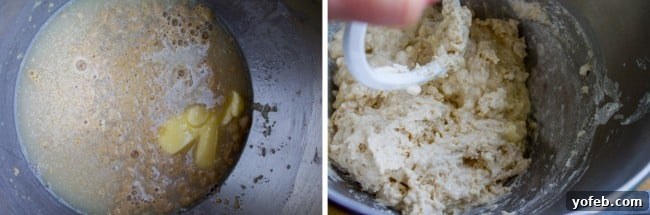
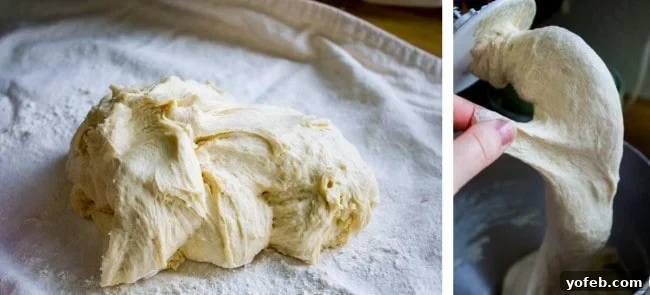
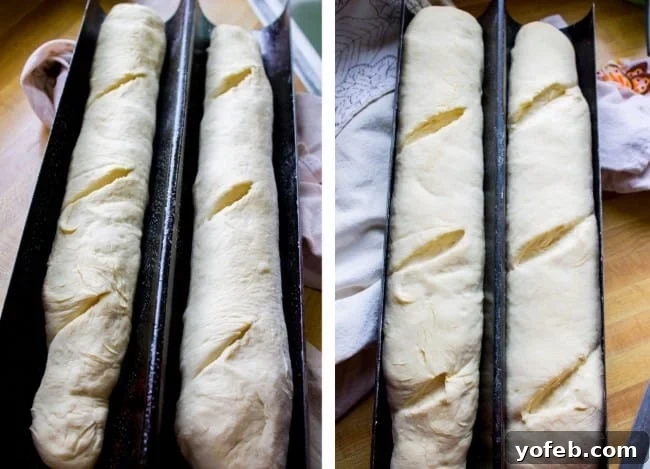
This particular French bread recipe yields a loaf with a gorgeous, inviting crust and a tender, fluffy interior. While a baguette pan can enhance the all-over crispiness, especially on the bottom, it’s by no means essential. You can absolutely shape this versatile dough on a regular baking sheet and still achieve a remarkably delicious loaf. The most important thing is that you end up with perfectly baked bread, soft in the middle and wonderfully crispy on the outside. Pass the butter, indeed!
Easy French Bread Recipe: Essential Ingredients
Creating this quick and easy French bread requires just a handful of basic pantry staples. The simplicity of the ingredients truly highlights the quality of the bread itself. Here’s what you’ll need:
- Warm Water: Crucial for activating the yeast. Ensure it’s comfortably warm, like bathwater – too hot will kill the yeast, too cold won’t activate it.
- Granulated Sugar: This isn’t just for sweetness; it acts as food for the yeast, helping it to activate quickly and vigorously, and contributes to the beautiful golden-brown crust.
- Active Dry Yeast: The star of our “one-hour” magic! Using a slightly higher amount ensures a rapid and robust rise. Make sure your yeast is fresh and active for best results.
- Salt: Essential for flavor, balancing the sweetness and enhancing the bread’s overall taste. It also helps control yeast activity.
- Unsalted Butter: Softened butter adds richness, a tender crumb, and contributes to the bread’s lovely texture.
- All-Purpose Flour: The foundation of the bread. Using all-purpose flour helps achieve a softer crumb compared to higher-gluten bread flour, which aligns with the desired texture for this style of French bread. Remember to spoon and level your flour for accuracy!
- Egg White (optional): Brushing the loaf with an egg white wash before baking gives it a beautiful, shiny, and extra-crispy golden crust. It’s a simple step that adds a professional touch.
These simple ingredients, when combined with the right technique, transform into an extraordinary loaf of homemade French bread that’s perfect for any occasion. Refer to the recipe card below for exact measurements and detailed instructions!
Best French Bread Recipe Variations and Serving Suggestions
While this homemade French bread is utterly divine on its own, its versatility truly shines when transformed into other culinary delights or paired with savory dishes. Don’t let a single slice go to waste! Here are some fantastic ideas to elevate your French bread experience:
- Homemade Garlic Bread: A classic for a reason! Slice your fresh French bread, spread generously with softened butter mixed with minced garlic and a sprinkle of garlic salt (or garlic powder and parsley). Broil for 2-3 minutes until golden and fragrant. It’s the perfect companion to any pasta dish, especially spaghetti or lasagna.
- Decadent French Toast: Leftover (or intentionally reserved) slices of French bread make the best French toast. Its slightly denser texture absorbs the egg custard beautifully, yielding a rich and satisfying breakfast or brunch.
- Strawberry Panzanella Salad: For a refreshing twist, cube day-old French bread and toast it lightly. Toss with fresh strawberries, balsamic glaze, basil, and mozzarella for an unexpected and delightful Panzanella salad.
- Quick French Bread Pizza: Transform individual slices into mini pizzas! Top with your favorite sauce, cheese, and toppings, then bake until bubbly. Try our French Bread Pizza (3 Ways) for inspiration.
- Gourmet Croutons: Don’t throw away stale ends! Cube them, toss with olive oil and your favorite herbs (garlic powder, Italian seasoning, black pepper), then bake until crisp. Perfect for soups and salads.
- Elevated Sandwiches: Use thick slices of this crusty bread for hearty sandwiches. It holds up wonderfully to fillings like in these incredible Jalapeno Popper Grilled Sandwiches.
- Elegant Eggs Benedict Base: Go super fancy and use toasted French bread slices as the base for this delectable Grilled Cheese Eggs Benedict, elevating your breakfast game to restaurant quality.
What to Eat with Easy French Bread
The beauty of homemade French bread lies in its versatility. While a warm slice slathered in butter is a divine experience on its own, it also serves as the ultimate companion to a myriad of savory dishes. If you’re looking for inspiration beyond the basic butter, here are some of my favorite meals that pair perfectly with a fresh loaf of this easy French bread:
- Easy Broccoli Cheese Soup (30 Minutes): Is there anything more comforting than dipping a crusty piece of warm bread into a rich, creamy bowl of broccoli cheese soup? It’s a match made in heaven, and the broccoli makes it practically healthy!
- Best Beef Bourguignon Recipe: If you’re feeling a bit more ambitious and want to truly embrace the French culinary spirit, a hearty Beef Bourguignon is an exquisite pairing. The bread is perfect for soaking up every last drop of the rich, wine-infused sauce.
- Zuppa Toscana Recipe: This creamy, slightly spicy soup, loaded with sausage, potatoes, and kale, practically begs for a piece of warm, crusty French bread to dunk into its flavorful broth. It’s an unforgettable combination.
- Best Chicken Alfredo Recipe: The rich, velvety sauce of a classic Chicken Alfredo finds its perfect counterpart in the airy texture and crisp crust of French bread. Use it to scoop up every last bit of creamy goodness.
- 30 Minute Pesto Penne with Chicken and Cherry Tomatoes: This vibrant, flavorful pasta dish is beautifully complemented by French bread. The bread helps to mellow the richness of the pesto and perfectly soaks up any lingering sauce.
No matter what you choose to serve it with, or even if you simply enjoy it plain, this one-hour French bread is guaranteed to be a hit at your table. It elevates any meal, adding a touch of homemade warmth and rustic charm.
Pro Tips for Storing and Freezing Your Homemade French Bread
Freshly baked French bread is undeniably best enjoyed warm from the oven. However, if you find yourself with leftovers (a rare but possible occurrence!), proper storage is key to maintaining its delightful texture and flavor. While you can store French bread on the countertop for 1-2 days or in the fridge for up to a week, I strongly recommend a different approach to truly preserve its freshness and crust:
How to Keep French Bread Fresh
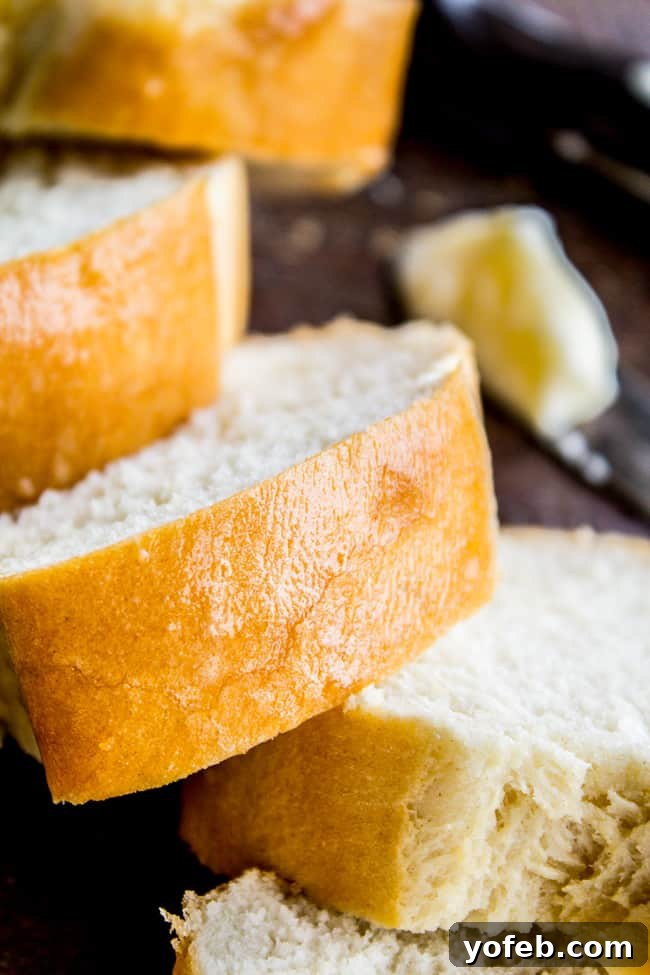
After serving your initial slices, allow the remaining loaf to cool completely. Then, slice the entire remainder of the loaf into individual serving pieces. Place these slices in a freezer-safe ziplock bag or airtight container. Store them in the freezer. This method is a game-changer because it allows you to pull out exactly the number of slices you need, whenever you need them. Simply warm them in a toaster, toaster oven, or conventional oven for a few minutes, and they’ll be wonderfully fresh and crispy again, almost like they were just baked. This prevents the bread from drying out or becoming stale, which often happens with countertop or fridge storage.
Can you Freeze French Bread?
Absolutely, freezing is the best way to extend the life of your homemade French bread! You have a couple of options:
- Whole Loaf: If you prefer to freeze the entire loaf, first ensure it’s completely cooled. Then, wrap it tightly in plastic wrap, followed by a layer of aluminum foil. This double layer helps prevent freezer burn. When you’re ready to enjoy, thaw the loaf at room temperature, then refresh it in a preheated oven (around 350°F / 175°C) for 10-15 minutes until warmed through and the crust is crisp.
- Sliced (Recommended): As mentioned above, freezing pre-sliced French bread offers the most convenience. Just place the cooled slices into a freezer-safe bag. This method makes it incredibly easy to grab a slice or two for quick toast, garlic bread, or a side for your meal. They can go directly from the freezer to your toaster or oven.
With these storage tips, you can enjoy the incredible taste of fresh homemade French bread days or even weeks after you’ve baked it, making your efforts truly last!
Quick French Bread Recipe FAQs
Traditional French bread, like a baguette, is made with only four core ingredients: flour, water, salt, and yeast. American white bread, whether a sandwich loaf or dinner rolls, typically includes sugar and fat (like butter or oil) which give it a softer texture both inside and out, often without a crisp crust. Our French bread recipe incorporates a small amount of butter and sugar for a more tender crumb and rich flavor, yet it still achieves that desirable golden-brown, crispy crust synonymous with good French bread. It’s also often shaped by hand, giving it a rustic appeal, rather than being baked in a standard loaf pan.
The distinctive flavor of French bread comes from several factors. In France, specific flour types with particular grain and mineral content are used, which differ from typical US flours. Additionally, French bakeries often adhere to strict rules, requiring bread dough to be made and baked at the same location, ensuring maximum freshness. The minimal ingredients allow the nuanced flavors developed during the yeast fermentation process to really come through. The hot oven also caramelizes the crust, adding a layer of depth. For our recipe, even with slight additions, the quality of the ingredients and the rapid rise contribute to a wonderful, authentic-tasting loaf.
French bakers utilize various flours depending on the final product. For baguettes, many opt for Type 55, or T55 flour, which has a specific protein content different from common American flours. T55 flour generally has a lower gluten content than much of the Canadian wheat-based flour prevalent in the US, resulting in a softer crumb. For this quick French bread recipe, we recommend using good quality all-purpose flour. Avoid bread flour, which has a higher gluten content and can lead to a chewier, denser loaf than desired for this specific recipe, where we aim for a tender interior and crisp crust.
Yes, it is definitely possible to over knead bread dough, including French bread. Over-kneading develops the gluten too much, resulting in a dense, tough, and chewy texture that can be unpleasant. You’ll notice the dough becoming extremely stiff, difficult to stretch, and lacking its initial elasticity. For this recipe, kneading for 6-7 minutes, whether by hand or with a stand mixer, is usually the sweet spot to achieve a smooth, elastic dough without overworking it. Always pay attention to the dough’s feel rather than strictly adhering to time, especially if you’re new to bread making.
Achieving that perfect crispy crust is often a goal for French bread. If your loaf isn’t as crusty as you’d like, several factors could be at play. Firstly, ensure your oven is preheated to the recommended 450°F (230°C) for at least 20 minutes before baking. A truly hot oven is crucial for creating that initial “oven spring” and setting the crust quickly. Secondly, ensure you’re baking it long enough. The bread needs to achieve a beautiful golden-brown color on top and a well-browned bottom. If you’ve shaped one larger loaf instead of two smaller ones, it will likely require a few extra minutes in the oven to cook through and develop that deep crust. Don’t be afraid to let it get nice and dark golden!
To achieve a light and fluffy interior with a crisp crust in your French bread, focus on these key elements:
1. Active Yeast: Ensure your yeast is alive and active. The water you use to activate it should be warm (around 105-115°F or 40-46°C), not hot enough to kill it. Also, use fresh yeast; once opened, it has a limited shelf life (4-6 months in the fridge/freezer).
2. Proper Rise: Even for a one-hour bread, the 20-minute rise is critical. This period allows the yeast to produce carbon dioxide, creating air pockets that expand during baking. The extra yeast in this recipe helps expedite this process effectively.
3. Hot Oven: A super hot oven is your best friend for a fluffy interior. When the dough hits the intense heat, it experiences a final rapid expansion (oven spring). This quick burst of growth contributes significantly to a lighter, more airy crumb. The exterior sets quickly, trapping the steam and allowing the interior to become exceptionally tender and voluminous.
As a perfect accompaniment to your warm French bread, you should absolutely take an extra 5 minutes to prepare this incredible Restaurant-Style Olive Oil and Balsamic Bread Dip. It’s heavenly and takes this bread experience to another level! If you whip up this (or any of my recipes), I’d love to see your creations! Share them on Instagram using the hashtag #TheFoodCharlatan and tag @thefoodcharlatan. It always makes my day to see what you’re baking!
Other Irresistible Bread Recipes to Try!
If you’ve fallen in love with the joy of homemade bread after trying this French bread recipe, you’re in luck! There’s a whole world of delicious yeasty creations waiting for you. Here are some more fantastic bread recipes that are sure to become family favorites:
Garlic Knots Recipe << These savory knots are a labor of love that is absolutely worth every minute. Big, beautiful, tender knots drenched in a dreamy garlic butter – they’re perfect for pasta nights!
Big Fat Crescent Rolls << Impress your guests with these gorgeous, buttery crescent rolls. They look fancy, but I promise they’re easier to make than you think!
One Hour Yeast Rolls (Reesy Rolls) << Another incredible one-hour wonder! These soft, fluffy yeast rolls were a classic growing up and are perfect for any meal when you need a quick bread fix.
Aunt Shirley’s Famous Dinner Rolls << My family’s absolute must-have rolls for every holiday and special occasion. They’re melt-in-your-mouth tender and endlessly buttery.
Garlic and Rosemary Skillet Bread << Baked in a cast-iron skillet and bursting with garlic and fragrant rosemary. This rustic bread is perfect for tearing and sharing.
Buttery Sweet Potato Rolls << Not just for Thanksgiving! These subtly sweet and incredibly tender rolls are a delightful twist on classic dinner rolls.
Classic Crusty Herbed Dinner Loaf from Sugar Dish Me
5 Seed Dinner Rolls from Sprinkles and Sprouts
Savory Onion Cheese Rolls from Mindee’s Cooking Obsession
Facebook | Pinterest | Instagram

One Hour French Bread Recipe
Ingredients
- 1 & 1/2 cups warm water
- 1 tablespoon white sugar
- 1 & 1/2 tablespoons dry yeast*
- 1 & 1/2 teaspoons salt
- 1 & 1/2 tablespoons butter, softened
- 3-4 cups all purpose flour, spooned and leveled
- 1 egg white, optional (for brushing)
Instructions
-
Preheat your oven to 450 degrees F (230 C). It’s crucial to do this now so your oven is piping hot when the bread goes in, ensuring a good crust and oven spring.
-
In a large mixing bowl or the bowl of a stand mixer, combine the warm water (about 105-115 F / 40-46 C), sugar, yeast, and salt. The water should feel like a comfortable warm bath – test it on your wrist.
-
Place your bowl in a slightly warm spot (the top of your preheating oven is perfect if it’s not too hot). Let it sit for a few minutes. If the yeast is active, you’ll see bubbles forming on the surface. If there are no bubbles, your water might have been too hot or too cold, or your yeast is old. Discard and start over with fresh yeast and properly tempered water.
-
Once the yeast is bubbly, add the softened butter and 1 cup of the all-purpose flour. Stir these ingredients together until well combined.
-
Gradually incorporate the remaining flour. Start with 3 cups total (including the cup from the previous step). If using a stand mixer, attach the dough hook. Add the last cup of flour a quarter cup at a time until the dough begins to pull away from the sides of the bowl but still remains slightly sticky. The exact amount of flour can vary based on humidity. (Refer to the photos for visual cues.) I typically use most of the fourth cup.
-
Knead the dough for 6-7 minutes. Continue until the dough becomes smooth, elastic, and springy to the touch. This develops the gluten structure for a tender crumb.
-
Lightly grease a baking sheet or prepare a baguette pan with nonstick spray.
-
Shape the dough. You can form one large loaf, approximately 12-14 inches long, or divide the dough in half to create two smaller loaves (as shown in the photos, to fit a baguette pan).
-
Using a sharp serrated knife, make 3-4 diagonal half-inch deep slits across the top of each loaf. This allows the bread to expand without tearing and creates a beautiful rustic appearance.
-
Cover the shaped dough loosely with a clean tea towel and let it rise in a warm place for 20 minutes. It should roughly double in size.
-
Once the loaves have risen, gently remove the tea towel.
-
In a small bowl, whisk one egg white vigorously with a fork until it’s frothy. Use a pastry brush to evenly coat the tops and sides of the bread with the egg white. This optional step contributes to a shiny, crisp crust.
-
Carefully transfer the bread to the preheated oven.
-
Bake for approximately 20 minutes. The bread is done when the top is a beautiful shiny golden-brown and the bottom sounds hollow when tapped. For a crispier crust, you can bake it for a few minutes longer. (Note: larger loaves may require more baking time).
-
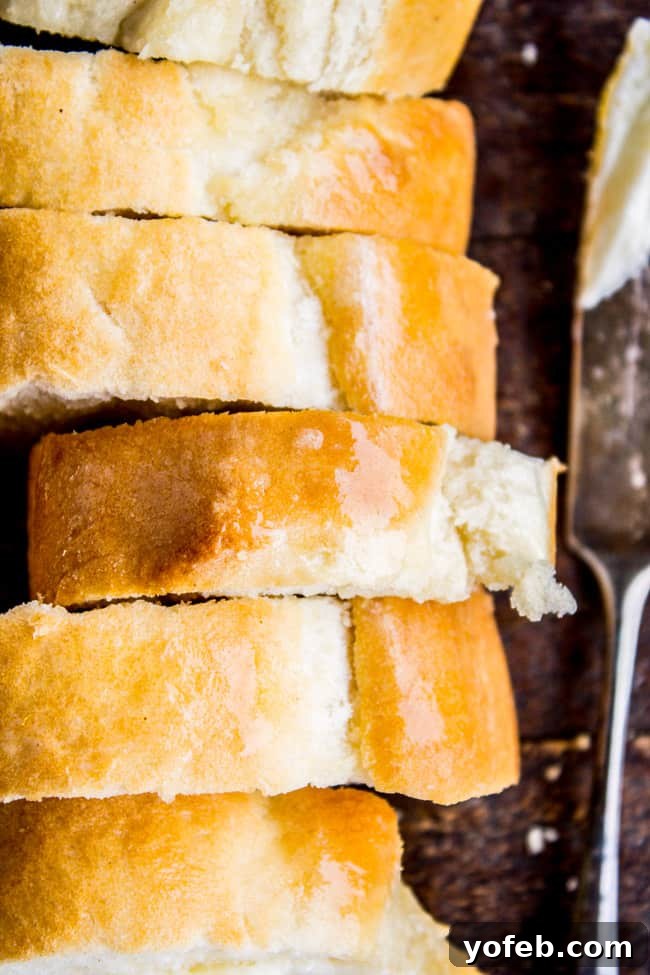
Remove from the oven, let cool on a wire rack for a few minutes to allow the interior to set, and then slice and devour warm with plenty of butter or your favorite dip! Enjoy your fresh, homemade French bread!
Video
Notes
**I baked my bread in a beloved baguette pan, but this recipe works perfectly fine on a regular baking sheet. The shape will be slightly different, but the delicious taste and texture remain. Here is a baguette pan that would make a similar shape to the pictures shown here, or here is a regular French bread pan if you prefer larger, wider loaves. Remember, larger loaves may require a slightly longer baking time.
For a truly exquisite accompaniment, try my Restaurant-Style Olive Oil and Balsamic Bread Dip. It takes less than five minutes to prepare and is an absolute game-changer!
Source: I adapted this delightful recipe from a recipe card shared during a church activity.
Nutrition
Did you make this? I’d love to see it!Mention @thefoodcharlatan or tag #thefoodcharlatan!
This post contains affiliate links. Thanks for your support!