
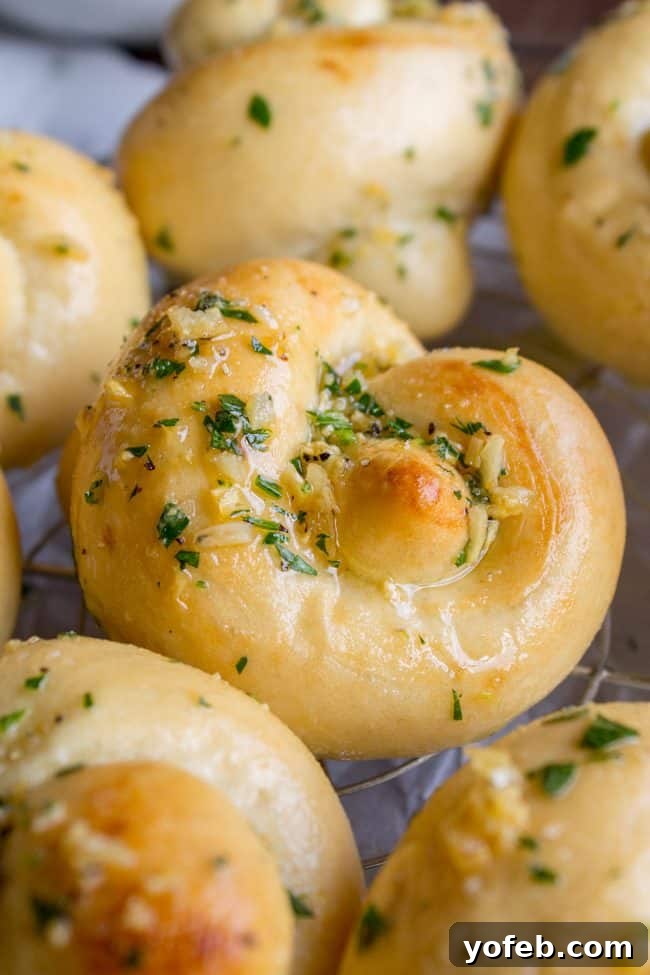
Welcome to the ultimate guide for crafting the most irresistible Garlic Knots you’ll ever taste! Forget everything you thought you knew about dinner rolls because these chewy, soft, and profoundly flavorful knots, drenched in a generous coating of garlicky, buttery goodness, are about to become your new obsession. Perfect for elevating your Thanksgiving or Easter feast, or simply as a show-stopping side for a weeknight pasta dish, these homemade garlic knots promise a culinary experience so delightful, you won’t be able to stop at just one. Prepare to impress your family and friends with this timeless recipe, originally shared on March 27, 2019, and cherished ever since.
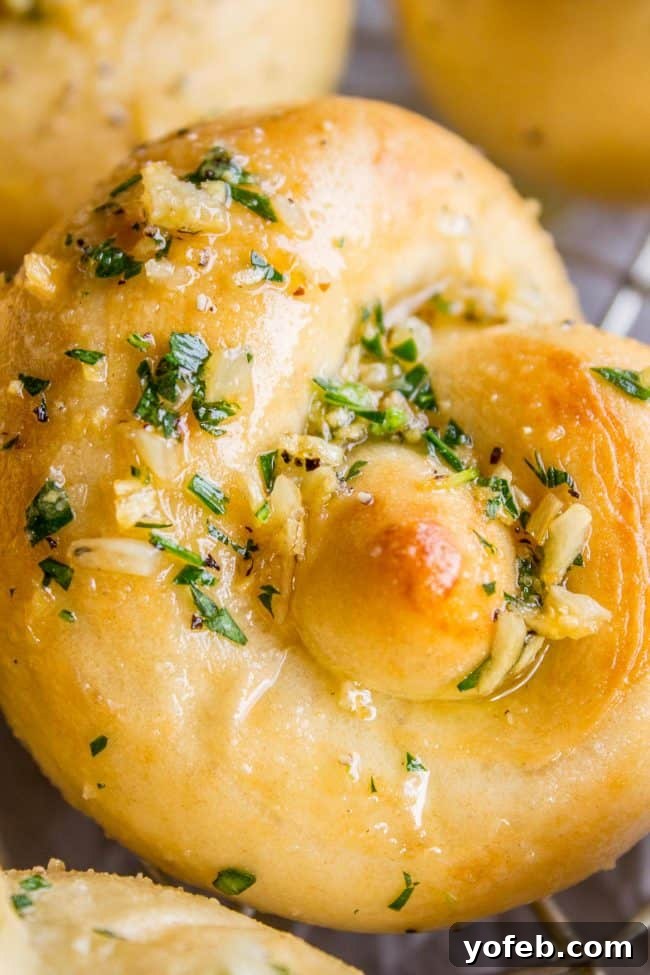
Table of Contents
- The Irresistible Allure of Homemade Garlic Knots
- A Journey into Yeast Baking: From College Days to Culinary Creations
- What are Garlic Knots? A Deeper Dive
- Essential Ingredients for the Best Garlic Bread Knots
- Customizing Your Garlic Knots: Clever Substitutions and Variations
- Mastering the Art of Making Garlic Knots
- How to Tie the Perfect Garlic Bread Knots
- Perfect Pairings: What to Serve with Your Homemade Garlic Knots
- Storing and Reheating Leftover Garlic Bread Knots for Maximum Enjoyment
- Garlic Knots FAQs: Your Burning Questions Answered
- More Yeasty Bread Recipes to Satisfy Your Cravings
- Best Garlic Knots Recipe
The Irresistible Allure of Homemade Garlic Knots
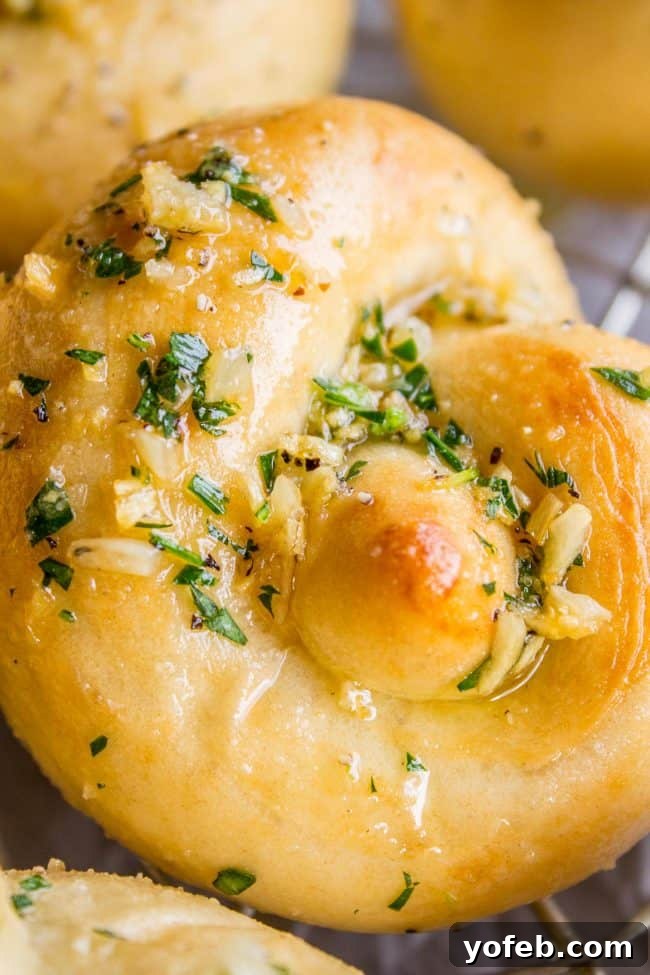
There’s something truly magical about the aroma of freshly baked bread filling your kitchen, especially when that bread is brimming with the pungent, savory essence of garlic and the rich embrace of butter. Our homemade garlic knots are designed to deliver just that experience—a culinary delight that goes beyond mere side dish status. Each knot offers a perfect balance of a lightly crisp exterior and a wonderfully soft, airy interior, all lovingly coated in an herb-infused garlic butter. These aren’t just rolls; they are miniature flavor bombs, destined to steal the spotlight at any meal, turning even the simplest gathering into a memorable feast.
A Journey into Yeast Baking: From College Days to Culinary Creations
My passion for baking with yeast truly blossomed during my college years. I remember a particular church activity in a charmingly rundown apartment in Provo, Utah, where my best friend Sarah hosted a session titled “How to Make an Impressive Dinner.” Surrounded by fellow 19 and 20-year-old girls, we embarked on a culinary adventure, creating everything from a sophisticated main course to elegant sides and decadent desserts.
Sarah’s homemade rolls were a revelation. Growing up, my mom never ventured into yeast baking, perhaps intimidated by the “knead for 8 minutes” instruction. For me, witnessing Sarah effortlessly transform simple ingredients into impressive, fluffy bread was nothing short of amazing. It opened my eyes to the incredible potential of baking from scratch.
When my siblings and I left for college, Mom thoughtfully provided each of us with a small booklet of her go-to recipes. These were practical, budget-friendly, and quick meals—like her famous “Chicken and Broccoli Stuff” or “Chicken Patties and Mashed Potatoes” (a combination of frozen chicken patties and homemade mashed potatoes that remains a family favorite).

My copy of that recipe booklet, which I still cherish, had a dedicated section for “BREADS.” Eagerly, I’d turn to it, only to find Mom’s candid advice:
BREADS: Go to the bread aisle of the grocery store or day-old bread store. Pick out something that looks good, like garlic or French bread for Italian dishes, whole wheat or cracked wheat for toast and sandwiches, soft rolls for most everything else, though sourdough is also good. (Sorry—I don’t do yeast. If you want recipes for actual homemade bread and rolls, I suggest calling your aunt Shirley.)
While Mom’s pragmatic approach certainly has its merits, I’m here to assure you that the reward of homemade yeast bread, especially these flavorful garlic knots, is absolutely worth the effort. If, however, the idea of kneading still feels daunting, you can always revert to Mom’s advice and find excellent pre-made options. But for those ready to embrace the warmth and satisfaction of baking, let’s dive into making these incredible garlic knots from scratch!
What are Garlic Knots? A Deeper Dive
Garlic knots are a beloved staple in Italian-American cuisine, often found alongside pizza or pasta dishes. They are essentially small, savory bread rolls, traditionally made from a simple yeast dough (much like pizza dough) that is rolled into thin strips, tied into a knot shape, baked until golden, and then generously coated in a flavorful mixture of melted butter, fresh garlic, and herbs.
Their history is rooted in the pizzerias of New York City, where chefs would use leftover pizza dough to create these delightful appetizers, minimizing waste while offering customers a delicious bonus. This humble origin story has blossomed into a global phenomenon, with garlic knots becoming a standalone favorite. What sets them apart is their unique texture—chewy and substantial, yet incredibly soft on the inside—and their unparalleled ability to soak up the rich, aromatic garlic butter. They are the perfect vehicle for any leftover sauce, ensuring not a single drop of deliciousness is wasted.
Featured Comment
“I have made these 4 times & they are just wonderful. Definitely don’t wait for Thanksgiving to make them! They pair well with so many meals. They are delicious & soft. Thank you for this awesome recipe!”
– Glenda
See All Comments
Essential Ingredients for the Best Garlic Bread Knots
Crafting these exceptional garlic knots begins with a selection of fresh, high-quality ingredients. While the full recipe card below provides precise measurements, here’s a convenient shopping list to help you gather what you’ll need for both the dough and the luxurious garlic butter:
- Active dry yeast
- Granulated sugar
- Kosher salt
- High-quality olive oil
- Bread flour
- Unsalted butter
- Fresh garlic cloves
- Black pepper
- Fresh parsley (optional, but highly recommended for flavor and color)
Using bread flour is key to achieving that wonderfully chewy texture characteristic of authentic garlic knots, thanks to its higher protein content. Fresh garlic is non-negotiable for the most vibrant flavor, and a good olive oil adds depth to the dough and richness to the butter sauce.
Customizing Your Garlic Knots: Clever Substitutions and Variations
This recipe is wonderfully adaptable, allowing you to tailor your garlic knots to various dietary needs or personal preferences. Here are some smart substitutions and variations to consider:
- For a Vegan Version: Easily transform these into a vegan-friendly treat. Instead of using a combination of butter and olive oil for the garlic sauce, simply use ½ cup of olive oil. The resulting knots are still incredibly flavorful and satisfying, retaining that rich, savory profile that makes them so irresistible. This modification is a tried-and-true method, inspired by my friend Anne, and ensures everyone can enjoy them.
- Breadsticks vs. Knots: If you’re looking for a simpler shape or prefer a classic breadstick, you can skip the knot-tying step. After dividing the dough, roll each piece into an 8-inch long “snake” and arrange them on your baking sheet. They might bake slightly faster than knots, so start checking for doneness around 15 minutes. This creates a fantastic dipping stick for soups and sauces!
- Flour Alternatives: While bread flour is recommended for its high protein content, which contributes to the characteristic chewiness, you can absolutely use all-purpose flour if that’s what you have on hand. Your garlic knots will still be delicious, though they may have a slightly softer, less chewy texture. When using all-purpose flour, you might need to adjust the amount slightly; start with the recommended amount and add a little more if the dough feels too sticky, until it reaches a smooth, elastic consistency.
- Herb Variations: While fresh parsley is classic, feel free to experiment with other herbs in your garlic butter. Fresh rosemary, thyme, or oregano can add wonderful depth and complexity. A sprinkle of red pepper flakes can also introduce a subtle, delightful kick.
- Cheesy Garlic Knots: For an extra layer of indulgence, consider sprinkling a tablespoon of grated Parmesan or Pecorino Romano cheese over the knots immediately after dipping them in the garlic butter. The residual heat will slightly melt the cheese, creating an even more savory experience.
Mastering the Art of Making Garlic Knots
This fantastic recipe comes from my best friend Sarah’s mom, Anne—a true connoisseur of yeasty breads, both savory and sweet. Anne also shared her incredible Garlic and Rosemary Skillet Bread recipe and her delightful Maple Butter Twist Coffee Cake. Her expertise shines through in these garlic knots, making the process both rewarding and surprisingly fun! Here’s a closer look at the key steps and what to expect as you work with the dough:
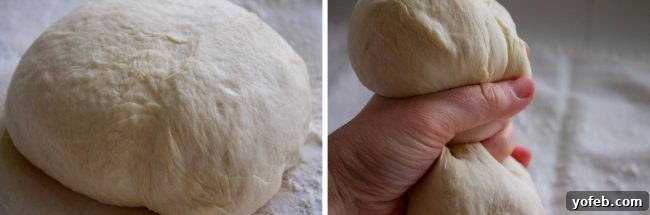
The journey begins with activating your yeast, a crucial step to ensure your dough rises beautifully. Remember, warm water is key—think comfortable bathwater, not scalding hot. Once your yeast is bubbly and active, you’ll incorporate the remaining dough ingredients, gradually adding flour until you achieve a smooth, elastic dough. Kneading is an essential part of developing gluten, which gives the knots their signature chewiness. Whether you’re using a stand mixer with a dough hook or kneading by hand, aim for about 7-8 minutes until the dough is no longer excessively sticky and springs back when gently poked.
After the first rise, often called the bulk fermentation, your dough will have doubled in size. This indicates that the yeast has done its work, filling the dough with air pockets. Gently punch down the dough to release the gases, which helps create a finer, more even crumb. This is also a good time to preheat your oven to a low “warm” setting for a few minutes and then turn it off to create an ideal environment for the second rise if your kitchen is cool. This controlled warmth ensures a consistent and successful rise.
The garlic butter sauce is prepared while the knots are baking, ensuring it’s fresh and warm for dipping. Don’t rush the garlic—cook it gently over low heat until it just begins to turn fragrant and light golden, avoiding any dark browning which can lead to bitterness. The addition of fresh parsley at the end brightens the flavors and adds a beautiful splash of color.
How to Tie the Perfect Garlic Bread Knots
While they look impressive, tying garlic knots is surprisingly straightforward. It’s a simple technique that adds a rustic, charming touch to your rolls. Here’s a detailed guide to help you achieve beautifully shaped knots every time:
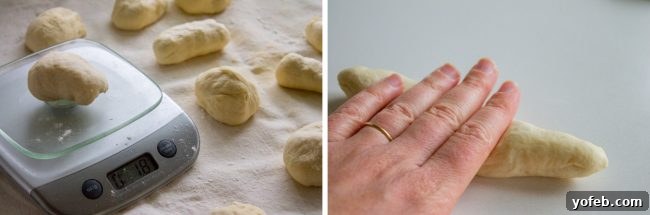
- Divide the Dough: Begin by dividing your proofed dough into 12 equal pieces. For best results and consistent baking, consider weighing each piece to be just under 2 ounces. Uniformity ensures even cooking and presentation.
- Roll into “Snakes”: Take one piece of dough and roll it between your hands or on a lightly floured surface to form an 8-inch long rope, or “snake.” Aim for a thickness between ½ and 1 inch. Don’t make them too thin, or they might tear; too thick, and they won’t form a neat knot.
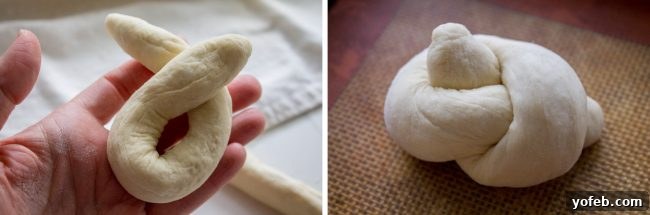
- Form the Knot: Carefully pick up one of your dough ropes. Lay it flat and loosely tie it into a single knot, just like you would start tying a shoelace.
- Tuck the Ends: The key to a neat garlic knot is to tuck the ends slightly. Take one end of the dough rope and tuck it underneath the knot. Take the other end and tuck it into the center or over the top, securing it gently. The goal is for the ends to stick out just a little, creating that classic knotted appearance. Don’t worry about perfection; even a slightly messy knot will absorb that delicious garlic butter beautifully and taste amazing. The rustic charm is part of their appeal!
- Arrange for Second Rise: Place your tied knots on the prepared baking sheets, leaving ample space between them to allow for their final rise.
Perfect Pairings: What to Serve with Your Homemade Garlic Knots
These garlic knots are incredibly versatile and can enhance almost any meal. Their savory, buttery profile makes them an ideal accompaniment, especially to dishes that invite a good bread for soaking up delicious sauces. Here are some of my favorite ways to enjoy these delectable rolls:
Italian Classics:
Garlic knots are a natural partner for virtually any Italian-inspired main course. Their ability to mop up rich, savory sauces is unparalleled.
- Bolognese Sauce: This deeply flavorful, long-simmered meat sauce is a labor of love, and a garlic knot is the perfect tool to ensure not a single drop goes to waste.
- Lasagna Soup to End Them ALL: Enjoy all the comforting flavors of your favorite lasagna in a hearty, spoonable form. A garlic knot dipped into this rich soup is pure comfort.
- Creamy Chicken Alfredo: Transform your favorite restaurant-style chicken alfredo into an even more satisfying meal with a side of these warm, garlicky rolls.
- Killer Homemade Lasagna: The ultimate hearty lasagna deserves an equally robust and flavorful bread. These knots are simply divine with layers of cheese and meat sauce.
- Slow Cooker Spaghetti Sauce: There’s nothing quite like the aroma of a slow-cooked spaghetti sauce filling your home all day. Pair it with a garlic knot for an easy, comforting dinner.
- Lasagna with Bechamel from Carol Bee Cooks: A rich, creamy alternative to traditional ricotta lasagna, perfectly complemented by the robust flavor of garlic knots.
- Easy Pasta al Pesto from Vancouver with Love: The fresh, vibrant flavors of pesto pasta are wonderfully balanced by the warm, garlicky bread.
Hearty Soups and Stews:
Beyond Italian fare, garlic knots are excellent for dipping into a variety of warming soups and stews, providing a delicious contrast in texture and a burst of flavor.
- Crockpot Beef and Barley Soup: Let your slow cooker do the work and fill your home with an inviting aroma. These knots are ideal for dunking into this hearty, comforting soup.
- Classic Italian Wedding Soup: Dipping a flavorful garlic knot into this cozy, wholesome soup is the very definition of comfort food.
- Minestrone with Sausage and Pesto: Packed with vegetables and savory sausage, this minestrone gets an extra layer of deliciousness when served with garlicky bread.
Whether you’re hosting a holiday dinner, a casual family meal, or simply craving something utterly delicious, these garlic knots are guaranteed to be a crowd-pleaser and a perfect addition to your table.
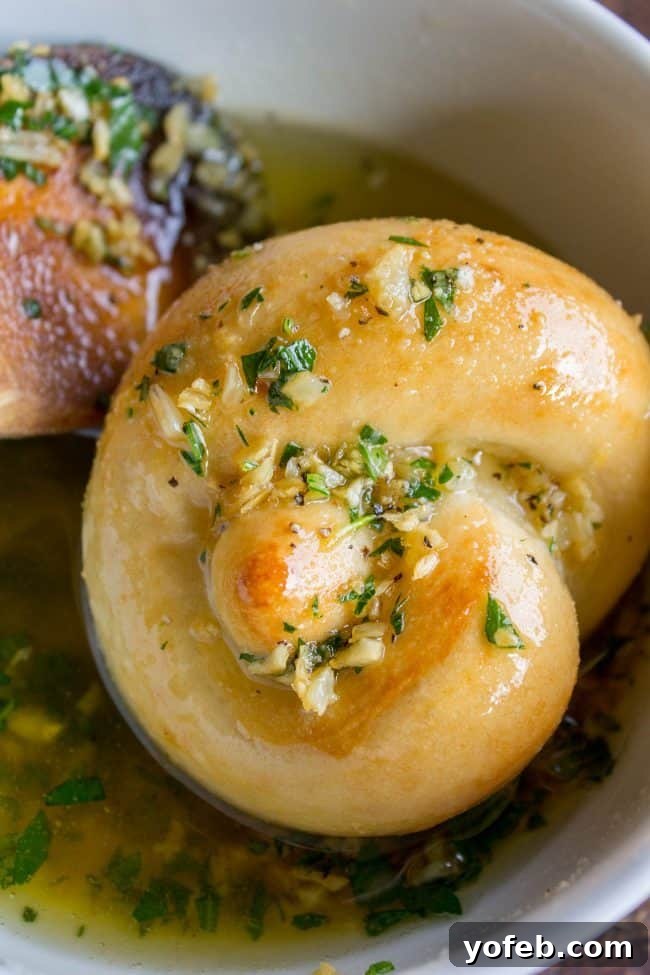
Storing and Reheating Leftover Garlic Bread Knots for Maximum Enjoyment
While it’s rare to have leftovers of these highly addictive garlic knots, it’s good to know how to properly store and reheat them to enjoy their deliciousness for longer. In my opinion, they can taste even better the next day as the flavors meld and deepen!
Storing Garlic Knots:
- Room Temperature: You can safely store leftover garlic knots on the counter for 2-3 days. Place them in an airtight container or a Ziploc bag to prevent them from drying out. There’s no need to refrigerate them, as the cold can actually make yeast breads stale faster.
- Freezing for Later: If you plan to make a large batch or want to prepare them ahead of time, freezing is an excellent option. For best results when freezing, I recommend skipping the garlic butter sauce until you’re ready to serve. Once the rolls have cooled completely after baking, transfer them to a freezer-safe Ziploc bag or airtight container. They can be frozen for up to 2-3 months.
Reheating Garlic Knots:
To bring your garlic knots back to life, whether from the counter or the freezer, here are a few simple methods:
- From Counter (Warm): If stored at room temperature, simply pop them into a preheated oven at 350°F (175°C) for 5-10 minutes, or until warmed through and slightly crisp.
-
From Freezer (Thaw & Warm):
- First, thaw the frozen rolls by leaving them sealed in their bag on the counter for a couple of hours.
- Once thawed, reheat them in a preheated oven at 350°F (175°C) for 5-10 minutes on a baking sheet.
- After reheating, proceed with making and dipping them in the warm garlic butter sauce (as described in step 17 of the recipe).
- Microwave (Quick Warm-up): For a very quick reheat, you can microwave a single knot for 10-15 seconds. Be careful not to overcook, as this can make them tough. This method is best for immediate consumption and doesn’t yield the same texture as oven reheating.
Should you refrigerate garlic knots?
No, generally you do not need to refrigerate plain garlic knots. They are perfectly fine stored at room temperature in an airtight container or bag for a few days. Refrigeration can actually dry out yeast-based breads, making them stale faster. The only exception would be if your garlic knots contain perishable fillings, such as mozzarella and spinach (which this recipe does not), in which case refrigeration would be necessary for food safety.
Garlic Knots FAQs: Your Burning Questions Answered
Garlic knots are typically made from a yeast-leavened dough, very similar to pizza dough. This type of dough is often lean, meaning it doesn’t include enriching ingredients like eggs, milk, or a lot of sugar (unlike, say, a cinnamon roll dough). The use of bread flour, with its higher protein content, contributes to the dough’s elasticity and results in a wonderfully chewy texture and a satisfying structure once baked. A touch of olive oil in the dough also imparts a subtle richness and incredible flavor.
Let’s be honest: while undeniably delicious, traditional garlic knots made with white bread flour and drenched in butter and olive oil are not typically considered a “health food.” They are a treat! As with all indulgences, moderation is key. If you’re looking to balance your meal while still enjoying these flavorful rolls, consider serving them alongside a large, vibrant salad packed with fresh vegetables. This helps integrate them into your personal nutritional goals without sacrificing flavor.
Absolutely! You can most certainly make delicious garlic knots using store-bought or homemade pizza dough. Since pizza dough is very similar to the lean yeast dough used in this recipe, it’s a fantastic shortcut. Knots made with pizza dough might be a little chewier and denser than those made with a specifically formulated garlic knot dough, but they will still be incredibly tasty once infused with that irresistible garlic butter. Any bread with the word garlic in it is a win in my book!
While both are glorious celebrations of garlic and bread, garlic knots and garlic bread are distinctly different! Garlic knots are individual rolls, formed by tying strips of yeast dough into a knot shape, baked, and then typically drenched in a garlic-infused butter sauce. Garlic bread, on the other hand, usually refers to slices of a larger loaf of bread (like a baguette or Italian bread) that are split lengthwise, spread with garlic butter, and then toasted or baked until golden and crisp. Both are fantastic and have their unique appeal, but they offer different textures and experiences. I love both equally! 😍
If your dough isn’t rising, the most common culprit is inactive yeast or water that was too hot or too cold. Ensure your water is warm (around 105-115°F or 40-46°C)—not too hot to kill the yeast, and not too cold to inhibit its activation. If your yeast mixture didn’t foam after 5 minutes in step 1, it’s best to start over with fresh yeast. Also, make sure your rising environment is warm and free from drafts. A slightly warmed oven (turned off!) is an ideal spot.
Yes, you can substitute instant yeast for active dry yeast. Instant yeast is typically more potent and doesn’t require proofing in warm water first; it can be mixed directly with the dry ingredients. If you use instant yeast, you can reduce the amount slightly (use about 1.5 teaspoons instead of 2 teaspoons) and omit the initial proofing step. Simply combine it directly with the flour, sugar, and salt, then add the warm water and olive oil and proceed with kneading.
Truly, how can anyone resist a perfectly chewy, fresh-baked roll that has just been generously dunked in rich, aromatic garlicky butter and olive oil? These homemade garlic knots are a testament to the simple joys of baking and eating. They are not only a fantastic addition to any Italian-inspired meal but also make an incredibly impressive side for special occasions like Thanksgiving or Easter. You can even prepare the rolls ahead of time and freeze them, ensuring that the convenience of fresh, warm bread is always within reach. The irresistible aroma and incredible flavor of homemade bread are, without a doubt, one of the best parts of any holiday celebration.
More Yeasty Bread Recipes to Satisfy Your Cravings
If you’ve fallen in love with the process of baking these garlic knots, you’ll be thrilled to discover a world of other delightful yeast bread recipes. From fluffy dinner rolls to rustic skillet breads, there’s always a new creation to explore. Here are some more of my favorite yeasty bread recipes to keep your kitchen filled with wonderful aromas:
- Buttery Sweet Potato Rolls: Wonderfully soft and subtly sweet, these rolls are another excellent choice for your Thanksgiving table.
- Garlic and Rosemary Skillet Bread: Can there ever be too many garlic bread recipes? Absolutely not! This skillet bread is packed with flavor and has a fantastic crust.
- Quick and Easy French Bread: Enjoy warm, homemade French bread from start to finish in just one hour—perfect for those last-minute cravings.
- The Best Garlic Butter Bread: For all garlic lovers, this recipe takes classic garlic bread to the next level of deliciousness.
- The Only White Bread Recipe You’ll Ever Need: This recipe yields tall, fluffy bread that’s perfect for toast, sandwiches, or simply slathering with butter.
- Aunt Shirley’s Famous Buttery Dinner Rolls: Seriously, these rolls are so pillowy soft and melt-in-your-mouth delicious, they live up to their “famous” name.
And for even more exciting variations from fellow food bloggers:
- Buffalo Garlic Knots from Foodie with Family: A spicy twist on the classic.
- Skillet Baked Pepperoni Garlic Knots from Fifteen Spatulas: A hearty, cheesy, and savory delight.
- Stuffed Garlic Knots from Crunchy Creamy Sweet: An indulgent treat with a savory filling.
Facebook | Pinterest | Instagram

Best Garlic Knots
30 minutes
20 minutes
2 hours
15 minutes
3 hours
5 minutes
12
rolls
Ingredients
For the dough
-
2
teaspoons
active dry yeast -
1
cup
water,
warm -
1
teaspoon
sugar -
1 & 1/4
teaspoons
kosher salt -
2
tablespoons
olive oil -
2 & 1/2
cups
bread flour
For the garlic butter
-
1/4
cup
butter,
(half stick) -
1/4
cup
olive oil -
6
cloves
garlic,
smashed and minced -
1/2
teaspoon
kosher salt -
1/8
teaspoon
black pepper -
1
tablespoon
fresh parsley,
minced (optional)
Instructions
-
In a large bowl or stand mixer, combine the yeast, warm water, and sugar. Ensure the water is comfortably warm to the touch, like bathwater (not hot-tub hot). Let this mixture sit for 5 minutes to proof. If the yeast has become foamy and puffed up, it’s active and ready. If the water remains flat, discard and start again with fresh yeast.
-
Stir in the salt, olive oil, and 1 cup of flour until just combined.
-
If using a mixer, switch to the dough hook. Gradually add another 1 and 1/2 cups of flour.
-
Knead the dough for 7-8 minutes. If the dough is sticking significantly to the sides and bottom of the bowl, add the remaining 1/2 cup of flour one tablespoon at a time until the dough is smooth, elastic, and only slightly sticky to the touch. Avoid adding too much flour, as this can result in tough rolls.
-
Lightly grease a large bowl with nonstick cooking spray or a thin layer of olive oil.
-
Shape the kneaded dough into a neat ball and place it in the greased bowl. Turn the dough over once to coat the entire surface with oil.
-
Cover the bowl with a clean tea towel and let the dough rise in a warm, draft-free place for about 1 and 1/2 hours, or until it has doubled in size. A great trick for a warm rising environment: briefly turn your oven to its “warm” setting for a couple of minutes, then turn it off before placing the covered dough inside.
-
Once the dough has risen, gently punch it down to release the air and let it rest for another 10 minutes.
-
Prepare 2 baking sheets by lining them with parchment paper or spraying them thoroughly with nonstick spray.
-
Divide the dough into 12 equal pieces. For precision, each piece should weigh a little less than 2 ounces. Roll each piece into an 8-inch long rope, aiming for a thickness between ½ and 1 inch.
-
Carefully tie each rolled-out piece of dough into a simple knot, tucking the ends slightly.
-
Place each shaped knot on the prepared baking sheets, ensuring adequate space between them for rising.
-
Cover the knots with tea towels and let them rise for another 45 minutes to 1 hour, or until they have visibly doubled in size.
-
Preheat your oven to 425 degrees F (220 degrees C).
-
Bake the rolls for 20-25 minutes, or until their tops are golden brown and the bottoms are a rich brown color. If using two baking sheets, rotate them halfway through the baking time for even cooking. Remove from the oven and let the rolls cool slightly on a wire rack for about 10 minutes.
-
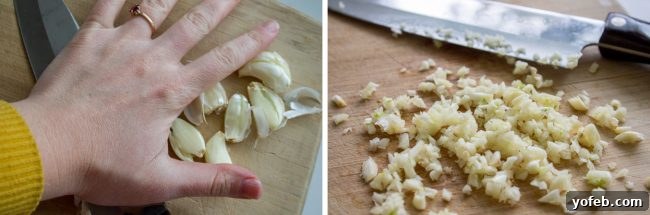
While the rolls are baking, prepare the garlic butter sauce. In a small saucepan, combine the butter, olive oil, smashed and minced garlic, salt, and black pepper. Cook over low heat for 3-5 minutes, stirring occasionally, until the garlic is fragrant and just barely starting to turn light brown. Watch carefully to prevent the garlic from getting dark, which can make it bitter. Remove the saucepan from the heat and stir in the minced fresh parsley. Allow the sauce to cool slightly.
-
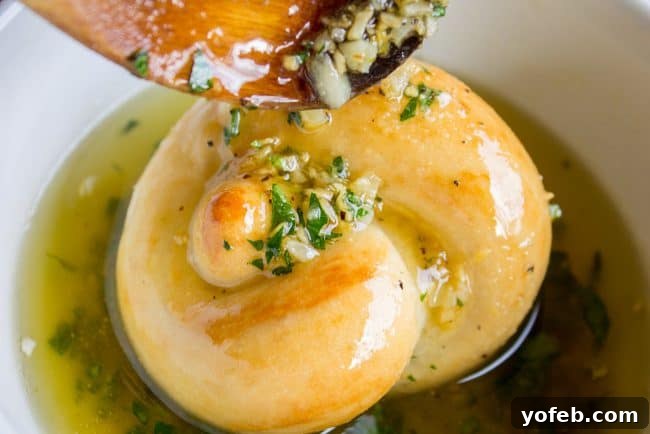
Generously dip each warm roll into the garlic butter sauce. Use a spoon to drizzle extra sauce over the top, ensuring it seeps into all the crevices of the knot for maximum flavor. Place the coated knots back on a wire rack and serve them warm for the best experience.
Notes
*For freezing, prepare the rolls as instructed, but skip making the garlic butter sauce. Once the baked rolls have cooled completely, freeze them in an airtight freezer bag. To thaw, leave the rolls sealed in the bag on the counter for a couple of hours. Reheat them in an oven at 350°F (175°C) for 5-10 minutes on a baking sheet, then proceed with step 17 to make and apply the fresh garlic butter.
This wonderful recipe is courtesy of my best friend Sarah’s mom, Anne. Thank you, Anne, for sharing your incredible talent!
Nutrition
Serving:
1
knot
|
Calories:
199
kcal
|
Carbohydrates:
21
g
|
Protein:
4
g
|
Fat:
11
g
|
Saturated Fat:
3
g
|
Polyunsaturated Fat:
1
g
|
Monounsaturated Fat:
6
g
|
Trans Fat:
1
g
|
Cholesterol:
10
mg
|
Potassium:
55
mg
|
Fiber:
1
g
|
Sugar:
1
g
|
Vitamin A:
147
IU
|
Vitamin C:
1
mg
|
Calcium:
10
mg
|
Iron:
1
mg
Bread
American
199
Garlic Bread