
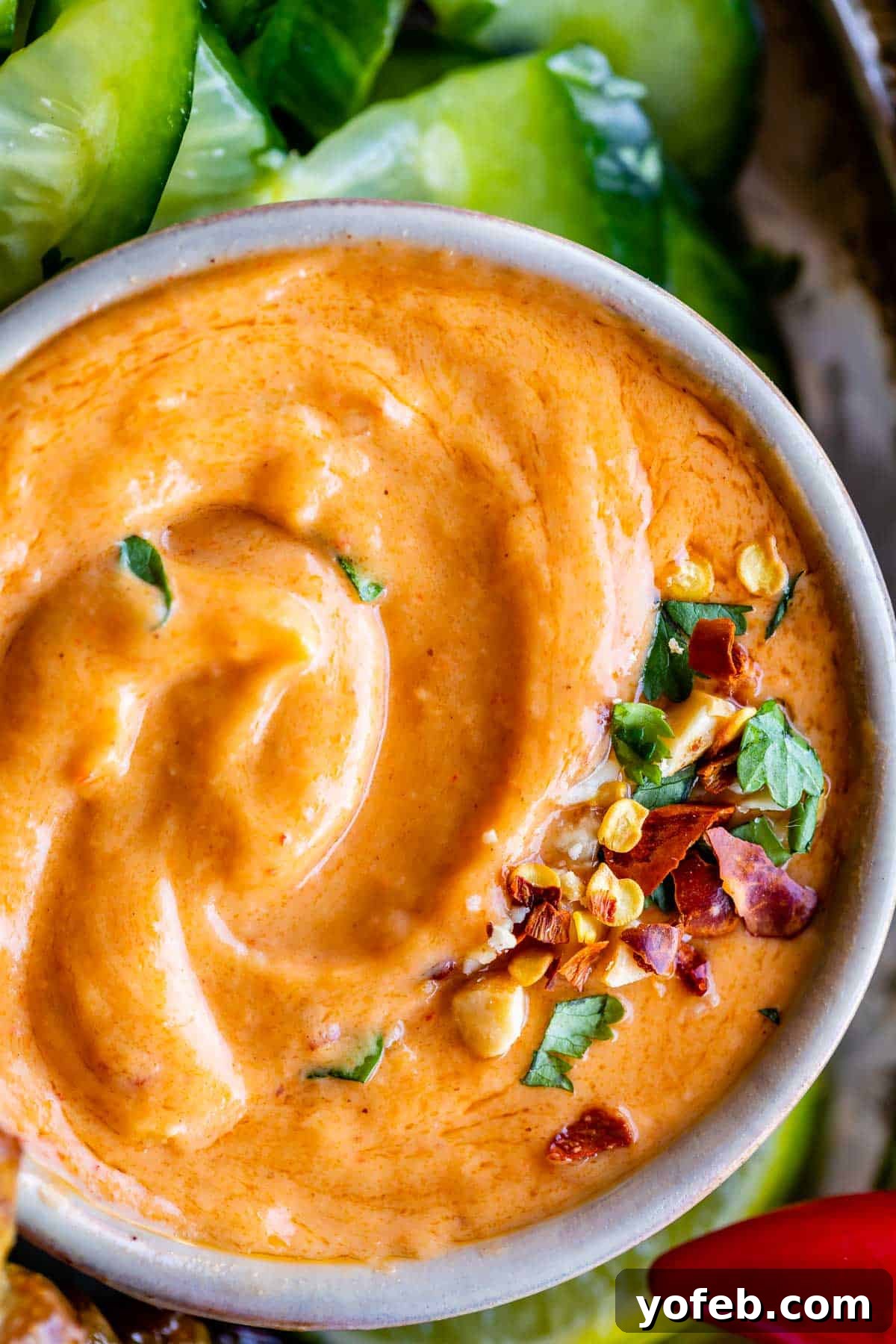
Originally published February 26, 2021.
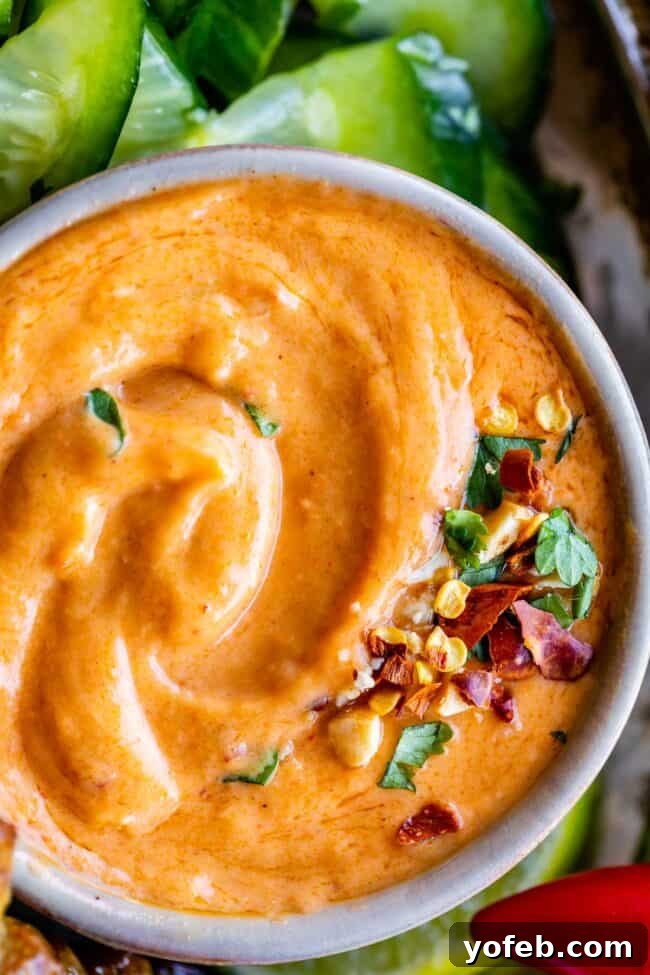
Table of Contents
- You’ll Love This Versatile and Easy Thai Peanut Sauce
- What Does Thai Peanut Sauce Taste Like? Is Peanut Satay Sauce Spicy?
- Thai Peanut Sauce Recipe Ingredients
- Thai Peanut Sauce Flavor Shortcuts: Easy Authenticity
- How to Make Thai Peanut Sauce
- Peanut Sauce Thai Customizations
- Storing and Reheating This Easy Peanut Sauce Recipe
- What to Pair with This Thai Peanut Sauce Recipe
- More Ways to Use This Easy Peanut Sauce
- More Sauces and Dips You Will Enjoy!
- Easy Peanut Sauce Recipe Card
Every year on Christmas Eve, my extended family gathers for a cherished tradition: preparing a feast inspired by the traditional cuisine of a chosen country. It’s an all-day culinary adventure, aiming for authenticity in every dish. We’ve explored German, Filipino, Indian, Italian, Spanish, French, and Brazilian flavors in the past. This year, we embarked on a Thai culinary journey, and it was nothing short of life-changing. Despite having dined at numerous Thai restaurants, I confess to usually opting for various curries – a choice I now realize was rather amateurish.
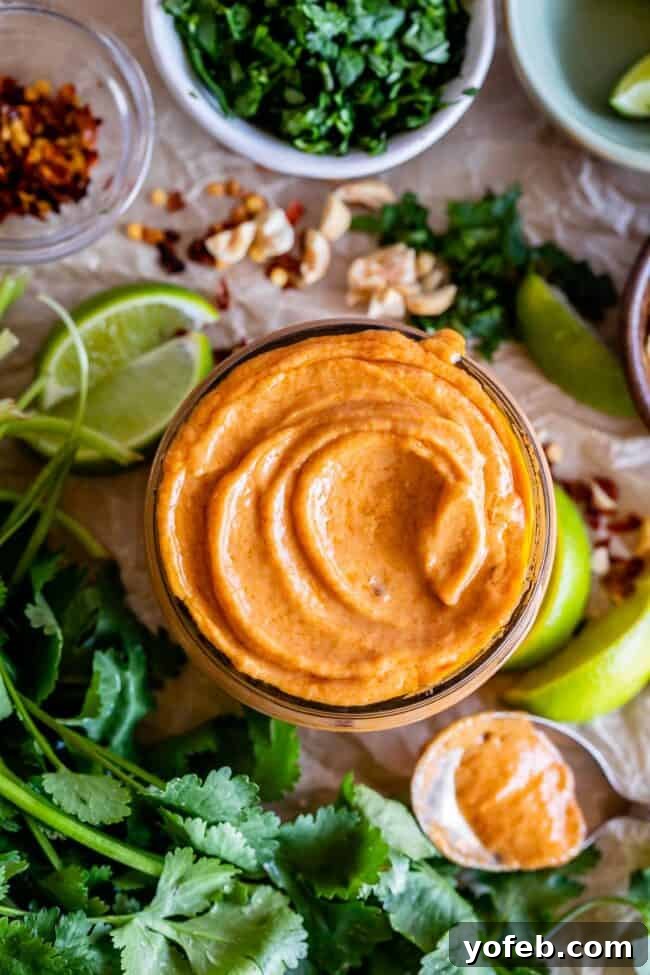
Authentic Thai cuisine, beyond just curry, is absolutely incredible. It has now become a personal mission to visit Bangkok, solely for the unparalleled food scene. For our family gathering, we prepared a lavish spread including Pad Thai (beautifully garnished with authentic banana leaves), flavorful Drunken Noodles, sweet and savory Pineapple Fried Rice, a comforting Tom Kha Gai Soup, and the star of the show: Chicken Satay accompanied by this remarkable Peanut Sauce.
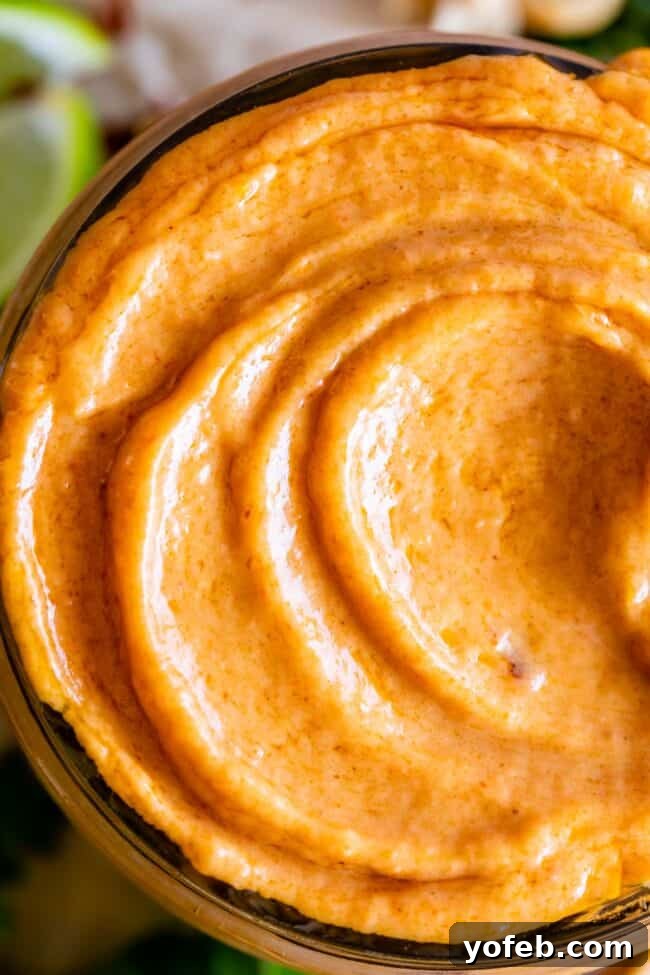
It was, without a doubt, one of the finest meals I’ve ever experienced. Each dish was a masterpiece, but I found myself repeatedly drawn back to the Chicken Satay and its accompanying Peanut Sauce. The succulent, perfectly grilled chicken (recipe coming soon!) dipped into this dreamy, creamy sauce was utterly satisfying. Its harmonious blend of sweet and savory notes created an addictive flavor profile that left us craving more!
When you’re cooking for a crowd of about 30 people (my parents, their five children, and all the grandchildren combined), scaling recipes becomes an art form. We debated how many times to multiply the Pad Thai or the Pineapple Fried Rice. It was a delightful challenge, resulting in an abundance of delicious food. We ended up with an enormous platter of chicken satay and a literal vat of peanut sauce. While the chicken quickly disappeared, we were left with a generous amount of this incredible peanut sauce, which turned out to be a fantastic discovery.
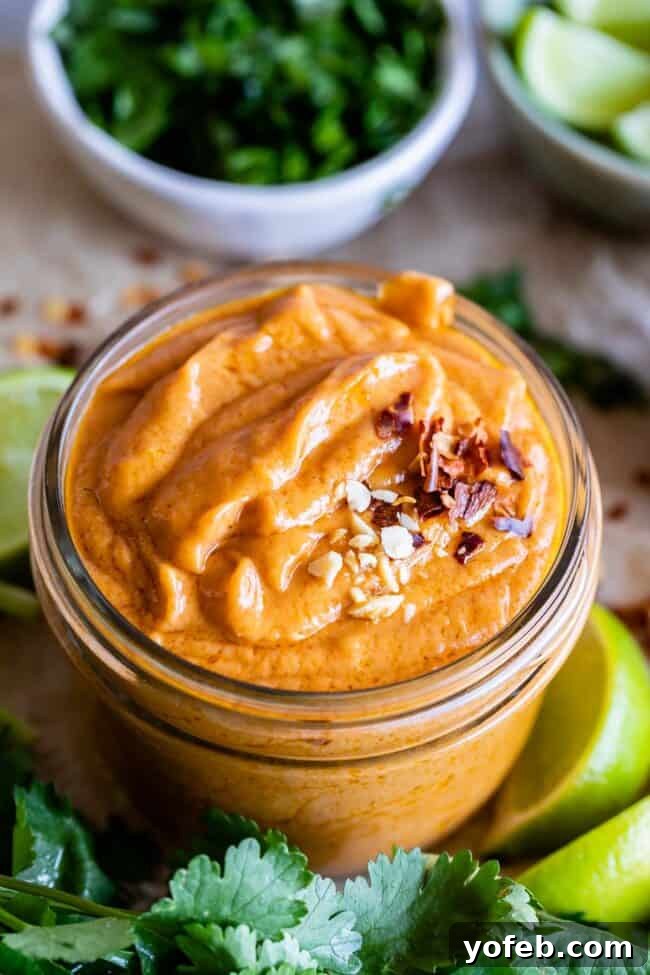
You’ll Love This Versatile and Easy Thai Peanut Sauce
In the days that followed our Thai feast, we quickly realized that this peanut sauce is incredibly versatile. It transforms almost any dish into something extraordinary. Whether you use it as a vibrant salad dressing, drizzle it over grilled chicken, steak, or salmon, or even dip sliced apples into its creamy goodness, you simply can’t go wrong. Its rich, complex flavors make it an instant upgrade for countless meals.
This easy homemade Thai Peanut Sauce boasts an authentic flavor profile that will impress even the most discerning palates. The secret to its incredible taste lies in the convenience of a single jar of Thai red curry paste, which infuses the sauce with a complex blend of traditional Thai spices without requiring a trip to a specialized Asian market. It truly is one of the best peanut sauce recipes you’ll ever try, balancing simplicity with depth of flavor.
What Does Thai Peanut Sauce Taste Like? Is Peanut Satay Sauce Spicy?
Authentic Thai peanut sauce, often referred to as satay sauce, offers a delightful balance of flavors. It’s not typically overtly spicy; instead, it leans towards a rich sweetness, boasting a full and robust peanut flavor. The subtle kick comes from a gentle blend of spices including garlic, shallot, lemongrass, galangal (a milder cousin to ginger), kaffir lime, and chili peppers, usually incorporated through red curry paste.
The creamy richness of peanut butter and coconut milk effectively mellows any potential chili heat, ensuring the sauce is flavorful rather than fiery. While sweet, it possesses ample umami notes – that savory depth that makes it an excellent accompaniment for main courses like grilled chicken satay, a unique pizza base, or even as a flavorful dressing for a substantial salad. The interplay of sweet, savory, and a hint of tang creates a wonderfully complex and satisfying taste experience that is truly addictive.
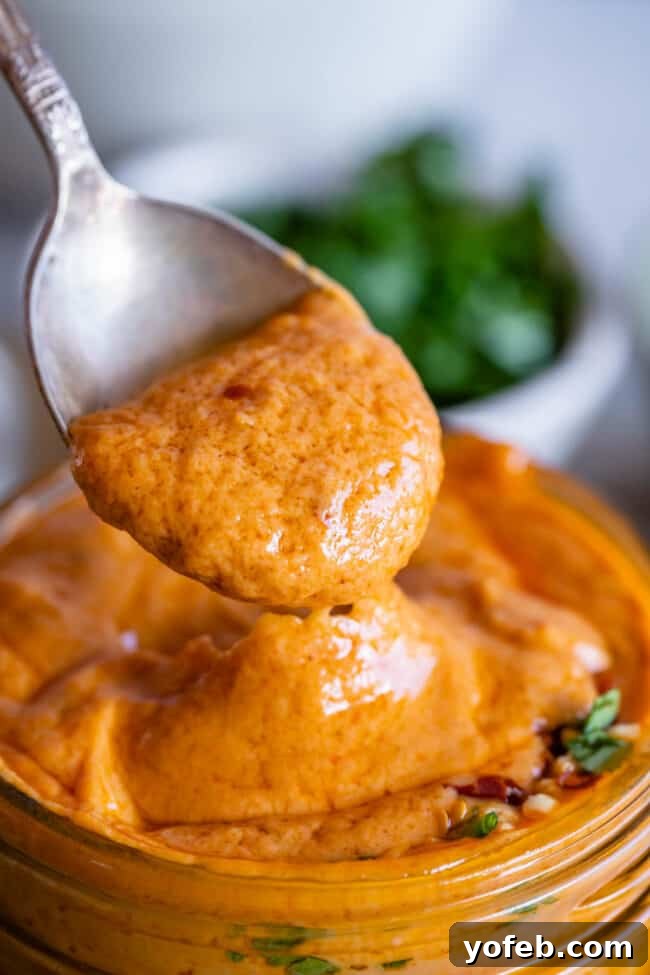
Thai Peanut Sauce Recipe Ingredients
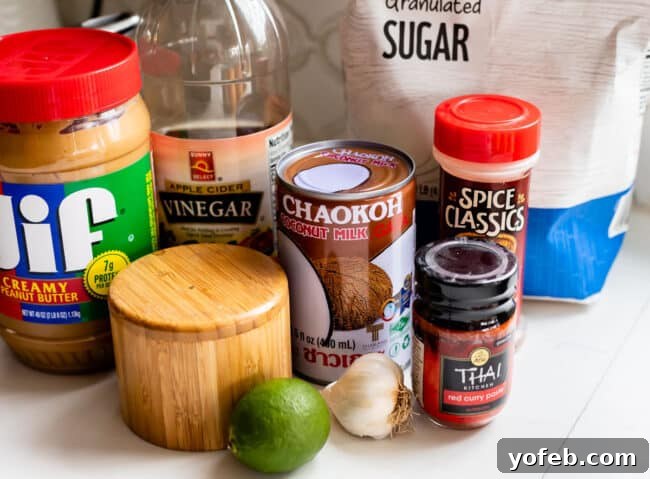
Making this incredible Thai peanut sauce requires just a handful of accessible ingredients that deliver maximum flavor. Here’s a quick overview of what you’ll need to create this easy and authentic-tasting sauce. For precise measurements and detailed instructions, please refer to the complete recipe card below.
- Creamy Peanut Butter: The foundation of our sauce, providing a rich and nutty base.
- Coconut Milk: Adds creaminess and a subtle tropical note that balances the other flavors beautifully.
- Thai Red Curry Paste: The secret weapon for instant authentic Thai flavor, packed with essential spices.
- Granulated Sugar: Balances the savory and tangy elements, enhancing the overall taste.
- Fresh Garlic: Infuses the sauce with a pungent and aromatic kick.
- Lime (Zest and Juice): Provides essential brightness and acidity, cutting through the richness.
- Apple Cider Vinegar: Another source of tanginess, adding depth and a slight fermented note.
- Kosher Salt: Crucial for seasoning and bringing all the flavors into harmony.
- Crushed Red Pepper Flakes (Optional): For those who desire an extra touch of heat.
- Water (Optional): To adjust the consistency to your preference, from a thick dip to a thinner drizzle.
Thai Peanut Sauce Flavor Shortcuts: Easy Authenticity
While the goal is authentic flavor, this recipe prioritizes ease and accessibility for the home cook. A truly traditional Thai peanut sauce, the kind you might find in Bangkok, would involve a much longer list of exotic ingredients and a significant amount of labor, often requiring specialized tools like a mortar and pestle to grind fresh aromatics and peanuts. Hunting down ingredients like fresh lemongrass, galangal, and kaffir lime leaves can be challenging if you don’t have access to a well-stocked Asian market.
Instead, we leverage a brilliant shortcut: Thai red curry paste. This convenient ingredient is a powerhouse of flavor, typically made with many of the traditional components you’d find in an authentic peanut sauce, such as garlic, shallot, lemongrass, galangal, kaffir lime, and chili. It’s the perfect way to infuse all those complex Thai flavors into your sauce without the extensive prep work, making this recipe wonderfully approachable.
I recall during my family’s big Thai meal, we attempted to use fresh lemongrass in a few recipes. Lemongrass is incredibly fibrous and tough; we literally had to use a hammer to crush it properly! Thai cooking, when done from scratch, is truly an art that demands dedication and specific techniques.
Another traditional step for authentic peanut sauce involves grinding your own roasted peanuts. While this yields a unique texture, it’s a time-consuming process that most home cooks prefer to skip. For this recipe, using natural peanut butter (the kind that contains only ground peanuts and sometimes salt, with oil separation) can get you closer to that less-smooth, slightly chunky texture of traditional sauces. However, my recipe actually calls for conventional creamy peanut butter like Jif, because I personally prefer a super smooth and luscious texture for this particular dipping sauce. If you prefer a more rustic, authentic consistency, opt for natural peanut butter and adjust the sugar content as noted in the recipe card.
This recipe is a thoughtful adaptation of Leela Punyaratabandhu’s peanut sauce, which I discovered on her exceptional blog, She Simmers. Leela is not only a fantastic cook but also a captivating writer, and her blog is a treasure trove for anyone interested in authentic Thai cuisine. I highly recommend exploring her work. She has also authored several cookbooks, and I’m particularly eager to get my hands on “Flavors of the Southeast Asian Grill” – it looks absolutely phenomenal. My deepest gratitude to Leela for generously sharing her incredible recipes and culinary wisdom with the world!
How to Make Thai Peanut Sauce
Creating this flavorful Thai peanut sauce is surprisingly simple, especially with the strategic adjustments I’ve made to suit the average American kitchen while preserving its subtle and authentic taste. You’ll be amazed at how quickly you can achieve such complex flavors!
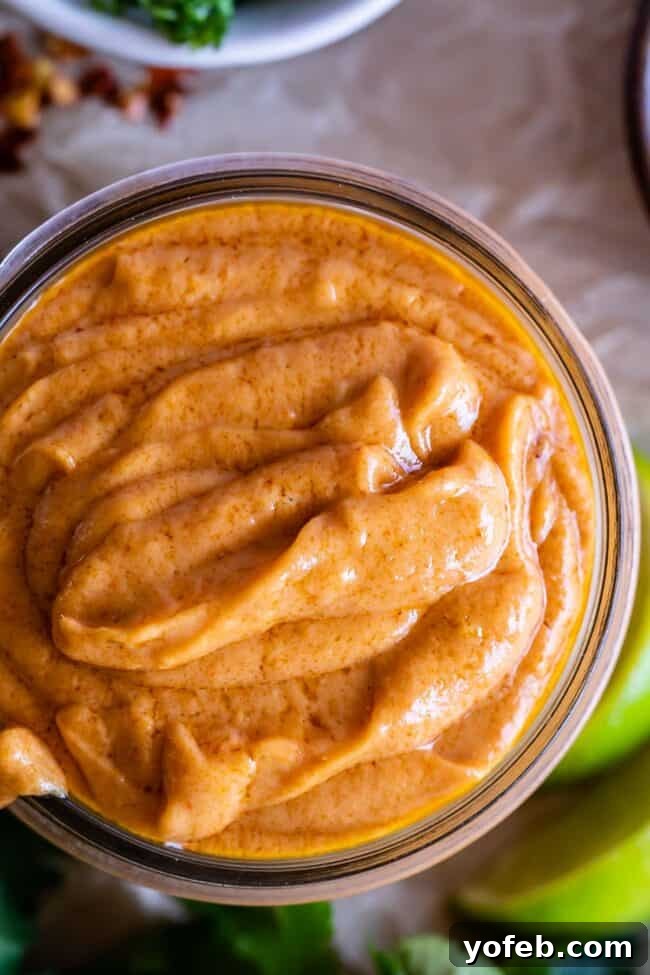
The entire process takes just about 10 minutes and requires only one pot on your stovetop. While many popular American peanut sauce recipes are uncooked, I’ve experimented with both methods. I strongly prefer cooking the sauce, even if it’s just a few minutes of gentle simmering. This crucial step allows the flavors to meld beautifully and transforms the texture, creating a smooth, rich, and perfectly emulsified sauce that an uncooked version simply can’t replicate.
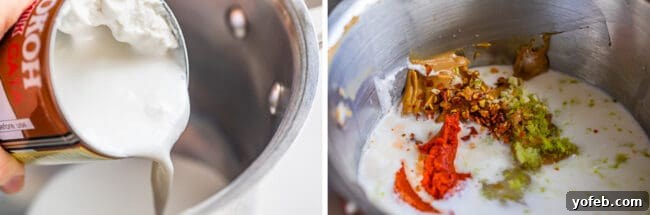
Begin by combining all the ingredients – coconut milk, peanut butter, red curry paste, sugar, minced garlic, lime zest and juice, apple cider vinegar, and salt – in a small saucepan. Place the saucepan over medium heat. Whisk the mixture continuously, ensuring that the peanut butter fully breaks down and incorporates seamlessly into the liquid. As the mixture gently heats, it will begin to thicken and the aromas will intensify.
Once the sauce reaches a light simmer, reduce the heat to low and allow it to simmer gently for just 3-4 minutes. This brief cooking period is key for developing the depth of flavor and achieving that perfectly smooth, creamy consistency. Be sure to stir occasionally to prevent sticking.
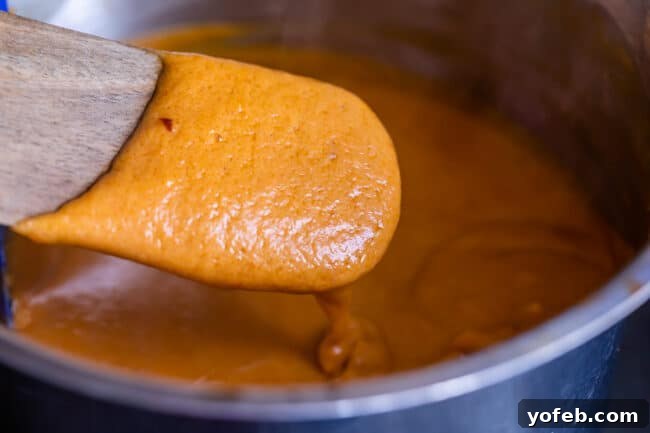
And that’s it! Remove the saucepan from the heat. Give your freshly made Thai peanut sauce a taste test. This is where you can fine-tune it to your personal preference, ensuring it’s exactly how you like it.
Peanut Sauce Thai Customizations
The beauty of this homemade Thai peanut sauce is how easily it can be customized to suit your individual taste. After the initial cook, taste the sauce and consider these adjustments:
- For more savory depth: Add a pinch more kosher salt.
- For extra tanginess: A fresh squeeze of lime juice or another dash of apple cider vinegar can brighten the flavor profile.
- For a spicier kick: Sprinkle in a few more crushed red pepper flakes, starting with a small amount and increasing to your desired heat level.
Thai peanut sauce is traditionally served at room temperature, which allows its complex flavors to fully bloom. So, after cooking, let it cool down a bit before serving. This brief resting period is also great for further flavor development.
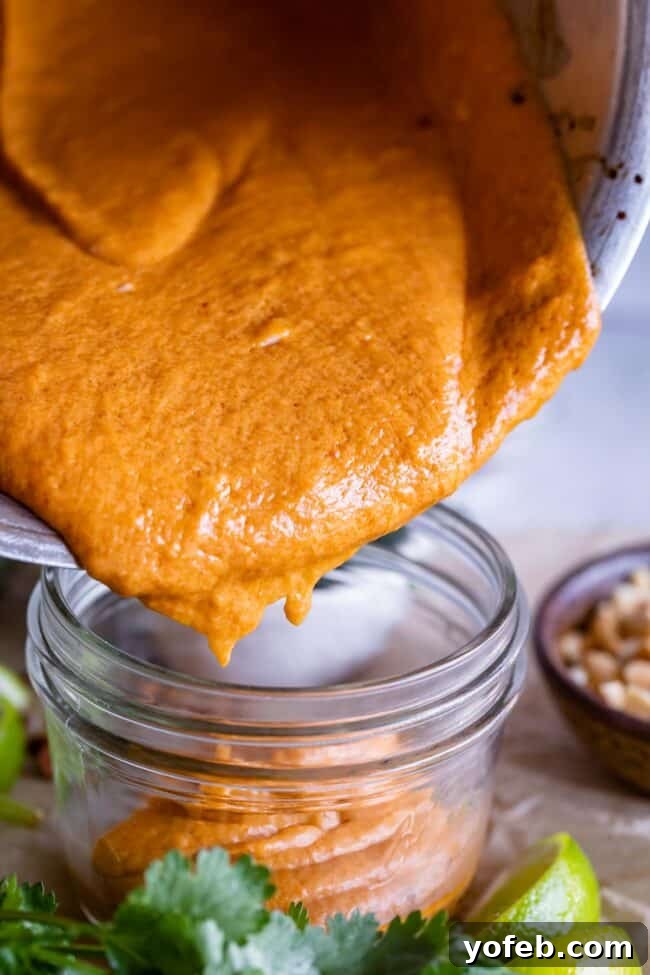
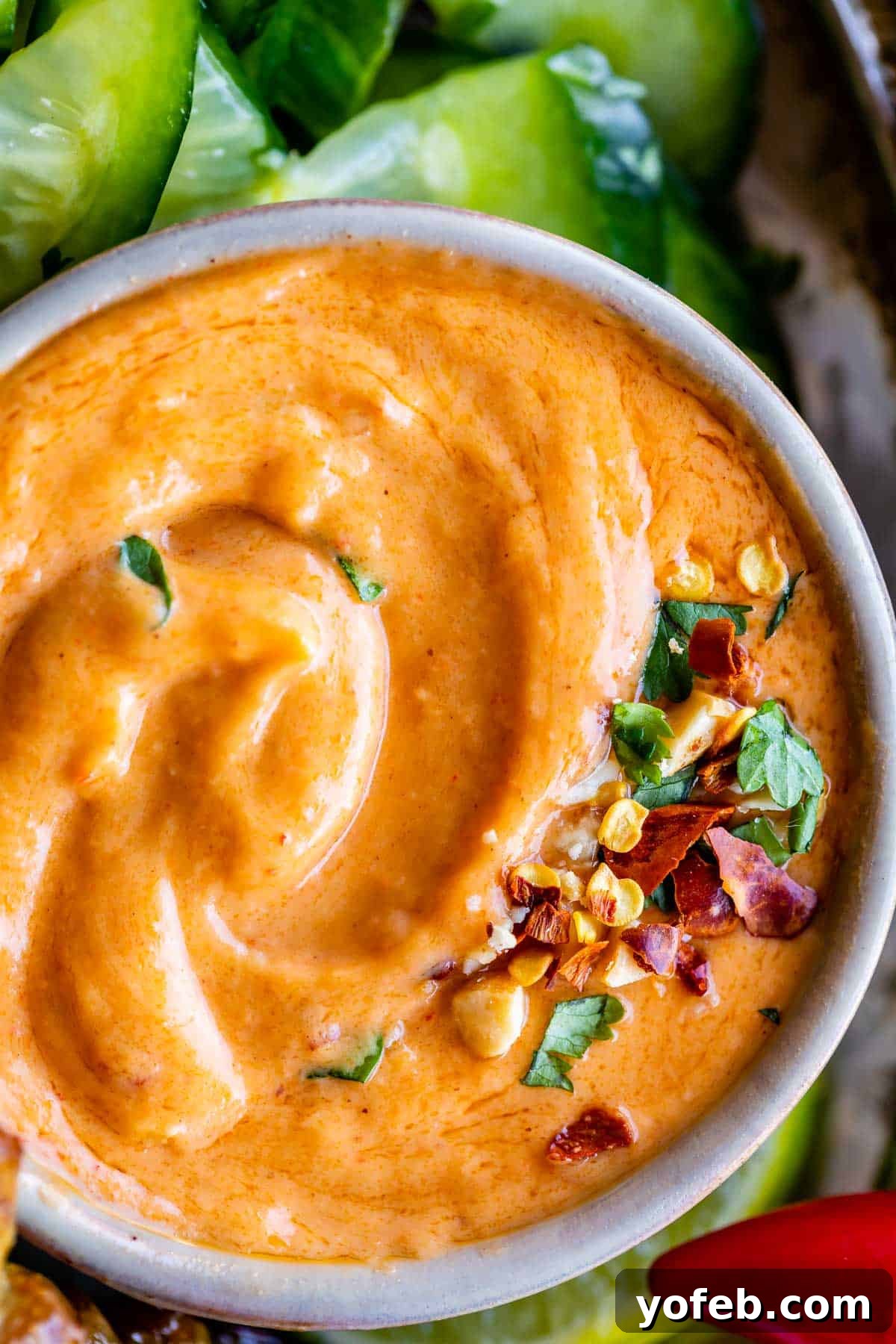
This recipe provides flexibility regarding consistency. I prefer a very thick sauce, perfect for dipping, so I often omit the water entirely. However, if you desire a thinner, more “drizzle-able” sauce – perhaps for salads or as a noodle sauce – you can incorporate up to a half cup of water while it’s simmering on the stove. Add it gradually, a tablespoon at a time, until you achieve your preferred texture.
Storing and Reheating This Easy Peanut Sauce Recipe
One of the great advantages of this easy peanut sauce is its excellent shelf life and how well it stores. Once refrigerated, you’ll notice that the sauce will naturally thicken and solidify, becoming quite firm. This is completely normal due to the coconut milk and peanut butter content.
To enjoy your leftover sauce, simply reheat it gently. You can do this on the stovetop over low heat or in the microwave. As you reheat, the sauce will loosen up. To return it to your desired consistency, gradually thin it out by adding small amounts of water, a few tablespoons at a time, stirring until it’s perfectly smooth and dippable or drizzle-ready. For an extra bright and tangy flavor when using it as a salad dressing, a tip from Leela Punyaratabandhu is to thin the sauce with a bit more apple cider vinegar instead of just water. Stored in an airtight container, this delicious sauce will keep fresh in your refrigerator for up to two weeks, making it an ideal make-ahead condiment.
What to Pair with This Thai Peanut Sauce Recipe
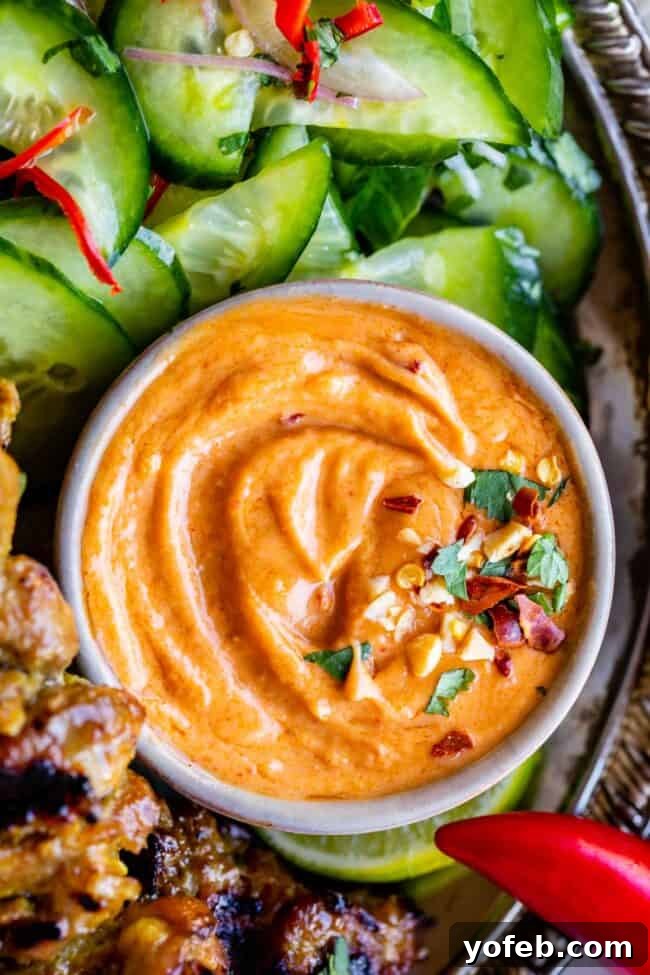
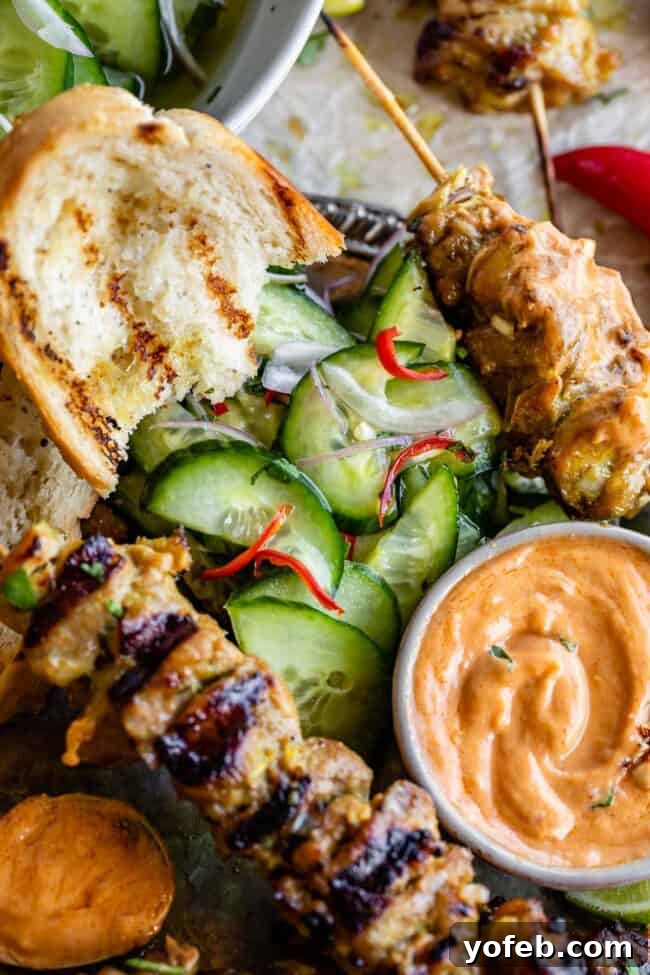
This versatile Thai peanut sauce is a perfect complement to a wide array of dishes. Traditionally, it’s the star accompaniment for classic Chicken Satay (click here for the recipe!), often served with slices of grilled white bread and a refreshing Thai Cucumber Salad. For an authentic experience, I highly recommend checking out Leela Punyaratabandhu’s insightful post on How to Eat Satay, complete with photos of ordering satay in Bangkok – it was her guide that inspired me to create this unforgettable meal!
But don’t limit yourself to tradition! As my family discovered, this sauce is incredibly adaptable. We found ourselves slathering it on just about everything for days, determined to use up the generous batch we made. Its creamy, savory-sweet profile makes it a fantastic addition to countless dishes, both Asian-inspired and beyond. Let your culinary imagination soar with these additional pairing ideas.
More Ways to Use This Easy Peanut Sauce
- Noodle Dishes: Stir a generous amount into a pot of cooked noodles – whether regular wheat pasta, rice noodles, or soba noodles – for a quick, flavorful main dish. Add some cooked protein and vegetables for a complete meal.
- Salad Dressing: For a vibrant and exotic salad dressing, simply thin the sauce with a few extra tablespoons of apple cider vinegar and a splash of water until it reaches a pourable consistency.
- Peanut Chicken Wraps: Mix the sauce with shredded cooked chicken, grated carrots, and sliced green onions. Wrap this mixture in soft tortillas or crisp butter lettuce leaves for a delightful and healthy meal. Don’t forget an extra dollop of sauce for dipping!
- Vegetable Dip: Offer it as a unique and delicious dip for fresh raw vegetables like carrots, bell peppers, celery, and cucumber slices. It’s a fantastic alternative to classic Ranch dressing!
- Pizza Sauce: Use this peanut sauce as the base for your next creative pizza. Top it with cooked chicken, mozzarella cheese, and bake until golden. Garnish with Thai Cucumber Salad, shredded carrots, or green onions for an exciting twist.
- Spring Roll Dip: It’s the perfect companion for fresh or fried spring rolls, adding a burst of creamy, nutty flavor with every bite.
- Topping for Cooked Vegetables: Elevate your side dishes by drizzling this sauce over roasted or steamed vegetables such as broccoli, green beans, glazed carrots, or roasted potatoes.
- Dumpling Dipping Sauce: Serve it alongside your favorite dumplings or potstickers for a rich and satisfying dip.
- Marinade: Transform it into a tenderizing marinade for chicken, pork, or even firm tofu by adding a bit of oil and extra lime juice. Let your protein soak up the flavors before grilling or baking.
- Meat Topping: Spoon it over any cooked meat – chicken, pork, beef, or even seafood like grilled shrimp or salmon – for an instant flavor boost.
- Fruit Dip: Experience a delightful twist on a classic snack! While apples dipped in plain peanut butter are beloved, dipping them into this Thai Peanut Sauce takes the experience to an even more exquisite level. The sweet, tangy, and subtly spicy notes complement the crisp apple perfectly.
More Sauces and Dips You Will Enjoy!
- How to Make Easy Chimichurri << This vibrant herbaceous sauce is incredibly versatile and can elevate almost any dish.
- Garlic Aioli Recipe << A creamy, garlicky delight, perfect for spreading on sandwiches like this amazing BLT!
- The Best Chipotle Mayo << You absolutely must try dipping your fries in this smoky, spicy, and creamy concoction – it’s a game-changer!
- How to Make a Balsamic Reduction << A sweet and tangy glaze that’s fantastic drizzled over salads, grilled meats, or even fresh fruit.
- Homemade Teriyaki Sauce from Easy Peasy Meals << A sweet and savory glaze perfect for stir-fries, marinades, and dipping.
- Asian Marinade Master Sauce Recipe from FoodieCrush << A foundational sauce for a multitude of Asian-inspired dishes.
- Miso Ginger Dressing Recipe from Cookin Canuck << A light, refreshing, and deeply flavorful dressing for salads and bowls.
Facebook | Pinterest | Instagram

Easy Peanut Sauce
Rate This Recipe
Print Recipe
Ingredients
Instructions
-
In a small saucepan, combine all ingredients: 3/4 cup peanut butter*, 1 can coconut milk, 1/4 cup Thai red curry paste,** 1/4 cup sugar, 1 clove minced garlic, the zest of 1 lime plus all the juice, 2 tablespoons apple cider vinegar, 1 and 1/2 teaspoons kosher salt, and 1/4 teaspoon crushed red pepper flakes. If you would like a thinner sauce (for drizzling consistency) add up to 1/2 cup water. (I left the water out entirely, and you can see from the photos that the consistency is thicker, the better to dip into.)
-
Whisk it all together over medium heat, breaking up the peanut butter.
-
Once the mixture reaches a low boil, turn the heat down to low and let simmer lightly for 3-4 minutes, until thickened some. Remove from heat and let cool. Peanut sauce is traditionally served at room temperature.
-
Serve with Chicken Satay and this Thai Cucumber Salad! Or see post for more ideas for how to use this sauce!
-
Store leftover sauce in the fridge. It will keep for up to two weeks. The leftover sauce with solidify in the fridge; gently heat on low (or microwave it) and add small amounts of water to reach the consistency you want.
Notes
**You can see in the photo above that I used curry paste from the brand “Thai Kitchen”, which is the most common red curry paste found in US stores, at least in California where I am. Leela recommends this Thai Red Curry Paste from a brand called Maesri. I haven’t tried it (couldn’t find it), but reviews say it is a little more spicy, so if you use Maesri, cut out the red pepper flakes called for in the recipe, and add to taste if desired.
This recipe is adapted from Leela Punyaratabandhu’s Thai peanut sauce, found on her website She Simmers. Leela also has several Thai cookbooks that I’m totally interested in buying! If you are interested in authentic Thai cooking, definitely check out her work!