
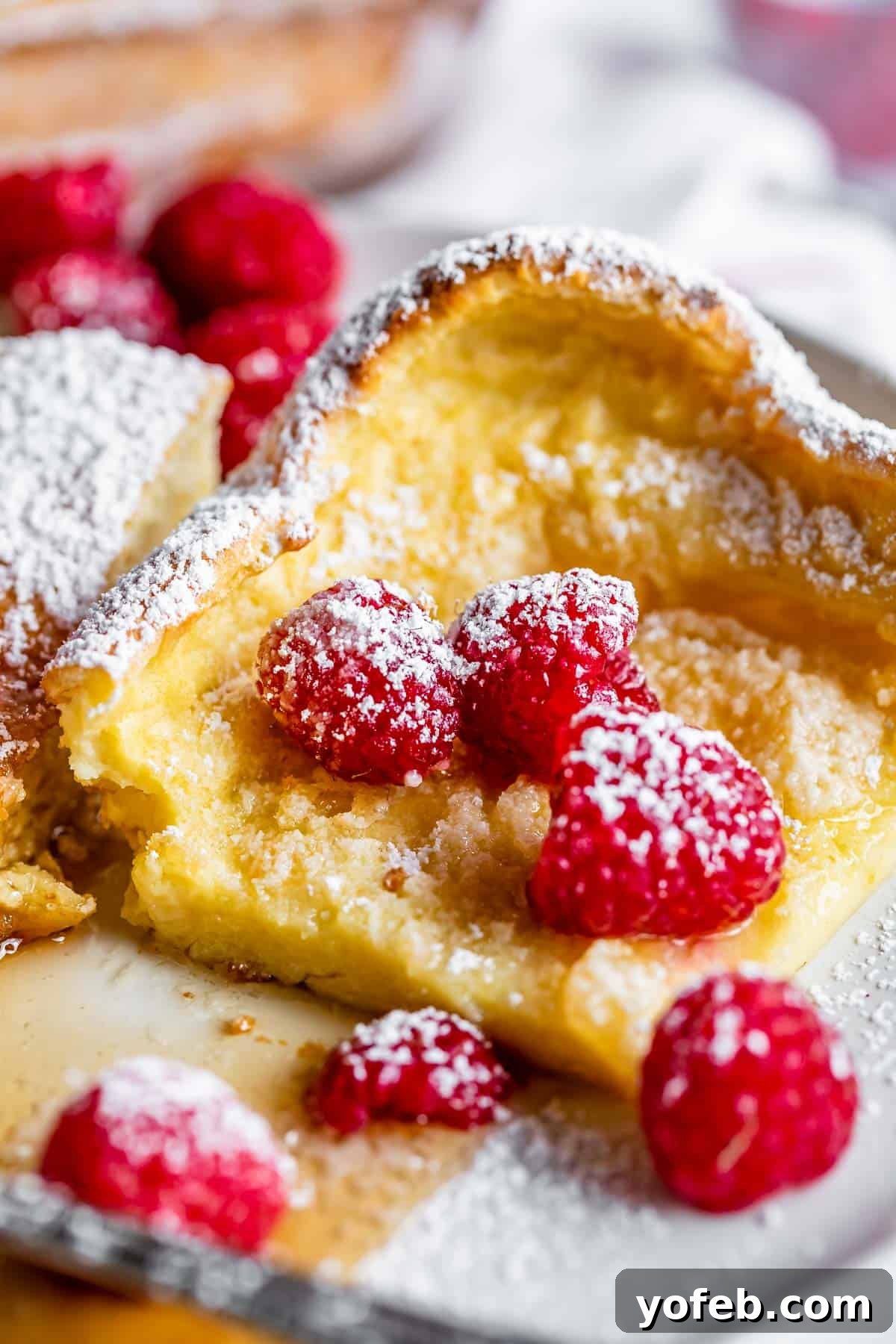
Delicious German Pancakes (Dutch Baby): Your Ultimate Guide to Puffy Breakfast Perfection
Discover the magic of German Pancakes, also known as Dutch Babies or Puffy Pancakes! This comprehensive guide reveals everything you need to know about this incredibly easy and utterly delicious baked breakfast treat. Whether you call them a German Pancake, a Dutch Baby, or simply a Puffy Pancake, prepare to be amazed by their dramatic rise, delightful texture, and versatile topping options. Say goodbye to endless flipping and hello to a show-stopping breakfast that comes together in minutes.
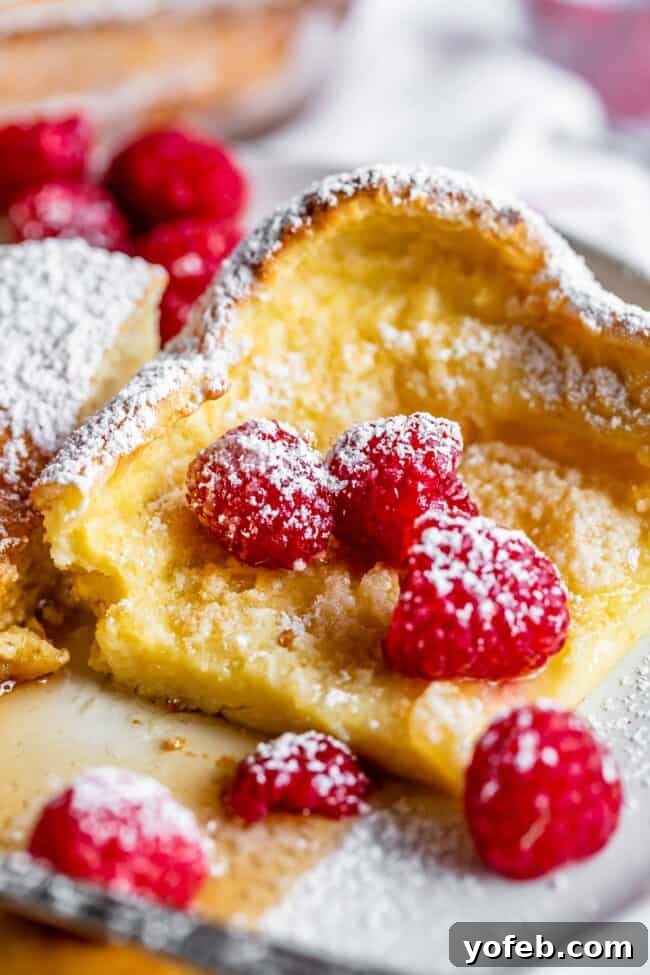
Table of Contents
- What Exactly Are German Pancakes (Dutch Babies)?
- German Pancakes vs. Regular Pancakes: The Key Differences
- Simple Ingredients for Perfect German Pancakes
- How to Make German Pancakes: Step-by-Step Perfection
- Achieving Ultra-Fluffy German Pancakes: A Special Technique
- Creative Serving Suggestions for German Pancakes
- Storing and Reheating German Pancakes
- Why Choose German Pancakes for Breakfast?
- More Breakfast Recipes You’ll Love
- The Best Dutch Pancakes Recipe
In a world bustling with morning routines, finding a breakfast that’s both easy to prepare and universally loved can feel like a quest. For many families, cereal is the go-to. Yet, some kids, like mine, have a perplexing aversion to the classic breakfast staple. Imagine the surprise when a child prefers oatmeal or scrambled eggs over a sugary bowl of cartoon-themed crunch! This daily challenge often pushes parents to get creative in the kitchen, seeking out recipes that promise delight without demanding an eternity of prep time. This is precisely where the marvel of German Pancakes shines.
This quest for an ideal breakfast led me to rediscover the joy of German Pancakes. Unlike the endless flipping required for traditional pancakes, this baked variety offers a hands-off approach that’s perfect for busy mornings, especially when you have discerning palates to please. The sheer simplicity and impressive presentation make them a winner every time.
Even with creative marketing, like Pokemon-themed cereals designed to captivate young minds, some children remain unmoved. The struggle is real when your child compares a new cereal to something they’d “throw on the ground”! This only reinforces the need for genuinely appealing breakfast options that truly satisfy. And for us, German Pancakes are often that delightful solution, bridging the gap between quick preparation and genuine family enjoyment.
What Exactly Are German Pancakes (Dutch Babies)?
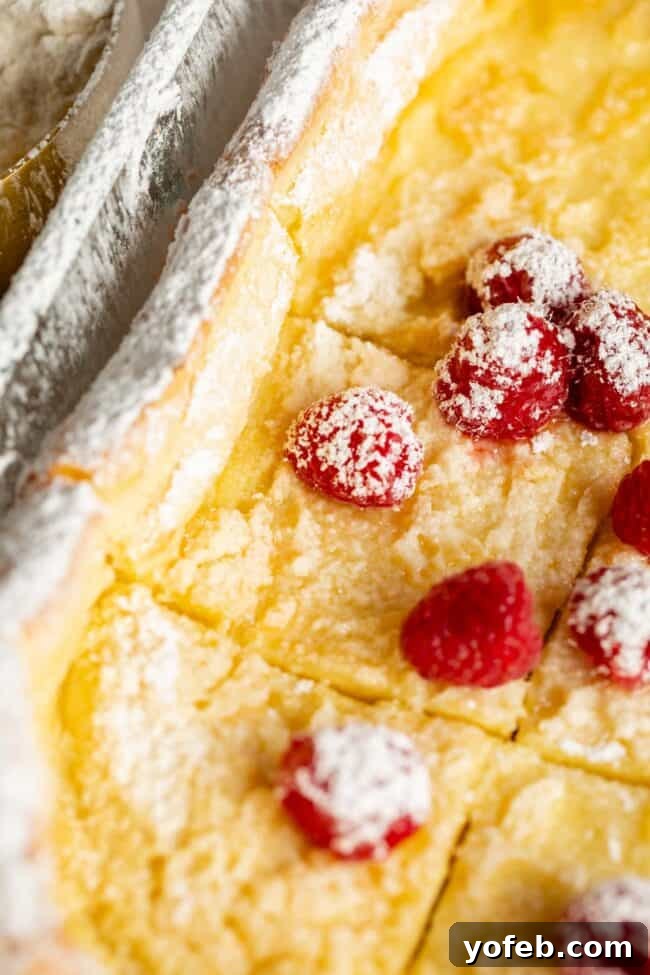
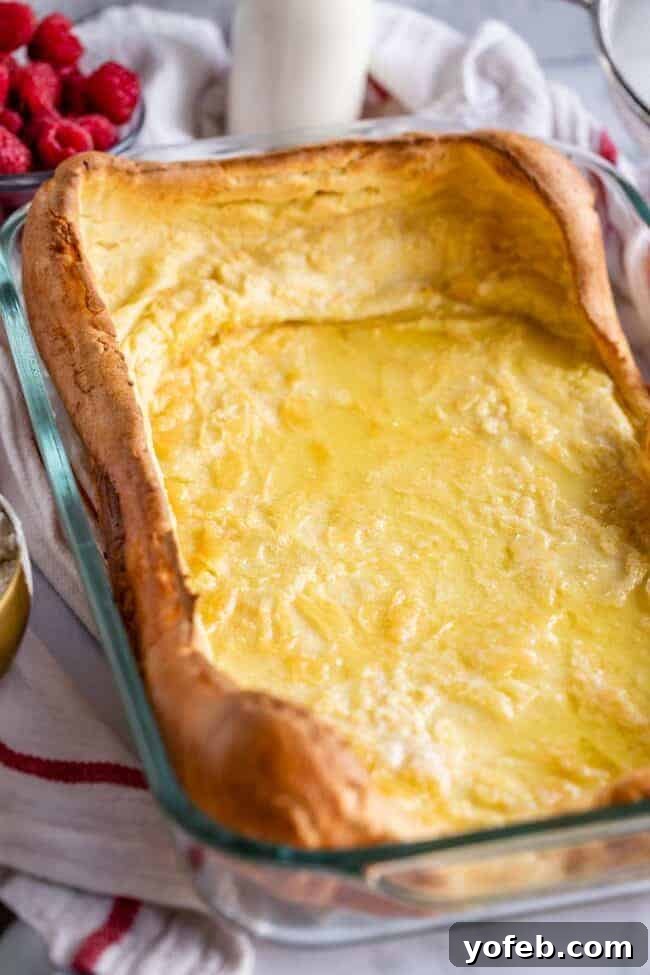
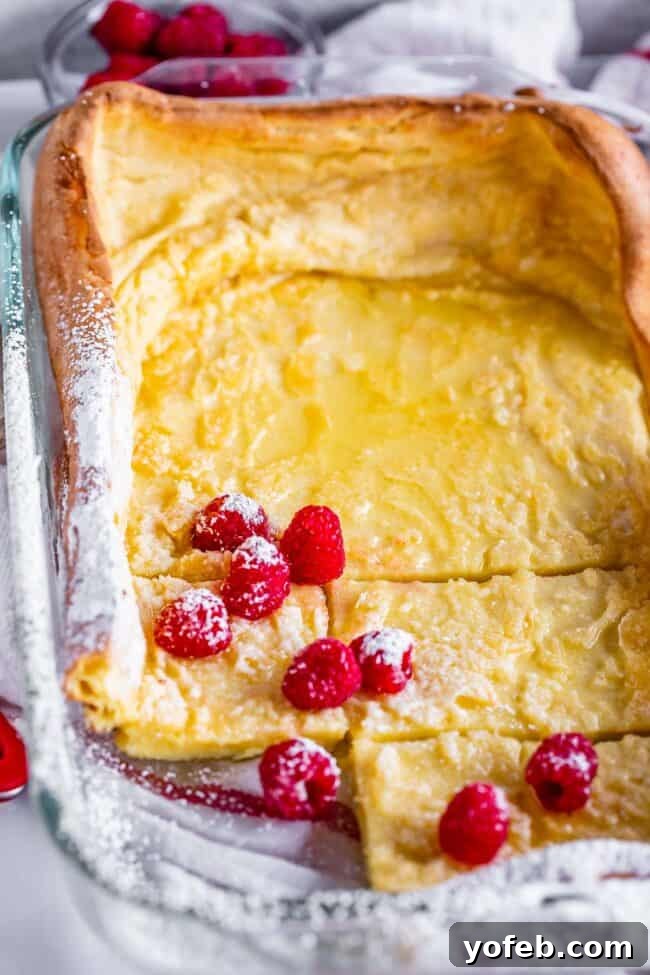
German Pancakes, often affectionately known as Dutch Babies, Puffy Pancakes, or even Hootenannies, are a truly unique and impressive breakfast dish. Unlike their flat, griddle-cooked cousins, these pancakes are baked in a hot oven, resulting in a dramatic, golden-brown puff around the edges and a custardy, tender center. Imagine a giant, savory popover with a sweet twist!
Despite the name “German Pancake,” the “Dutch Baby” moniker is said to have originated in the United States, specifically in a Seattle restaurant in the early 20th century. The exact origin is debated, but their charm is undeniable. They are characterized by their simple batter, made from just a few basic ingredients: eggs, flour, milk, sugar, and butter. The magic happens in the oven, where the hot pan and butter create steam, causing the batter to billow upwards, sometimes several inches above the rim of the pan. This incredible visual spectacle makes them a favorite for brunches and special occasions.
My family, who never had these growing up, has become utterly obsessed with them. They’re a fantastic solution for feeding a crowd without the constant attention required for stovetop pancakes. You just mix, pour, and bake – it’s that easy!
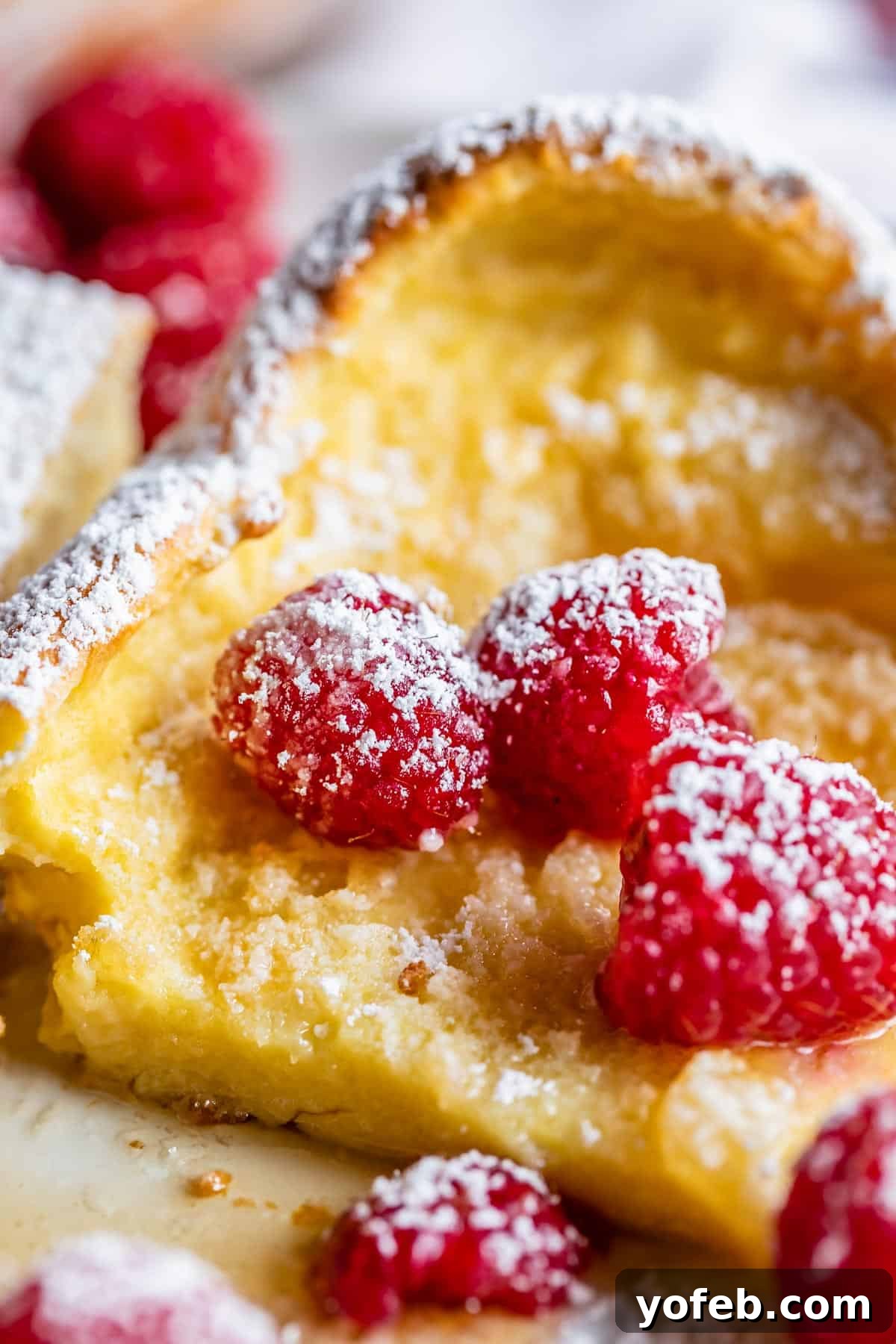
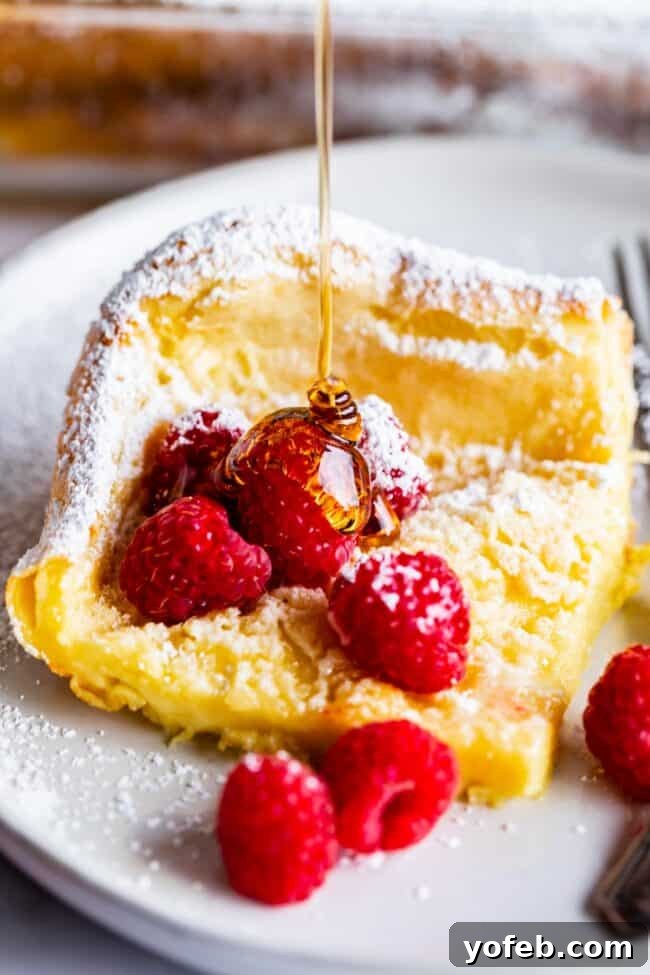
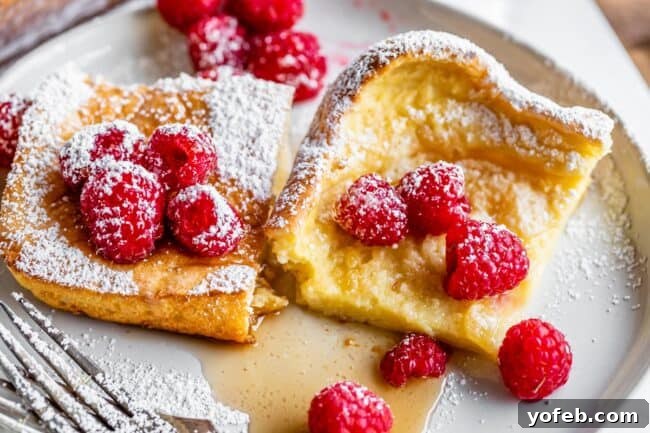
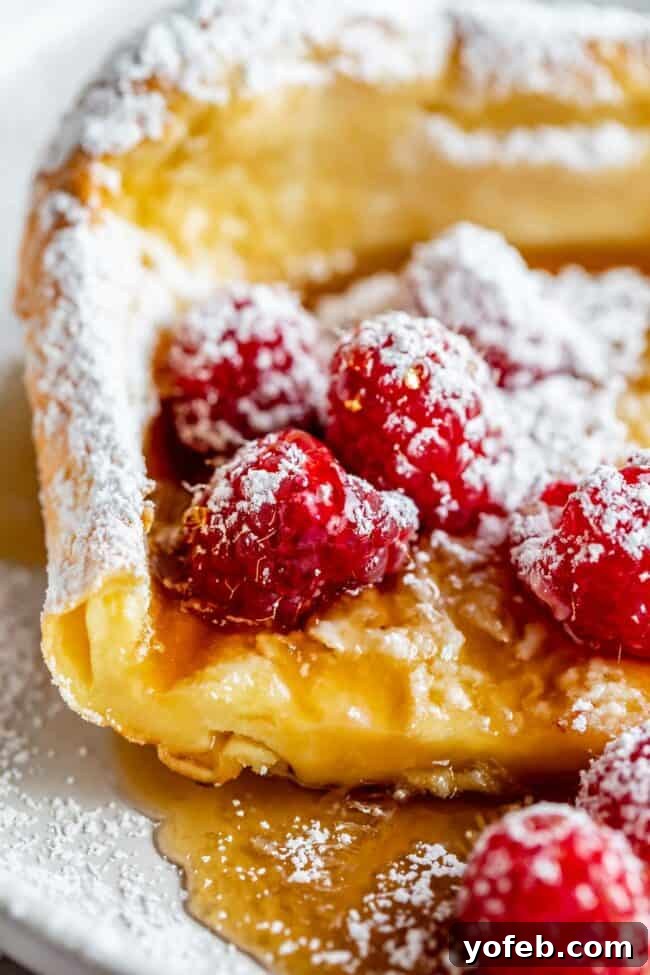
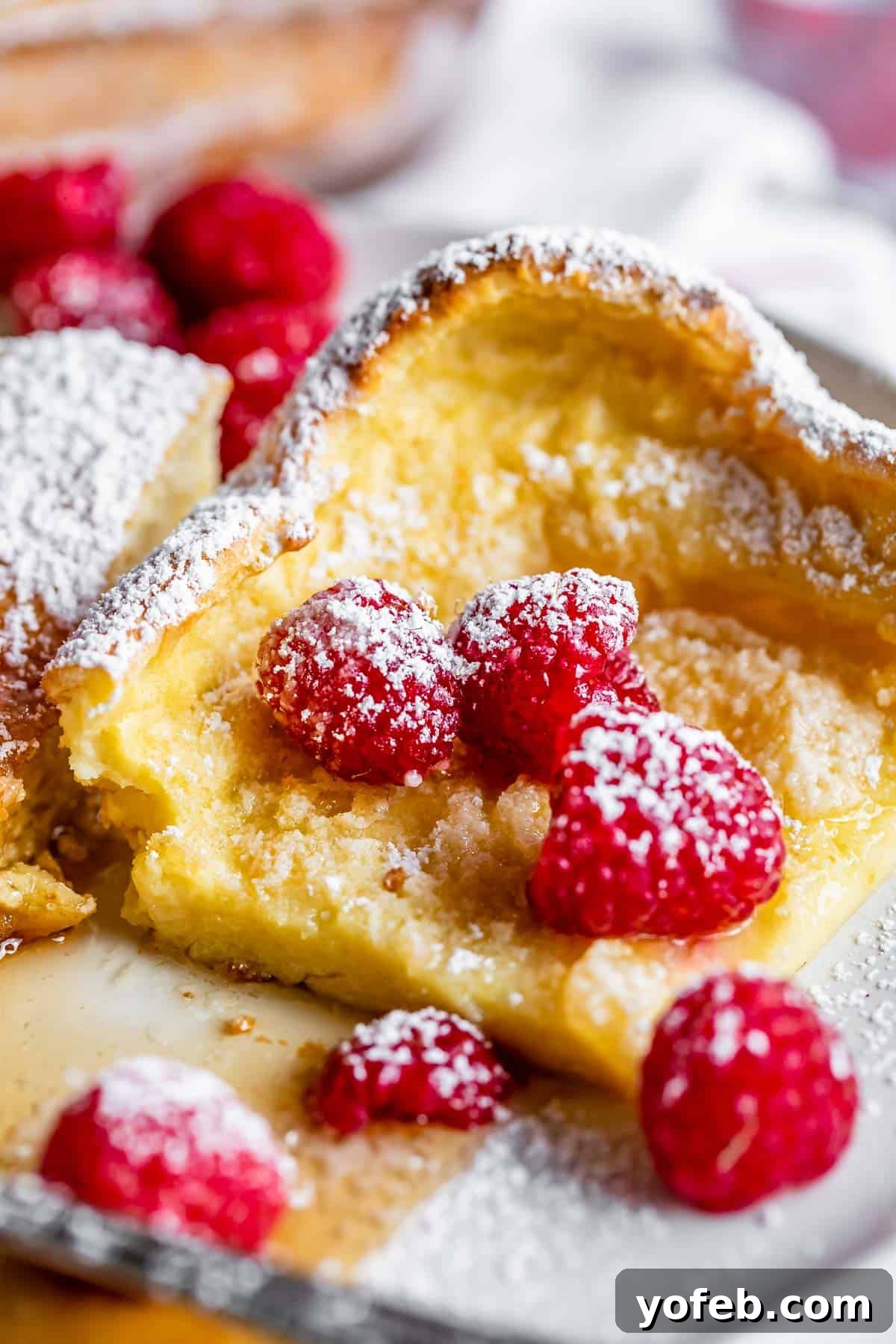
We absolutely adore serving these with classic maple syrup, a generous sprinkle of powdered sugar (a must!), and a colorful assortment of fresh berries like raspberries, blueberries, and strawberries. For those who prefer a brighter, tangy flavor, a simple squeeze of fresh lemon juice with powdered sugar is an absolute revelation.
Featured Comment
“This was absolutely FANTASTIC! The eggy taste and texture were so delicious, almost like a crepe’s thick, hotter cousin!” – Haley J.
See All Comments
German Pancakes vs. Regular Pancakes: The Key Differences
While both are beloved breakfast items, German Pancakes and traditional American griddle pancakes are quite distinct. Think of German Pancakes as a giant, tender popover that’s significantly more eggy than a typical pancake. This higher egg content is what contributes to their unique custardy texture and their impressive rise in the oven.
The primary difference lies in the cooking method. Regular pancakes are cooked individually on a hot skillet or griddle, requiring constant attention and flipping. German Pancakes, on the other hand, are baked in the oven in a single large pan. This hands-off approach is a game-changer for entertaining or simply enjoying a relaxed morning. You prepare the batter, pour it into a preheated, buttered pan, and let the oven do all the work, freeing you from the stovetop. This also means less mess and less sweating over a hot griddle.
Their ease of preparation makes them a super easy breakfast option for special occasions like Christmas morning. You can even prepare the batter the night before, refrigerate it, and then give it a quick beat in the morning before baking. If using a blender, you can simply stick the entire blender pitcher in the fridge overnight! Even if you forget to prep ahead, the batter comes together so quickly that it’s still a cinch to whip up on Christmas morning, or any random weekday when you crave something special. Who can resist the charm and deliciousness of Dutch Babies?
Simple Ingredients for Perfect German Pancakes
One of the many beauties of this German Pancake recipe is its reliance on simple, pantry-staple ingredients. You likely have most, if not all, of these on hand already. For the full, detailed list and instructions, remember to jump to the recipe card below!
- Butter: Essential for flavor and creating those crispy edges.
- All-Purpose Flour: The structural base of our pancake.
- Kosher Salt: Balances the sweetness and enhances other flavors.
- Granulated Sugar: Adds a touch of sweetness to the batter.
- Whole Milk: Contributes to the tender texture and rich flavor.
- Vanilla Extract: A classic flavor enhancer for any sweet breakfast.
- Large Eggs: The star of the show, providing the lift and eggy, custardy texture.
- Optional Toppings: Maple syrup, powdered sugar, and fresh berries are highly recommended for the ultimate experience!
Each ingredient plays a crucial role in achieving that signature German Pancake taste and texture. The eggs provide the structure and incredible puff, while the milk and butter ensure a rich, tender, and flavorful result. It’s a testament to how humble ingredients can create something truly extraordinary!
How to Make German Pancakes: Step-by-Step Perfection
Making German Pancakes is not just a cooking process; it’s a delightful culinary experiment! The way they puff up dramatically in the oven is truly captivating. If you have kids, turn on the oven light and let them watch the magic unfold – it’s free entertainment! With only 7 core ingredients, this recipe is surprisingly simple to master.
Step 1: Prepare Your Pan and Preheat the Oven
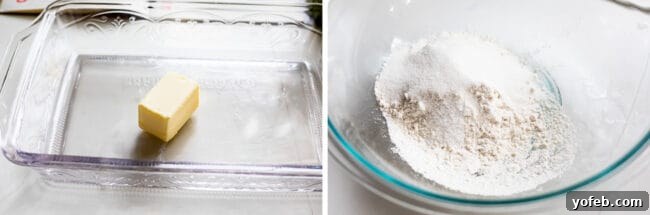
Begin by adding 6 tablespoons of butter to a 9×13 inch casserole dish. Place the dish directly into your oven and start preheating it to 425°F (220°C). As the oven heats up, the butter will melt, becoming perfectly golden and ready for the batter. If you find yourself delayed, simply remove the melted butter from the oven to prevent it from browning too much, and set it aside until your batter is prepared.
Step 2: Combine Dry Ingredients
In a large mixing bowl or the bowl of a stand mixer, combine 1 cup of all-purpose flour, 1/2 teaspoon of kosher salt, and 1/4 cup of granulated sugar. Whisk these dry ingredients together thoroughly to ensure they are well combined.
Step 3: Add Wet Ingredients (Milk and Vanilla)
Next, pour in 1 cup of whole milk and 1 teaspoon of vanilla extract into the dry mixture. Stir gently to incorporate.
Step 4: Incorporate Eggs for Fluffiness
Now, it’s time for the eggs, which are crucial for the German pancake’s signature puff. Using the whisk attachment on your stand mixer or an electric hand beater (a regular whisk and some elbow grease work too!), gradually beat in 6 large eggs. For the best, fluffiest results, I highly recommend adding the eggs one at a time, beating well for at least 30 seconds after each addition. To streamline this process, you can crack all the eggs into a separate bowl beforehand, then pour them into the batter individually.
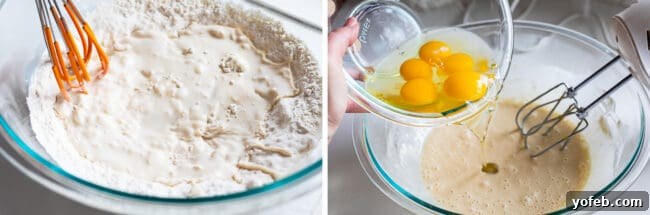
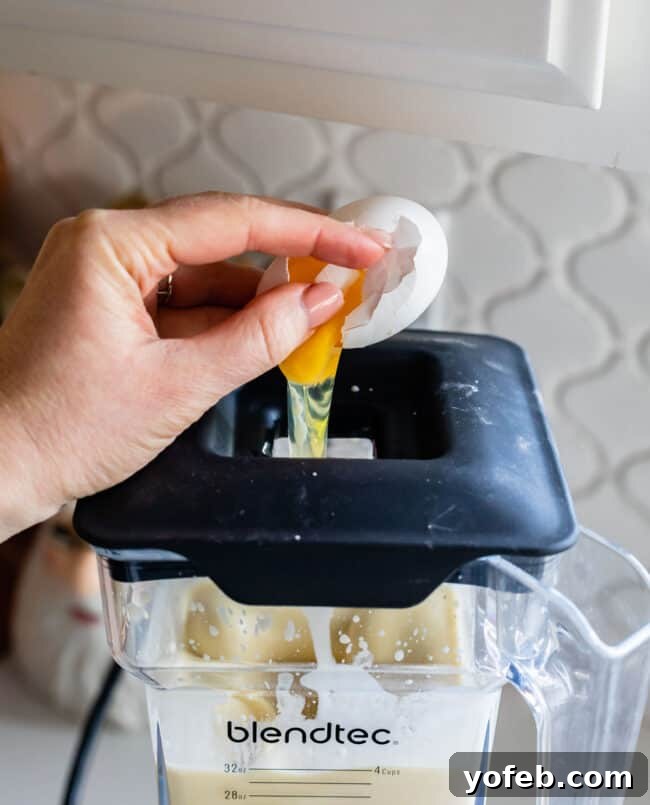
Alternatively, this recipe works wonderfully in a blender! Simply add all the ingredients except the eggs to the blender and pulse to combine. Then, add the eggs one by one, blending for a full 30 seconds after each egg. This method creates an incredibly smooth and airy batter, contributing to the ultimate fluffy pancakes!
Step 5: Pour Batter into Hot Butter
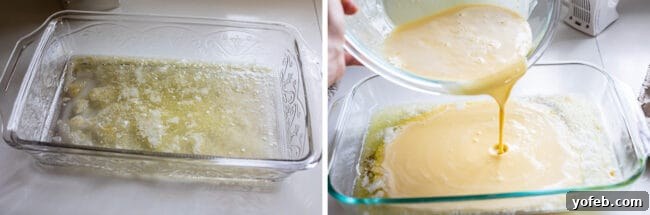
Once your batter is perfectly smooth and airy, carefully remove the pan with the melted butter from the hot oven. Using a figure-eight motion, slowly pour the batter into the hot butter. The goal is to maximize the contact between the batter and the melted butter, as this interaction is key to achieving those wonderfully craggy and puffy edges. If you wish, you can even use a butter knife to gently swirl the batter around a bit, but there’s no need to fully combine it; just a light swirl will do.
Step 6: Bake to Puffy Perfection
The batter will begin cooking immediately upon hitting the hot butter. Swiftly, but carefully, transfer the dish back into the preheated oven. Bake for approximately 20 minutes, or until the edges are dramatically high, beautifully browned, and incredibly puffy! Don’t be alarmed if you see some butter pooled in the center of your German pancake; this is perfectly normal. Simply spread it around a bit before serving.
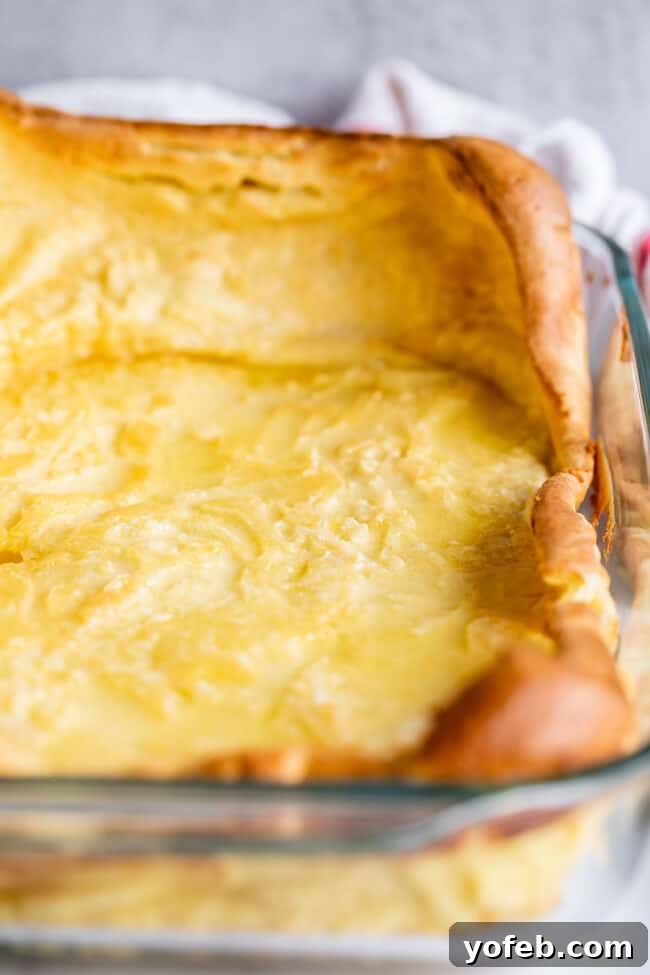
And just like that, you have a show-stopping breakfast ready to be enjoyed! Slice the warm pancakes and serve them immediately with your favorite toppings.
Achieving Ultra-Fluffy German Pancakes: A Special Technique
For those who adore an extra light and airy texture, similar to the fluffiest waffles or delicate crepes, there’s a special technique to elevate your German Pancakes: separating and beating the egg whites. This method, often reserved for recipes like the best homemade pancakes or crisp waffles, can transform your Dutch Baby into an even more spectacular culinary experience.
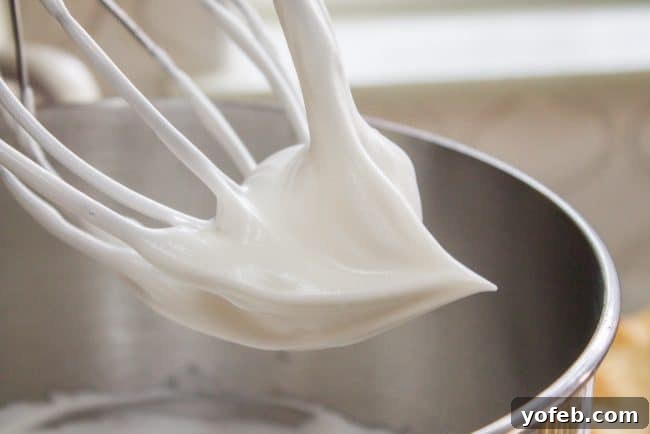
The science behind this is simple: beating egg whites incorporates air, creating a stable foam that, when gently folded into the batter, provides incredible lift and a remarkably tender crumb. I had to try it with German Pancakes, and the results were truly astounding. The difference is immediately visible, and the texture is simply divine.
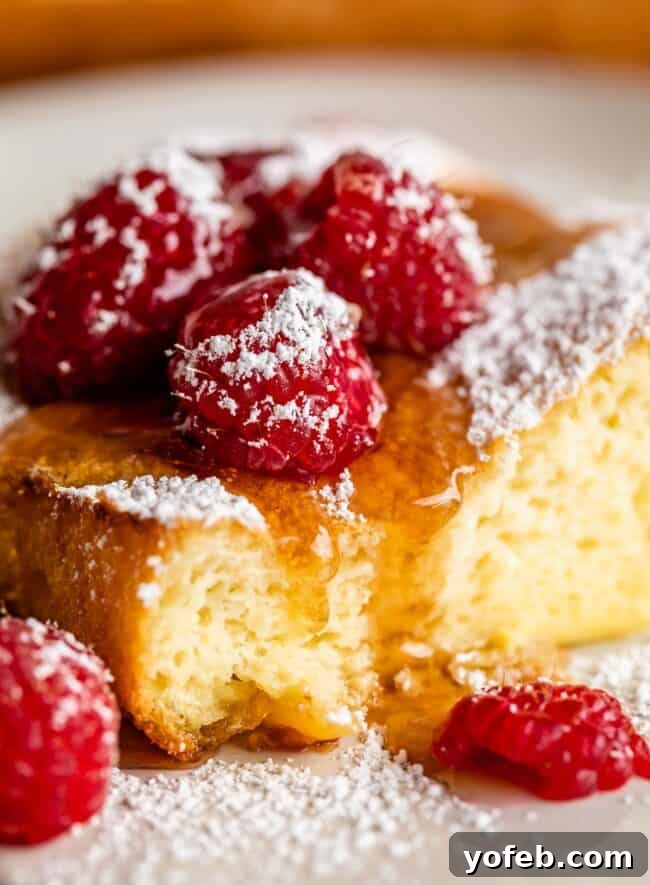
The result? SO. SO. FLUFFY. While traditional German pancakes tend to be flat in the center with puffy edges, this modified version boasts an impressive puffiness throughout, resembling more of a delicate cake. It’s an all-around voluminous, ethereal texture that will impress anyone. All the ingredients remain the same; the magic simply comes from the order and method of incorporating the eggs.
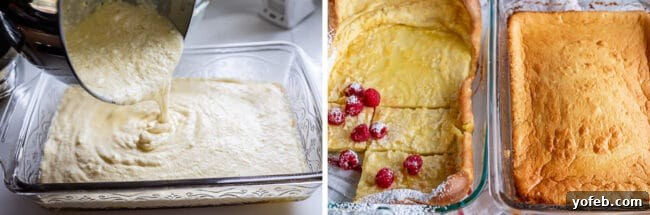
Observe the incredible puffiness! While not strictly traditional, this variation offers a delightful and lighter texture that many will adore. I personally enjoy both versions and switch between them depending on my mood or desired outcome. The detailed instructions for achieving these fluffy wonders are included in the “Notes” section of the recipe card under “How to Make FLUFFY German Pancakes.” Give it a try – you might just discover your new favorite way to make them!
Creative Serving Suggestions for German Pancakes
One of the best things about German Pancakes is their incredible versatility when it comes to toppings. My family’s go-to combination is always warm maple syrup, a light sprinkle of powdered sugar, and a colorful mix of fresh raspberries and blueberries. But the possibilities are truly endless! Here are some more delectable ideas to inspire your next German Pancake feast:
- Classic Sweet Enhancements: Elevate with homemade whipped cream – it always adds a touch of luxury.
- Chocolate Lover’s Dream: Spread warm Nutella generously over individual slices for a rich, hazelnutty treat.
- Sweet & Savory Combo: Try sliced bananas, a dollop of peanut butter, and crispy bacon bits for an unexpected flavor explosion.
- Tropical Twist: Serve with a drizzle of homemade Coconut Syrup and fresh, juicy pineapple chunks.
- Dessert Indulgence: Transform your German Pancake into a decadent dessert by topping it with a scoop of vanilla ice cream and your favorite sundae toppings like chocolate sauce, sprinkles, or cherries.
- Citrus Burst: A simple squeeze of fresh lemon juice and a dusting of powdered sugar offers a bright, refreshing contrast to the rich pancake.
- Fruit Compotes & Jams: Spoon warm berry compotes, apple cinnamon mixtures, or your favorite fruit preserves over the top.
- Nutty Crunch: Add chopped toasted nuts like pecans, walnuts, or almonds for added texture and flavor.
- Cream Cheese Glaze: A simple glaze made from powdered sugar, cream cheese, and a splash of milk can turn it into a cinnamon roll-like experience.
Storing and Reheating German Pancakes
While German Pancakes are undeniably best served fresh and warm from the oven, you can absolutely enjoy leftovers! Properly stored, they make for quick and easy breakfasts throughout the week.
Storage: Once completely cooled, cut the leftover pancake into individual slices. This makes them much easier to store and reheat. Place the slices in an airtight container or a heavy-duty Ziplock bag. They will keep beautifully in the refrigerator for 3-4 days. For longer storage, German Pancakes freeze exceptionally well. Wrap individual slices tightly in plastic wrap, then place them in a freezer-safe bag or container. They can be frozen for up to two months.
Reheating: You can reheat slices directly from the fridge or freezer. The quickest method is the microwave, heating until warmed through. For a slightly crispier edge, especially if reheating from the freezer, you can warm them in a toaster oven or conventional oven at a low temperature (around 300°F or 150°C) until heated through. The impressive puffiness might not return as dramatically as when freshly baked, but the delicious flavor and tender texture will still be there!
Why Choose German Pancakes for Breakfast?
Beyond their ease and impressive appearance, German Pancakes offer several compelling reasons to become a staple in your breakfast repertoire:
- Effortless Elegance: They look incredibly fancy with minimal effort, making them perfect for unexpected guests or special weekend brunches.
- Less Hands-On Time: Once the batter is poured, the oven does all the work, freeing you up to prepare other things or simply relax.
- Customizable for Everyone: With a wide array of topping options, everyone at the table can customize their slice to their liking.
- Unique Texture: The combination of crispy edges and a custardy, eggy center offers a textural experience distinct from regular pancakes.
- Versatile Meal: While typically sweet, a German pancake can also lean savory with toppings like cheese, herbs, or even a fried egg.
- Family Favorite: Their visual appeal and delicious taste make them a hit with both children and adults.
More Breakfast Recipes You’ll Love!
For those perpetually seeking delicious breakfast alternatives that aren’t cereal, here are some other fantastic recipes to tempt your taste buds:
- The Best Pancakes I’ve Ever Made >> I stand by this title! Check out the rave reviews!
- Caramelized French Toast >> A game-changer that converted me into a French toast enthusiast.
- Classic Waffle Recipe >> Our go-to, made countless times; a true family favorite.
- Truly The Best Crepes I’ve Ever Had >> Experience authentic, delicate crepes without a trip to France.
- How to Bake Bacon in the Oven >> The perfect, mess-free accompaniment to any breakfast.
- The Fluffiest Homemade Cinnamon Rolls of Your Life >> Made with brioche dough for ultimate softness and decadence.
- The Best Scone Recipe I’ve Ever Made >> Forget dry, tough scones; these are incredibly tender and flavorful.
- Liege Waffles with Pearl Sugar >> A European breakfast delight that’s pure indulgence.
- How to Make Ultra Flaky Buttermilk Biscuits >> Sky-high, tender, and utterly delicious biscuits for any meal.
- Sourdough Pancakes from Tastes of Lizzy T >> For a tangy twist on classic pancakes.
- Peanut Butter Muffins from Sugar Spun Run >> A comforting and satisfying muffin option.
- Cheesy Bacon Mini Egg Muffins from Blackberry Babe >> A savory, protein-packed breakfast on the go.
Facebook | Pinterest | Instagram

Dutch Pancakes
5 minutes
20 minutes
25 minutes
4
Ingredients
-
6 tablespoons butter -
1 cup all-purpose flour, spooned and leveled -
1/2 teaspoon kosher salt -
1/4 cup granulated sugar -
1 cup whole milk -
1 teaspoon vanilla -
6 large eggs
To garnish
-
maple syrup -
fresh berries -
powdered sugar
Instructions
-
Add 6 tablespoons butter to a 9×13 inch casserole dish. Put in in the oven and start preheating the oven to 425 degrees F. The butter will be melted by the time you are ready to add the batter. (If you have any delays, take the melted butter out of the oven before is starts to brown. Set aside until batter is ready.)
-
In a large bowl or stand mixer, add 1 cup flour, 1/2 teaspoon kosher salt, and 1/4 cup sugar. Whisk it together.
-
Add 1 cup whole milk and 1 teaspoon vanilla.
-
Use the whisk attachment on your stand mixer, or an electric beater, (or a regular old whisk and elbow grease) to beat in 6 eggs. I like to add the eggs one at a time and beat well in between each addition, to make sure the German pancakes turn out nice and fluffy. I actually like to crack all the eggs into a separate bowl and pour them in one at a time, because it’s easier than pausing every 30 seconds to crack an egg and wash hands.
-
Once all the 6 eggs have been well beaten into the mixture, take the pan with the melted butter out of the oven. Use a figure 8 motion to pour the batter slowly into the pan. The more contact that the batter has with the butter, the more craggy and puffy your German pancakes will be. If you hurry, you can even use a butter knife to swirl it around a bit if you like. If doesn’t need to be combined; just swirled.
-
The mixture will start cooking right away once it hits the hot butter, so carefully but quickly transfer the sloshy mixture back to the oven.
-
Bake at 425 for about 20 minutes, until the edges are sky high, browned and puffy! There might be some butter pooled in the center of your German pancake. That’s okay! Just spread it around a bit before serving.
-
Slice the pancakes and serve warm! It tastes delicious with warm maple syrup and fresh berries. A sprinkle of powdered sugar is also traditional and adds just the right touch!
-
These pancakes are best served fresh. Store leftovers in the fridge and they will keep 3-5 days!
Notes
Some people like to add a little cinnamon or nutmeg to German Pancakes! If you want to try it, start with 1/2 of cinnamon and maybe 1/4 teaspoon nutmeg.
Overnight instructions
Make the batter as usual. Refrigerate overnight. In the morning, beat the batter one last time before pouring it into the hot butter as usual. Bake as directed!
How to make FLUFFY German Pancakes:
Melt the butter in a pan as usual. Separate 6 eggs and add the whites to a large bowl or stand mixer. Beat whites until stiff peaks form (at least 2 minutes). Add the 6 egg yolks and all the other ingredients (1 c flour, 1/2 t salt, 1/4 c sugar, 1 c milk, and 1 t vanilla) to a large bowl and whisk together very well. Fold in the egg whites until incorporated. Pour into the hot butter in the pan. Return to the oven and bake as directed.
How to store German pancakes
Leftovers can be stored in the fridge for 3-4 days or frozen for a couple of months. I just cut leftovers into slices so they’re easier to pop into a Tupperware or Ziplock bag (once they’re completely cool). You can microwave them from the fridge or freezer directly.