
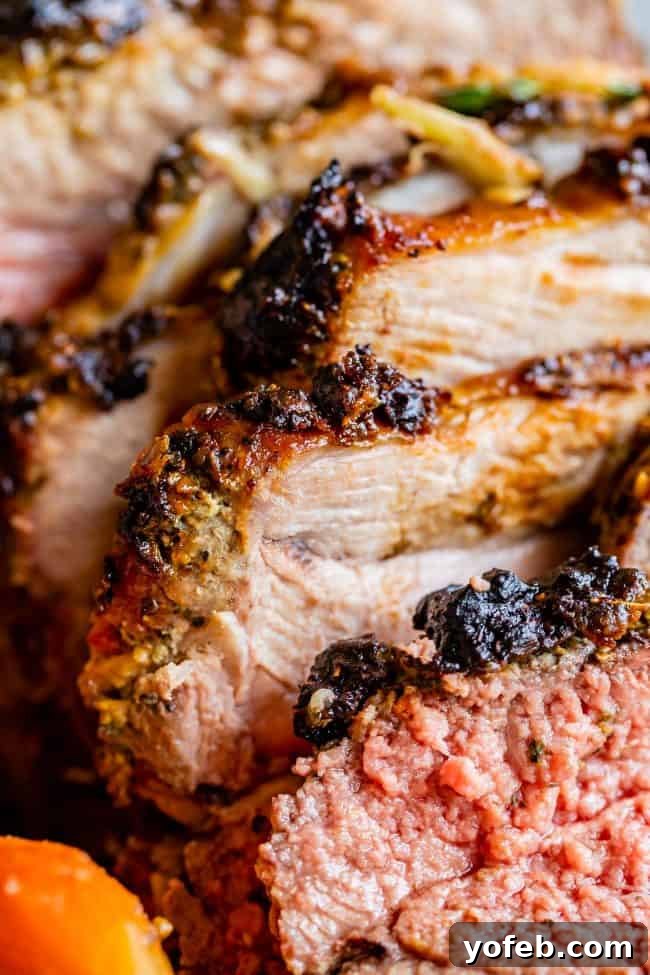
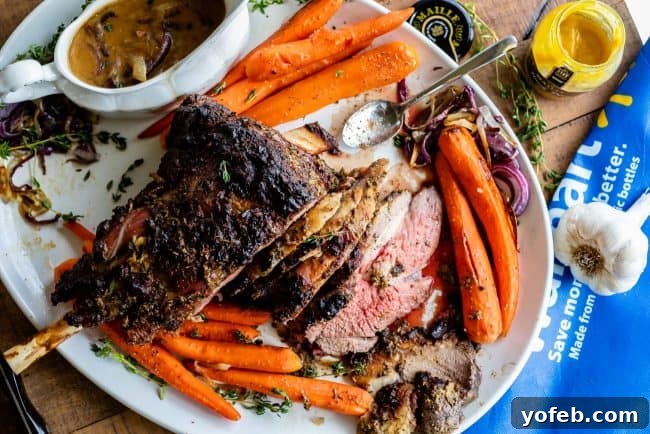
Planning an unforgettable Easter feast or a special holiday gathering? Look no further than this magnificent Roast Leg of Lamb with a delectable Blackened Honey Dijon Crust. This recipe promises a main dish that is not only incredibly delicious but also consistently moist and tender. The secret to achieving its sublime texture and flavor lies in a unique two-step roasting process: an initial high-heat blast at 500 degrees Fahrenheit creates that coveted crispy, savory crust, followed by a lower temperature roast to ensure the lamb remains juicy and perfectly cooked throughout. Get ready to impress your guests with the most succulent roast lamb they’ve ever experienced, elevated by a rich, aromatic blend of honey Dijon and abundant garlic. Originally published April 03, 2019.
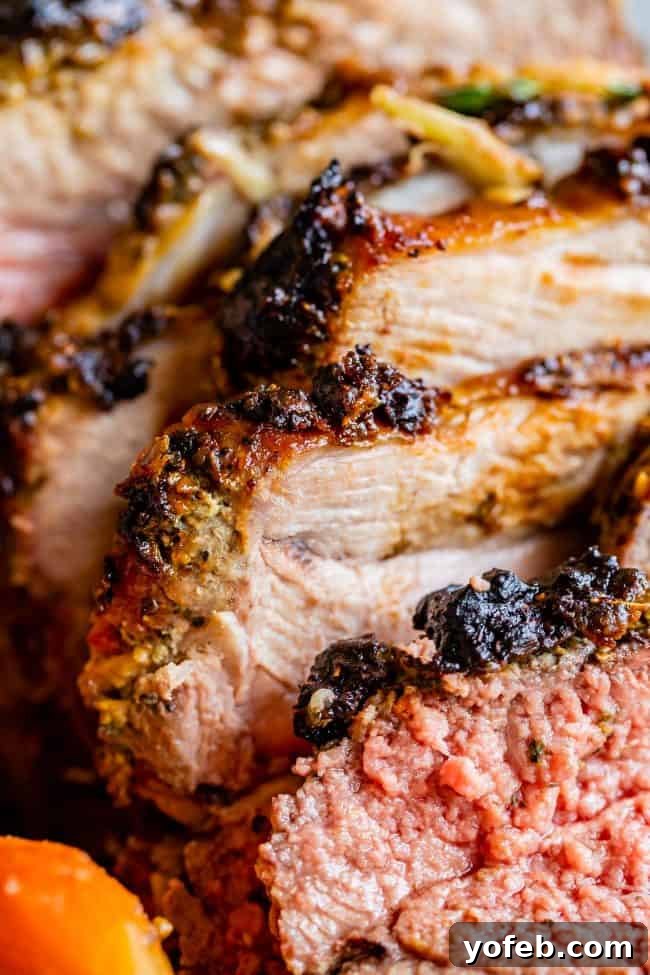
Table of Contents
- Make Roasted Leg of Lamb the Star of Your Holiday Table
- Why Choose Lamb for Your Celebration?
- Selecting the Perfect Leg of Lamb
- What Cooking Method is Best for Lamb?
- How Long Should You Cook Roast Lamb?
- Ingredients for Roast Leg of Lamb
- How to Make Roast Leg of Lamb: Step-by-Step Guide
- What Seasoning is Best for Lamb?
- Is It Better to Roast Lamb Covered or Uncovered?
- The Importance of Resting Your Roast Lamb
- How to Store Roast Leg of Lamb
- How to Freeze Roast Leg of Lamb
- How to Reheat Roast Leg of Lamb
- More Stunning Main Dishes You Will Love for a Holiday Meal!
- Roast Leg of Lamb with Blackened Honey Dijon Crust Recipe
Returning from a recent family cruise certainly had its moments – the fun of the ocean juxtaposed with the endurance test of a 5-hour flight with children. Navigating airports with passports, boarding passes, and a toddler who preferred riding on a suitcase rather than being carried, felt like an Olympic sport. I confess, I was the one constantly misplacing our bags! From leaving a suitcase at TSA to abandoning it in the airplane aisle and even in the hotel hallway, my mind was clearly elsewhere.
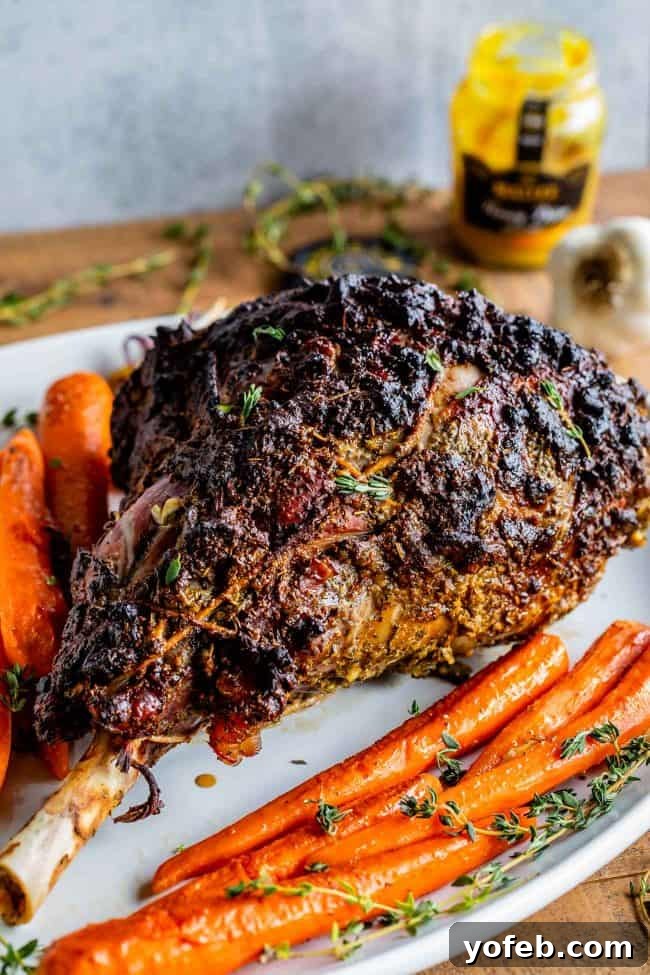
The chaos of travel sometimes makes you crave simplicity and triumph in other areas of life, like cooking. If you’ve ever felt that post-travel exhaustion or simply want a foolproof yet impressive recipe for your next gathering, this Roast Leg of Lamb is your answer. Forget the travel woes; let’s focus on creating something truly magnificent without the stress. This recipe is designed to deliver maximum flavor and tenderness with a straightforward approach, making it perfect for both seasoned cooks and those looking to elevate their holiday menu.
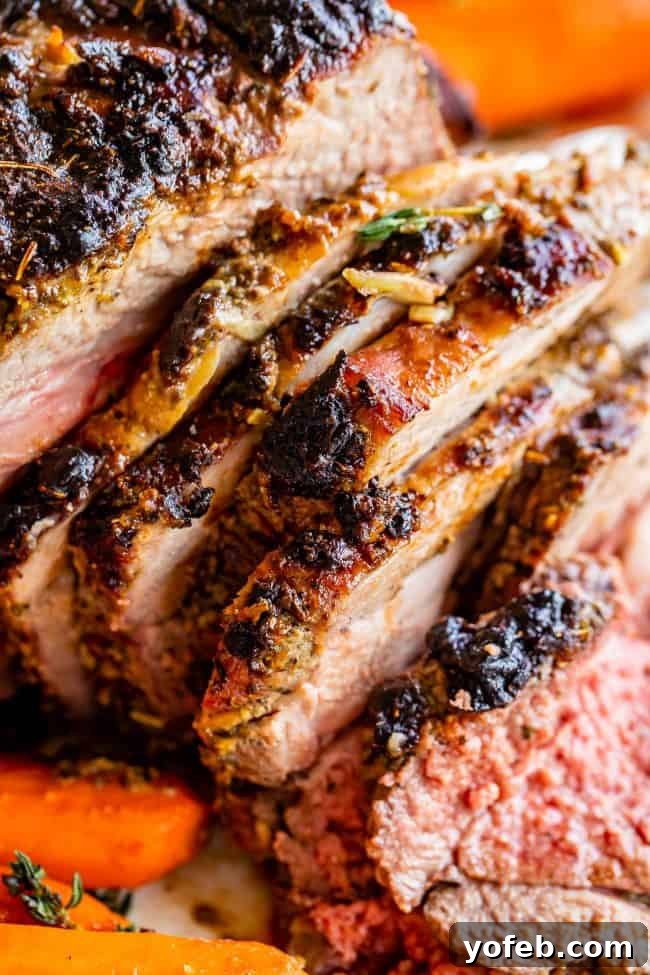
Just like successfully getting through an airport with kids, creating a perfect roast leg of lamb can feel like an achievement. This dish ensures that your efforts in the kitchen are rewarded with exceptional taste and presentation, making any meal feel like a special occasion.

Don’t let this innocent face fool you!
But enough about travel tales! Let’s dive into the main event: crafting a show-stopping roast leg of lamb that will be the centerpiece of your Easter celebration or any festive occasion.
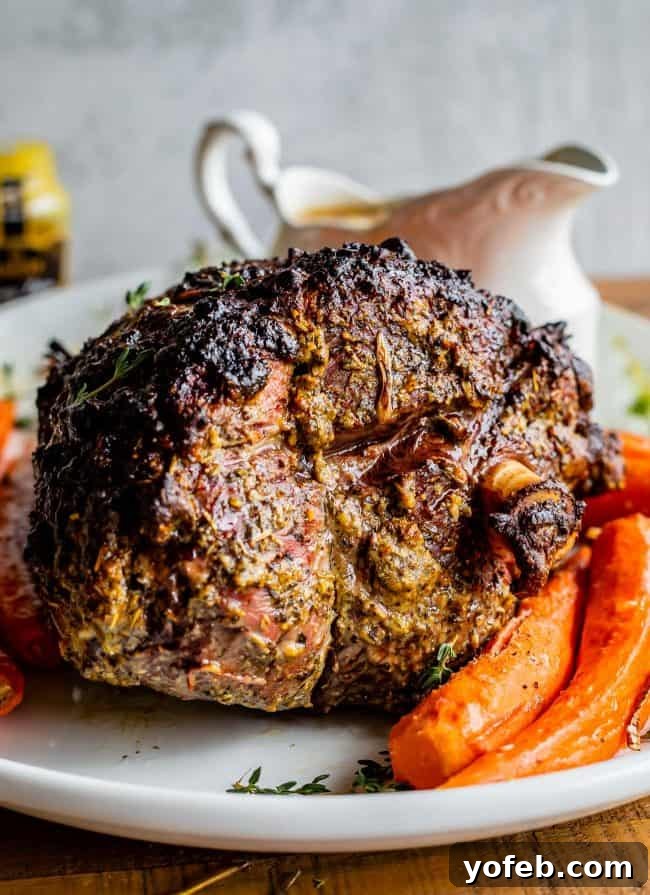
Make Roasted Leg of Lamb the Star of Your Holiday Table
Are you ready for Easter? Or perhaps planning a spring dinner party or a memorable Sunday roast? If you’ve never had a perfectly roasted leg of lamb, you’re in for a truly delightful culinary experience! Lamb, though not as common in American households as other meats, offers a rich, distinctive flavor and an unparalleled tenderness when prepared correctly. This recipe will guide you through the process, ensuring your lamb roast is juicy, aromatic, and features a gorgeously crusted exterior.
Why Choose Lamb for Your Celebration?
Lamb is a revered centerpiece in many cultures for holiday feasts and special occasions, and for good reason. Its unique, rich flavor profile sets it apart from beef or pork, offering a taste that feels both luxurious and comforting. Beyond its exquisite taste, lamb is a fantastic source of high-quality protein, essential vitamins like B12 and niacin, and minerals such as zinc and iron. Opting for lamb not only elevates your meal but also introduces your guests to a delicious meat that is often underappreciated. It’s a fantastic way to diversify your holiday menu and create lasting culinary memories.
Selecting the Perfect Leg of Lamb
The journey to an exceptional roast lamb begins with choosing the right cut. A bone-in leg of lamb is highly recommended for this recipe. The bone imparts extra flavor and helps the meat cook more evenly, resulting in a juicier roast. When selecting your lamb, look for a piece with a good layer of fat, as this will render during cooking, adding moisture and taste. For a typical holiday gathering of 6-8 people, a 5-pound bone-in leg of lamb is usually ideal. If you’re serving a larger crowd, consider a bigger leg or even two smaller ones. Don’t be shy to ask your butcher for advice on the freshest cuts.
What Cooking Method is Best for Lamb?
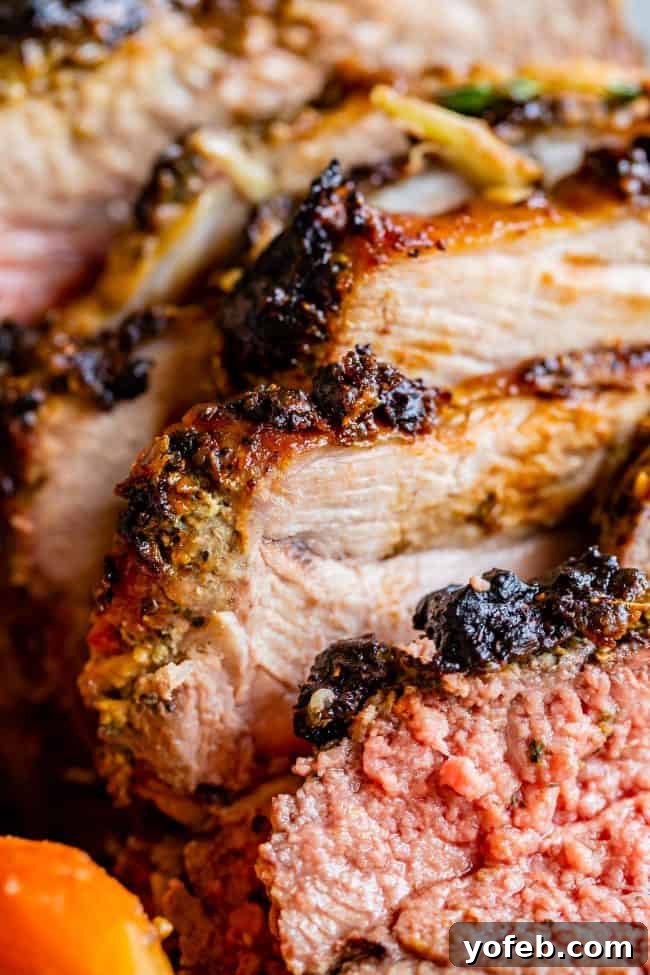
When it comes to lamb, the risk of overcooking is real, which can lead to a dry, tough result. That’s why I advocate for a specific roasting technique: a high-heat initial sear followed by a low-and-slow roast. This method is crucial for achieving that coveted, crispy, and flavorful exterior, while the gentle, prolonged cooking ensures the interior remains incredibly tender and moist. The intense initial heat caramelizes the surface and creates the “blackened” honey Dijon crust, locking in juices. Then, reducing the temperature allows the heat to penetrate gradually, preventing dryness and drawing out the rich, savory nuances of the lamb.
How Long Should You Cook Roast Lamb?
The cooking time for your roast lamb is a critical factor and depends largely on the size of your leg and your desired level of doneness. Our method begins with a quick blast at 500 degrees F for about 10 minutes to develop that incredible crust. After this initial searing, the oven temperature is reduced to 400 degrees F for the remainder of the cooking. As a general guide, plan for approximately 20 to 25 minutes per pound for a bone-in leg of lamb. However, this is just an estimate. The most reliable way to ensure perfection is to use a meat thermometer. Remember, lamb continues to cook after it’s removed from the oven, with the internal temperature rising another 5 degrees or so during resting. Therefore, aim to remove your lamb when it’s about 5 degrees shy of your target internal temperature for a perfectly moist and tender finish. Overcooked lamb loses its tenderness and can become dry, so trust your thermometer more than the clock.
Ingredients for Roast Leg of Lamb
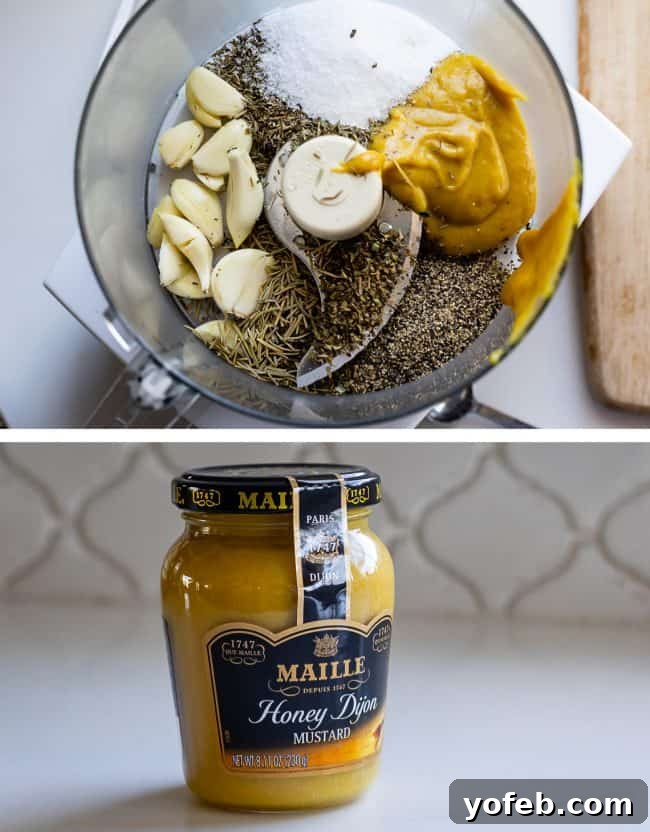
The magic of this roast lamb recipe truly comes alive with its sensational rub. This blend combines the sweet and tangy notes of honey Dijon mustard with an generous amount of fresh garlic and a trio of classic dried herbs: thyme, oregano, and rosemary. These ingredients are meticulously chosen to enhance the lamb’s natural flavors, creating a rub that penetrates deep into the meat and forms that irresistible blackened crust. Seriously, this rub is so flavorful, you might want to put it on everything! Below is a quick shopping list to get you started. For the complete detailed ingredients and step-by-step instructions, please refer to the recipe card at the bottom of this article.
- bone-in leg of lamb (approx. 5 lbs)
- garlic cloves (for insertion)
- dried oregano
- dried thyme
- dried rosemary
- kosher salt
- black pepper
- honey Dijon mustard
- olive oil
- red onions
- carrots
- all-purpose flour
- white cooking wine (or chicken broth)
- chicken broth

How to Make Roast Leg of Lamb: Step-by-Step Guide
The key to a truly exceptional roast lamb is to avoid overcooking. While the technical recommendation for lamb doneness is 145°F, pulling it out a few degrees before that target will result in the most flavorful, succulent roast you’ve ever tasted. This slight deviation allows for carryover cooking, ensuring perfect medium-rare to medium tenderness without drying out. Consult the notes in the recipe card for precise temperature guidance based on your preferred doneness level.
One non-negotiable step in this recipe is the initial high-heat blast. This is the secret to achieving that coveted, gorgeous crusty exterior. Preheat your oven to a scorching 500°F (yes, really!) and roast the lamb for the first 10 minutes. This intense heat sears the surface, creating a flavorful crust and locking in moisture. After this initial searing, reduce the oven temperature to 400°F to gently roast the interior to juicy, tender perfection. A word to the wise: ensure your oven is well-ventilated and clean before attempting such a high temperature, as lingering debris can cause smoke. With a good oven, the smoke alarm should remain silent, leaving you only with the wonderful aroma of roasting lamb.
What Seasoning is Best for Lamb?
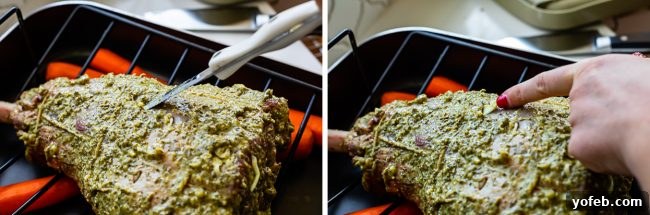
For truly flavorful lamb, garlic is your best friend. It’s virtually impossible to find a classic roast lamb recipe that doesn’t feature this essential aromatic. Our recipe takes garlic integration to the next level. We incorporate smashed garlic cloves directly into the roasting pan to infuse the pan drippings (which will later become your amazing gravy). A generous amount of garlic also goes into the honey Dijon rub itself. But for the ultimate flavor penetration, use a long, sharp knife to make small incisions all over the lamb and insert slivers of garlic into each cut. This technique ensures every bite of lamb is bursting with garlicky goodness, transforming a good roast into an absolutely unforgettable one.
Is It Better to Roast Lamb Covered or Uncovered?
For a roast leg of lamb with that coveted golden-brown, deliciously crispy, and caramelized crust, roasting uncovered is the preferred method. This allows the exterior to develop a beautiful texture and deep flavor that makes mouths water the moment it emerges from the oven. The direct heat helps to render the fat and crisp up the skin, creating a stark contrast to the juicy, tender interior. However, if you notice the top browning too rapidly during the extended roasting time, a loose tent of aluminum foil can be applied. This prevents the surface from burning while allowing the internal temperature to slowly rise. Remember to remove the foil towards the end of the cooking process to re-crisp the crust and ensure that perfect finish.
The Importance of Resting Your Roast Lamb
Just like any fine cut of meat, your roast leg of lamb needs a crucial resting period after it comes out of the oven. This step is non-negotiable for a truly juicy roast. When meat cooks, its muscle fibers tighten, pushing the delicious juices towards the center. Resting the lamb, loosely tented with foil, for at least 20 minutes allows these fibers to relax and redistribute the juices throughout the entire roast. If you slice into it too soon, all those precious juices will simply run out onto your cutting board, leaving you with a drier, less flavorful lamb. Patience is key here; the rest ensures every slice is moist, tender, and utterly delicious.
How to Store Roast Leg of Lamb
After dazzling everyone with your magnificent roast leg of lamb, properly storing any delicious leftovers is essential to enjoy them again. First, allow the lamb to cool completely to room temperature. Placing hot meat directly into the fridge can raise the internal temperature of your refrigerator, potentially affecting other foods. Once cooled, wrap your roast leg of lamb tightly in aluminum foil or transfer it to an airtight container. This keeps it moist, prevents it from drying out, and shields it from absorbing other fridge odors. Stored correctly in the refrigerator, your lamb will remain fresh and flavorful for approximately 3-4 days.
How to Freeze Roast Leg of Lamb
For longer storage, freezing your roast leg of lamb is an excellent option. To ensure the best quality, slice the leftover lamb into individual portions. Arrange these slices in a single layer on a baking sheet and freeze until solid. This “flash freezing” prevents the slices from sticking together. Once frozen, transfer them to a freezer-safe bag or an airtight container, removing as much air as possible to prevent freezer burn. This method allows you to easily grab just the amount you need for future meals without defrosting the entire roast. Properly frozen, your lamb can be stored for up to 2-3 months.
How to Reheat Roast Leg of Lamb
When you’re ready to enjoy your delicious lamb leftovers, proper reheating is key to maintaining its moisture and tenderness. If frozen, thaw the lamb slices overnight in the refrigerator. To reheat, the oven is generally the best method: place the lamb in an oven-safe dish with a splash of chicken broth or water, cover loosely with foil, and warm gently at a low temperature (around 325°F) until heated through. This low-and-slow approach helps prevent the lamb from drying out. While microwaving is a quicker alternative, use caution and reheat in short bursts to avoid overcooking, which can make the lamb tough. A little extra care in reheating ensures your leftovers are as enjoyable as the original meal.
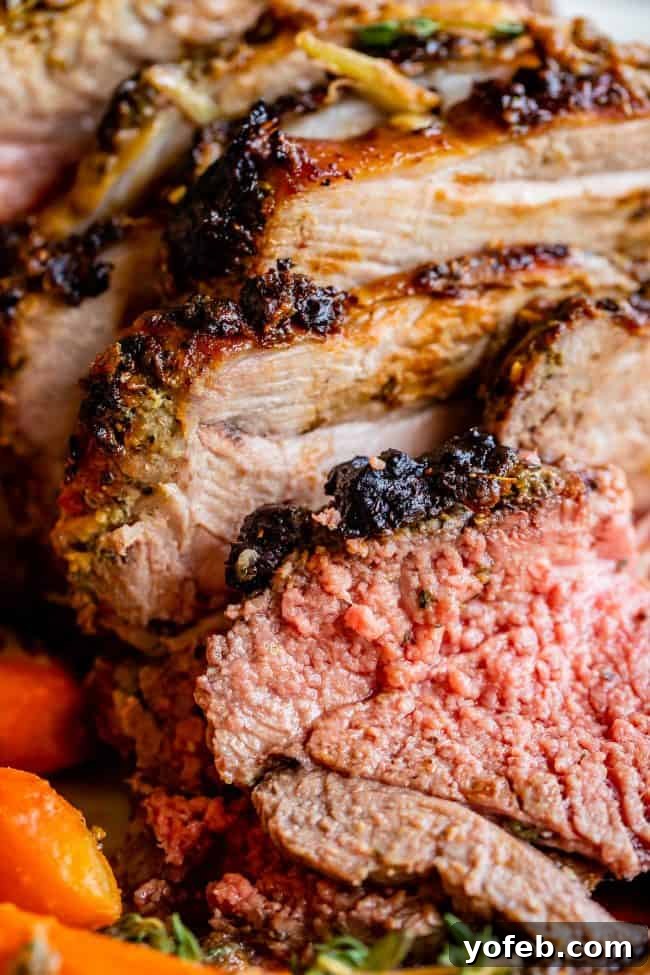
I truly hope you give this incredible roast leg of lamb recipe a try! I was once hesitant about cooking lamb, but this method has made me a total convert. Its rich flavors, combined with the tender, juicy texture and crispy crust, make it a dish that will undoubtedly become a cherished part of your holiday traditions. Let me know when you make it!
More Stunning Main Dishes You Will Love for a Holiday Meal!
Prime Rib Recipe To Impress Your Guests >> A holiday main dish worth all the hype!
How to Cook Tri Tip (Grilled or Oven Roasted) >> A huge favorite for versatile cooking!
Cuban Mojo Marinated Pork (Lechon Asado) >> This is the number one recipe on my blog!
Honey Baked Ham Recipe (Copycat) >> Master the special technique for this classic!
Easy Sriracha Ham (Slow Cooker) >> A simple, flavorful dish with just 3 ingredients!
How to Cook Ribeye Steak (Grilled or Pan-Seared) >> Steak for a truly special occasion!
Sage Butter Roasted Turkey >> The timeless classic that always satisfies.
Honey Dijon Chicken Recipe from Dinners, Dishes, and Dessert
Ribs with Honey Mustard Glaze from Taste and Tell
Slow Cooker Honey Mustard Drumsticks from Foolproof Living
Facebook | Pinterest | Instagram

Roast Leg of Lamb with Blackened Honey Dijon Crust
Ingredients
- 5 pound leg of lamb, bone in
- 2 cloves garlic, smashed and thinly sliced (to insert in lamb)
For the Honey Dijon Garlic Rub
- 10 cloves garlic
- 1 tablespoon dried oregano
- 1 tablespoons dried thyme
- 1 teaspoon dried rosemary
- 1 & 1/2 tablespoons kosher salt
- 2 teaspoons black pepper
- 1/4 cup honey Dijon mustard
- 1 tablespoon olive oil
For the roasting pan
- 4 cloves garlic, smashed
- 2 medium red onions, *thinly sliced
- 10-11 whole carrots, peeled
- 2 tablespoons olive oil
- 2 teaspoons kosher salt
- 1/2 teaspoon black pepper
For the onion gravy
- 1/4 cup flour
- 2 tablespoons honey Dijon mustard
- 1/2 cup white cooking wine, or use chicken broth
- 3 cups chicken broth
- salt and pepper, to taste
Instructions
-
Remove your leg of lamb from the refrigerator and let it sit at room temperature while you prepare the other ingredients. This allows for more even cooking.
-
Prepare all the garlic: Smash 2 cloves with the side of a chef’s knife, slice thinly, and set aside for inserting into the lamb. Smash and peel about 14 additional cloves. Add 10 of these to a food processor or blender for the rub. Place the remaining 4 smashed cloves at the bottom of your roasting pan to serve as aromatics.
-
Place the lamb on a clean work surface, rounded side up. If it’s tied, leave the kitchen twine in place. Using a long, thin knife, make 1-inch deep cuts all over the lamb, ensuring one cut for each reserved garlic slice. Insert a sliver of garlic into each cut. (The order doesn’t matter; you can do this before or after applying the rub.)
-
Prepare the Honey Dijon Garlic Rub: To the food processor or blender containing the 10 smashed garlic cloves, add 1 tablespoon dried oregano, 1 tablespoon dried thyme, 1 teaspoon dried rosemary, 1½ tablespoons kosher salt, 2 teaspoons black pepper, ¼ cup honey Dijon mustard, and 1 tablespoon olive oil. Blend or pulse until the garlic is finely chopped and all ingredients are well combined. Scrape down the sides and bottom as needed.
-
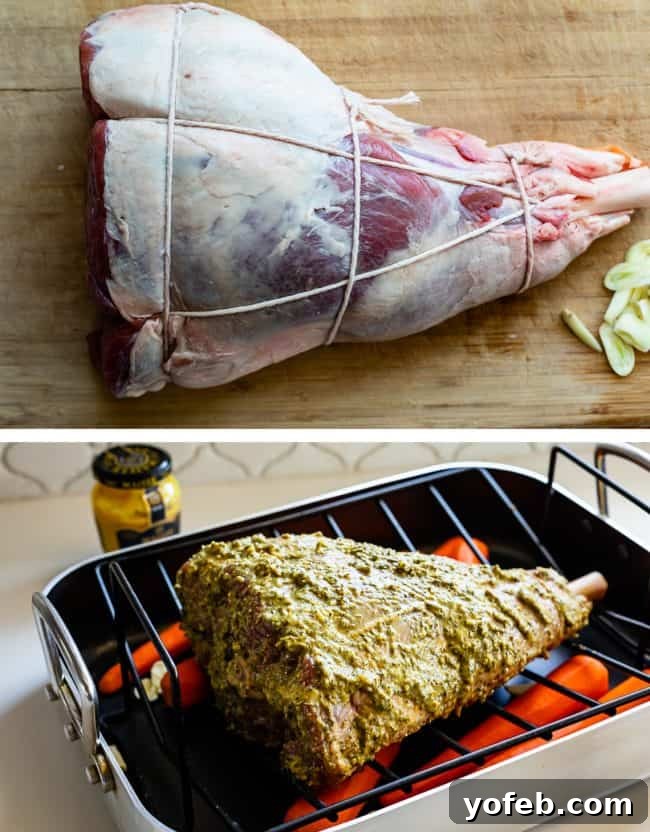
Pour the prepared honey Dijon mixture over the lamb. Use your hands to thoroughly rub it all over the surface of the meat. Set the lamb aside.
-
Prepare the vegetables: Thinly slice the red onions and add them to the bottom of the roasting pan, along with the 4 smashed garlic cloves already placed there. Peel 10-11 whole carrots and add them to the pan with the onions.
-
Drizzle the vegetables with about 2 tablespoons of olive oil and sprinkle with 2 teaspoons of kosher salt and ½ teaspoon of black pepper. Toss gently to ensure they are evenly coated.
-
Place the leg of lamb on a roasting rack, then position the rack directly on top of the vegetables in the pan.
-
Allow the seasoned lamb to rest at room temperature for at least 15 minutes, or up to an hour, to absorb the flavors.
-
While the lamb rests, position your oven rack on the second to lowest level, ensuring the lamb will sit roughly in the center of the oven. Preheat your oven to a blazing 500°F (260°C). Allow it to preheat for a full 30 minutes, even if it indicates it’s at temperature earlier. A screaming hot oven is essential for creating that crispy, blackened exterior.
-
If using an oven-safe digital thermometer, insert the probe now into the thickest part of the leg, being careful not to touch the bone.
-
Carefully place the lamb into the preheated oven, shutting the door quickly to minimize heat loss.
-
Set a timer for 10 minutes. After 10 minutes, without opening the oven door, immediately lower the oven temperature to 400°F (200°C).
-
Continue cooking at 400°F for approximately 1 hour and 10-25 minutes. The exact time will vary based on your desired doneness. Always rely on your meat thermometer more than the clock. Keep in mind that the internal temperature of the lamb will rise by about 5 degrees after it’s removed from the oven due to carryover cooking. Overcooked lamb can become tough, so aim for your desired doneness *before* accounting for the rest. Refer to the notes section for a detailed internal temperature guide.
-
Once the lamb reaches your desired internal temperature, carefully remove it from the oven. Transfer the lamb on its rack to a cutting board. Cover it loosely with aluminum foil and allow it to rest for about 20 minutes. This crucial step allows the juices to redistribute, ensuring a moist and tender roast. Do not skip this!
-
While the lamb rests, remove the roasted carrots from the pan and arrange them on a serving platter. Keep them warm. Leave the onions and any pan drippings in the roasting pan.
-
Carefully drain any excess fat from the roasting pan, leaving approximately 2 tablespoons of fat and all the flavorful onions. If there isn’t enough fat, add 1-2 tablespoons of olive oil.
-
Place the roasting pan over two burners on your stove and turn both to medium heat.
-
Add ¼ cup of flour to the onions and fat in the pan. Stir continuously until the flour is fully incorporated and begins to sizzle, cooking out the raw flour taste, about 1 minute. Next, stir in 2 tablespoons of honey Dijon mustard and cook for another minute, allowing it to coat the mixture.
-
Pour in ½ cup of white cooking wine (or chicken broth if preferred) and stir for 2-3 minutes until it has almost completely evaporated, deglazing the pan.
-
Gradually whisk in 3 cups of chicken broth, adding a small amount at a time and stirring thoroughly after each addition to prevent lumps. Continue stirring until the gravy gradually thickens to your desired consistency. Avoid adding the broth too quickly, as this can lead to a lumpy gravy.
-
Continue cooking the gravy over medium heat until it comes to a boil and has thickened, typically within 3-5 minutes. Taste and adjust seasoning with salt and pepper as needed. For an extra rich gravy, stir in 2 tablespoons of butter at the end.
-
Pour the finished gravy into a large gravy boat, ready for serving.
-
To slice the lamb: If the lamb was tied, carefully remove any kitchen twine with scissors. Use a long, thin, and very sharp carving knife. Begin by making slices parallel to the bone until you reach the bone. Then, turn the leg so that the newly sliced flat part rests on your work surface for stability. Cut perpendicular from the end of the lamb, slicing all the way through until you reach the bone. Continue slicing in this direction down to the bone. Once you’ve sliced across the top portion of the bone, slide your knife against the bone to release all the slices you just made.
-
Serve the carved lamb with the roasted carrots and savory onion gravy. For an ultimate holiday spread, it would be absolutely amazing paired with my Aunt Shirley’s Famous Creamy Mashed Potatoes.
Notes
Lamb internal temperature guide: Remember that your lamb will continue to cook and rise about 5 degrees in temperature after it’s removed from the oven.
Rare: 115 to 120°F (46-49°C)
Medium-rare: 120 to 125°F (49-52°C)
Medium: 130 to 135°F (54-57°C)
Medium-well: 140 to 145°F (60-63°C)
Well-done: 150 to 155°F (66-68°C)