
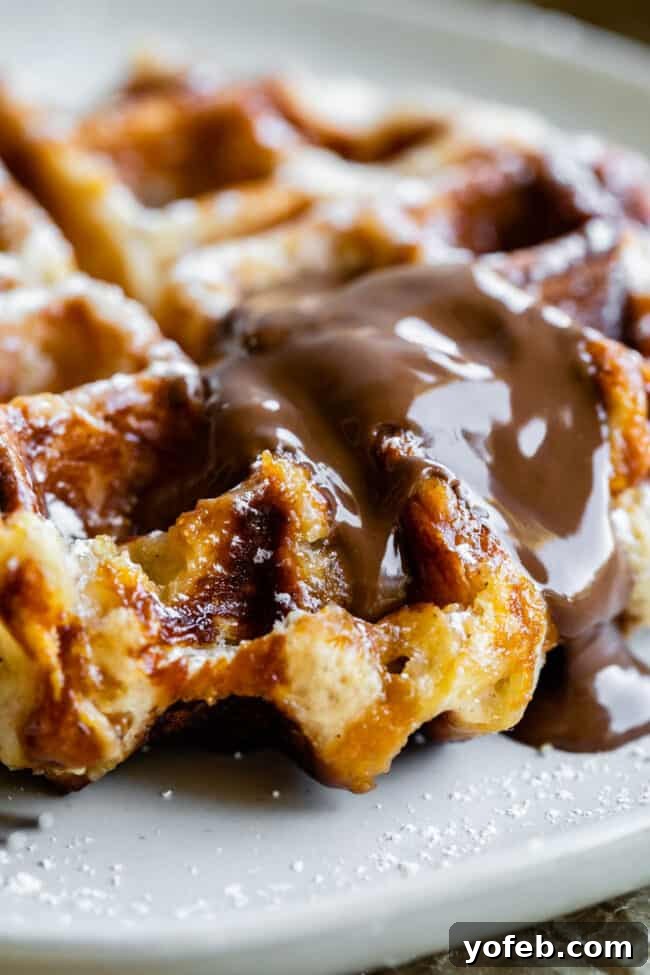
Prepare yourself for an extraordinary culinary journey with Liege Waffles, a true masterpiece of Belgian street food. Unlike their everyday counterparts, these aren’t just waffles; they’re an experience. Crafted from a rich brioche-style yeast dough and generously studded with shimmering pearl sugar, Liege waffles promise a texture and flavor profile that will redefine your breakfast standards. Each bite offers a delightful contrast: a tender, airy interior yielding to pockets of gloriously crunchy, caramelized sugar. Originating from the bustling streets of Liège, Belgium, and a beloved treat in places like Norway, these waffles elevate the simple breakfast staple into a gourmet delight. This timeless recipe, first shared on November 6, 2013, continues to captivate food lovers worldwide, and for good reason—they truly make regular waffles look like amateurs.
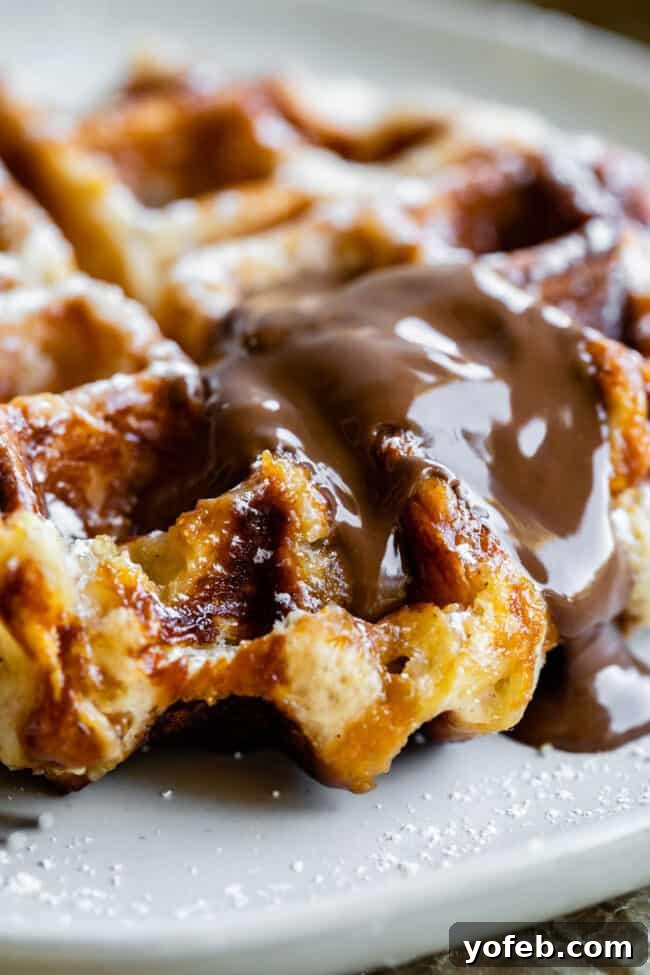
Table of Contents
- The Allure of Liege Waffles
- What Makes a Liege Waffle Unique?
- Liege Waffle Ingredients Decoded
- Mastering the Liege Waffle Recipe
- Expert Tips for Perfect Liege Waffles
- Serving Your Pearl Sugar Waffles
- Storage and Make-Ahead Options for Liege Waffles
- Frequently Asked Questions About Liege Waffles
- More Irresistible Breakfast Recipes
- Liege Pearl Sugar Waffles Recipe
Summer days often bring a relaxed schedule, sometimes to the point of delightful chaos. Just yesterday, my six-year-old, Truman, declared his profound love for honey by generously slathering it over his sandwich. As for my two-year-old, the absence of routine has led to an adventurous potty-training regression, fueled by a newfound sense of “freedom!” While these moments are certainly memorable, they also hint at a collective yearning for structure, signaling that perhaps a return to school is just what we need.
The anticipation of school restarting brings a mix of excitement and the familiar pre-school scramble: new clothes (goodbye high-waters!), lunch planning, and a fresh supply of pencils. Even after all these years, preparing for back-to-school always feels like a new challenge, especially with a multiplying brood! It reminds me of a recent soccer team fundraiser where someone suggested a “Back to School Survival Kit for Parents” for a raffle. The absurdity of it made everyone pause. What exactly does a parent’s survival kit entail? The thought alone brought a chuckle, much like the idea of “hydration sticks” that mysteriously appeared in the discussion, only for the raffle to be cancelled shortly after. Bless the “crazy hydration lady” for inadvertently saving us from that enigma!
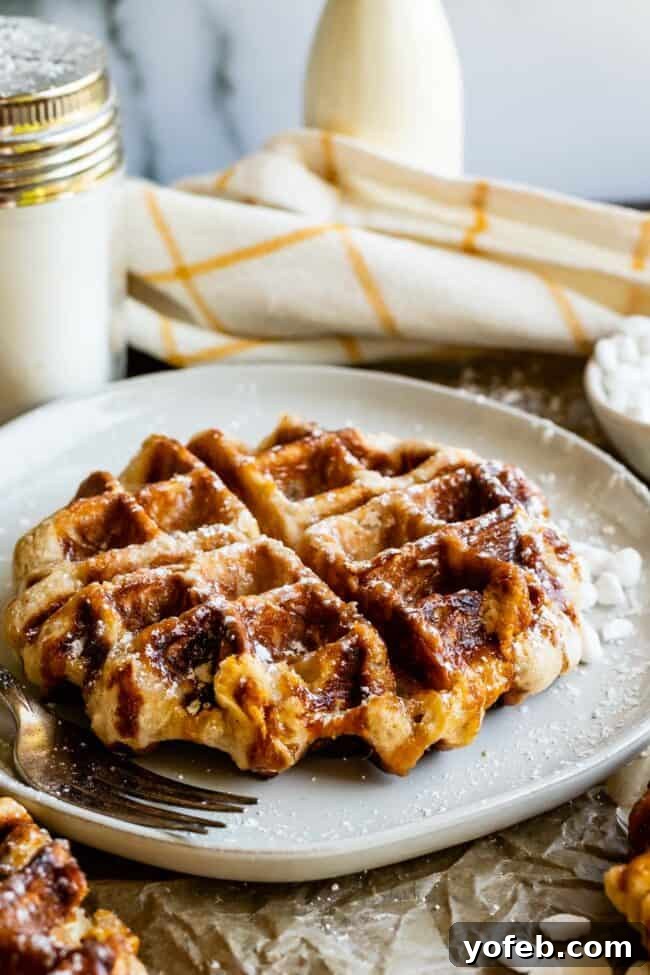
Speaking of survival kits, I believe the ultimate comfort food for any situation is a stack of homemade Liege Waffles. They offer a unique blend of indulgence and delight, perfect for those moments when life gets a bit too chaotic. Let’s dive into what makes these waffles an absolute must-try.
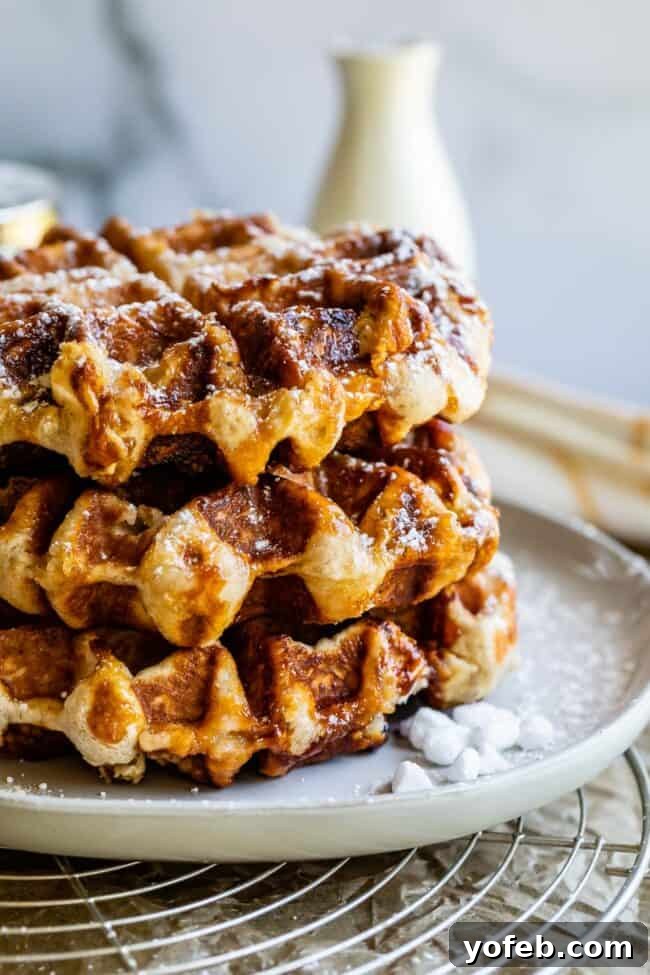
The Allure of Liege Waffles
The mere mention of Liege waffles transports many to the charming cobblestone streets of Belgium, a country renowned for its culinary delights. If Belgium isn’t already at the top of your European travel list, the thought of these delectable waffles might just change your mind. While Belgium boasts a rich history, stunning architecture, and world-class chocolates, for me, the primary draw remains these exceptional pastries.
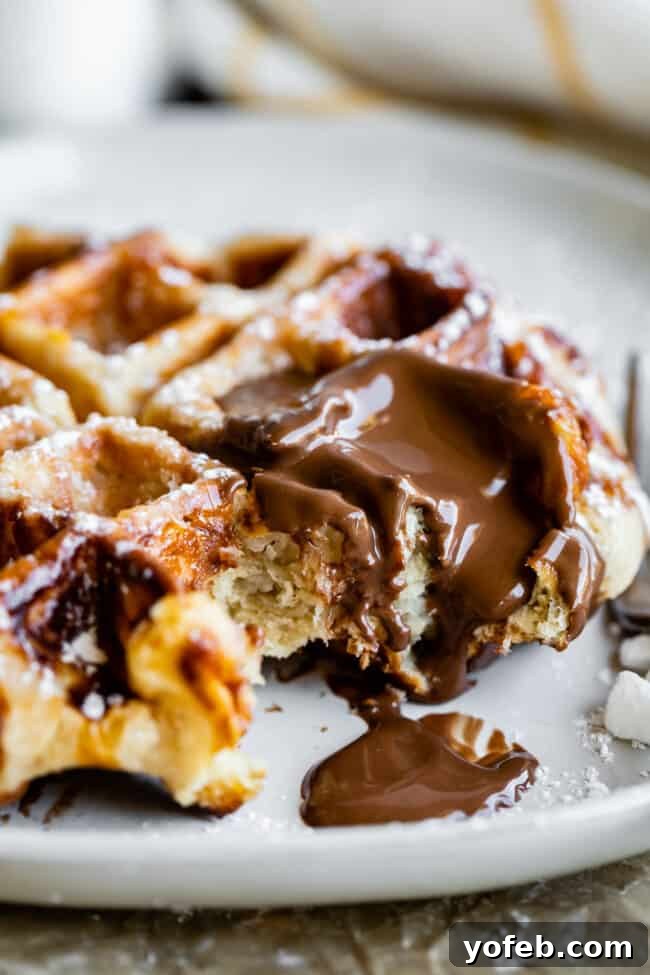
These famous little pastries are ubiquitous on Belgian street corners, captivating locals and tourists alike with their inviting aroma and irresistible taste. My brother, after a vacation in Belgium, was so smitten that he embarked on a mission to recreate them at home. Our first attempt involved a triple batch, which, considering one recipe calls for a cup of butter, meant we used six sticks of butter. Yes, you read that right – six sticks of butter! It’s no wonder these waffles are so incredibly rich and satisfying.
However, the magic of Liege waffles extends far beyond just the generous amount of butter or the unique pearl sugar. It’s the very foundation of the waffle: a distinctive yeast dough, not a thin batter. This brioche-like dough requires time to rise, a process that might seem like an extra step, but it is unequivocally worth the wait. The resulting flavor and texture are unparalleled, delivering a truly gourmet breakfast experience that a simple batter cannot replicate.
What Makes a Liege Waffle Unique?
To truly appreciate a Liege waffle, it’s important to understand the elements that set it apart from other waffle varieties. Primarily, two key components define its exceptional character: the brioche yeast dough and the star ingredient, pearl sugar.
The Brioche Yeast Dough
Unlike conventional waffles made from a thin, quick-mixing batter, Liege waffles are crafted from a dense, yeasted dough. This dough is akin to a rich brioche bread, characterized by its high butter and egg content. This labor of love, involving kneading and rising time, is what imparts the waffles with their signature chewy, soft interior and beautifully golden, slightly crispy exterior. The yeast fermentation also adds a depth of flavor that is simply not present in batter-based waffles, giving them a more complex, bread-like quality.
What is Pearl Sugar?
Pearl sugar is the secret ingredient that gives Liege waffles their distinctive crunch and caramelized pockets of sweetness. Also known as “sugar nibs” or “sucres perlé,” this special sugar is made by compressing granulated sugar into small, irregular, hard pieces, often resembling tiny hailstones. The crucial characteristic of pearl sugar is its high melting point. Unlike regular sugar, which would completely dissolve into the dough during cooking, pearl sugar largely retains its shape. When the waffle cooks in a hot iron, the pearl sugar heats up, partially melts, and caramelizes, creating delightful pockets of crunchy, intensely sweet goodness throughout the waffle. These little nuggets of caramelized sugar are what differentiate a Liege waffle from any other, delivering an unparalleled texture and flavor explosion with every bite. You can typically find pearl sugar in specialty baking stores or conveniently order it online.
Liege Waffle Ingredients Decoded
Creating the perfect Liege waffle begins with gathering the right ingredients. Below is a concise shopping list to help you prepare. For detailed measurements and instructions, please refer to the complete recipe card further down this page.
- All-Purpose Flour: The foundation of our brioche-like dough, providing structure.
- Cinnamon (optional): Adds a subtle warmth and aromatic complexity to the waffles.
- Kosher Salt: Balances the sweetness and enhances the overall flavor.
- Whole Milk: Activates the yeast and contributes to the richness and tender crumb of the dough.
- Active Dry Yeast: Essential for the dough’s rise, creating that characteristic airy texture.
- Granulated Sugar: Feeds the yeast and provides initial sweetness to the dough itself.
- Large Eggs: Enrich the dough, contributing to its brioche texture and golden hue.
- Vanilla Extract: A classic flavor enhancer that complements the sweetness.
- Salted Butter (very soft): The generous amount of butter is crucial for the brioche richness and soft texture.
- Pearl Sugar: The defining ingredient, providing crunchy, caramelized pockets within the waffle.
- Powdered Sugar (for rolling/dusting): Adds an extra layer of caramelized crispness when cooked and a beautiful finish when served.
Liege Waffle Recipe Customizations
While Liege waffles are cherished for their specific texture and flavor, there’s always room for subtle creativity. The core brioche dough and the inclusion of pearl sugar are non-negotiable for an authentic Liege waffle experience. However, if you’re looking to introduce new dimensions of flavor, consider experimenting with different extracts. Almond, coconut, or even a hint of rum extract can add an intriguing twist. Citrus zest, such as lemon or orange, can also brighten the flavor profile, offering a refreshing contrast to the waffle’s inherent richness. These small additions can personalize your Liege waffles while maintaining their fundamental characteristics.
Mastering the Liege Waffle Recipe (Pearl Sugar Waffles)
For years, I considered myself a dedicated pancake enthusiast. (If you’re a pancake lover too, you absolutely must try The Best Pancakes I’ve Ever Made—they’re truly incredible!) However, this Liege Waffle recipe has completely transformed my perspective. Nothing else compares! The secret, of course, lies in those glorious chunks of crunchy, caramelized sugar that no other waffle can boast.
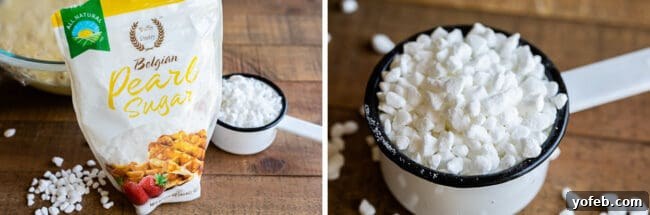
Pearl sugar is truly the secret to this magical crunchy delight. Each piece, slightly smaller than a pea, courageously holds its form as the waffle cooks, refusing to melt entirely into the batter. Instead, it transforms into pockets of caramelized deliciousness that provide an incredible textural contrast. Once you’ve experienced this, every other waffle might just fall short. Long live pearl sugar Belgian waffles!
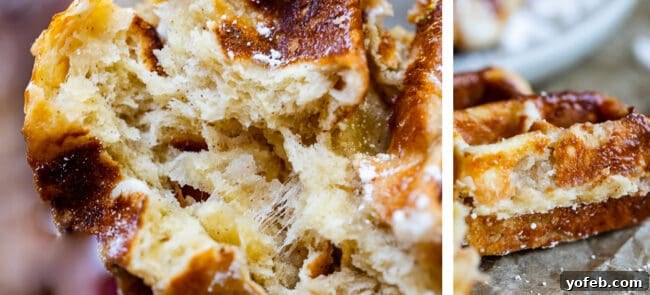
The foundation of these waffles is a brioche dough, celebrated for its gloriously soft and tender crumb. This richness comes from a generous inclusion of eggs and milk, which also contributes to the beautiful golden, dark edges achieved during cooking. The true magic, however, lies in the butter incorporation. Unlike most yeast doughs where butter is melted or added early, here we save a full cup of very soft butter until after the flour has been fully incorporated into the dough.
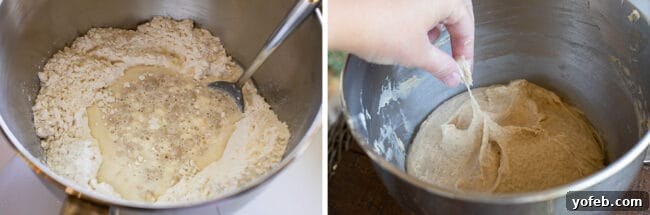
The softened butter is added gradually, one tablespoon at a time, while the mixer is running. This slow incorporation ensures that the butter is fully absorbed, resulting in a dough that is wonderfully sticky and incredibly stretchy—a texture that would be unworkable for rolling, but absolutely perfect for our waffles. This unique method is what gives the Liege waffle its distinctively rich and tender quality. If you love brioche dough, be sure to check out my Homemade Cinnamon Rolls and Caramel Pecan Rolls for more delightful breakfast treats using this amazing dough. It’s truly unreal, my friends.
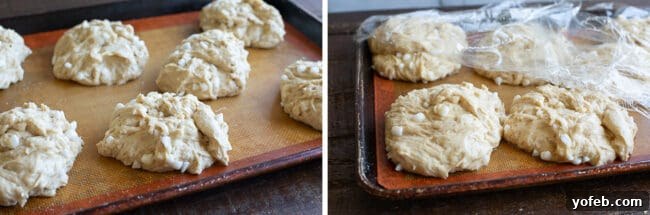
Allowing each waffle portion to rise is a critical step. I understand it might seem like a significant time investment, especially when you’re eager for breakfast, but I promise you, the patience will be richly rewarded with an unparalleled taste and texture.
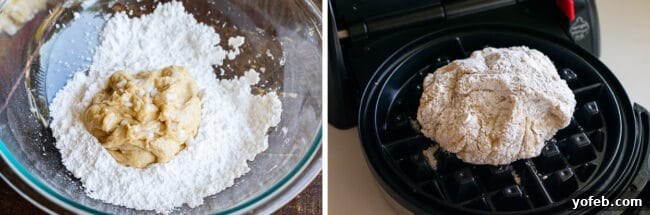
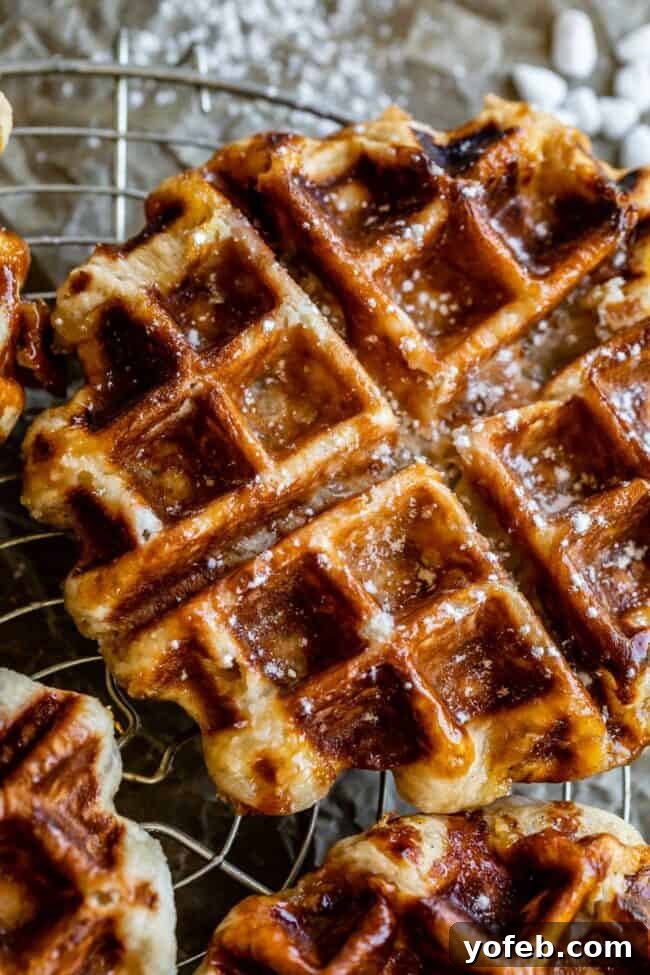
After the dough has completed its final rise, each portion is gently rolled in powdered sugar before being placed into the waffle iron. This step is key to achieving those incredibly delicious, caramelized edges that are a hallmark of a truly authentic Liege waffle. It creates a beautiful, sweet crust that adds another layer of texture and flavor. However, a word of caution: if you use powdered sugar for every waffle consecutively without letting your iron cool slightly, the accumulating sugar can burn. If you encounter this issue, you can simply skip the powdered sugar coating altogether; the waffles will still be absolutely amazing thanks to the pearl sugar inside!
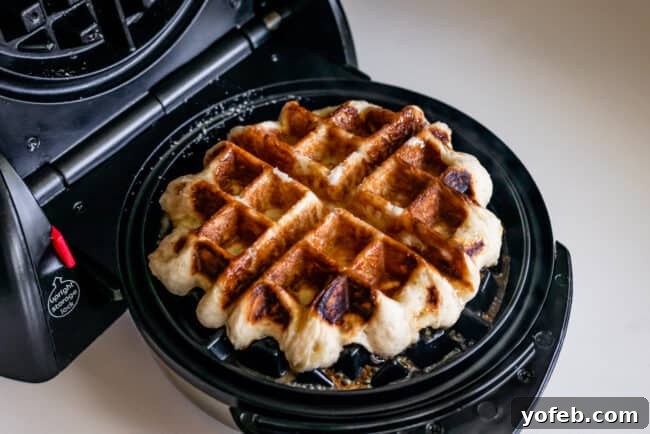
Expect some sugar residue on your waffle iron after cooking. If your iron doesn’t have removable plates, a simple trick to clean it is to carefully pour a few tablespoons of water onto the HOT iron to help dissolve the hardened sugar. You can then carefully drain the water or use a wooden chopstick or silicone spatula with a paper towel to wipe it clean. Yes, Liege waffles can be a bit of a diva, but their unmatched flavor and texture make every bit of effort incredibly worthwhile.
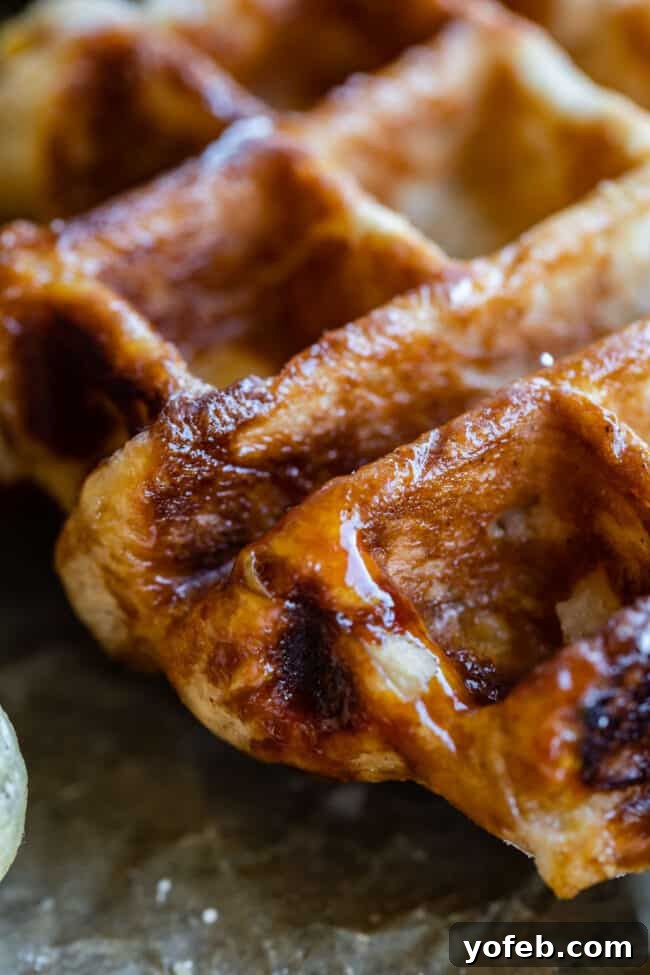
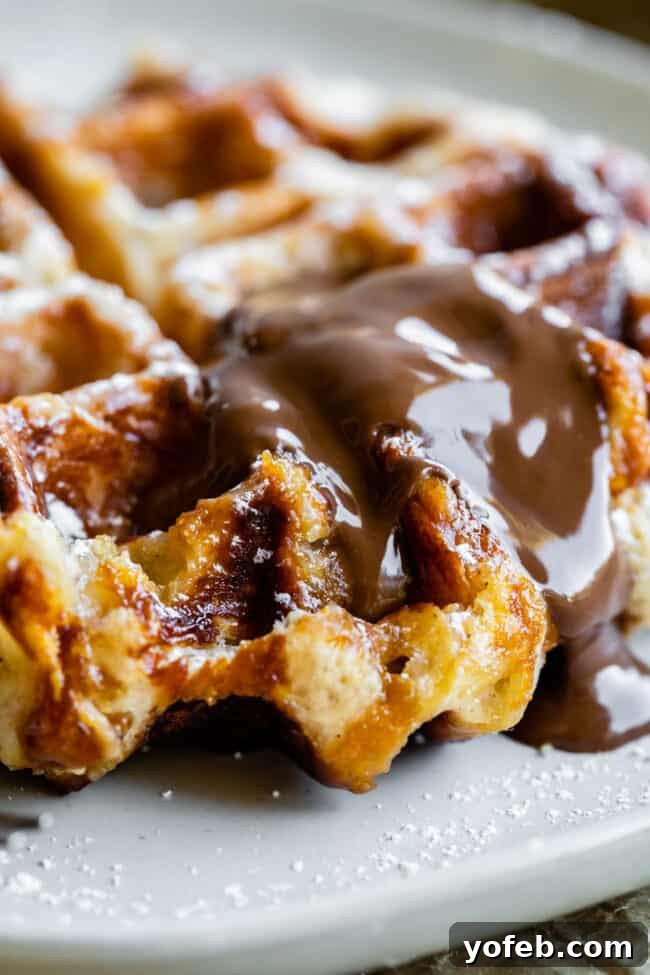
Can you see those glorious caramelized edges? That’s the hallmark of a perfectly cooked Liege waffle!
Expert Tips for Perfect Liege Waffles
Liege waffles are not your average breakfast pastry; they are a unique creation made with yeast dough, meaning they follow the principles of bread making. To ensure your waffles turn out perfectly every time, keep these expert tips in mind:
- Activate Your Yeast Properly: The success of your dough hinges on active yeast. Always use lukewarm water—it should feel warm to the touch, but not hot. Water that is too hot will kill the yeast, preventing your dough from rising, leading to dense, flat waffles. Patience is key during the activation phase; watch for frothy bubbles, indicating your yeast is alive and ready to work its magic.
- Embrace the Rise: Unlike quick-mix batters, Liege waffle dough requires rising time. This process develops flavor and creates the distinctive airy, yet chewy texture. While mornings can be rushed, this is a step you shouldn’t skip. Plan to make these on a leisurely weekend or prepare the dough in advance (see storage tips below) to allow for proper fermentation.
- Invest in a Belgian Waffle Maker: For the most authentic Liege waffles, a Belgian waffle maker is highly recommended. These irons produce thicker waffles with deeper pockets, ideal for holding the melted pearl sugar and providing that satisfying texture. While a standard waffle maker can work, the results won’t quite capture the traditional thickness and grandeur of a true Liege waffle.
- Don’t Skimp on Pearl Sugar: Pearl sugar is non-negotiable for authentic Liege waffles. If your local grocery store doesn’t carry it, it’s worth ordering online from a specialty supplier. Regular granulated sugar or even chopped sugar cubes will melt entirely and won’t deliver the signature crunchy, caramelized pockets that make Liege waffles so exceptional. This unique sugar is truly what elevates them to a league of their own.
- Control Waffle Iron Temperature: The high sugar content means that the waffle iron can get very hot and potentially burn the caramelizing sugar. If you’re coating your dough in powdered sugar, consider briefly unplugging your iron or lowering its temperature between waffles to prevent excessive burning and sticking, especially if you don’t have an iron with removable plates.
Serving Your Pearl Sugar Waffles
One of the greatest joys of Liege waffles is their inherent perfection. They are truly delicious all by themselves, warm and fresh from the iron. In fact, traditionalists will tell you to skip the maple syrup entirely! The rich, caramelized pearl sugar provides ample sweetness and a delightful crunch, making additional syrup unnecessary and potentially overpowering.
However, if you wish to enhance the experience, I recommend simple, complementary toppings. A light spread or drizzle of creamy Nutella is a classic pairing, its hazelnut-chocolate notes harmonizing beautifully with the waffle’s sweetness. Fresh fruit like sliced strawberries or ripe peaches adds a refreshing counterpoint. For an extra touch of indulgence, a dollop of homemade whipped cream is divine. While some might suggest ice cream, I truly believe these waffles are best enjoyed with minimal toppings, allowing their unique texture and flavor to shine through. Serve them warm to savor those irresistible caramelized edges.
Storage and Make-Ahead Options for Liege Waffles
Whether you’ve made a large batch or simply want to prepare ahead, Liege waffles offer convenient storage options for both dough and cooked waffles.
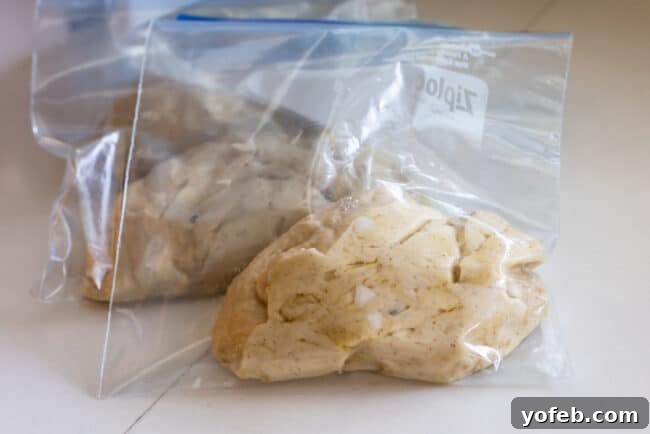
Can Liege Waffle Dough be frozen?
Yes, the prepared Liege waffle dough can indeed be frozen. After incorporating the pearl sugar, divide the dough into individual portions, place each in a separate freezer-safe ziplock bag, and freeze for up to two months. When you’re ready to enjoy, simply remove the dough from the freezer, let it thaw on the counter for about two hours (still in its bag), and then allow it to rest for another hour before cooking as directed. It’s important to note, however, that during the thawing process, some of the pearl sugar may melt into the dough. While the resulting waffles will still be incredibly flavorful, they might not have the same pronounced sugary crunch as freshly made ones.
For optimal crunch, a better option might be to cook all your Liege waffles fresh, let them cool completely, and then freeze the cooked waffles. You can store cooked waffles in an airtight container or freezer bag for up to two months. To reheat, simply pop them in a toaster, toaster oven, or even back into your waffle iron until warm and crisp. This method helps preserve more of that signature pearl sugar crunch.
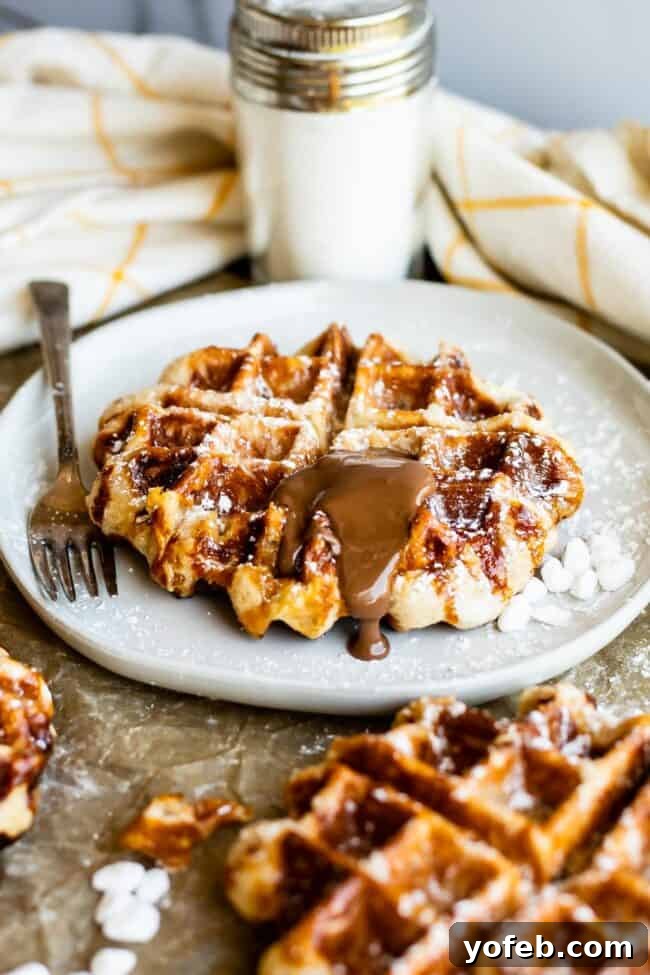
These waffles are truly a delightful treat, perfect for a festive Christmas morning breakfast or even a decadent dessert. Imagine topping them with fresh strawberries and whipped cream, a generous swirl of Nutella, or a scoop of your favorite ice cream. Personally, I find them most exquisite without maple syrup, as the syrup tends to overshadow the complex, yeasty, caramelized flavor that makes Liege waffles so incredibly glorious. Remember to serve them warm to fully appreciate their tender interior and crisp, sugary edges. Reheating in the microwave works well to restore their warmth and some softness.
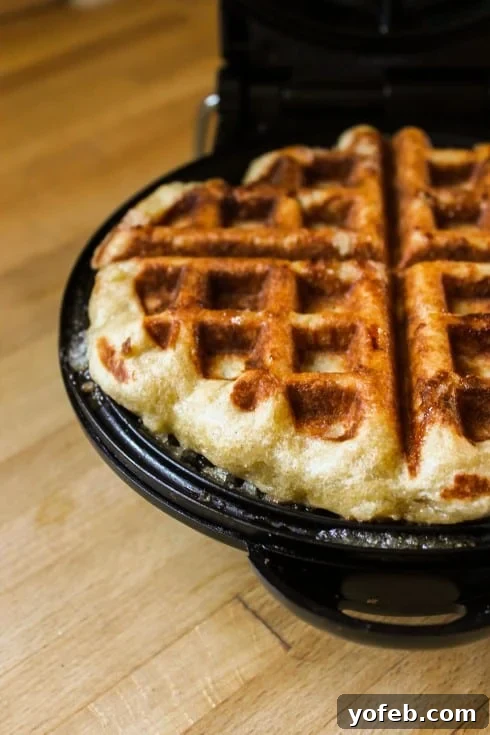
For a nostalgic look back, here’s an old photo of these waffles from when the recipe was first posted in 2013! Good times indeed!
Frequently Asked Questions About Liege Waffles
What’s the difference between a Liege waffle and a Belgian waffle?
The terms “Belgian waffle” can be confusing as it often refers to two distinct types: the Brussels waffle and the Liege waffle. Brussels waffles are typically lighter, crispier, rectangular, and made from a thinner, often yeasted, batter. They are commonly served with whipped cream, fruit, or syrup. Liege waffles, on the other hand, are rounder, denser, chewier, and made from a rich, brioche-like yeast dough. Their defining characteristic is the pearl sugar mixed into the dough, which caramelizes and creates crunchy pockets. Liege waffles are often enjoyed plain or with minimal toppings like Nutella or fruit, as their sweetness and texture are already quite complex.
Where can I buy pearl sugar?
Pearl sugar can sometimes be found in the baking aisle of well-stocked grocery stores, especially those with international food sections. However, it’s more reliably found in specialty baking stores, gourmet food shops, or easily purchased online from retailers like Amazon. When buying, ensure you’re getting true pearl sugar (or “sucres perlé”) as opposed to decorative sugar pearls, which are often softer and meant for sprinkles.
Can I make Liege waffles without a stand mixer?
While a stand mixer with a dough hook makes the kneading process significantly easier, especially for incorporating the butter into the brioche dough, it is possible to make Liege waffles by hand. Be prepared for a good arm workout! The dough will be very sticky, so use a sturdy spatula initially, and then embrace the stickiness as you hand-knead. You’ll need to knead for a longer duration to develop the gluten and fully incorporate the butter.
Why is my Liege waffle iron getting so sticky?
The stickiness in your waffle iron is primarily due to the pearl sugar and any optional powdered sugar caramelizing and melting onto the plates. As the sugar heats up, it can harden and adhere to the iron. This is normal for Liege waffles. To minimize this, ensure your waffle iron is at the correct temperature (not too hot) and consider cleaning it between waffles if residue builds up. The cleaning method involving water (as described in the instructions) is effective for dissolving stubborn sugar.
Can I substitute other sugars for pearl sugar?
Technically, you can use other sugars, but the result will not be an authentic Liege waffle with its signature crunch. Granulated sugar will melt completely into the dough, making the waffle sweet but lacking the textural pockets. Chopped sugar cubes can be a *decent* substitute in a pinch, as they are larger and might resist melting a bit more, but they still won’t replicate the hard, caramelized crunch of true pearl sugar. For the best experience, investing in pearl sugar is highly recommended.
More Irresistible Breakfast Recipes
While Liege waffles hold a special place in our hearts, there’s a whole world of breakfast delights to explore. Here are some other fantastic recipes you’re sure to love:
Classic Waffle Recipe << Despite all my adoration for Liege waffles, I still have a soft spot for classic waffles drenched in maple syrup. This recipe, a family favorite from my mother-in-law Kris, is simply the best!
Dark Chocolate Waffles with Ganache and Strawberries << Prepare for pure indulgence. I. LOVE. THESE.
Cheesy Overnight Bacon and Egg Casserole << A perfect make-ahead dish that’s incredibly satisfying and feeds a crowd.
The Best Pancakes I’ve Ever Made << No exaggeration here; these truly live up to their name!
Banana Macadamia Pancakes << Craving a taste of the tropics? These pancakes will transport your taste buds straight to Hawaii.
Oatmeal Buttermilk Pancakes << An oldie but a goodie, offering a wholesome and delicious start to your day.
Cheesy Overnight Hashbrown Breakfast Casserole << So versatile, I could honestly eat this for breakfast, lunch, and dinner!
Soft and Sticky Caramel Pecan Rolls << These decadent rolls are absolutely perfect for a special occasion, especially Christmas morning!
More Breakfast Ideas from Friends!
Double Berry Puff Pancake from Recipe Girl
Caramel and Sea Salt Pear Pancakes from Cookin Canuck
Sheet Pan Pancakes from Belly Full
Facebook | Pinterest | Instagram

Liege Pearl Sugar Waffles
★
★
★
★
20 minutes
4 minutes
24 minutes
7
waffles (6 inch)
Rate this Recipe
Print Recipe
Liege waffles are made with a brioche-like yeast dough and are studded with pearl sugar. Pearl sugar is basically a small chunk of sugar that holds its shape as the waffles cooks, leaving you with gloriously crunchy bites of sugar. They make regular waffles look like amateurs.
Ingredients
- 4 cups all purpose flour, spooned and leveled
- 3/4 teaspoon cinnamon, optional
- 2 & 1/4 teaspoon kosher salt
- 1 cup whole milk, warm but not hot (about 105-115°F)
- 1 & 1/2 teaspoons active dry yeast
- 2 tablespoons granulated sugar
- 2 large eggs, beaten
- 1 tablespoon vanilla extract
- 1 cup salted butter (2 sticks), very very soft, cut into 1 tablespoon pieces
- 1 & 3/4 cup pearl sugar*
- powdered sugar, for rolling dough (optional)
Instructions
-
In a large bowl or the bowl of a stand mixer, add the 4 cups of all-purpose flour. Ensure the flour is spooned and leveled for accurate measurement.
-
Stir in the 3/4 teaspoon cinnamon (if using) and 2 and 1/4 teaspoons kosher salt. Whisk these dry ingredients together thoroughly.
-
Create a small well in the center of the flour mixture. This is where you’ll add the liquid ingredients.
-
In a separate glass measuring cup, warm 1 cup of whole milk in the microwave for about 30 seconds. Stir it gently. The milk should be warm to the touch (ideally between 105-115°F), but not hot enough to kill the yeast. Adjust heating time as needed.
-
Pour the warm milk into the well in the flour. Add 1 and 1/2 teaspoons active dry yeast and 2 tablespoons granulated sugar to the milk. Stir the liquid gently with a small spoon to combine. Let this mixture rest for 5 minutes. This step allows the yeast to activate.
-
After 5 minutes, check the yeast mixture. It should appear frothy and bubbly, indicating the yeast is active. If you don’t see any activity, wait another 5 minutes. If still no frothing, the yeast may be dead (or the milk was too hot/cold). It’s best to discard and start over with fresh yeast.
-
Once you’ve confirmed your yeast is active, crack 2 large eggs into the milk mixture. Gently whisk them into the liquid with a fork until just combined.
-
Add 1 tablespoon of vanilla extract to the liquid ingredients, stirring to blend.
-
Begin to combine the flour and liquid. If using a stand mixer, attach the dough hook. If mixing by hand, use a sturdy spoon or a clean hand. Mix until a shaggy dough forms and most of the flour is incorporated.
-
Continue kneading the dough with the dough hook (or by hand) until it comes together into a cohesive, somewhat sticky ball. This usually takes about 3-5 minutes.
-
With the mixer running on low to medium-low speed, add the very soft butter, one tablespoon at a time. Wait until each piece of butter is fully incorporated into the dough before adding the next. This slow process is essential for achieving the rich, brioche-like texture that makes these waffles so unique. The full cup of butter will transform the dough, making it incredibly thick and stretchy. This step should take at least 5-7 minutes.
-
Once all the butter is incorporated and the dough is smooth, continue kneading with the dough hook for an additional 3 minutes. The dough will be sticky but should pull away from the sides of the bowl.
-
Scrape the dough down from the sides of the bowl. Cover the bowl tightly with plastic wrap. Place the bowl in a warm, draft-free spot to rise for 30 minutes. A trick is to warm your oven to 350°F for about one minute, then turn it off and let the dough rise inside (ensure the oven is just warm, not hot).
-
While the dough is rising, prepare a large baking sheet by lining it with a silicone baking mat (such as a Silpat) or by generously spraying it with nonstick cooking spray.
-
Once the dough has rested for 30 minutes, use your hands to divide it into approximately 7 equal sections. Each section should weigh roughly 7 ounces. There’s no need to meticulously roll them into perfect balls at this stage.
-
Place each dough section on the prepared baking sheet, ensuring there is ample space between them to allow for further rising.
-
Lightly spray a piece of plastic wrap with nonstick spray. Loosely cover the dough portions on the baking sheet with the sprayed plastic wrap.
-
Let the covered dough rise in a warm place for 1 hour. After this hour, divide the 1 and 3/4 cups of pearl sugar into 7 equal portions. Gently incorporate one portion of pearl sugar into each section of dough. You can flatten the dough slightly, place the sugar in the middle, and then fold and knead gently until the sugar is distributed.
-
Preheat your waffle iron. A Belgian waffle maker is ideal for thicker waffles, which work best for this recipe. I personally love my Presto Flip Side waffle maker for these.
-
Preheat your oven to 170 degrees F (or use the “keep warm” setting). Place a wire cooling rack inside the oven to keep the cooked waffles warm.
-
In a medium bowl, add some powdered sugar. Roll one section of the pearl-sugar-infused dough generously in the powdered sugar.** There is no need to grease the waffle iron, as the butter in the dough and the sugar prevent sticking. Place the sugar-coated dough directly in the center of your preheated waffle iron and firmly press the top down. Cook for 2-5 minutes, depending on your waffle iron’s heat setting, until the edges are a deep golden brown and beautifully caramelized.
-
Carefully remove the hot waffle with a fork and transfer it to the wire rack in the warm oven. Be extremely cautious, as the caramelized edges will be very hot.
-
Dust with additional powdered sugar (if desired) and serve immediately. Liege waffles are excellent with fresh strawberries, a spread of Nutella, or even a dollop of whipped cream. However, I strongly recommend minimizing toppings and especially avoiding maple syrup, as it tends to compete with the unique yeasty, caramelly flavor that defines these glorious waffles. Ensure they are served warm for the best experience; cold waffles will have very crisp outer edges. Reheating in the microwave is a good option for leftovers.
-
You will likely have caramelized sugar residue on your waffle iron when you finish cooking. The best way to clean this is to carefully pour a few tablespoons of water into the HOT waffle iron (while it’s still on) to help dissolve the burned-on sugar. You can also use an old toothbrush or a disposable chopstick to gently dislodge any stubborn chunks. Once the iron cools, unplug it and carefully pour the sugar-water mixture into the sink, being very careful not to burn yourself.
Notes
**The powdered sugar for rolling is optional. While it enhances the delicious caramelization on the edges (which I adore!), excessive use can cause sugar to burn on the waffle iron. If you encounter this, consider briefly unplugging the iron to allow it to cool slightly between waffles, or simply omit the powdered sugar step altogether. The waffles will still be wonderfully flavorful thanks to the pearl sugar within.
Make-Ahead Freezer Instructions: After adding the pearl sugar in Step 17, divide the dough into individual portions. Store each portion in a separate freezer-safe ziplock bag and freeze for up to 2 months. To bake, remove from the freezer and allow the dough to thaw on the counter for about 2 hours, then let it rest for an additional hour (it can remain in the bag). Proceed with cooking as described from Step 18. Note that while the flavor will be excellent, the pearl sugar may not retain its full crunch after freezing and thawing in the dough. Alternatively, you can cook all waffles and then freeze the cooled, finished waffles for up to 2 months. Reheat frozen cooked waffles in a toaster, toaster oven, or waffle iron until warm and crisp.
Make-Ahead Overnight Instructions: Prepare the dough through Step 12 (do not add the pearl sugar yet). Cover the bowl tightly with plastic wrap and refrigerate overnight. In the morning, allow the dough to come to room temperature for about 30-60 minutes before proceeding with Step 14. Then, stir in the pearl sugar, section out the dough, and let it rise for 1 hour. This method is perfect for a special morning, like Christmas, allowing you to enjoy fresh waffles without the early start!
Source: adapted from Taste Cooking
Nutrition
Serving: 1waffle
|
Calories: 781kcal
|
Carbohydrates: 120g
|
Protein: 11g
|
Fat: 30g
|
Saturated Fat: 18g
|
Polyunsaturated Fat: 2g
|
Monounsaturated Fat: 8g
|
Trans Fat: 1g
|
Cholesterol: 120mg
|
Potassium: 176mg
|
Fiber: 3g
|
Sugar: 65g
|
Vitamin A: 935IU
|
Vitamin C: 1mg
|
Calcium: 69mg
|
Iron: 4mg
Did you make this? I’d love to see it!
Mention @thefoodcharlatan or tag #thefoodcharlatan!