
Life often surprises us with unexpected delights, much like a spontaneous call from a loved one marveling at a Lego store’s grandeur. Just yesterday, Eric’s voice buzzed with excitement as he described life-sized Gandalf, a knight on a rearing horse, and Jasmine and Aladdin on their magic carpet – all crafted from tiny plastic bricks. While my initial reaction might have been a playful scoff, I could almost feel his eyes rolling at my lack of Lego enthusiasm. Apparently, my tone needs to convey appropriate awe when the topic of Legos arises, or I risk being labeled a cultural heathen.
This isn’t the first time Eric’s Lego obsession has surfaced. During a recent business trip to LA, he discovered his hotel was directly across from Legoland, a destination at the very top of his personal bucket list. His disappointment was palpable when he realized it was closed for the two days he was there. Secretly, I was relieved; the thought of him being “that creeper guy” at a children’s amusement park was a humorous, yet slightly concerning, prospect.
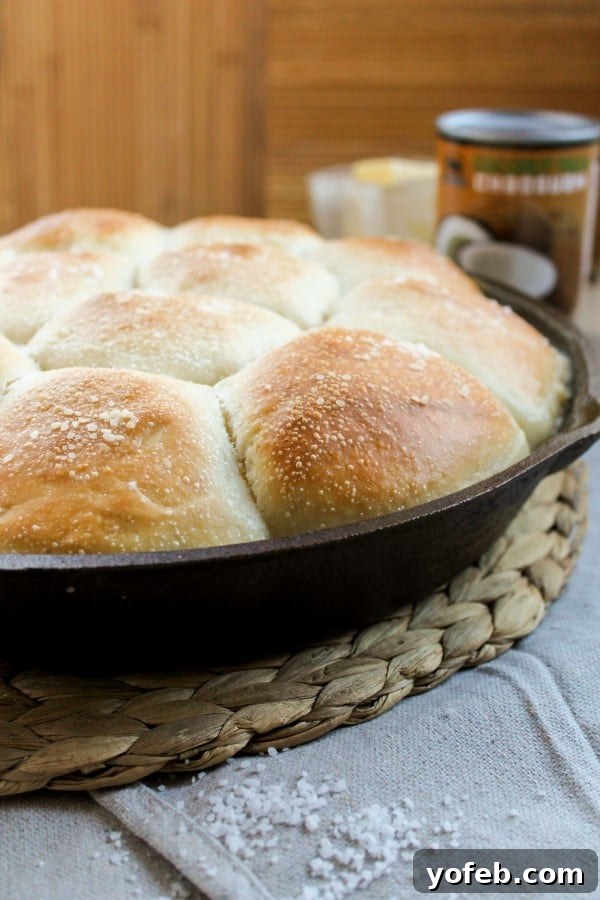
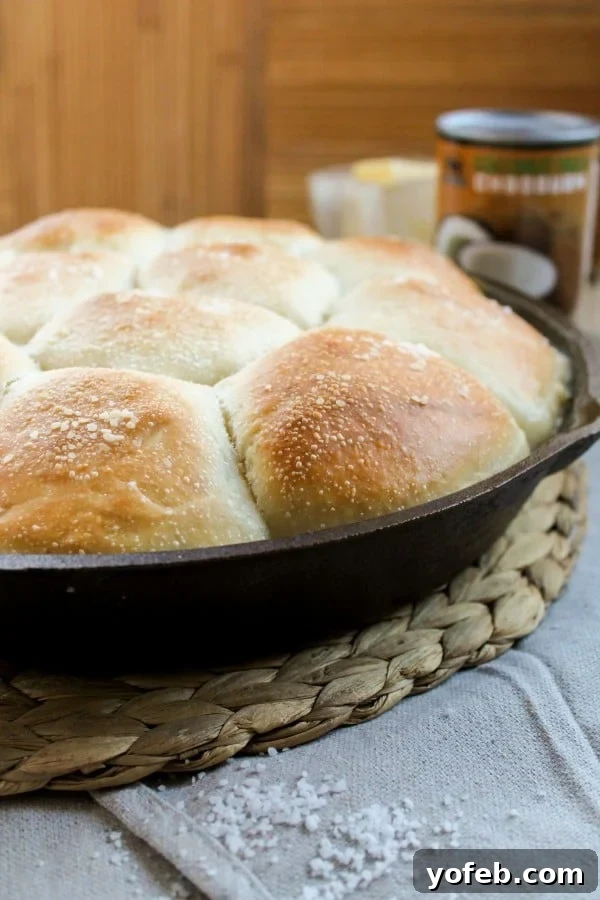
Yet, amidst these playful musings, another kind of magic was unfolding in my kitchen – the creation of the most incredibly soft and sweet bread rolls imaginable. Have you ever experienced the sheer joy of Hawaiian Bread? You know, those delightful, sweet loaves or rolls sold in bright orange bags? Growing up, my mom would occasionally treat us to the round loaves, and we had a cherished tradition of tearing off generous hunks of bread rather than slicing them. To this day, it’s a ritual I continue whenever I bring a loaf home.
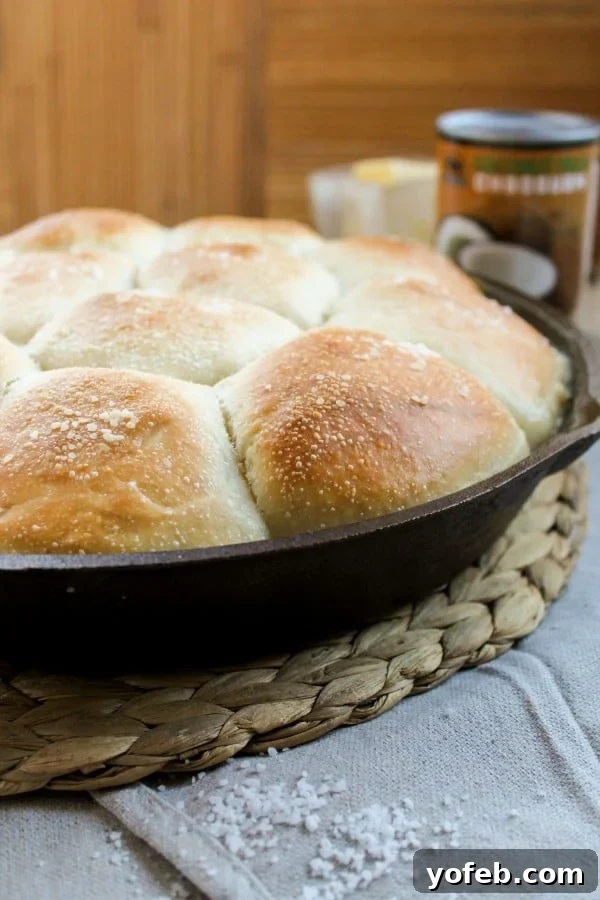
However, after discovering these Samoan Coconut Rolls, my Hawaiian bread purchasing habits might just change forever. While not identical, both share a delightful sweetness and an incredibly soft texture. The moment I tasted these Samoan Rolls, I was instantly reminded of that familiar, comforting Hawaiian bread. But here’s the game-changer: these rolls are utterly superior, elevated to another dimension of deliciousness by being generously soaked in rich coconut milk. And the best part? You get to savor them warm, straight from the oven.
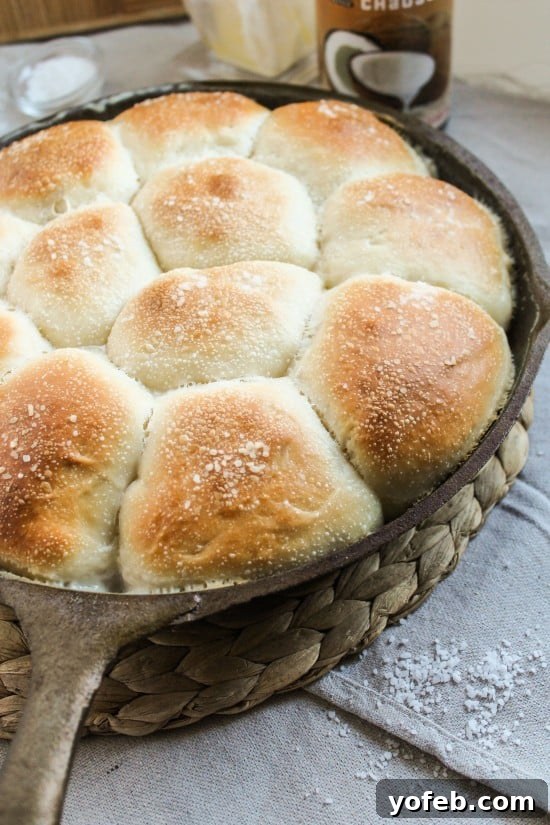
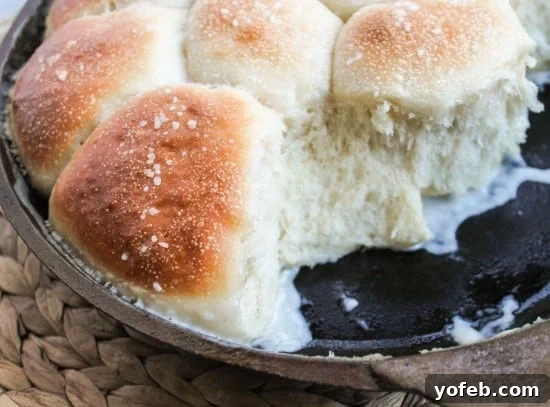
They are, quite simply, AMAZING. Truly, utterly amazing. In all my years, I have never encountered a roll so soft, so moist, so incredibly pillowy. The secret lies in a brilliant technique: after the rolls have risen, you pour half a can of coconut milk directly over them, allowing them to bake, quite literally, immersed in this flavorful liquid. This ingenious method ensures they remain unbelievably moist, making it nearly impossible for them to dry out. Beyond the soaking, the dough itself incorporates coconut milk, contributing to an unparalleled depth of flavor. Eric initially expressed concern that they might be overly coconut-y, but he was delightfully surprised. The coconut flavor is wonderfully mild, yet it imparts a complex, rich undertone that distinguishes these rolls from any ordinary sweet bread you might have tasted.
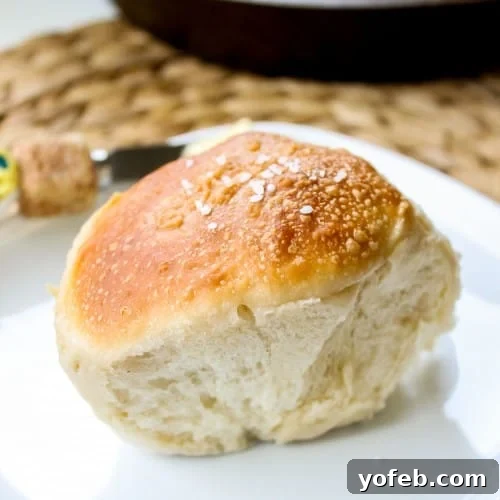
Sharing these rolls proved to be a moment of immediate regret. I confess, I wanted to devour every single one, the entire dozen, all by myself. The few survivors found their temporary home in a Tupperware container on the counter, positioned strategically next to a tempting box of really awesome cookies. Yet, every time I reached for a treat, my hand instinctively gravitated towards the Samoan Coconut Rolls. They are more than just bread; they are an irresistible, sweet indulgence, akin to candy.
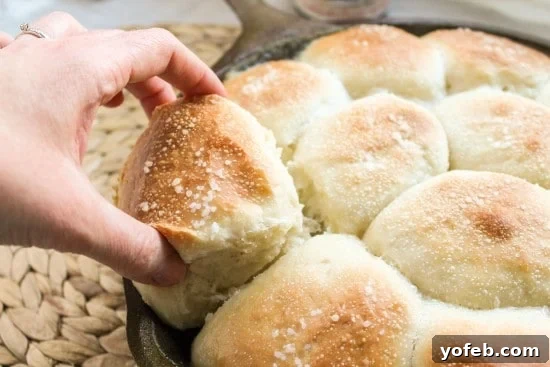
These Samoan Coconut Rolls are absolutely perfect for any gathering, especially a Thanksgiving feast. Imagine the delight of serving these warm, soft, and subtly sweet rolls alongside your holiday spread. An added bonus? You can prepare the dough and form the rolls up to 24 hours in advance, allowing for one less task on the bustling day of celebration. With Thanksgiving just around the corner, planning ahead is key! Be sure to explore my other posts for delicious sides and desserts to complete your holiday menu. Stay tuned for even more festive recipes coming your way!
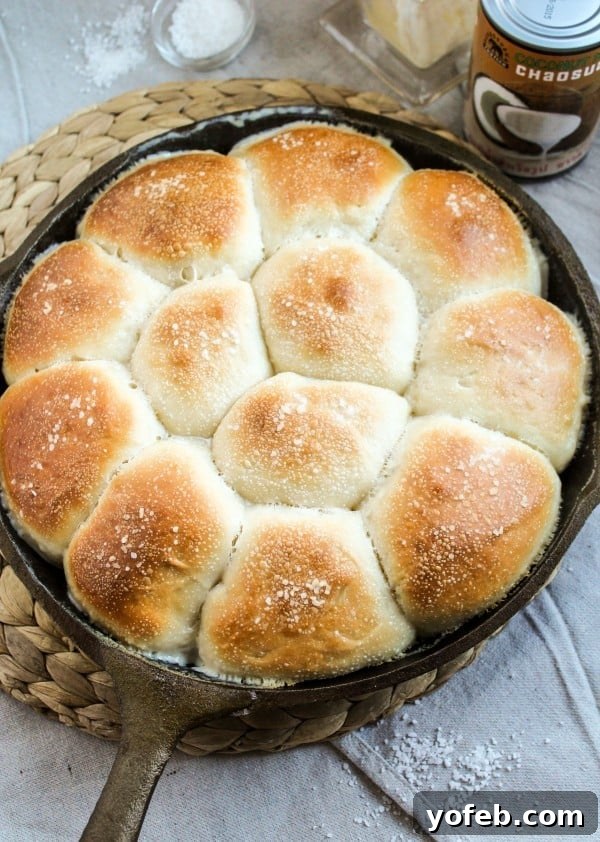
Pin this recipe for later!
Samoan Coconut Rolls: The Ultimate Sweet Bread Recipe
These Samoan coconut rolls are an absolute game-changer! Prepare to be amazed by the softest, moistest, and most pillowy rolls you’ve ever tasted in your life. With a hint of coconut and a delightfully sweet profile, they are a treat that will disappear quickly from any table.
Recipe Overview
Prep Time: 20 mins
Cook Time: 20 mins
Rising Time: 3 hrs
Total Time: 3 hrs 40 mins
Servings: 12 Rolls
Rating: 5 out of 5 stars (based on 2 votes)
Rate this Recipe
Print Recipe
Ingredients
- 1 tablespoon active dry yeast (1 standard package)
- 3 tablespoons warm water (ideally 105°F-115°F)
- 1 (14-oz) can full-fat coconut milk, divided
- 4 tablespoons salted butter (half a stick)
- ½ cup granulated sugar
- ½ teaspoon salt
- 1 large egg
- ¼ cup powdered milk (non-fat or whole milk powder)
- 3 ½ cups all-purpose flour, spooned and leveled
- Optional: light sprinkling of coarse salt OR raw sugar for topping
Instructions
- In the bowl of a stand mixer, or a large mixing bowl if kneading by hand, sprinkle the active dry yeast over the warm water. Give it a gentle stir to combine. Ensure the water is warm to the touch, but not hot, as excessive heat can kill the yeast. Set the bowl aside for 5-10 minutes to allow the yeast to bloom and become frothy. This indicates it’s active and ready to work its magic.
- While the yeast is blooming, prepare the coconut milk mixture. Shake your can of full-fat coconut milk well before opening. Pour one cup of the coconut milk into a large (preferably 4-cup) microwave-safe measuring cup. Add the half stick of salted butter to the coconut milk.
- Microwave the coconut milk and butter for approximately 1 to 2 minutes, or until the butter is about halfway melted. Remove from the microwave, then add the ½ cup of granulated sugar and ½ teaspoon of salt. Stir the mixture vigorously until the butter is completely melted and the sugar and salt have dissolved. It’s crucial to let this mixture cool slightly if it’s too hot, as you don’t want to scramble the egg in the next step.
- Crack the large egg into the cooled coconut milk mixture and whisk rapidly. This quick whisking prevents the egg from curdling. Once the egg is fully incorporated, add the ¼ cup of powdered milk and whisk again until a smooth, uniform liquid is achieved.
- By now, your yeast mixture should be visibly frothy and active. Pour the prepared coconut milk and egg mixture into the stand mixer bowl with the bloomed yeast.
- If using a stand mixer, attach the dough hook. You can start by briefly stirring everything together manually with the dough hook before turning on the mixer to medium-low speed. This ensures all ingredients are initially combined. (If you’re kneading by hand, use a sturdy wooden spoon for this step, then proceed to knead with your hands.)
- Gradually add the 3 ½ cups of all-purpose flour, ensuring it has been spooned into the measuring cup and leveled for accuracy. Continue mixing the dough on medium-low speed.
- As the dough comes together, assess its consistency. It should be quite soft and somewhat sticky, but not wet or soupy. It may not pull away completely from the sides of the bowl. If the dough seems excessively wet, add additional flour one tablespoon at a time until you reach the desired soft, slightly sticky texture. Refer to the accompanying photos for visual guidance on the ideal dough consistency.
- Once the flour is incorporated, set a timer for 8 minutes and let the stand mixer knead the dough on low speed. This develops the gluten, which is essential for soft, chewy rolls. Alternatively, if kneading by hand, turn the dough out onto a lightly floured surface and knead vigorously for 8 minutes until it becomes smooth and elastic.
- Lightly grease a clean, large bowl. Place the kneaded dough into the greased bowl, turning it once to ensure all sides are coated. Loosely cover the bowl with a clean kitchen cloth or plastic wrap. Allow the dough to rise in a warm, draft-free place for about 1 ½ to 2 hours. While it may not double exactly in size, it should visibly increase. Aim for closer to two hours for optimal rise.
- Once the first rise is complete, gently punch the dough down to release the air.
- Carefully divide the dough into 12 equal pieces. Shape each piece into a smooth, round ball.
- Arrange the shaped dough balls in a greased 12-inch round pan, a cast iron skillet, or a 9×13-inch baking pan. Ensure there’s a little space between each roll for them to expand. At this stage, you have the option to refrigerate the covered pan for up to 24 hours. If refrigerating, remember to let the rolls sit at room temperature for at least one hour before proceeding to the next step.
- If you are not refrigerating the dough, cover the pan again and let the rolls undergo their second rise in a warm place for another 45 minutes to an hour, until they look puffy and soft.
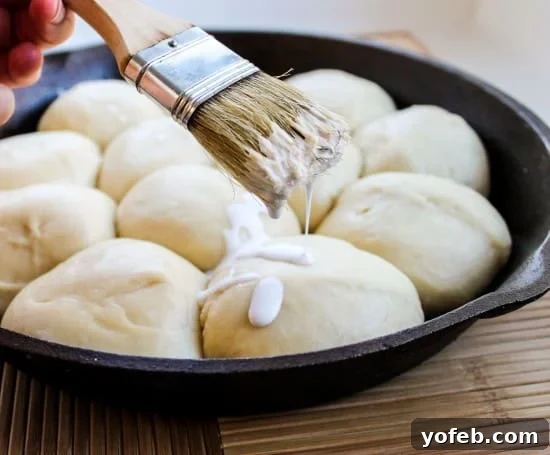
- Preheat your oven to 350°F (175°C). Just before baking, generously brush the tops of the risen rolls with the remaining coconut milk from the can. Then, pour the rest of the coconut milk evenly into the bottom of the pan around the rolls. Yes, use all of it – this is key to their incredible moistness. If desired, sprinkle the tops with either coarse salt or raw sugar.
- Bake the rolls in the preheated oven for approximately 20 to 25 minutes, or until the crust turns a beautiful, deep golden brown. The coconut milk in the pan will create a luscious, syrupy sauce.
- Allow the Samoan Coconut Rolls to cool slightly in the pan before serving warm. They are best enjoyed fresh from the oven, when they are at their softest and most aromatic.
Notes
For the topping, you have a choice between a light sprinkling of raw sugar or coarse salt. I personally favor the coarse salt as I find it beautifully balances and cuts through the sweetness of the rolls, creating a delightful contrast. Apply your chosen topping after brushing the rolls with coconut milk, just before they go into the oven.
Pro Tip for Rising Dough: To create a warm, draft-free environment for your dough to rise, I often turn my oven to its lowest setting (usually around 170°F or 75°C) for about 45 seconds to a minute, then immediately turn it off. I then place the covered dough inside the slightly warmed, but not hot, oven to rise. Just be absolutely certain to remove the dough before you preheat the oven for baking!
Source: This recipe is an adaptation from the wonderful Immaculate Bites, known for their incredible African and Caribbean-inspired cuisine.
Nutrition Information (per 1 roll serving)
Serving: 1 roll
Calories: 219 kcal
Carbohydrates: 37g
Protein: 5g
Fat: 5g
Saturated Fat: 3g
Polyunsaturated Fat: 1g
Monounsaturated Fat: 1g
Trans Fat: 1g
Cholesterol: 28mg
Potassium: 85mg
Fiber: 1g
Sugar: 9g
Vitamin A: 164 IU
Vitamin C: 1mg
Calcium: 34mg
Iron: 2mg
Recipe Details
Course: Bread
Cuisine: Samoan
Calories: 219
Keywords: Coconut, Coconut Rolls, Rolls, Sweet Bread, Pacific Island Bread, Pani Popo
Did you make this? I’d love to see it!
Mention @thefoodcharlatan or tag #thefoodcharlatan!
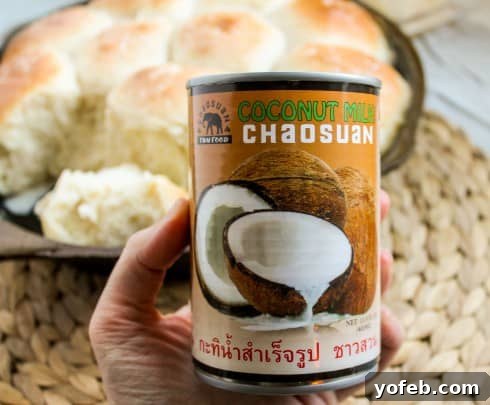 A vital ingredient for truly authentic and rich Samoan Coconut Rolls is full-fat coconut milk. Don’t be shy; embrace the richness it brings!
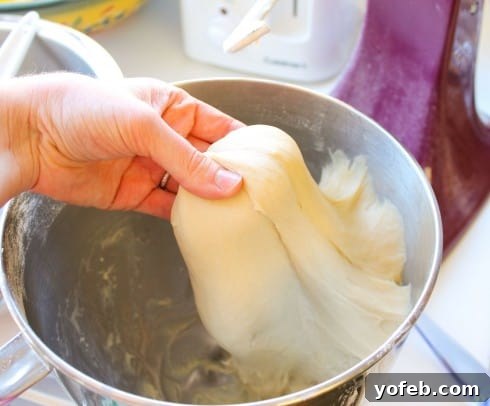
Achieving the perfect dough consistency is paramount for these rolls. You want the dough to be incredibly soft and pliable, but not so wet that it becomes unmanageable and sticks aggressively to your fingers. It should have a pleasant stickiness that indicates its moisture content and will lead to a tender crumb.
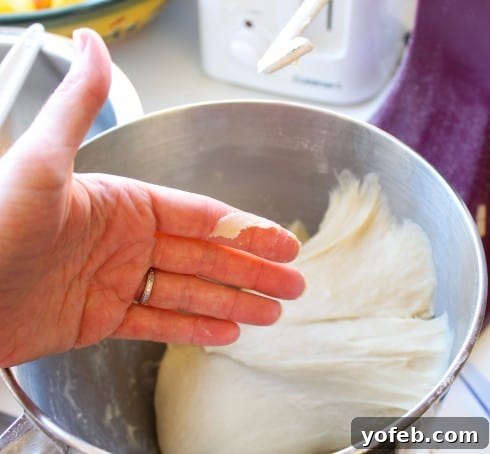
A slight stickiness is perfectly fine – even desirable. The image above shows a little dough residue on my hand after handling it, which is exactly the right amount. This subtle stickiness is what contributes to the rolls’ ultimate softness and tender texture, so don’t be tempted to add too much extra flour and dry it out.
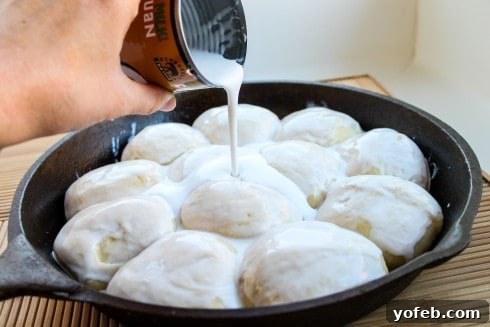 The step where you pour all that luscious coconut milk over the risen rolls might seem excessive, but trust the process! It’s the secret to their unmatched moisture and unique flavor. Don’t hesitate – just do it.
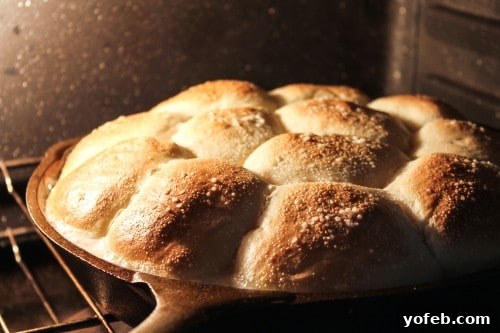 As they bake, you’ll notice the coconut milk bubbling and simmering around the rolls, infusing every fiber with its rich, sweet essence. This visual is a promise of the tender, flavorful rolls to come. Yum!
I genuinely love hearing from you! Your comments truly make my day and let me know you’re out there. Please don’t be a stranger – say hello and share your thoughts. I always respond!