
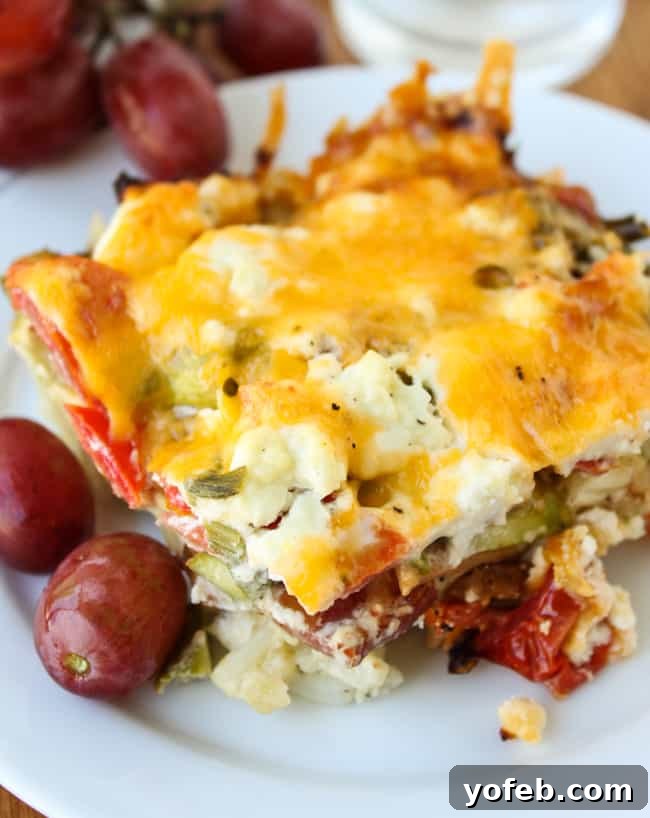
Effortless Elegance: The Ultimate Overnight Bacon, Asparagus, and Goat Cheese Egg Casserole
Imagine waking up to the aroma of a delicious breakfast already made, ready to be pulled from the oven and served. This dream becomes a reality with our ultimate Overnight Bacon, Asparagus, and Goat Cheese Egg Casserole. This isn’t just a meal; it’s a make-ahead marvel designed to impress your guests, simplify your holiday mornings, or elevate any weekend brunch. Packed with savory bacon, fresh asparagus, juicy tomatoes, and fluffy hash browns, all bound by a rich egg mixture and topped with tangy goat cheese and sharp cheddar, this casserole is a true showstopper. Plus, it’s effortlessly adaptable for vegetarian preferences – simply omit the bacon for a delightful meat-free option!
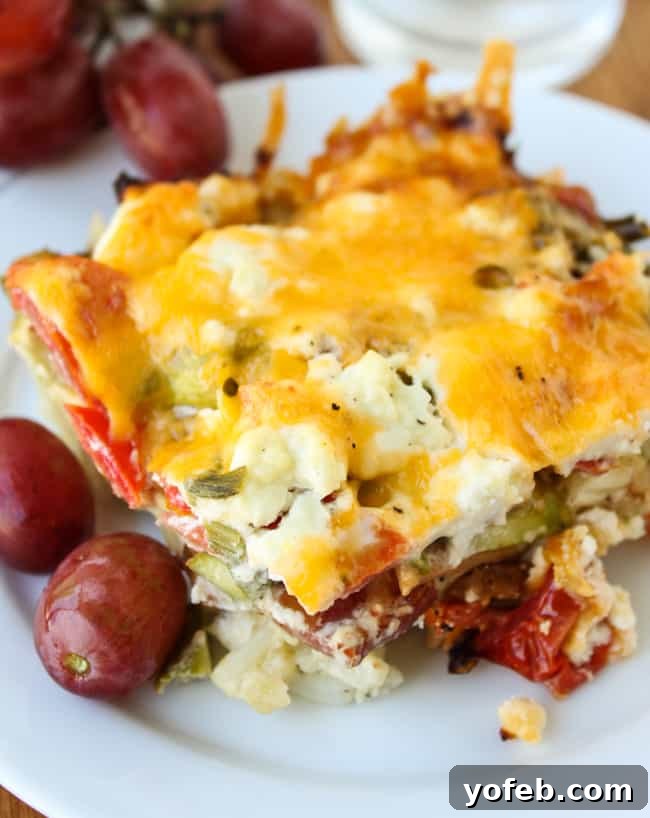
Table of Contents
- Why You Need This Asparagus and Egg Casserole in Your Life
- The Essential Ingredients for a Gluten-Free Egg Casserole
- Creative Variations for Your Asparagus Egg Casserole
- Step-by-Step Guide to Making This Gluten-Free Breakfast Casserole with Asparagus and Egg
- Troubleshooting Common Asparagus and Egg Casserole Challenges
- What to Serve Alongside Your Magnificent Breakfast Casserole?
- Maximizing Freshness: How to Store Your Overnight Asparagus Egg Bake
- Frequently Asked Questions About Asparagus Breakfast Casserole
- Overnight Bacon Asparagus Egg Bake Recipe
Life can be a whirlwind, can’t it? One minute you’re dealing with unexpected household adventures (like a certain toddler and a phone finding the toilet), the next you’re celebrating significant achievements (like a marathon!). Through all the chaos and triumphs, one thing remains constant: the need for good food that brings people together. This breakfast casserole was born from those very moments – a dish hearty enough to refuel a marathon runner, impressive enough for a brunch crowd, and simple enough to prepare when life gets a little, well, messy.

Speaking of marathon runners, my husband Eric recently completed one. His chipper expression at the halfway mark truly amazed me – I’m pretty sure my face would resemble a wounded walrus after just a few miles! Along with my brother Nathan and our friends, we all gathered for a celebratory brunch after the race. This very casserole took center stage, and the feedback was overwhelmingly positive. Nathan, initially skeptical of my “asparagus and egg combo,” quickly changed his tune after one bite, declaring it “amazing” and promptly taking half the leftovers home. That’s the kind of endorsement that truly speaks volumes!
Why You Need This Asparagus and Egg Casserole in Your Life
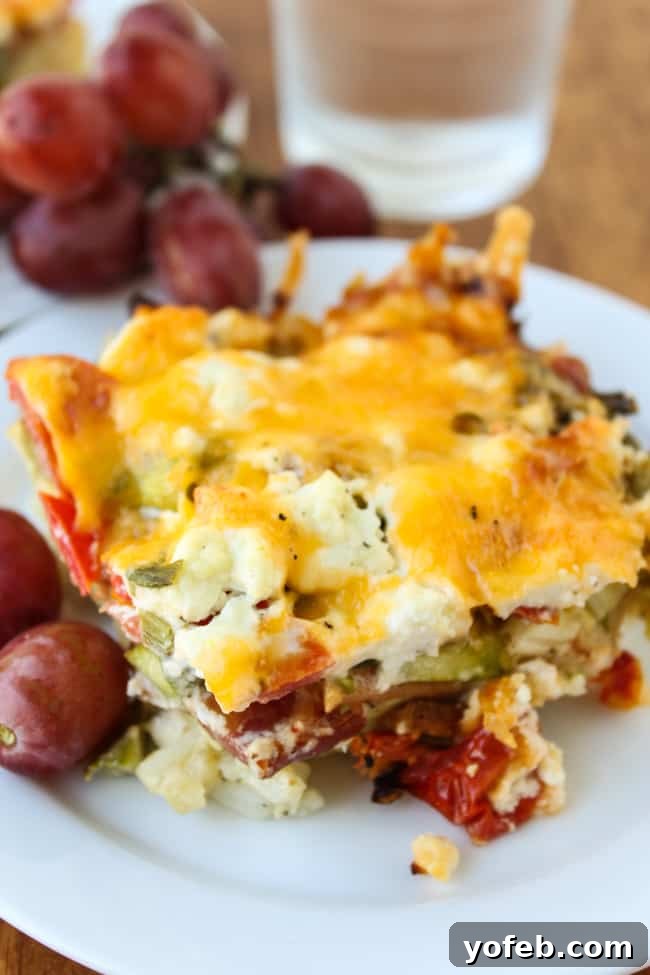
This recipe isn’t just another breakfast dish; it’s a harmonious fusion of two beloved savory breakfast classics: my Asparagus, Tomato, and Goat Cheese Quiche and my Easy Breakfast Casserole with Potatoes and Ham. Individually, they are showstoppers, but together, they create an unparalleled breakfast experience. The beauty of this casserole lies in its flexibility: prepare it the night before for a stress-free morning, or whip it up on the spot if spontaneity strikes. It’s the perfect solution for busy holiday mornings like Christmas, special brunches, or simply making an ordinary weekend feel extraordinary. Its robust flavors and satisfying texture make it a dish everyone will ask for again and again.
The Essential Ingredients for a Gluten-Free Egg Casserole
Creating a truly memorable breakfast casserole starts with quality ingredients. This recipe is naturally gluten-free, focusing on fresh produce, savory meats, and rich dairy to deliver exceptional flavor and texture. Here’s a concise shopping list to guide you, with a full breakdown in the recipe card below:
- Frozen Shredded Hash Browns (30 oz. package, thawed): These form the crispy base of our casserole. Thawing them beforehand is key to avoiding a soggy result.
- Salted Butter (melted): Infuses the hash browns with rich flavor and helps them crisp up beautifully in the oven.
- Bacon (8 strips, chopped): Adds irresistible smoky, salty notes and a delightful crunch. For a vegetarian option, simply omit this and perhaps add a pinch of smoked paprika for depth.
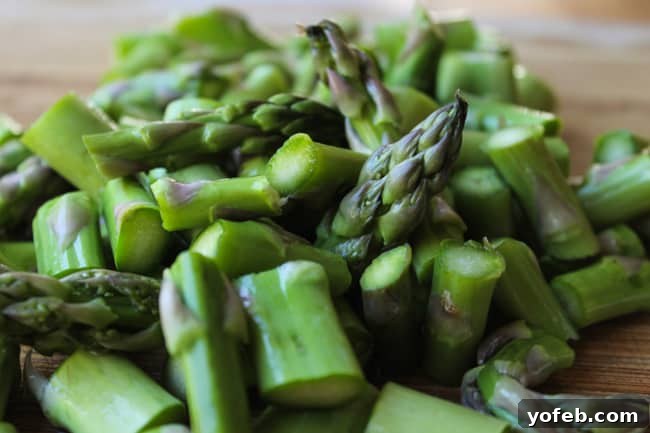
- Asparagus (1 bunch, chopped): Brings a touch of vibrant green, a slight earthy sweetness, and a pleasant crisp-tender bite. Choose fresh, firm stalks for the best flavor.
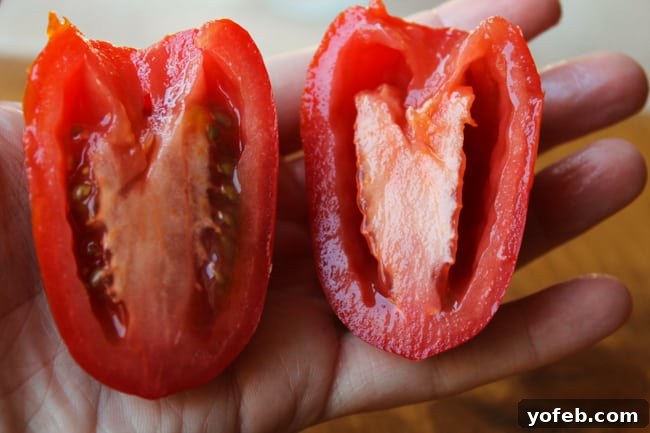
- Tomatoes (1 ½ cups fresh, chopped, e.g., 4 Roma tomatoes): Provide a burst of fresh acidity and sweetness, cutting through the richness of the other ingredients.
- Green Onions (1 bunch, chopped): Offer a mild, fresh onion flavor that brightens the entire dish.
- Goat Cheese (8 ounces, cold, crumbled): This is our secret weapon for a creamy, tangy layer that melts beautifully and contrasts wonderfully with the other flavors.
- Large Eggs (7): The foundation of any great egg casserole, binding all the components together.
- Half and Half (1 ½ cups): Adds a luxurious creaminess to the egg mixture, ensuring a tender, not rubbery, texture. You can substitute with whole milk for a slightly lighter option.
- Salt (1 ¼ teaspoons), Seasoned Salt (½ teaspoon), and Black Pepper (½ teaspoon): A carefully balanced seasoning blend that enhances all the natural flavors. Feel free to adjust to your taste.
- Cheddar Cheese (2 cups, shredded): A classic topping that melts into a golden, bubbly crust, adding an extra layer of savory goodness.
Creative Variations for Your Asparagus Egg Casserole
While this recipe is perfect as written, it’s also incredibly versatile. Don’t hesitate to customize it to your personal tastes or what you have on hand. Here are some ideas to spark your culinary creativity:
- Vegetarian Option: Easily transform this into a delectable vegetarian casserole by simply omitting the bacon. For an extra layer of flavor, consider adding sautéed mushrooms or bell peppers, or a sprinkle of smoked paprika to mimic a smoky essence.
- Asparagus Alternatives: If asparagus isn’t your favorite, or if it’s out of season, try substituting it with other vegetables. Steamed broccoli florets, sautéed spinach (ensure it’s well-drained to prevent excess moisture), or even roasted red bell peppers would be fantastic.
- Hash Brown Choices: If shredded hash browns are hard to find, a 30 oz. package of cubed hash browns can be used instead. Just ensure they are thawed and pre-baked as directed for that essential crispy base.
- Cheese Swaps: Not a fan of goat cheese, or simply don’t have any? Crumbled feta cheese makes an excellent tangy substitute, or for a milder flavor, try Monterey Jack or Colby cheese. You could even experiment with a blend of different cheeses!
- Tomato Alternatives: Instead of fresh tomatoes, consider using sun-dried tomatoes (chopped) for a more intense, concentrated flavor, or roasted red peppers from a jar (drained and chopped) for a sweeter, smoky note.
- Herb Boost: Fresh herbs can elevate the flavor profile. A sprinkle of fresh dill, chives, or parsley added to the egg mixture or as a garnish before serving would be wonderful.
- Spicy Kick: For those who enjoy a little heat, a pinch of red pepper flakes in the egg mixture or a dash of hot sauce before serving can add an exciting zing.
Step-by-Step Guide to Making This Gluten-Free Breakfast Casserole with Asparagus and Egg
This casserole is designed for ease and convenience, making it perfect for both novice and experienced cooks. Follow these simple steps, and remember, detailed instructions are available in the recipe card below:
- Prepare the Hash Browns: Begin by preheating your oven to 400 degrees F (200 degrees C). Lightly grease a 9×13 inch casserole dish. Evenly spread the thawed hash browns across the bottom of the dish. Pour the melted butter over the hash browns, ensuring they are well coated. Bake for 25 minutes, or until the edges are golden and slightly crispy. This crucial step prevents a soggy casserole base. Remove from the oven and set aside to cool slightly while you prepare the other ingredients. Reduce the oven temperature to 350 degrees F (175 degrees C).
- Cook the Bacon: While the hash browns bake, cook the chopped bacon in a large frying pan over medium heat until it’s wonderfully crispy. Transfer the cooked bacon to a plate lined with paper towels to drain excess fat. Reserve about 1 teaspoon of the bacon grease in the pan – this will infuse incredible flavor into the asparagus.
- Sauté the Asparagus: Trim the woody ends off the asparagus spears and discard them. Chop the remaining tender parts into bite-sized pieces. Add the chopped asparagus to the frying pan with the reserved bacon grease. Cook and stir for approximately 5 minutes, or until the asparagus is fork-tender but still retains a slight crispness. Be careful not to overcook it, as mushy asparagus isn’t ideal for a casserole.
- Chop Remaining Veggies: While the asparagus cooks, take this time to chop your fresh tomatoes and green onions, preparing them for layering.
- Assemble the Layers: Once the hash browns have cooled slightly, layer the cooked asparagus, chopped tomatoes, green onions, and crispy crumbled bacon evenly over the potato base. Next, scatter the cold, crumbled goat cheese over these layers.
- Whisk the Egg Mixture: In a large mixing bowl, combine the eggs, half and half, salt, seasoned salt, and pepper. Whisk vigorously for at least 1 minute to ensure all ingredients are well combined and the mixture is light and airy. This helps create a tender egg texture.
- Combine and Top: Pour the whisked egg mixture evenly over the ingredients in the casserole dish, making sure it settles into all the nooks and crannies. Finally, sprinkle the shredded cheddar cheese generously over the top.
- Bake or Refrigerate: At this stage, you have two options:
- For immediate baking: Place the casserole directly into the preheated 350-degree F (175 degrees C) oven.
- For an overnight bake: Cover the casserole dish tightly with plastic wrap or aluminum foil and refrigerate for up to 24 hours. When ready to bake, simply remove it from the fridge and bake as directed (it may require a few extra minutes of baking time if baking from cold).
- Final Bake: Bake for about 40-45 minutes, or until the center is set (a knife inserted near the center comes out clean) and the cheese on top is golden brown and bubbling.
Troubleshooting Common Asparagus and Egg Casserole Challenges
Even the most seasoned cooks encounter a hiccup now and then. Here are solutions to common breakfast casserole issues, ensuring your Asparagus Egg Casserole turns out perfectly every time:
How do you fix a dry breakfast casserole?
A dry breakfast casserole is often the result of either overbaking or improper storage. If you’ve baked it too long or left it uncovered in the fridge for an extended period, it can lose its moisture. But don’t despair! A simple fix for an already dry casserole is to drizzle a rich sauce over it. My go-to is a quick and easy blender hollandaise sauce, which takes only 5 minutes to whip up and adds a luxurious creaminess. To prevent dryness in the future, always ensure your casserole is well-covered when stored in the refrigerator, and aim to consume or freeze it within 3-5 days of preparation.
Why is my egg casserole rubbery?
A rubbery egg casserole is usually due to overcooked eggs or excessive moisture release from raw ingredients. When uncooked vegetables or meats are added directly to a casserole, they release water as they cook, which can negatively impact the egg’s texture, making it tough. This recipe skillfully bypasses this issue by pre-cooking the bacon and asparagus, ensuring they contribute flavor without excess moisture. While fresh tomatoes are added uncooked, their moisture content is balanced by the overall recipe ratio. If you’re experimenting with other vegetable substitutions, remember to pre-cook them and drain any excess liquid before adding them to maintain that perfect, tender egg consistency.
Why is my breakfast casserole soupy?
A soupy breakfast casserole can be incredibly disappointing, but it’s often caused by a few common mistakes:
- Too Much Liquid: The ratio of eggs to dairy (milk, cream) is crucial. Too much liquid can lead to a runny consistency.
- Frozen Hash Browns: Adding frozen hash browns directly to the casserole can release significant water as they thaw and cook, making the dish watery.
- Uncooked, High-Moisture Vegetables/Meats: Similar to the rubbery issue, uncooked vegetables like mushrooms or meats can release a lot of water, leading to a soupy result.
- Insufficient Baking Time: The casserole simply hasn’t cooked long enough for the eggs to set properly and for any excess moisture to evaporate.
This recipe is meticulously tested to ensure the ideal balance of liquid to solid ingredients. It calls for thawed hash browns and pre-cooked bacon and asparagus, coupled with precise baking times, guaranteeing a perfectly set and delicious casserole every single time. Say goodbye to soupy breakfast casseroles and hello to breakfast perfection!
What to Serve Alongside Your Magnificent Breakfast Casserole?
One of the many virtues of this overnight breakfast casserole is its completeness – it’s a meal in itself! A glass of orange juice and a cup of coffee are often all you need for a satisfying start to your day. However, if you’re hosting a festive brunch, a baby shower, or simply want to indulge your guests (or yourself!) with an unforgettable breakfast feast, a few sweet accompaniments can turn a great meal into an extraordinary one. Here are some of my favorite sweet recipes that beautifully complement the savory richness of this casserole:
- One Hour Almond Rolls: Do not underestimate these rolls! Imagine the comforting crunch of Honey Nut Cheerios blended with the tender flakiness of a cinnamon roll – that’s what these beautiful creations deliver. They are quick, easy, and utterly addictive.
- The Best Scone Recipe I’ve Ever Made: Light, tender, and perfectly crumbly, these scones are a blank canvas for your favorite mix-ins. Whether you prefer classic currants, juicy berries, or a hint of citrus, they are always a delightful addition to any breakfast spread.
- Best Cinnamon Roll Recipe I’ve Ever Made: Prepare for pure bliss! These homemade cinnamon rolls are so fluffy and decadent, they’ll have you exclaiming, “It’s so fluffy I’m gonna die!” (Bonus points if you know the movie reference!). They are the epitome of comfort food.
- Raspberry Pull-Apart Buns with Coconut Glaze: As visually stunning as they are delicious, these pull-apart buns are a burst of fruity sweetness. The tart raspberries perfectly balance the sweet, tropical coconut glaze, creating an elegant and irresistible treat.
- Sour Cream Cinnamon Streusel Coffee Cake: Soft, moist, and generously layered with a sweet, spiced streusel, this coffee cake is a cinnamon lover’s paradise. It’s the ideal companion for your morning coffee and a slice of savory casserole.
- Cinnamon Sugar Dipped Muffins: These classic breakfast puffs, often reminiscent of childhood memories, are still incredibly popular for a reason. Coated in melted butter and cinnamon sugar, they offer a comforting warmth and delightful texture that’s hard to resist.
Maximizing Freshness: How to Store Your Overnight Asparagus Egg Bake
One of the greatest benefits of this casserole is its make-ahead and storage potential. Thoughtful preparation and proper storage ensure you can enjoy this delicious dish whenever the craving strikes.
How to store the finished casserole
Once baked, this casserole makes for fantastic leftovers. Allow it to cool completely, then cover the dish tightly with plastic wrap or aluminum foil. It will keep beautifully in the refrigerator for 3 to 5 days. For a quick and easy breakfast on busy mornings, simply warm individual slices in the microwave until heated through. It tastes just as good, if not better, the next day!
How long can you keep a breakfast casserole in fridge before baking?
For optimal freshness and texture, I recommend assembling this breakfast casserole no more than 24 hours before you plan to bake it. While the ingredients will mingle and meld their flavors beautifully overnight, waiting too long can slightly alter the texture of some components, especially the hash browns. Preparing it the day before gives you that precious extra time in the morning without compromising the final delicious outcome.
Can you freeze gluten-free breakfast casserole?
Absolutely, this casserole is an excellent candidate for freezing! You have a couple of convenient options:
- Freezing a Baked Casserole: If you have leftovers or want to prep multiple meals, you can freeze the baked casserole. Once it has cooled completely, cut it into individual portions (this makes reheating easier). Wrap each portion tightly in plastic wrap, then place them in an airtight freezer-safe container or bag. It can be stored in the freezer for up to 2-3 months. Reheat individual portions in the microwave or oven until warmed through.
- Freezing an Unbaked Casserole: This is a fantastic option if you’re preparing a meal for someone else (like new parents or someone recovering from surgery) or want to have a fresh, hot casserole with minimal effort later. Assemble the casserole as directed, up to the point of baking. Cover the dish tightly with a layer of plastic wrap, then a layer of aluminum foil. Label clearly with baking instructions and the date. It can be frozen for up to 1-2 months. When ready to bake, transfer the frozen casserole to the refrigerator to thaw overnight. Once thawed, bake at the same temperature and time as usual, possibly adding an extra 10-15 minutes if it’s still quite cold.
Freezing this casserole is a wonderful way to ensure you always have a comforting, homemade breakfast ready to go!
Frequently Asked Questions About Asparagus Breakfast Casserole
What can I have for breakfast if I’m gluten-free?
Navigating a gluten-free diet, especially at breakfast, can sometimes feel limiting, but it doesn’t have to be! This delicious asparagus and bacon egg casserole is, of course, a fantastic start. Beyond that, the options are vast and delicious. You’re probably already familiar with simple staples like yogurt, fresh fruit, scrambled eggs, and gluten-free cold cereals. But if you’re looking for something a bit more substantial or fancy, consider these wonderful gluten-free recipes that are perfect for any morning:
- Spinach and Bacon Frittata: Think of it as a crustless quiche, rich with eggs, cheese, spinach, and savory bacon, all cooked in a skillet.
- Cheesy Ham and Broccoli Frittata: A brilliant way to use up leftover ham from holidays, combined with nutritious broccoli and gooey cheese.
- Creamy Scrambled Eggs for a Crowd: Your ultimate solution for serving warm, perfectly creamy, cheesy eggs to a large gathering without fuss.
- Cheesy Overnight Breakfast Egg Casserole with Bacon: Another beloved egg casserole, highlighting the comforting combination of cheese and bacon.
- Cheesy Hashbrown Breakfast Casserole with Ham: Because potatoes truly are king when it comes to a hearty breakfast.
- Banana Blueberry Overnight Oats: A kid-friendly, highly customizable option where you can swap blueberries for any fruit you desire.
- Pizza Egg Muffins: These protein-packed marvels let you enjoy the flavors of pizza for breakfast any day of the week, guilt-free!
- Green Orange Julius Smoothie: A refreshing and healthy smoothie bursting with creamy orange flavor, a perfect light start.
- Peanut Butter Banana Smoothie: Your ideal excuse to enjoy the rich, satisfying taste of peanut butter in a nutritious drink.
With these options, your gluten-free breakfast will always be exciting and delicious!
What’s the difference between strata and breakfast casserole?
While often used interchangeably, there’s a subtle distinction between strata and a general breakfast casserole. All stratas are breakfast casseroles, but not all breakfast casseroles are stratas. A strata is specifically characterized by its bread base, soaked in an egg and dairy mixture, often with cheese and sometimes meat or vegetables. It’s essentially a savory bread pudding. Breakfast casseroles, on the other hand, are a broader category. They can have a base of potatoes (like our hash brown casserole), biscuits, or be primarily egg-based with various fillings, offering a much wider range of ingredients and textures.
What’s the difference between breakfast casserole and frittata?
The main difference lies in their cooking method and core structure. A frittata is often described as a “crustless quiche.” It’s an open-faced, egg and vegetable-based dish typically started on the stovetop in an oven-safe skillet and then finished in the oven to set the top and achieve a golden finish. Frittatas are versatile and can be served for any meal – breakfast, lunch, or dinner. Breakfast casseroles, by contrast, are almost exclusively baked dishes, usually prepared in a larger baking dish. While they almost always contain eggs, their structure can vary significantly, incorporating ingredients like potatoes, bread, rice, or various meats and vegetables layered together, baked until bubbly and set. So, while a frittata can sometimes be considered a type of breakfast casserole due to its ingredients, its preparation method and typically lighter, skillet-based form set it apart.
More Savory Breakfast Inspiration!
Asparagus, Tomato, and Goat Cheese Quiche
Easy Breakfast Casserole with Potatoes and Ham
Egg Benedict Casserole (Overnight)
Savory Parmesan French Toast with Hollandaise Sauce
Farmer’s Market Overnight Breakfast Egg Casserole from Two Healthy Kitchens
Crock-Pot Tater Tot Egg Bake from Julie’s Eats and Treats
Overnight Breakfast Strata from Chef in Training
Facebook | Pinterest | Instagram
Overnight Bacon Asparagus Egg Bake
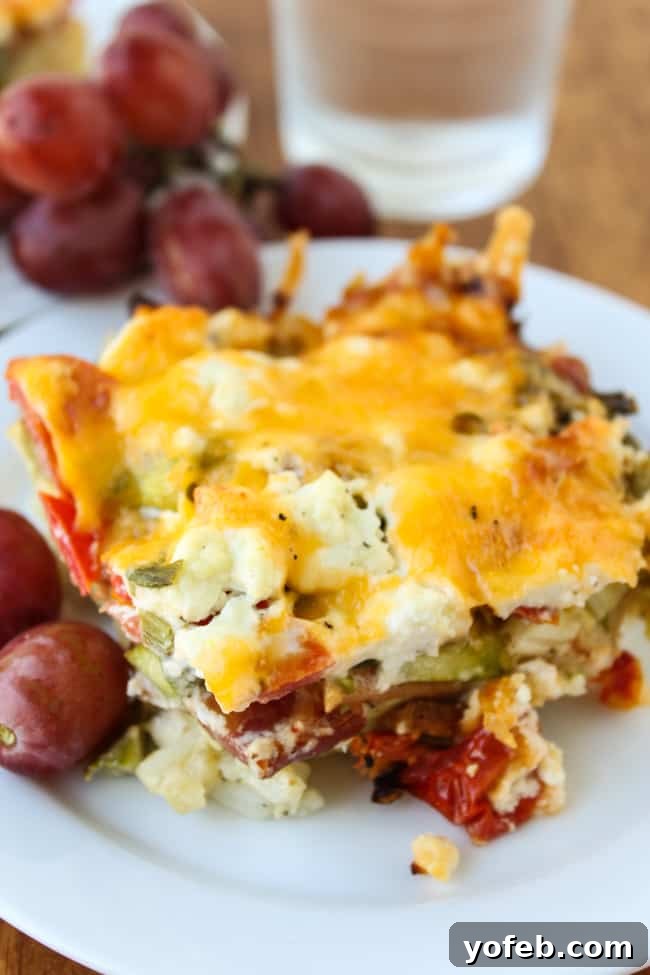
An overnight egg casserole stuffed with bacon, asparagus, tomatoes, and hash browns. Easy to throw together ahead of time and impress your guests. It’s easy to make this vegetarian if you want by leaving out the bacon.
Ingredients
- 1 (30-oz) package shredded hash browns, frozen, thawed*
- 1/2 cup salted butter, melted
- 8 strips bacon, chopped
- 1 bunch asparagus, chopped
- 1 & 1/2 cups tomatoes, fresh, chopped (I used 4 romas)
- 1 bunch green onions, chopped
- 8 ounces goat cheese, cold, crumbled with a fork
- 7 large eggs
- 1 & 1/2 cups half and half
- 1 & 1/4 teaspoons salt
- 1/2 teaspoon seasoned salt
- 1/2 teaspoon black pepper
- 2 cups cheddar cheese, shredded
Instructions
- Preheat the oven to 400 degrees F (200°C). Grease a 9×13 inch casserole dish.
- Spread the thawed potatoes in the dish and pour the melted butter evenly over the top.
- Bake at 400°F (200°C) for 25 minutes, or until the potatoes are getting brown and slightly crispy on the edges.
- Remove from the oven and set aside to cool while you assemble everything else. Lower the oven temperature to 350 degrees F (175°C).
- While the potatoes bake, cook the chopped bacon in a frying pan until crispy. Remove to a paper-towel lined plate. Drain all but 1 teaspoon of the bacon grease from the pan.
- Snap off the woody ends of the asparagus, discard, and chop the rest into bite-size pieces. Add the chopped asparagus to the bacon grease in the pan. Cook and stir for about 5 minutes, until the asparagus is fork tender but still has a slight bite. Do not let it get mushy.
- While the asparagus cooks, chop the tomatoes and green onions.
- Layer the cooked asparagus, chopped tomatoes, green onions, and crumbled bacon evenly on top of the pre-baked potatoes.
- Layer on the crumbled goat cheese.
- In a mixing bowl, whisk together the eggs, half and half, salt, seasoned salt, and pepper. Whisk for at least 1 minute to incorporate air.
- Pour the egg mixture evenly over the layers in the dish. Sprinkle with 2 cups of shredded cheddar cheese. At this point, you can cover the casserole tightly and refrigerate for up to 24 hours.
- Bake at 350 degrees F (175°C) for about 40-45 minutes, or until the center is set and the cheese starts getting golden brown and bubbly on top. If baking from cold (after refrigerating overnight), it may take an additional 10-15 minutes.
Notes
*If you haven’t thawed your hash browns, you can microwave them with the butter. By the time the butter melts, the hash browns should be mostly thawed. Then spread in the pan and bake as directed.
It’s easy to half this recipe. Bake it in an 8×8 or 9×9 inch pan and use 3 large eggs plus one egg yolk. Baking time might be a couple minutes lower than called for, so keep an eye on it.
Nutrition
Calories: 547kcal |
Carbohydrates: 25g |
Protein: 25g |
Fat: 39g |
Saturated Fat: 23g |
Polyunsaturated Fat: 3g |
Monounsaturated Fat: 11g |
Trans Fat: 1g |
Cholesterol: 241mg |
Potassium: 684mg |
Fiber: 3g |
Sugar: 2g |
Vitamin A: 1991IU |
Vitamin C: 17mg |
Calcium: 347mg |
Iron: 4mg
Did you make this? I’d love to see it!
Mention @thefoodcharlatan or tag #thefoodcharlatan!