
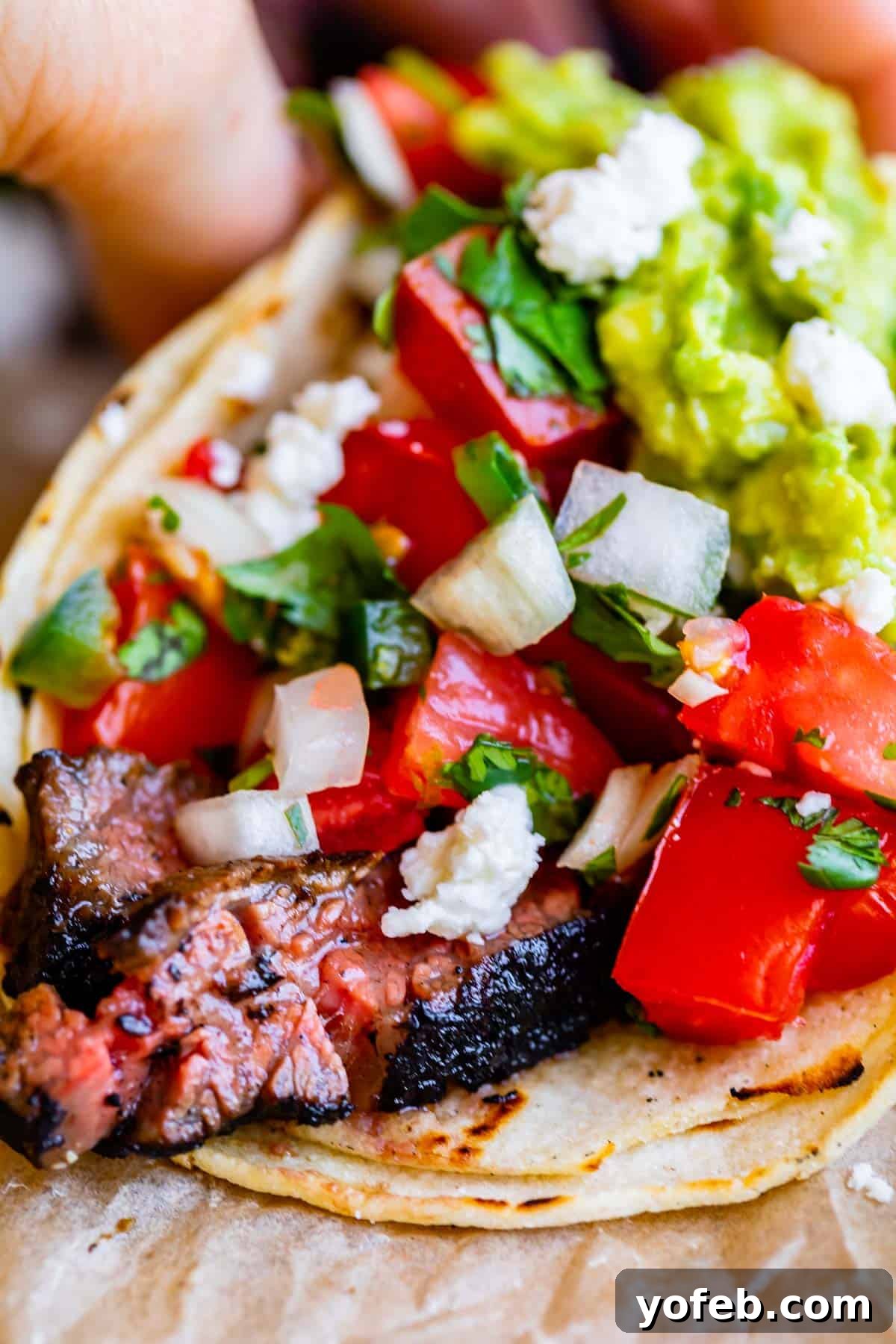
Prepare yourself for a culinary journey that promises to deliver Carne Asada even BETTER than your favorite Mexican restaurant! This comprehensive guide reveals a vibrant mojo marinade and all the essential secrets for achieving the most tender, juicy, and intensely flavorful steak you’ve ever experienced, perfect for sensational tacos, burritos, and quesadillas.
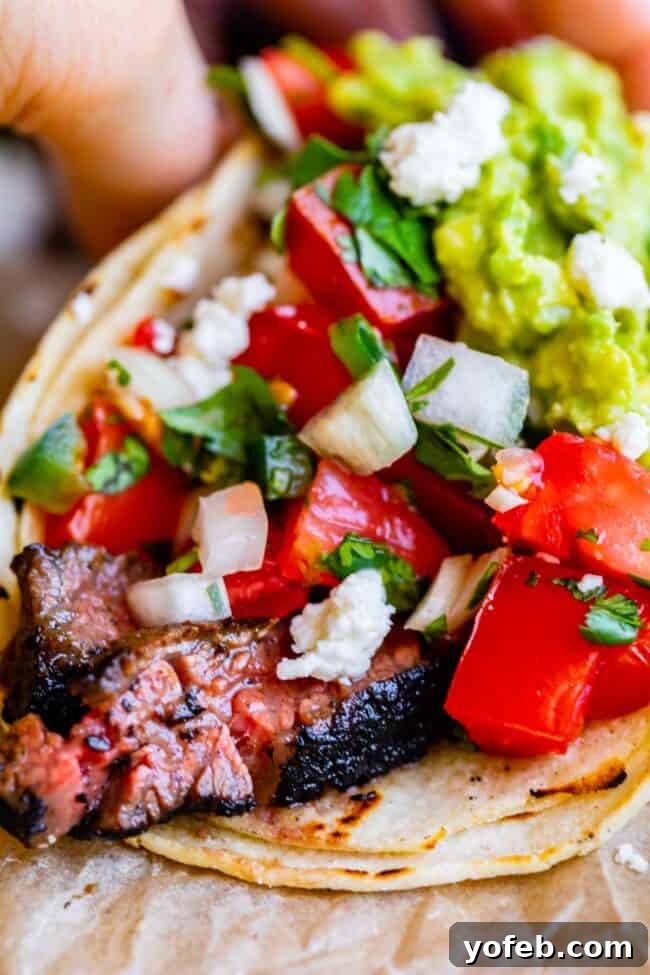
Table of Contents
- What is Carne Asada?
- The Secret to the Best Carne Asada: Cut of Beef
- Crafting the Perfect Mojo Marinade for Carne Asada
- How to Master Carne Asada: Grilling and Stovetop Methods
- Expert Tips for Unforgettable Carne Asada
- Serving Suggestions: What to Pair with Carne Asada
- Storage and Reheating Carne Asada
- Carne Asada FAQs: Your Questions Answered
- Carne Asada Steak Recipe
- More Summer Grilling Recipes
- Explore More Mexican Recipes
Summer is synonymous with grilling, and nothing beats the sizzle of expertly cooked meat over an open flame. As the temperatures rise, turning on the oven becomes less appealing, making outdoor cooking a beloved tradition. And when it comes to summer grilling, few dishes rival the irresistible appeal of authentic Carne Asada. Forget the restaurant drive-thru; our homemade Carne Asada promises an experience that is far superior, delivering unbelievably tender, juicy, and deeply flavorful results right from your own grill. This isn’t just a recipe; it’s a guide to unlocking the full potential of this beloved Mexican classic.
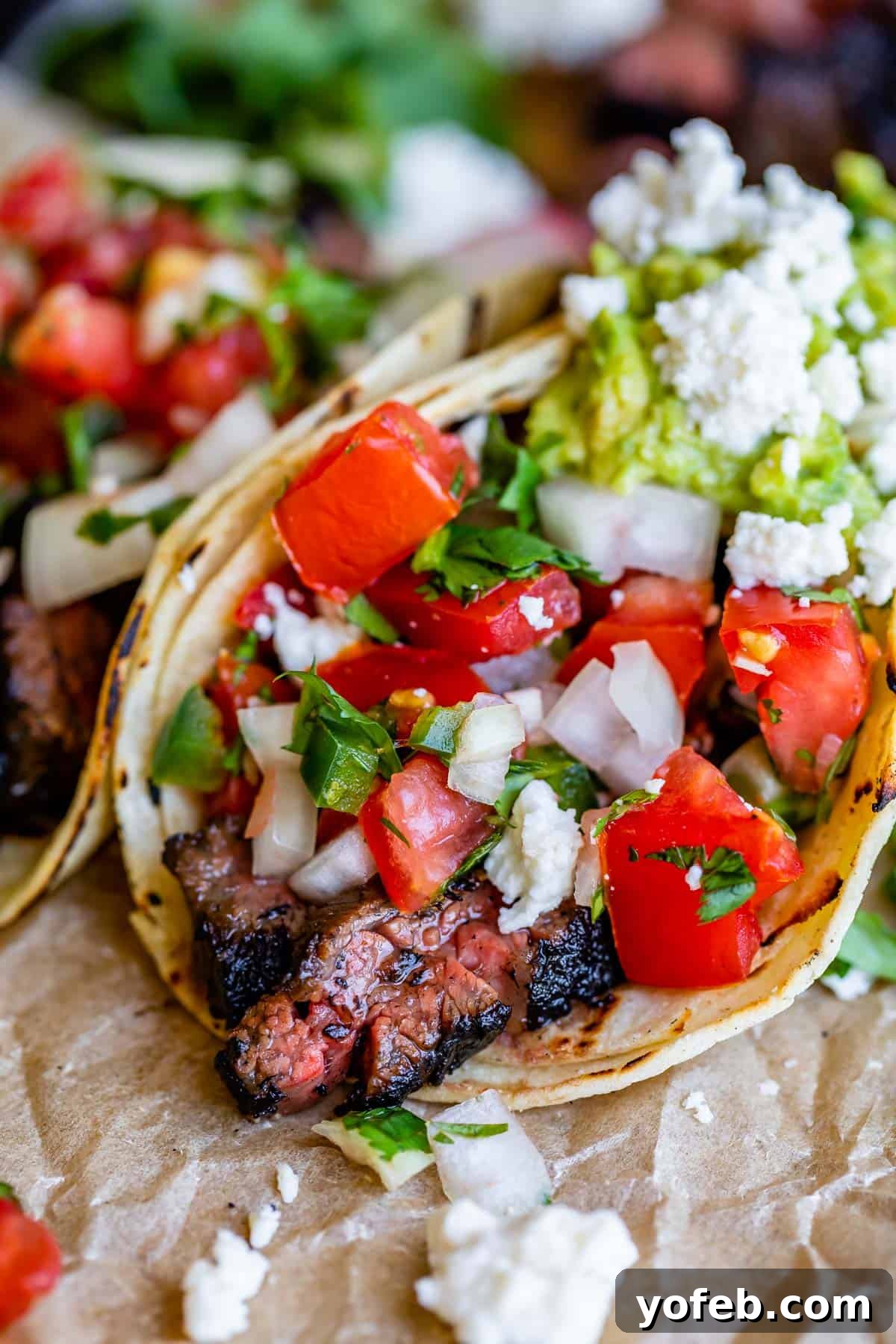
Imagine gathering friends and family for a backyard cookout, the air filled with the tantalizing aroma of marinating beef. We recently prepared these Carne Asada Tacos for dinner, and the unanimous verdict was clear: they were the best tacos we had ever tasted. The steak emerges from the grill incredibly juicy and tender, infused with an unparalleled depth of flavor thanks to a robust marinade and a quick sear over high heat. If you’ve never experienced truly exceptional homemade Carne Asada, prepare to be amazed!
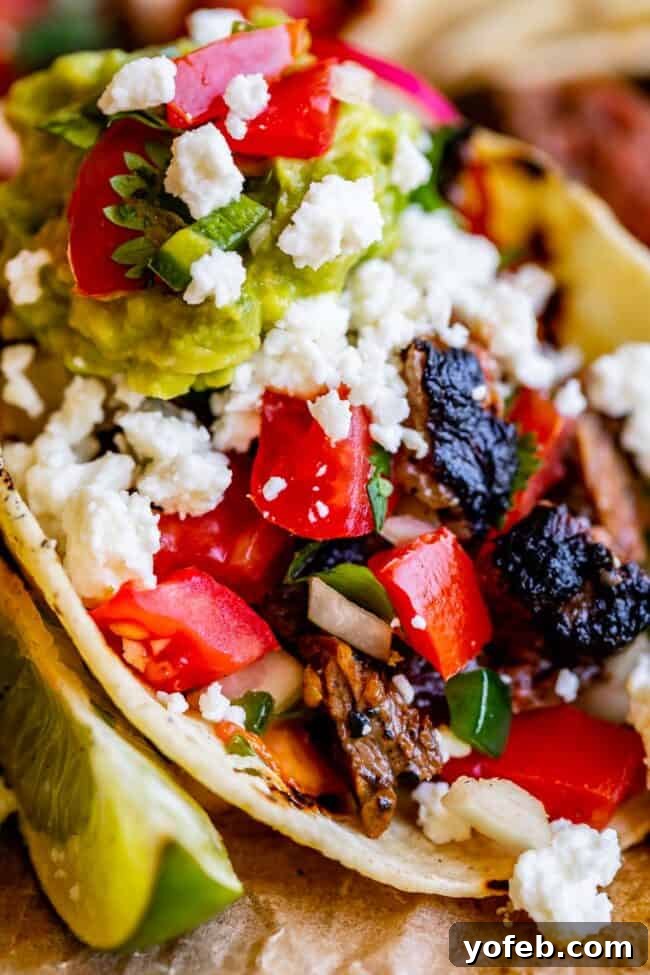
What is Carne Asada?
Carne Asada, which literally translates to “grilled meat” in Spanish, specifically refers to grilled beef. It’s a cornerstone of Mexican cuisine, celebrated for its robust flavor and versatility. While the term itself doesn’t specify a particular cut of beef, it almost always involves thinly sliced steak, marinated and then quickly grilled to perfection. The tradition of Carne Asada extends beyond just a dish; it’s often a centerpiece for gatherings, evoking warmth and festivity.
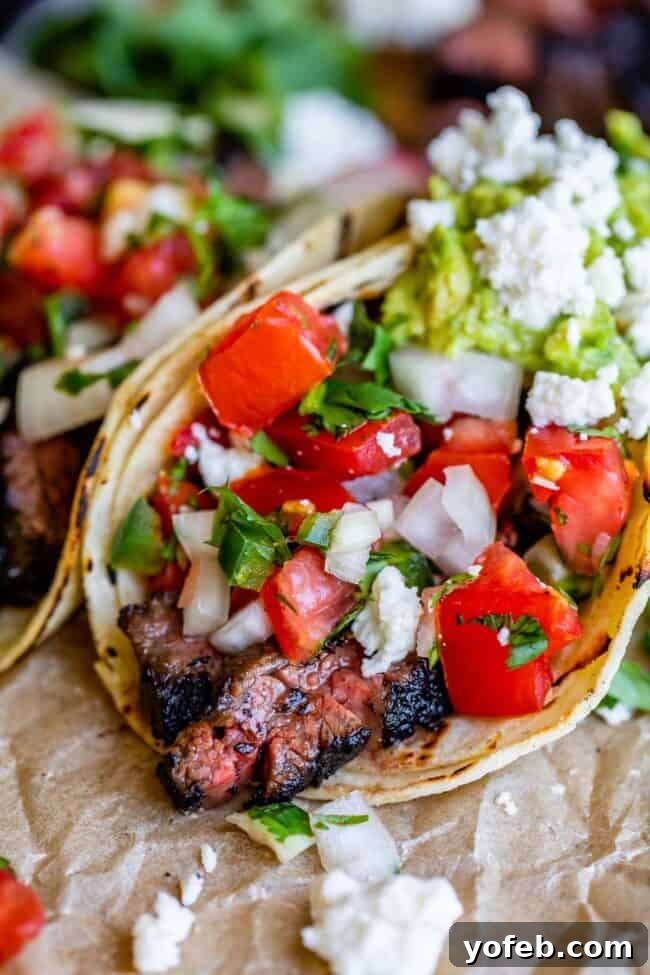
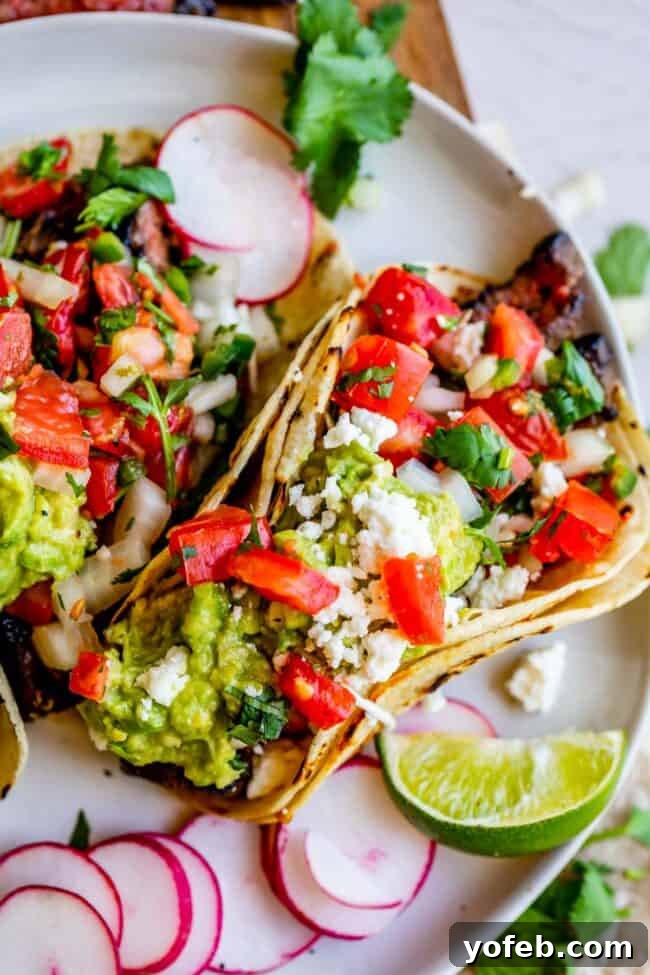
Once grilled, the meat is typically sliced against the grain into thin strips or chopped into bite-sized pieces. It’s most famously served in corn tortillas as tacos, offering a canvas for an array of vibrant toppings. These can include fresh Pico de Gallo, fragrant cilantro, crumbly queso fresco or cotija, spicy salsa, creamy guacamole, thinly sliced radishes for a refreshing crunch, and a dollop of sour cream or Mexican crema. The beauty of Carne Asada lies in its customizable nature, allowing everyone to build their perfect taco. It’s not just a meal; it’s an experience!
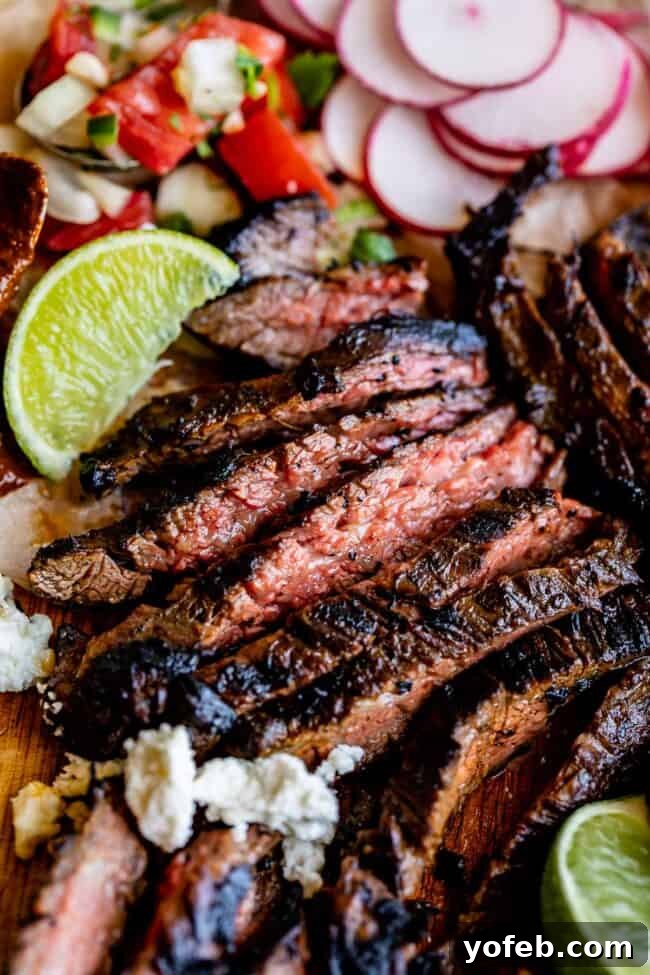
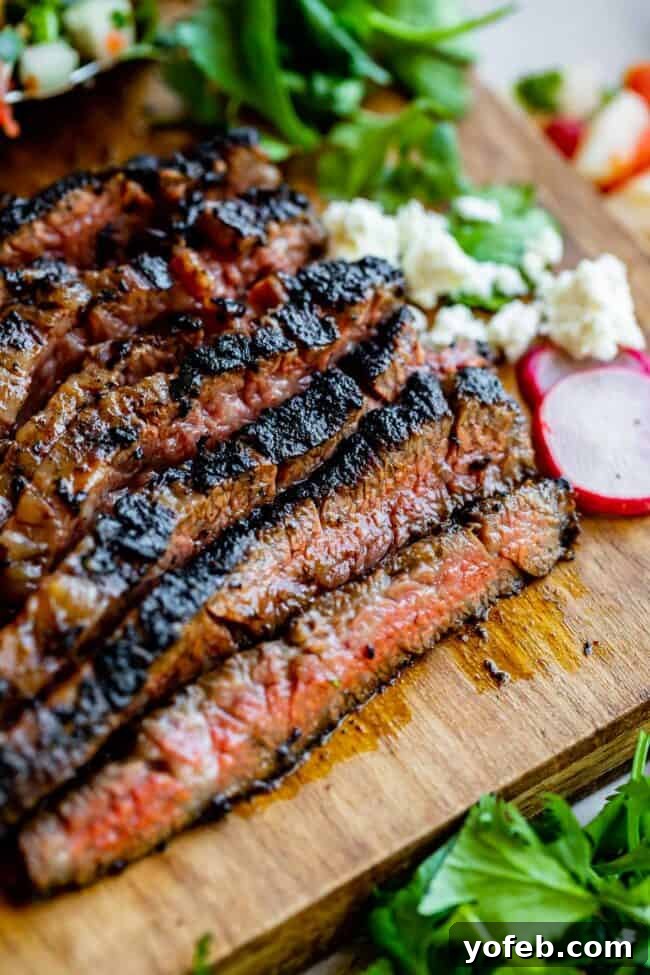
The Secret to the Best Carne Asada: Cut of Beef
Choosing the right cut of beef is paramount to achieving truly spectacular Carne Asada. While many recipes simply call for “skirt steak” or “flank steak,” there’s a significant difference that can elevate your dish from good to unforgettable. In our experience, the absolute best cut of meat for Carne Asada is outside skirt steak. It’s crucial to specify “outside” because it differs significantly from inside skirt steak.
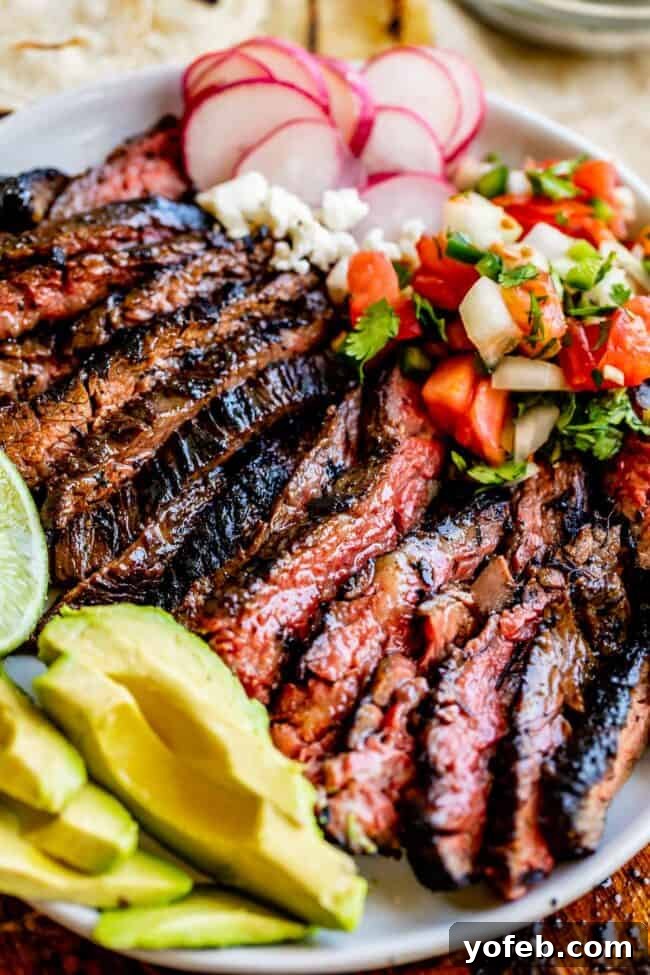
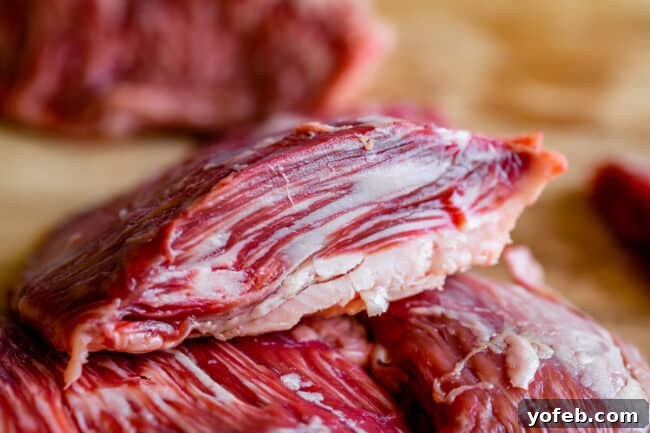
Outside skirt steak is a long, thin, ribbon-like cut from the diaphragm of the cow. It boasts a rich, buttery flavor and, when prepared correctly, is incredibly tender. This cut is often preferred by professional chefs and traditional Mexican eateries for its superior taste and texture. Its generous marbling, with pockets of fat distributed throughout, melts during grilling, contributing to an incredibly juicy and flavorful steak. You’ll find it’s so tender it practically melts in your mouth.
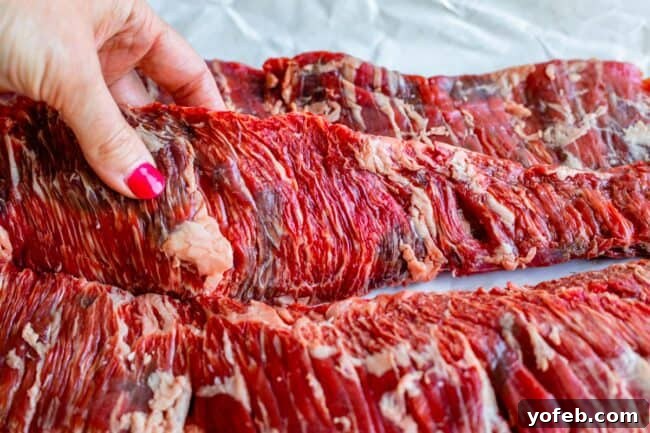
Outside Skirt vs. Inside Skirt vs. Flank Steak: A Detailed Look
- Outside Skirt Steak: This is our top recommendation. It’s narrow (3-4 inches wide), about 1/2 to 1 inch thick, and typically around 2 feet long. Its fine grain and significant marbling ensure maximum tenderness and flavor, cooking very quickly (1-2 minutes per side on a hot grill). It can be harder to find as there are only two per cow, often reserved for restaurants. Ask your local butcher shop and call ahead!
- Inside Skirt Steak: Also about 2 feet long but wider (5-7 inches) and with a coarser grain and less fat marbling than outside skirt. It’s more readily available and less expensive but will be slightly less tender and potentially chewier if not cooked and sliced perfectly.
- Flank Steak: A lean, flat cut from the abdominal muscles. It has a pronounced grain and is thicker than skirt steak. While good for marinating, it requires careful cooking to medium-rare to avoid toughness and must be sliced very thinly against the grain.
- Other Alternatives: Flap meat (sirloin bavette or sirloin tip) and flat iron steak are also good choices for Carne Asada, offering a balance of flavor and tenderness.
Regardless of the cut you choose, remember that fat equals flavor and juiciness. Look for well-marbled pieces. If you opt for flank or inside skirt steak, their grilling times and methods will differ slightly from the very fast-cooking outside skirt steak. For these alternative cuts, consult guides on how to cook flank steak for optimal results, focusing on searing and appropriate doneness to prevent toughness.
Crafting the Perfect Mojo Marinade for Carne Asada
With your ideal cut of meat selected, the next crucial step is immersing it in a phenomenal marinade. For Carne Asada, the marinade is non-negotiable; it’s what infuses the beef with its characteristic deep, savory, and tangy flavors. While there’s no single “authentic” Carne Asada marinade recipe, much like Italian spaghetti sauce, every family and region boasts its unique blend. Our mojo-inspired marinade is designed to deliver bold, robust flavors that will make your Carne Asada truly exceptional.
Our carefully balanced marinade features a blend of citrus, aromatics, and unique seasonings:
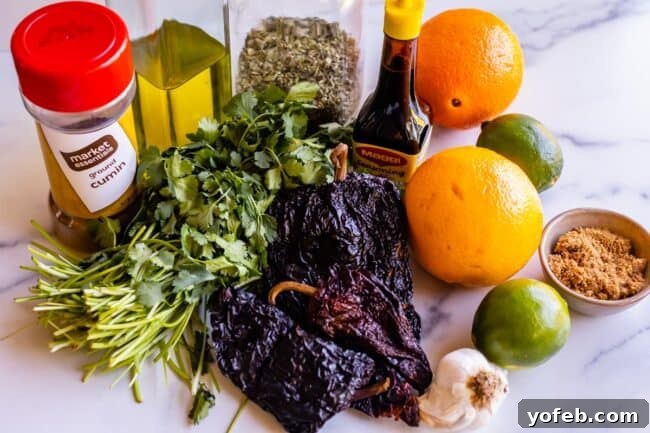
- Fresh orange zest
- Fresh orange juice
- Fresh lime juice
- Plenty of garlic
- Fresh cilantro
- Olive oil
- Dried oregano
- Cumin
- Brown sugar
- Salt and pepper
- Maggi seasoning (or soy sauce)
- Dried ancho chiles
Let’s highlight two star ingredients:
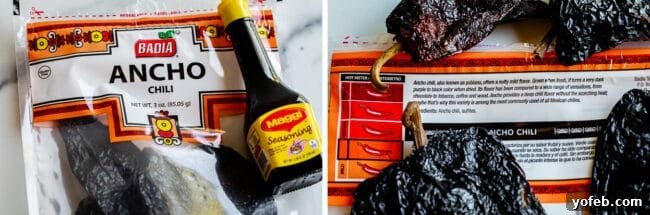
- Maggi Seasoning: Often described as the “Mexican soy sauce,” Maggi seasoning is a flavor enhancer that provides a deep, umami-rich, savory note to dishes. It elevates the meaty flavor of the steak to another level. You can usually find it in the international or Latin foods section of your grocery store. If not available, regular (not low-sodium) soy sauce makes an excellent substitute, offering a similar depth of flavor.
- Dried Ancho Chiles: These are simply dried poblano peppers. When dried, they turn a dark, almost black color and develop an incredibly aromatic, smoky, and slightly fruity flavor without much heat. Ancho chiles are a staple in traditional Mexican cooking and are truly what transforms this Carne Asada recipe from good to extraordinary. They contribute a complex sweetness and mild earthiness that powdered chili simply can’t replicate. While easy to find in many specialty stores or online, dried ancho chiles can be purchased online, or you can use dried ancho chili powder as a secondary substitute.
How to Master Carne Asada: Grilling and Stovetop Methods
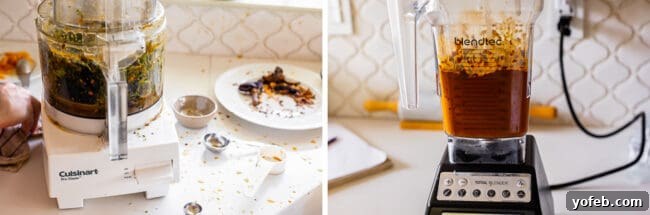
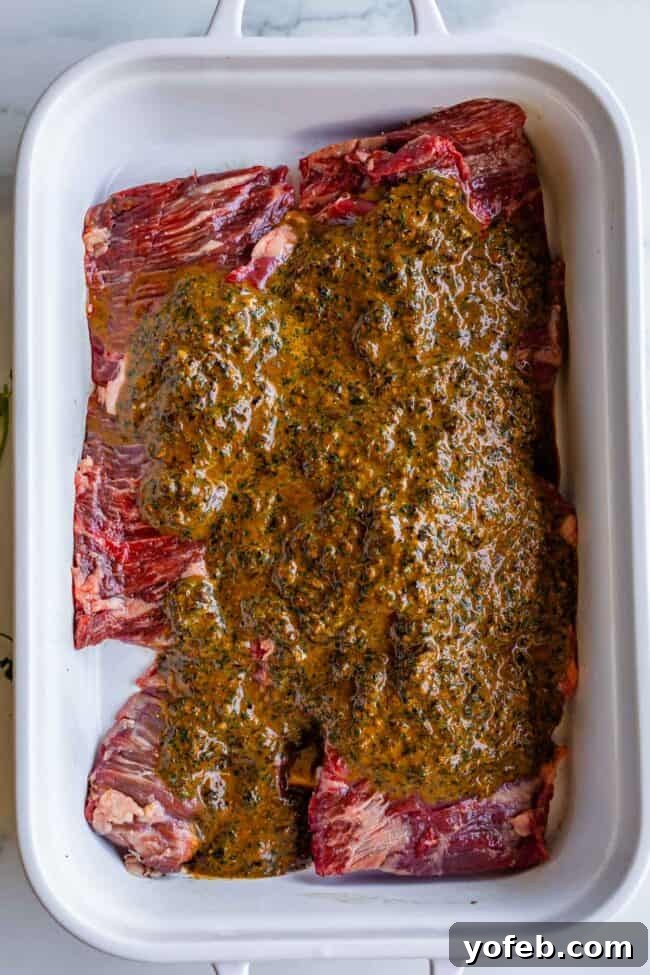
Preparing the dried ancho chiles is simple: just microwave them for 20-30 seconds until they become soft and pliable. Snip off the stem, remove the seeds, and add them directly to your marinade ingredients. For the smoothest marinade, combine all ingredients in a blender or food processor. Blend until mostly smooth; a little chunkiness is fine, as the ancho pepper bits will soften further as they marinate with the meat.
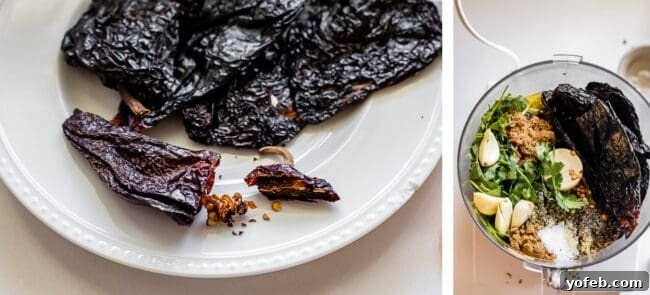
Always reserve about half a cup of the marinade before adding the meat. This fresh marinade can be served alongside your finished tacos for an extra burst of flavor. (Alternatively, once the meat is done marinating, you can scrape the used marinade into a pot, bring it to a boil for a few minutes to ensure food safety, and then serve it as a delicious sauce.)
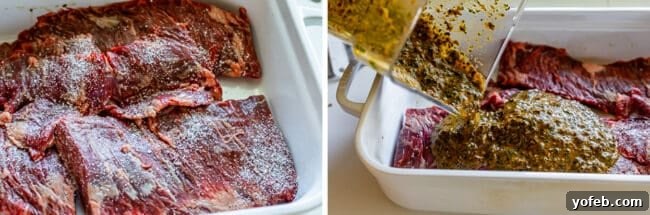
If you’re using a long cut of skirt steak (often two feet!), it’s practical to cut it into smaller, manageable 6-inch pieces *with the grain* before marinating. This makes grilling much easier than trying to maneuver a very long strip of meat on the grates. After grilling, you’ll slice these smaller steaks *against the grain*.
Once your steak has had ample time to marinate (ideally 12-24 hours), remove it from the marinade and let it rest at room temperature for about 30 minutes before grilling. This ensures more even cooking. Preheat your grill to high heat (450-500°F) for at least 15-20 minutes. Just before grilling, pat the steaks thoroughly dry with paper towels and brush them lightly with a neutral oil. Dry meat and a hot, oiled grill are essential for achieving a perfect sear and the Maillard reaction (browning), which locks in flavor.
Grilling Carne Asada to Perfection
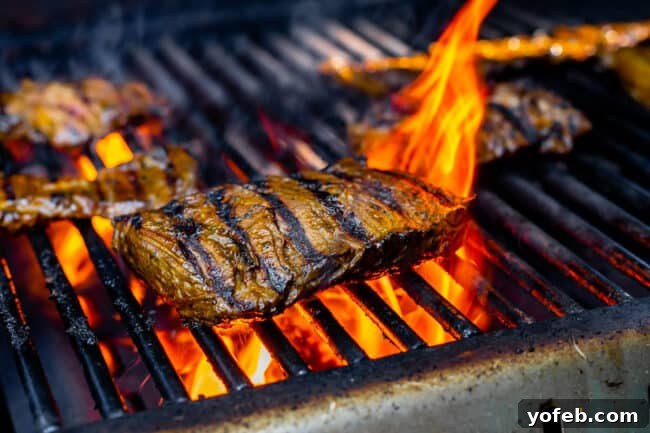
Outside skirt steak cooks incredibly fast due to its thinness. Grill each side for only 1-2 minutes over high heat. Look for a deep brown sear; this usually indicates a medium-rare center. For absolute certainty, use a meat thermometer and aim for about 115°F internal temperature (the meat will continue to cook as it rests). Once removed from the grill, tent the steak loosely with foil and let it rest for 10 minutes before slicing. This allows the juices to redistribute, ensuring a tender and moist final product.
Carne Asada Stovetop Instructions (No Grill? No Problem!)
Don’t have a grill? You can still achieve incredible Carne Asada using a heavy-bottomed skillet or cast iron pan on your stovetop. Follow all the marinade preparation steps, then slice the raw skirt steak into 6-8 inch pieces *with the grain* to fit your pan. Ensure you pat the meat dry before cooking.
- Heat: Place a large, heavy-bottom skillet over high heat for at least 3 minutes. Add about 2 tablespoons of neutral oil (like olive or canola) and wait for it to shimmer, indicating it’s hot enough.
- Sear: Immediately add the steak pieces to the hot pan, ensuring you don’t overcrowd it. Cook one or two pieces at a time, leaving at least 1.5 inches of space between them for proper searing. Press down on the steaks to ensure good contact with the pan surface.
- Flip: Sear for 2-4 minutes per side, depending on the thickness of your meat, until a deep brown crust forms.
- Rest and Slice: Cook to an internal temperature of about 130°F for medium-rare. Remove from heat, let the steaks rest for 5-10 minutes, then slice thinly against the grain and serve.
Expert Tips for Unforgettable Carne Asada
- Pre-Salt Your Steak: Before adding the marinade, generously sprinkle your steak with kosher salt. Salt not only enhances flavor but also acts as a tenderizer, helping to break down muscle fibers for a more succulent result. This is a crucial step!
- Optimal Marination Time: While some recipes caution against long marination due to acidity, beef is resilient. For the best flavor penetration and tenderness with thin cuts like skirt or flank steak, aim for a 12-24 hour marinade. A minimum of 4 hours is acceptable, but extended marination truly allows the flavors to meld and the meat to tenderize. Marinating longer than 24 hours can, however, lead to a slightly mushy texture, so stick within this window.
- Grill Whole, Slice After Resting: Always cook your steak as a whole piece (or in larger 6-inch sections if you cut it pre-marinade) and slice it *after* it has rested. Slicing raw meat before cooking allows precious juices to escape, leading to drier steak. Resting the cooked meat, loosely tented with foil, for 10 minutes allows the muscle fibers to relax and reabsorb juices, resulting in a significantly more tender and moist outcome.
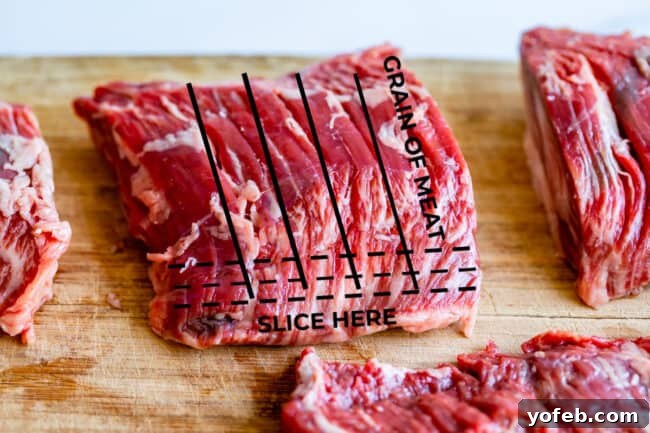
- Master the Art of Cutting Against the Grain: This is arguably the most critical step for tender Carne Asada, especially with cuts like skirt steak which have long muscle fibers. Slicing against the grain shortens these fibers, making each bite much easier to chew and preventing a tough, stringy texture.
How to Cut Skirt Steak Against the Grain
Visualizing the grain before cooking can be helpful, even though you’ll slice after. Look closely at the raw steak; you’ll see visible lines running in one direction—that’s the grain. Your goal is to cut perpendicular to these lines, ideally at a 45-degree angle (on the bias) to increase tenderness and surface area.
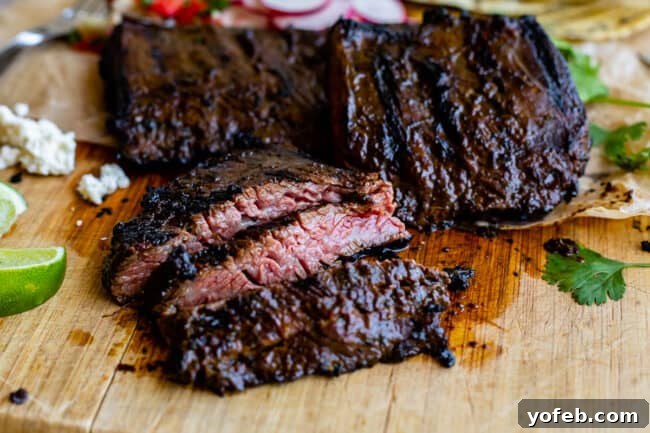
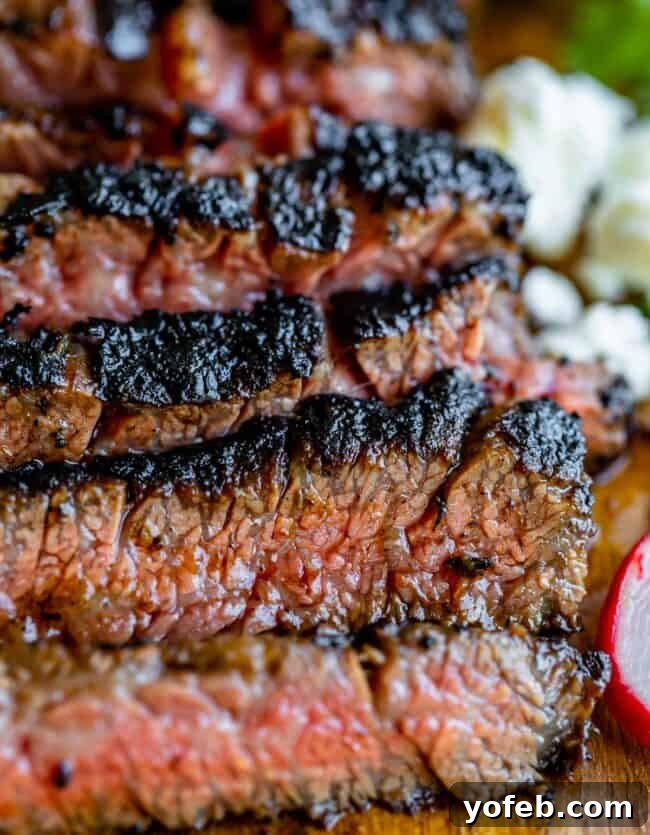
When you slice the cooked steak, you should see small squares or rectangles rather than long, stringy strands. This indicates you’ve successfully cut against the grain, ensuring a wonderfully tender texture in every bite. Proper slicing makes a world of difference, transforming a potentially tough piece of meat into a succulent culinary delight.
Serving Suggestions: What to Pair with Carne Asada
Once your perfectly grilled Carne Asada is sliced and ready, it’s time for the ultimate payoff: assembling your masterpieces! For traditional tacos, layer two warm, charred corn tortillas with generous strips of the juicy, tender steak. Then, let the fiesta begin with an abundance of vibrant toppings:
- Fresh Pico de Gallo
- Finely diced white onions for a sharp bite
- Creamy guacamole or sliced avocado
- A sprinkle of fresh cilantro
- Your favorite spicy or mild salsa
- Thinly sliced radishes for crunch and a peppery zest
- Fresh lime wedges for a final squeeze of acidity
- Crumbled cotija or queso fresco cheese
- A dollop of sour cream or Mexican crema
- And don’t forget that extra reserved mojo sauce from the marinade for an added layer of flavor!
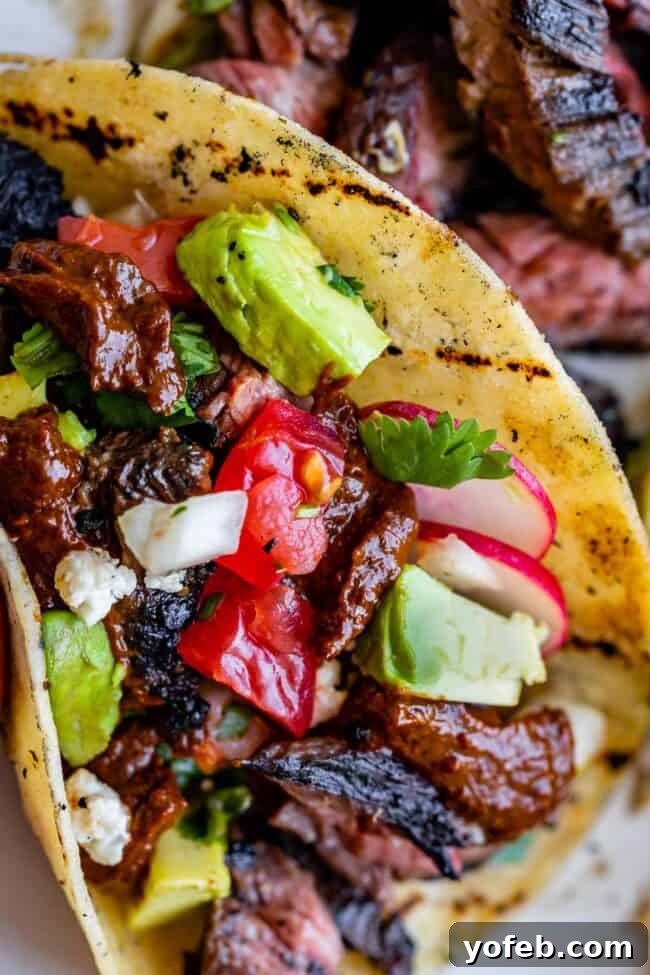
To complement your Carne Asada feast, consider serving refreshing beverages like Virgin Piña Coladas or a creamy Vanilla Bean Horchata. For a heartier meal, traditional sides such as rice and pinto beans are always a hit. This ultimate Carne Asada recipe promises to be a memorable summer dinner!
Storage and Reheating Carne Asada
Properly storing and reheating Carne Asada ensures you can enjoy its deliciousness for days to come.
How to Store Carne Asada Steak
Store leftover cooked Carne Asada in an airtight container in the refrigerator for up to 3-4 days. For longer storage, you can freeze it in a freezer-safe bag or container for up to 2-3 months. Thaw frozen meat in the refrigerator overnight before reheating.
How to Reheat Carne Asada
To maintain tenderness and flavor, reheat Carne Asada gently and quickly:
- Microwave (Fastest Method): Place an individual portion of meat on a microwave-safe plate, cover it with a damp paper towel, and microwave in 30-second intervals until just warmed through. Be careful not to overcook, as this can quickly make the meat tough.
- Stovetop (Best for Quality): Heat a heavy-bottomed skillet over medium-high heat and lightly spray with nonstick spray or add a touch of oil. Add the sliced meat (or whole steak if reheating a single piece) and cook, stirring frequently if in strips, for 1-2 minutes per side or until warmed through. This method offers more control and helps prevent overcooking.
Creative Ideas for Leftover Carne Asada Steak
Leftover Carne Asada is incredibly versatile and can be transformed into a variety of delicious meals:
- Burrito Bowls: Combine with rice, beans, corn, guac, sour cream, and salsa for a satisfying bowl.
- Nachos: Elevate your nacho game by replacing chicken with shredded Carne Asada in recipes like Easy Rotisserie Chicken Nachos.
- Burritos/Quesadillas: Substitute sweet pork with Carne Asada in Cafe Rio-style burritos, or simply fry up buttered tortillas with cheese and Carne Asada for quick quesadillas.
- Enchiladas: Use it as a flavorful filling in your favorite enchilada recipe, perhaps in a Creamy Chicken Enchiladas adaptation.
- Cheesesteak Sandwiches
- Loaded Carne Asada Fries
Carne Asada FAQs: Your Questions Answered
Here are some frequently asked questions about making delicious Carne Asada:
Do you cut Carne Asada before or after cooking?
Always cut Carne Asada *after* cooking and allowing it to rest. This crucial step helps to retain all the flavorful juices within the steak, resulting in a much more tender and moist outcome. Slicing raw meat allows juices to escape during cooking, leading to a drier product.
How do you keep Carne Asada juicy?
To ensure your Carne Asada remains wonderfully juicy:
- Slice After Cooking: As mentioned, never slice the meat raw. Let it cook whole.
- Rest the Meat: After grilling, always let the steak rest for at least 5-10 minutes (tenting with foil) before slicing. This allows the muscle fibers to relax and reabsorb juices.
- Don’t Overcook: Use a meat thermometer to cook to the desired doneness (medium-rare to medium is ideal for tenderness).
- Store Properly: Seal leftovers tightly to prevent moisture loss.
What is the difference between steak and Carne Asada?
There isn’t a fundamental difference in the meat itself. “Steak” is a general term for a cut of beef. “Carne Asada” specifically refers to beef steak that has been marinated, grilled, and then typically sliced or chopped into pieces for dishes like tacos, burritos, or served as a main dish. In essence, all Carne Asada is steak, but not all steak is Carne Asada.
Is Carne Asada the same as fajitas?
No, while they often use similar cuts of beef (like skirt steak), Carne Asada and fajitas are distinct dishes. Carne Asada focuses on grilled, marinated steak, usually served as strips or chopped pieces in tacos. Fajitas typically involve strips of marinated meat (beef, chicken, or shrimp) seared on a stovetop or griddle with bell peppers and onions, served sizzling with tortillas and various toppings.
Why is Carne Asada sometimes chewy?
Chewy Carne Asada is often a result of one or more factors:
- Poor Cut of Meat: Using a cheap cut with less marbling or tougher muscle fibers can lead to chewiness.
- Incorrect Slicing: The most common culprit! If the meat is not sliced thinly *against the grain*, even a perfectly cooked steak can be tough and fibrous.
- Overcooking: Cooking the steak beyond medium-rare or medium can dry it out and make it tough.
- Insufficient Marination: A short marination time might not allow enough tenderization and flavor penetration.
Our recipe and tips are designed to help you avoid these pitfalls, ensuring a consistently tender and delicious Carne Asada.
Skirt Steak: Outside Skirt vs. Inside Skirt
Understanding the difference between outside and inside skirt steak is key to choosing the best option for your Carne Asada:
- Outside Skirt Steak: Sourced from the diaphragm of the cow, this cut is long, narrow (3-4 inches wide), and thin (1/2 to 1 inch thick), typically around 2 feet in length. It boasts a very fine grain and is richly marbled with fat, making it exceptionally tender and flavorful when cooked quickly over high heat. Traditionally used for fajitas, it’s a prime cut but can be challenging to find (only two per cow, often sold to restaurants).
- Inside Skirt Steak: From the abdominal muscle, this cut is also long (around 2 feet) but wider (5-7 inches) than the outside skirt. Its grain is coarser and it has less marbling, which generally results in a less tender (potentially chewier) texture compared to outside skirt. It’s more common and less expensive at grocery stores.
If your grocery store simply labels it “skirt steak,” ask the butcher which type it is. A higher price usually indicates outside skirt. For a visual comparison, you can find many helpful videos online (e.g., searching “inside vs outside skirt steak comparison”).
More Summer Grilling Recipes You Will Love!
- How to Cook Flank Steak — Discover how this lean cut can be incredibly tender when cooked just right.
- How to Cook Tri Tip — A fantastic choice for special occasions, celebrated for its rich flavor.
- How to Cook Ribeye Steak with Garlic Butter — A cast iron pan makes all the difference for a perfect sear.
- Simply Amazing Grilled Chicken — Master a delicious grilled chicken with simple pantry ingredients.
- Grilled Chili Lime Pork Tenderloin from A Farmgirl’s Dabbles
Explore More Mexican Recipes!
- Seriously The Best Taco Salad Recipe — Excellent with taco meat, or even better with leftover Carne Asada!
- Traditional Tejano Pinto Beans — A perfect, comforting side dish for your Carne Asada.
- Pozole Rojo like Abuela’s — An authentic, flavorful pork and hominy soup.
- Mexican Street Corn Dip — The ultimate appetizer for any Mexican-themed meal.
- Chicken Flautas (Taquitos) — Crispy and savory, these are worth the effort.
- Beer Battered Fish Tacos — A fantastic alternative to beef tacos.
- Chicken Enchiladas with White Sauce from Simply Home Cooked
- Taco Pasta from Julie’s Eats and Treats
Facebook |
Pinterest |
Instagram
Carne Asada Steak Recipe
This Carne Asada recipe will deliver the most tender, juicy, and flavorful steak you’ve ever had, guaranteed to impress and rival your favorite Mexican restaurant.
- Prep Time: 30 mins
- Cook Time: 5 mins
- Marinating Time: 6-24 hrs
- Total Time: 6 hrs 35 mins
- Servings: 6
Equipment:
- Grill (gas or charcoal)
- Blender or food processor
Ingredients
For the Marinade:
- 1 tablespoon orange zest (from at least 2 oranges)
- ¾ cup fresh squeezed orange juice
- 3 tablespoons fresh squeezed lime juice
- ¼ cup olive oil
- 3 tablespoons Maggi seasoning (or soy sauce)
- 5 cloves garlic
- 1 small bunch cilantro (about 1 cup)
- 2 tablespoons dried oregano
- 2 tablespoons brown sugar, packed
- 2 teaspoons cumin
- 1 ½ teaspoons kosher salt (for the marinade)
- 1 teaspoon black pepper (for the marinade)
- 2 ounces dried ancho chilies (usually 4-5 chiles, or 2 tablespoons dried ancho chili powder)
- 2 pounds outside skirt steak* (see notes for alternative cuts)
- 2 teaspoons kosher salt (for salting the steak before marinating)
For Grilling:
- Neutral oil (such as canola or vegetable)
- 24 corn tortillas
To Assemble:
- 1 batch Pico de Gallo
- 1 batch Restaurant Style Salsa (or store-bought)
- Guacamole or sliced avocado
- Radishes, thinly sliced
- Cilantro, chopped
- Lime wedges
- Queso fresco or cotija cheese
- Sour cream or Mexican Crema
- Extra mojo sauce (from marinade), to garnish (optional)
Instructions
- Choose Your Beef: Select your preferred cut of beef. Outside skirt steak is highly recommended for tenderness and flavor. Ensure it has good marbling.
- Prepare the Marinade: In a blender, combine orange zest, orange juice, lime juice, olive oil, Maggi seasoning (or soy sauce), garlic, cilantro, oregano, brown sugar, cumin, 1 ½ teaspoons kosher salt, and black pepper.
- Prepare Ancho Chiles: Microwave dried ancho chiles for 30 seconds until pliable. Snip off stems, remove seeds, tear into strips, and microwave again for 20 seconds. Add them to the blender with other marinade ingredients and blend until mostly smooth.
- Reserve Marinade: Pour ½ cup of the blended marinade into a separate container and refrigerate. This will be served as an optional garnish with the finished tacos.
- Cut the Steak: Unroll the outside skirt steak. For easier grilling, use a sharp knife to cut the meat into 6-inch long steaks, slicing WITH the grain. This also helps with even cooking and later slicing against the grain.
- Salt the Steak: Place the cut steaks in a large casserole dish or ziplock bag. Sprinkle 2 teaspoons of kosher salt evenly over both sides of the steaks. This tenderizes the meat and enhances flavor.
- Marinate the Steak: Pour the main marinade over the salted steaks, ensuring they are fully coated. Seal the bag or cover the dish and refrigerate for a minimum of 4 hours, and ideally 12-24 hours, for best results.
- Prepare Garnishes: Before grilling, prepare all your desired garnishes: make Pico de Gallo, salsa, guacamole, slice radishes, chop cilantro, cut lime wedges, and crumble queso fresco. Set out sour cream and the reserved mojo marinade.
- Preheat Grill: Preheat your grill to high heat (450-500°F) for at least 20 minutes.
- Prep Steak for Grilling: Remove steaks from the marinade. Discard the used marinade, or if you wish to serve it as a sauce, boil it in a small pot for 3-5 minutes. Pat each steak thoroughly dry with paper towels to ensure a good sear. Let steaks sit at room temperature for 20-30 minutes while the grill preheats.
- Oil Grill Grates: Just before grilling, lightly oil the hot grill grates to prevent sticking. Brush each steak lightly with a neutral oil.
- Grill the Steak: Place steaks on the preheated grill. Close the lid (if using gas) and set a timer for 1 minute. Check for significant browning; if present, flip the steak. Cook for another 1-2 minutes on the second side. For outside skirt steak, browning on both sides typically indicates medium-rare doneness. Use a meat thermometer to aim for 115°F for medium-rare, as it will continue cooking while resting.
- Rest the Meat: Remove cooked steaks from the grill and place them on a cutting board. Tent loosely with foil and let rest for 10 minutes to redistribute juices.
- Char Tortillas: While the meat rests, brush corn tortillas lightly with oil (you can mix a little reserved mojo marinade with oil for extra flavor). Char tortillas on the grill for about 30 seconds per side, until they begin to bubble and lightly brown. Wrap charred tortillas in a tea towel to keep them warm and pliable.
- Slice Carne Asada: Slice the rested carne asada into very thin strips. Crucially, slice AGAINST the grain and on a 45-degree bias. You should see a pattern of small squares or rectangles across the cut surface, not long strands, indicating proper slicing for maximum tenderness.
- Assemble Tacos: Layer two charred tortillas on a plate. Top generously with sliced carne asada, Pico de Gallo, salsa, guacamole, radishes, cilantro, lime wedges, queso fresco, sour cream, and a drizzle of extra (cooked) mojo marinade, if desired. Serve immediately and enjoy!
Notes
What other cuts of beef can I use for carne asada?
If outside skirt steak is unavailable or too expensive, here are preferred alternatives:
- Inside skirt steak
- Flap meat (also known as sirloin bavette or sirloin tip)
- Flat iron steak
- Flank steak (must be cooked to medium-rare to avoid toughness)
For all cuts on this list (except outside skirt), adjust grilling instructions based on thickness. Typically, you’ll need to sear on both sides over high heat, then potentially lower the heat to finish cooking the inside to your desired doneness (refer to resources like our “How to Cook Flank Steak” guide for more details on these cuts).
Nutrition (per serving)
- Calories: 587kcal
- Carbohydrates: 58g
- Protein: 40g
- Fat: 23g
- Saturated Fat: 6g
- Trans Fat: 1g
- Cholesterol: 95mg
- Potassium: 787mg
- Fiber: 8g
- Sugar: 8g
- Vitamin A: 214IU
- Vitamin C: 20mg
- Calcium: 145mg
- Iron: 5mg
Details
- Course: Main Course
- Cuisine: Mexican
- Keywords: Carne Asada, Mexican, Skirt Steak, Tacos
Did you make this? I’d love to see it!
Mention @thefoodcharlatan or tag #thefoodcharlatan!