
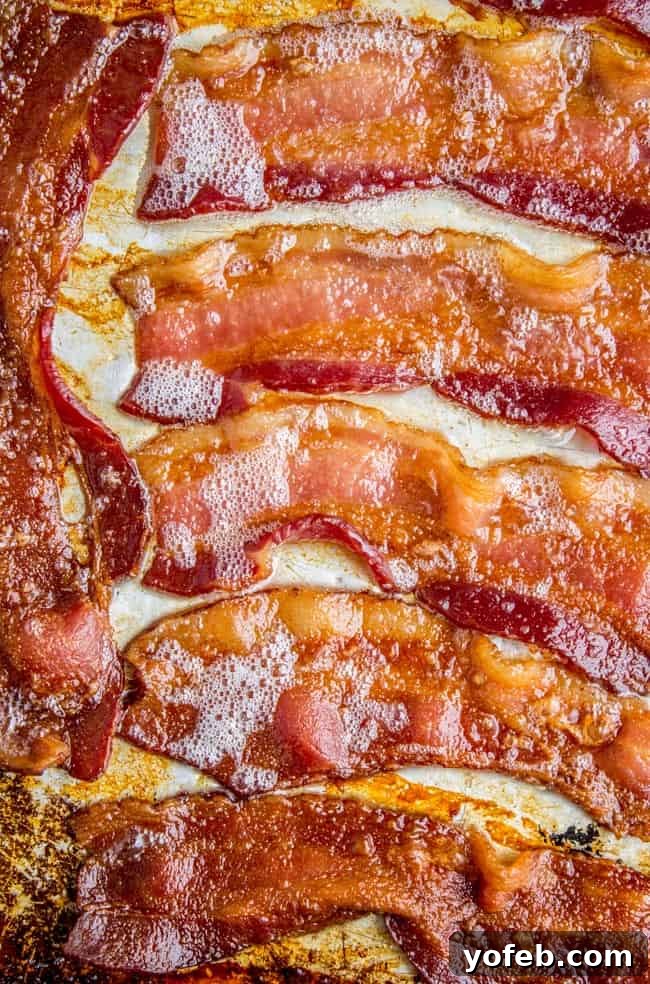
Say goodbye to grease splatters and constant flipping! Baking bacon in the oven is not only incredibly easy but also the most efficient way to achieve perfectly crispy strips every single time. Whether you’re cooking for a hungry crowd or simply meal-prepping for the week, this method allows you to prepare a whole pan at once, hands-free. Discover how effortless it is to bake bacon and why you’ll never go back to the stovetop. Originally published June 4, 2017.
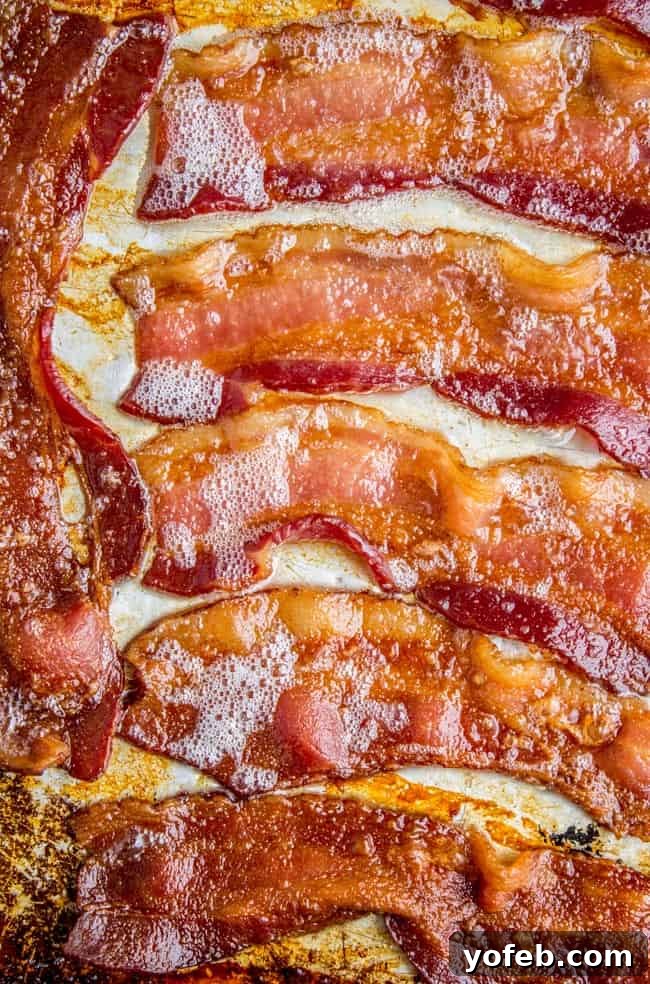
Table of Contents
- The Ultimate Guide to Baking Bacon
- Why You Should Always Bake Your Bacon
- Step-by-Step: How to Cook Bacon in the Oven
- Bacon Baking Temperature: The Secret to Perfection
- Storing and Reheating Baked Bacon
- Frequently Asked Questions About Oven Baked Bacon
- Delicious Recipes to Make with Oven Baked Bacon
- How to Bake Bacon in Oven Recipe
In our busy lives, finding simple shortcuts in the kitchen can be a game-changer. Imagine a morning where you can whip up a fantastic breakfast without being chained to the stove, or prepare a party appetizer that impresses with minimal effort. That’s where oven-baked bacon steps in. It’s a method that consistently delivers superior results with less mess and more freedom, freeing you up to enjoy those precious moments with family, like a morning sword fight with your son or tackling your extensive “to-do” list.
Balancing work, family, and personal time can feel like a constant juggling act. Many of us, especially working parents, constantly re-evaluate our priorities, trying to ensure our focus is where it truly belongs. This quest for work-life balance often means seeking efficiency in every corner of our day, including the kitchen. That’s why smart, time-saving cooking methods like baking bacon are so invaluable. They’re small victories that contribute to a more harmonious daily routine, allowing us to “work to live, not live to work.”
The Ultimate Guide to Baking Bacon
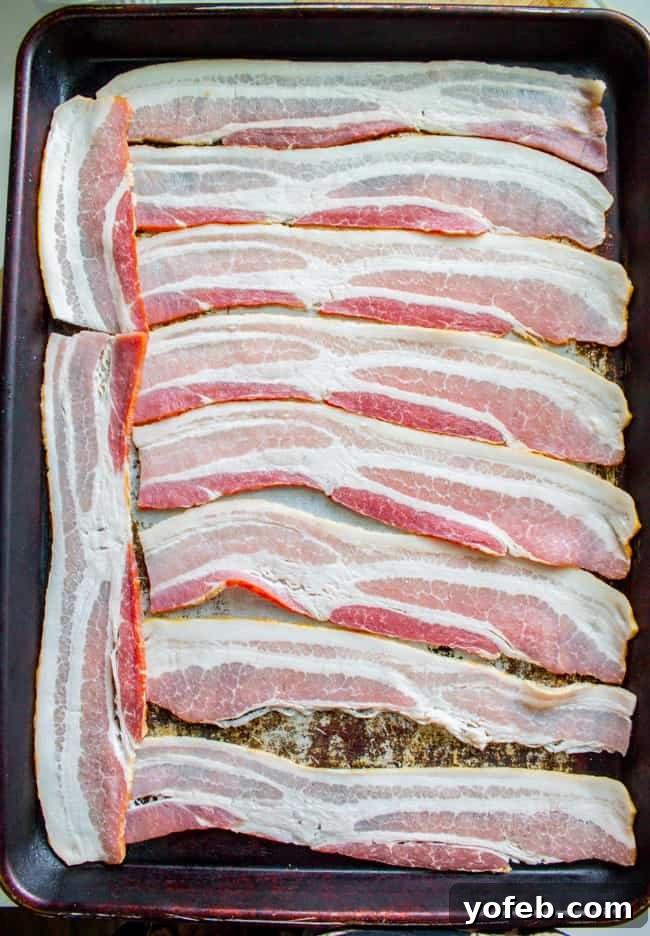
If you’ve ever found yourself lamenting a greasy kitchen or unevenly cooked bacon after a session over the hot stove, this guide is for you. Baking bacon in the oven is not just a cooking method; it’s a revelation. It transforms the often-dreaded task of cooking bacon into a seamless, mess-free, and incredibly efficient experience. By simply laying out your bacon on a sheet pan and letting the oven do all the work, you unlock a world of culinary convenience and consistently delicious results. Get ready to discover why this method will become your new favorite way to prepare bacon.
Why You Should Always Bake Your Bacon
Once you try baking bacon in the oven, you’ll understand why it’s the preferred method for so many home cooks and professional chefs. Here are compelling reasons why this technique stands out:
- Eliminates Splatter & Mess: This is arguably the biggest advantage. No more standing guard over a spitting pan, dodging hot grease, or scrubbing oily countertops. The oven contains all the mess, keeping your kitchen pristine. It’s a game-changer for cleanliness!
- Perfect for Meal Prep and Batch Cooking: Easily cook an entire package of bacon at once. This is fantastic for feeding a crowd during brunch or preparing a week’s worth of bacon for sandwiches, salads, or quick breakfasts. You can even cook it ahead and reheat it later.
- Hands-Off Cooking: Unlike stovetop bacon that demands constant attention and flipping, oven bacon allows you to simply place it in the oven, set a timer, and walk away. This frees up your stovetop for other breakfast essentials like pancakes or eggs, and your time for other tasks.
- Achieves Perfectly Straight Strips: For those who appreciate presentation, oven-baked bacon cooks flat and straight. This uniform shape is ideal for crafting perfect BLTs, impressive garnishes, or as a flawless side for any breakfast platter.
- No Flipping Required: The circulating heat in the oven cooks both sides of the bacon simultaneously and evenly, eliminating the need to flip each strip. This further contributes to the hands-off nature of the method and consistent crispiness.
- Skip the Cooling Rack – It Works Better Without: Many recipes suggest baking bacon on a cooling rack set over a sheet pan to allow grease to drip away. However, bacon actually benefits from cooking in its own rendered fat, which helps it crisp up beautifully and quickly. Plus, cleaning greasy cooling racks is a chore. Baking directly on the pan yields faster, crispier results and easier cleanup.
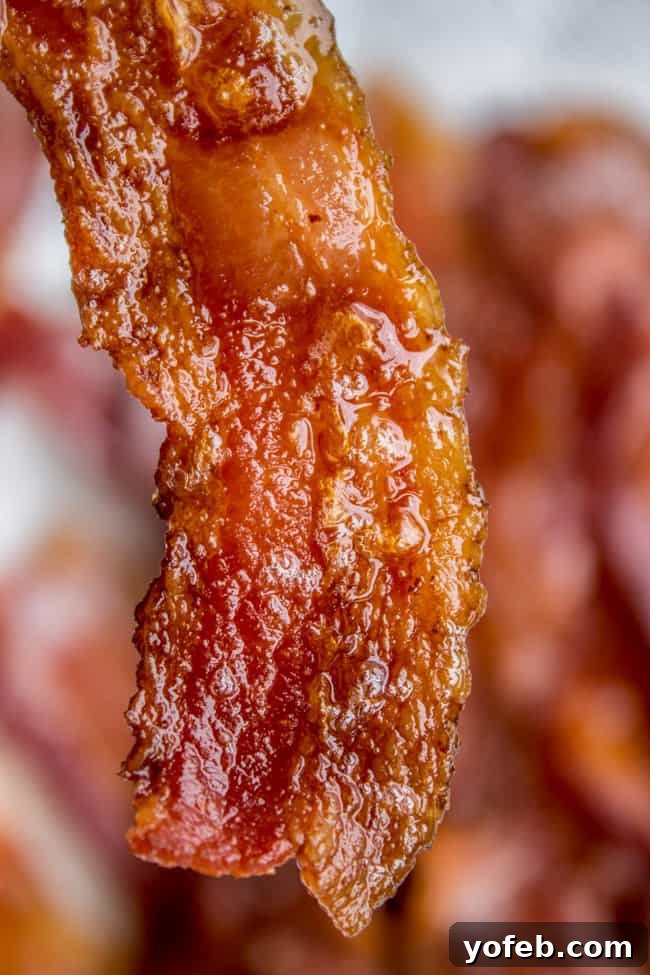
- Remarkably Fast Cooking Time: Forget the 20-40 minute cook times often associated with cooling rack methods. With the right temperature and direct pan contact, regular-cut bacon can be perfectly crispy in just 10-12 minutes, while thick-cut bacon usually takes only 12-15 minutes. It’s surprisingly quick!
- Raw Bacon is Freezer-Friendly: Always keep a stash of bacon in your freezer. It thaws incredibly fast in the microwave or even on the counter while your oven preheats, making spontaneous bacon cravings easy to satisfy.
- A Fun Fact About Bacon: Did you know a slice of bacon can be as low as 50 calories? While not directly related to baking, it’s a pleasant reminder that bacon can be enjoyed as part of a balanced diet. (Always check your specific bacon’s nutrition label for accurate information!)
- Invest in High-Quality Bacon: The type of bacon truly matters. Opt for high-quality, preferably locally sourced bacon when possible. The flavor and texture difference are noticeable and well worth the extra cost for a superior eating experience.
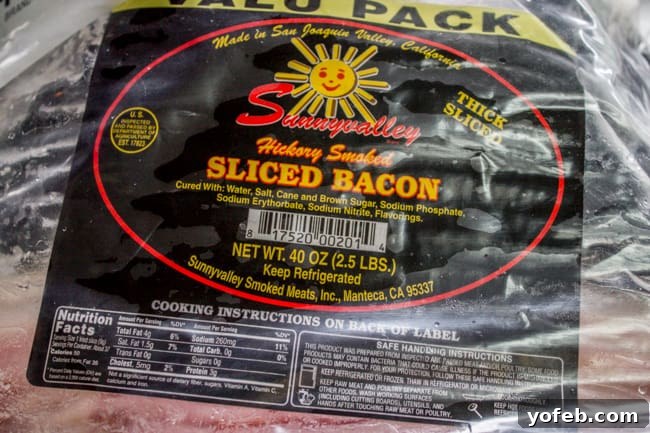
Choosing high-quality bacon can truly elevate your meal. Look for brands that are known for their rich flavor and good meat-to-fat ratio. Locally sourced bacon often offers superior taste and supports community businesses.
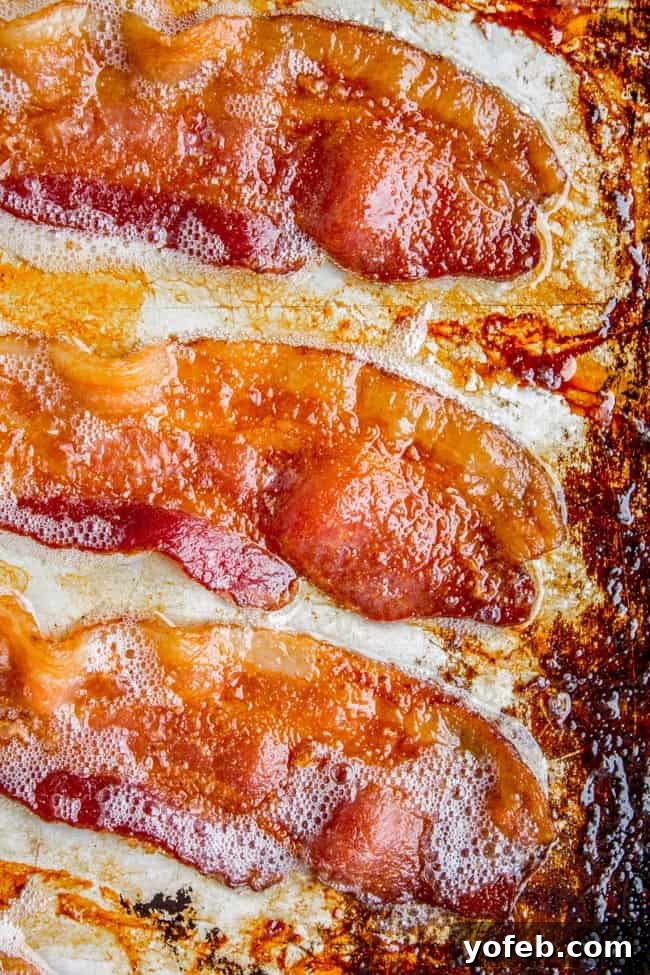
Step-by-Step: How to Cook Bacon in the Oven
Baking bacon is incredibly straightforward. Follow these simple steps for consistently perfect results:
- Preheat Your Oven: Start by preheating your oven to a precise 400 degrees F (200 degrees C). A hot oven is crucial for achieving that desired crispiness quickly.
- Prepare Your Baking Sheet: Line a large baking sheet with aluminum foil. While optional, this step makes cleanup incredibly easy, especially when dealing with bacon grease. Make sure the foil covers the edges to prevent grease from seeping onto the pan. You can also use parchment paper, but foil is often more durable for heavier bacon.
- Arrange the Bacon: Lay the bacon strips in a single layer on the prepared baking sheet. It’s okay if the strips are close together or slightly touching, as they will shrink as they cook. However, avoid overlapping them significantly, as this can lead to uneven cooking. If cooking a large quantity, use two baking sheets.
- Bake to Perfection: Place the baking sheet on the middle rack of your preheated oven. Bake for 10-14 minutes, adjusting the time based on the thickness of your bacon and your preferred level of crispiness. Thinner bacon will cook faster, while thick-cut varieties will take a bit longer. Keep a close eye on it after 10 minutes to prevent burning.
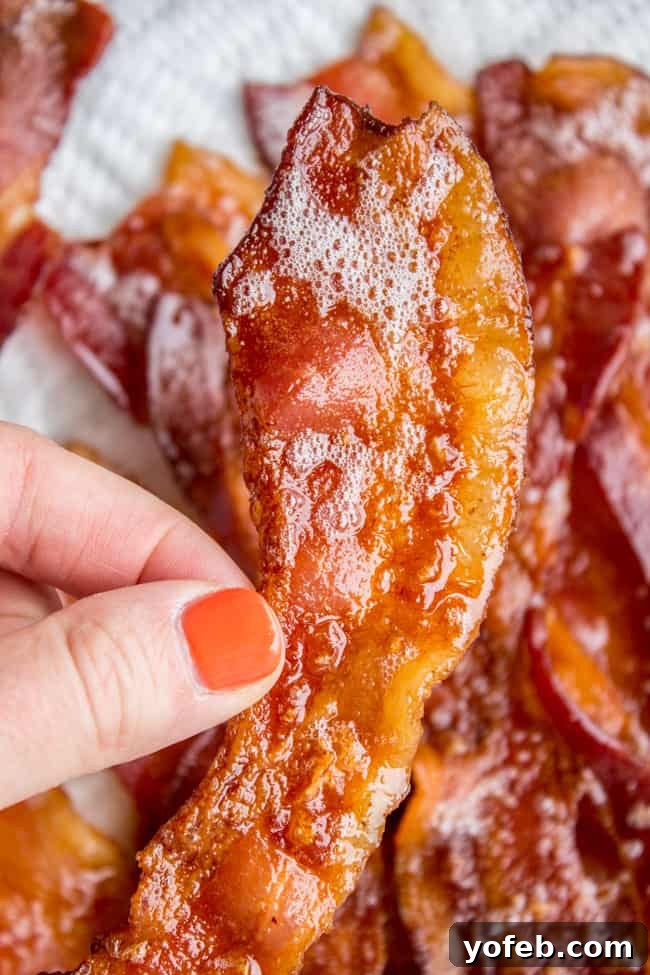
- Drain and Serve: Once the bacon reaches your desired crispiness, carefully remove the pan from the oven. Transfer the cooked bacon strips to a plate lined with paper towels to absorb any excess grease. This step is key for extra crispy bacon.
- Save the Grease (Optional but Recommended): Don’t discard that flavorful bacon fat! Carefully pour the rendered grease into a heatproof container, such as a glass jar, through a fine-mesh strainer if you want it extra clean. Once cooled, store it in the refrigerator. Bacon grease adds incredible flavor to many dishes, from fried eggs and roasted vegetables to cornbread.
Bacon Baking Temperature: The Secret to Perfection
The ideal temperature for baking bacon is 400 degrees F (200 degrees C). This temperature provides a perfect balance, allowing the fat to render slowly and evenly while the meat crisps up beautifully, without scorching. While some recipes suggest lower temperatures for a slower cook or higher temperatures for super-fast results, 400°F consistently delivers that coveted crispy-yet-chewy texture without excessive smoking or burning.
At 400°F, you can expect:
- Even Rendering: The fat melts gradually, coating the bacon and promoting even browning.
- Crispy Texture: The higher heat quickly crisps the bacon without drying it out completely.
- Reduced Smoke: Compared to higher temperatures, 400°F is less likely to produce excessive smoke.
- Quick Cooking: It’s fast enough to be convenient for busy mornings, typically done in 10-15 minutes.
Going much lower, say 350°F, can result in chewier bacon that takes longer to crisp. Going much higher, like 425°F or 450°F, risks burning the bacon quickly before the fat has fully rendered, potentially leading to a more brittle and less flavorful result.
Storing and Reheating Baked Bacon
Cooked bacon, while best enjoyed fresh, can certainly be stored and reheated. However, its texture will naturally change slightly upon refrigeration. To maintain as much crispness as possible, here’s the best approach:
- Storage: Once the bacon has cooled completely, wrap individual strips or small portions in a paper towel to absorb any residual moisture. Then, place the paper towel-wrapped bacon in an airtight container or a resealable plastic bag. Store it in the refrigerator for up to 4-5 days.
- Reheating in the Microwave: For a quick reheat, place the paper towel-wrapped bacon on a microwave-safe plate. Heat in 15-30 second intervals, checking for warmth and crispness. The paper towel will help absorb moisture, preventing the bacon from becoming rubbery.
- Reheating in the Oven/Toaster Oven: For best results, especially if you want to restore some of its original crispiness, reheat bacon in a preheated oven or toaster oven. Place the bacon on a baking sheet and heat at 350°F (175°C) for 5-8 minutes, or until warmed through and crispy.
- Reheating on the Stovetop: You can also quickly crisp up refrigerated bacon in a skillet over medium heat for 1-2 minutes per side.
If you plan to cook bacon ahead for an event, consider under-baking it by a minute or two initially. This allows you to finish crisping it up right before serving, ensuring it’s at its peak texture.
Frequently Asked Questions About Oven Baked Bacon
Absolutely not! One of the greatest benefits of baking bacon in the oven is that it’s a completely hands-off process. The circulating hot air in the oven cooks both sides of the bacon evenly, so there’s no need to flip it. Simply set your timer and let the oven do its magic.
Yes, you absolutely can! While lining your pan with aluminum foil or parchment paper is recommended for super easy cleanup, it’s not strictly necessary for cooking the bacon itself. You can place the bacon directly on an ungreased baking sheet. Just be prepared for a bit more scrubbing during cleanup, as the rendered bacon grease will bake onto the pan.
For most people, bacon is significantly better when cooked in the oven, and here’s why:
No Splatter, No Mess: The oven keeps all the grease contained, eliminating countertop splatters and making cleanup much easier. On the stovetop, grease splatters are inevitable.
Even Cooking: The oven’s consistent heat cooks every strip of bacon evenly, resulting in uniform crispiness from end to end. Pan-fried bacon often has unevenly cooked spots.
Hands-Off Method: Once the bacon is in the oven, you’re free to prepare other dishes or relax. Stovetop cooking requires constant vigilance and flipping.
Batch Cooking: You can cook an entire package of bacon on a single sheet pan (or two, using different racks) in the oven, which is far more efficient than cooking a few strips at a time in a skillet.
No Curling: Oven-baked bacon typically cooks flat and straight, making it perfect for sandwiches and presentation, unlike stovetop bacon that often curls.
The cooking time depends primarily on the thickness of your bacon and your desired level of crispiness.
- For regular-cut bacon, expect 10-12 minutes.
- For thick-cut bacon, it will typically take 12-15 minutes.
Always check on your bacon after 10 minutes and adjust the time as needed. For extra crispy bacon, you might add another minute or two, but watch it closely to prevent burning.
While it’s generally best to thaw bacon first for the most even cooking and crispiness, you can technically bake frozen bacon in the oven. However, it will take longer (add about 5-10 minutes to the usual baking time) and may not crisp up as uniformly. If baking from frozen, separate the strips as much as possible before placing them on the pan.
Bacon fat is liquid gold in the kitchen! Carefully pour the cooled grease into a heatproof, airtight container (like a mason jar) and store it in the refrigerator for several weeks. Use it to sauté vegetables, fry eggs, make cornbread, or add incredible depth of flavor to savory dishes.
Delicious Recipes to Make with Oven Baked Bacon
Oven-baked bacon is incredibly versatile and makes a fantastic addition to countless dishes. Here are some ideas to inspire your next meal:
- Easy BLT Pasta Salad – Perfect for summer gatherings and barbecues!
- Bacon and Goat Cheese Aioli Burger with Crispy Onions – Elevate your burger night with this gourmet combination.
- Cheesy Overnight Bacon and Egg Casserole – A crowd-pleasing breakfast or brunch dish, ideal for holidays.
- Overnight Bacon and White Cheddar Scones – The secret ingredient? Brushing the tops with bacon grease before baking for an unparalleled savory flavor.
- Bacon, Gouda, and Spinach Frittata – A healthy yet hearty option for any meal of the day.
- Deviled Eggs with Maple Candied Bacon – A sophisticated twist on a classic appetizer.
- A perfect side dish for any breakfast spread, alongside favorites like crepes, pancakes, waffles, or french toast!
- Oven Baked Bacon and Potatoes from Southern Plate – A comforting and easy one-pan meal.
Facebook | Pinterest | Instagram

How to Bake Bacon in Oven
5
10
15
8
Ingredients
- Any kind of bacon
- Sheet Pan
- Aluminum foil, optional, for easy cleanup
Instructions
-
Preheat your oven to 400 degrees F (200 degrees C).
-
Line your baking pan with aluminum foil for exceptionally easy cleanup. This step is optional, but highly recommended.
-
Lay out your bacon strips in a single layer on the prepared pan. There’s no need to grease the pan, as bacon releases its own fat as it cooks. Arrange the strips as close together as possible without overlapping.
-
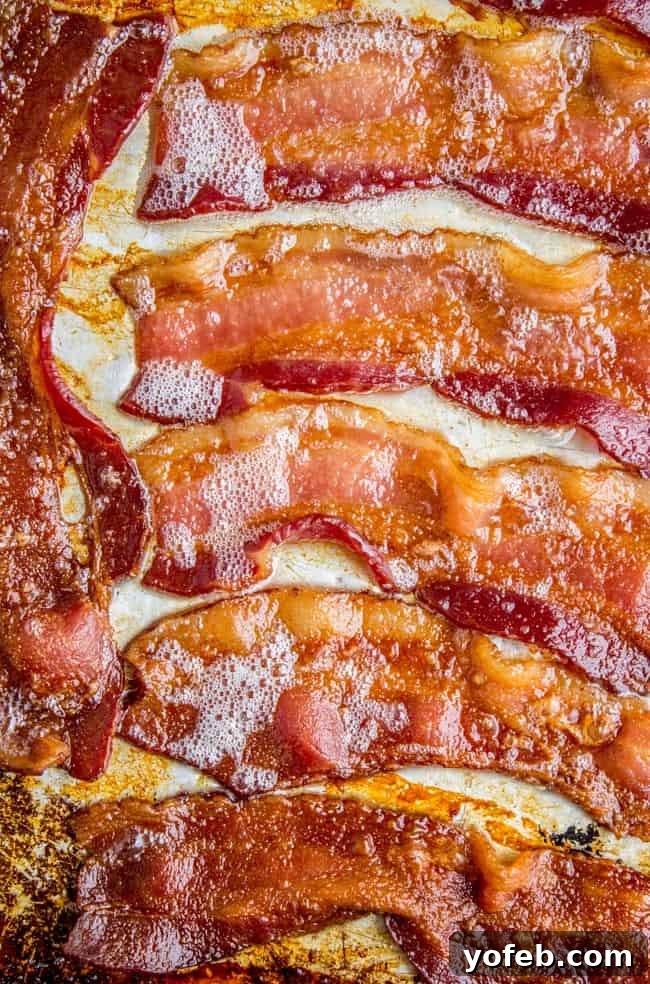
Bake on the middle rack at 400°F. For regular-cut bacon, it will take about 10-12 minutes. For thick-cut bacon, plan for 12-15 minutes. Begin checking for crispiness around the 10-minute mark and continue baking until it reaches your desired level of crispness. Feel free to remove one strip to test it.
-
Once done, carefully remove the bacon from the oven and transfer it to a plate lined with paper towels to absorb excess grease.
-
For maximum enjoyment and efficiency, always bake a full pan of bacon. Even if your recipe only calls for a few strips, bake extra! You’ll always find a reason to snack on it or use it in other meals throughout the week.
-
To elevate your cooking, funnel the rendered bacon grease into a mason jar and store it in the fridge. It’s fantastic for making the Best Pancake Recipe or for sautéing vegetables. It keeps well for several weeks in the refrigerator.
Notes
Cooked bacon is a fantastic make-ahead ingredient. Bake it before an event or for weekly meal prep, store it in the fridge, then simply reheat on a paper towel-lined plate in the microwave or oven just before serving. If making ahead, you might want to slightly under-bake the bacon initially so it reaches perfect crispiness upon reheating.
Nutrition
Carbohydrates: 1g |
Protein: 7g |
Fat: 22g |
Saturated Fat: 7g |
Polyunsaturated Fat: 4g |
Monounsaturated Fat: 10g |
Trans Fat: 1g |
Cholesterol: 36mg |
Potassium: 109mg |
Vitamin A: 20IU |
Calcium: 3mg |
Iron: 1mg
Did you make this? I’d love to see it!
Mention @thefoodcharlatan or tag #thefoodcharlatan!