
Easy Homemade Basil Pesto: Your Ultimate Guide to Fresh, Vibrant Flavor
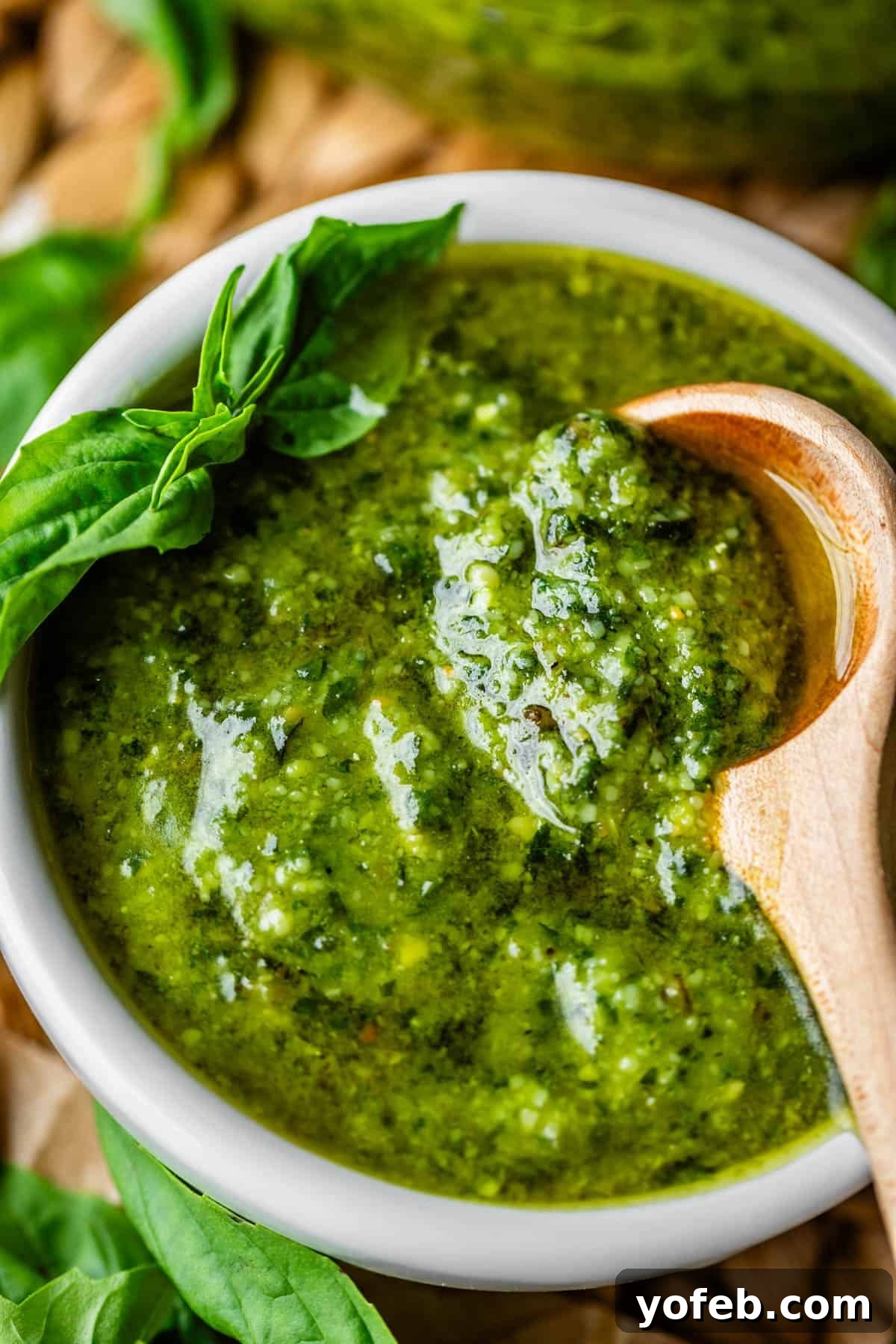
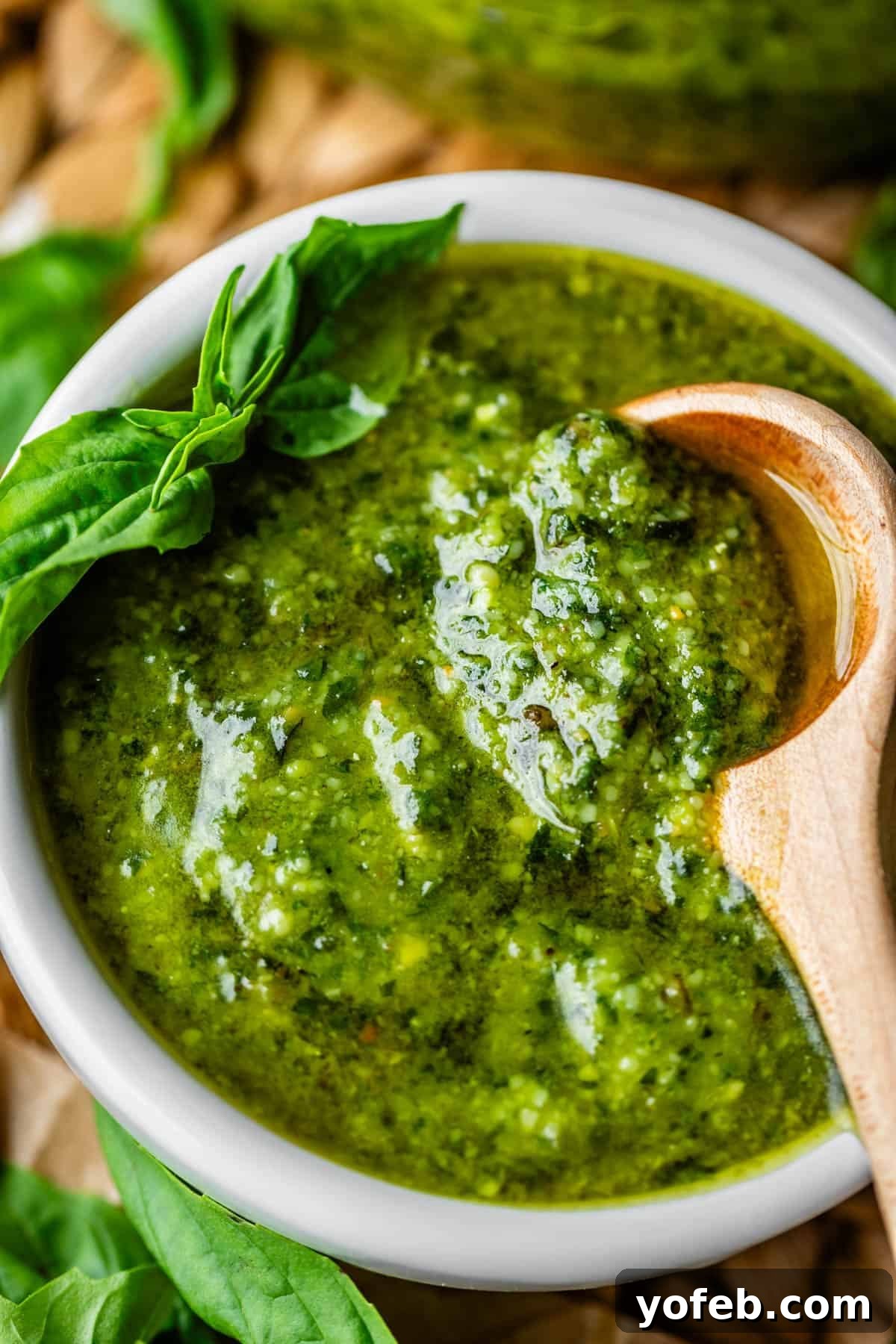
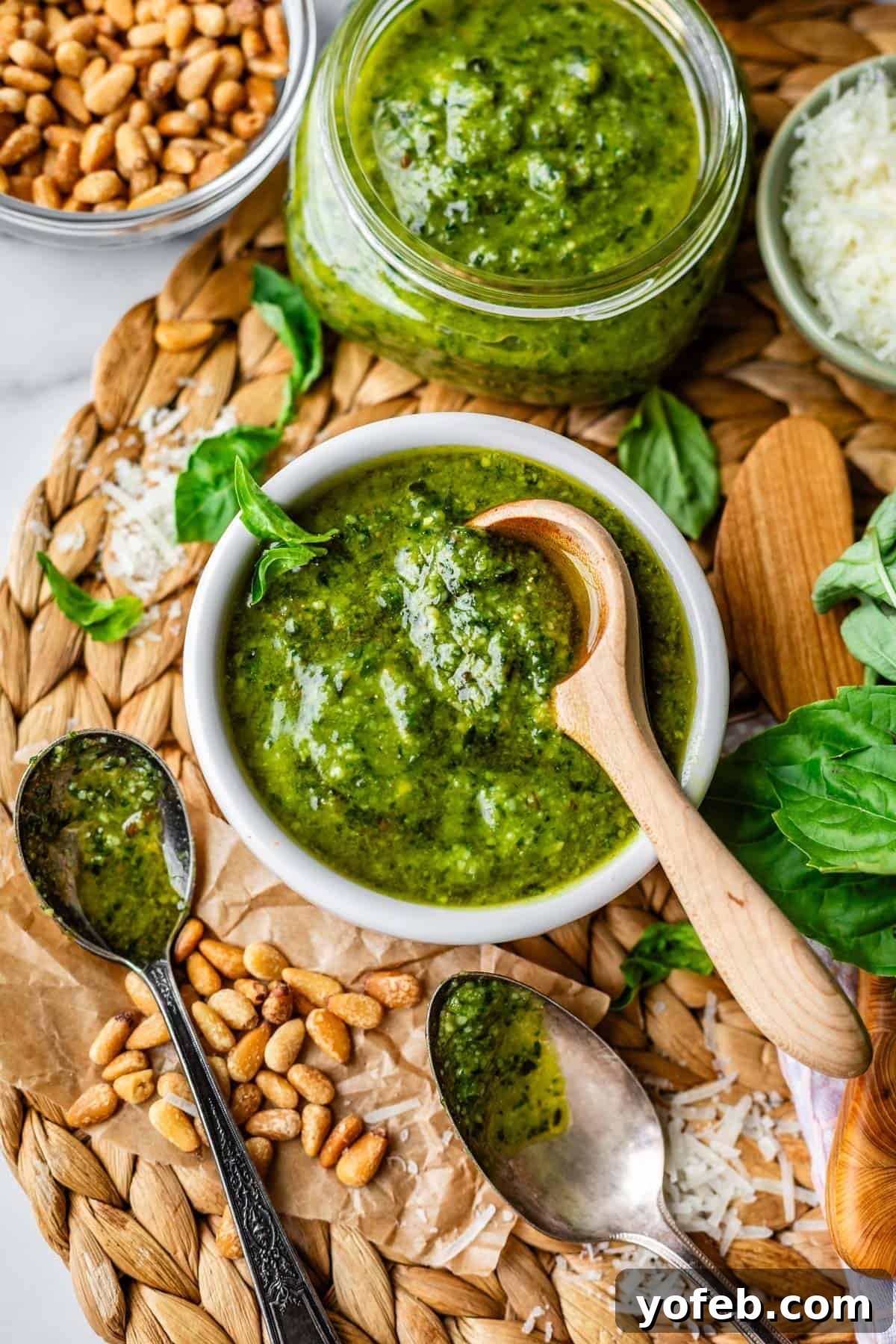
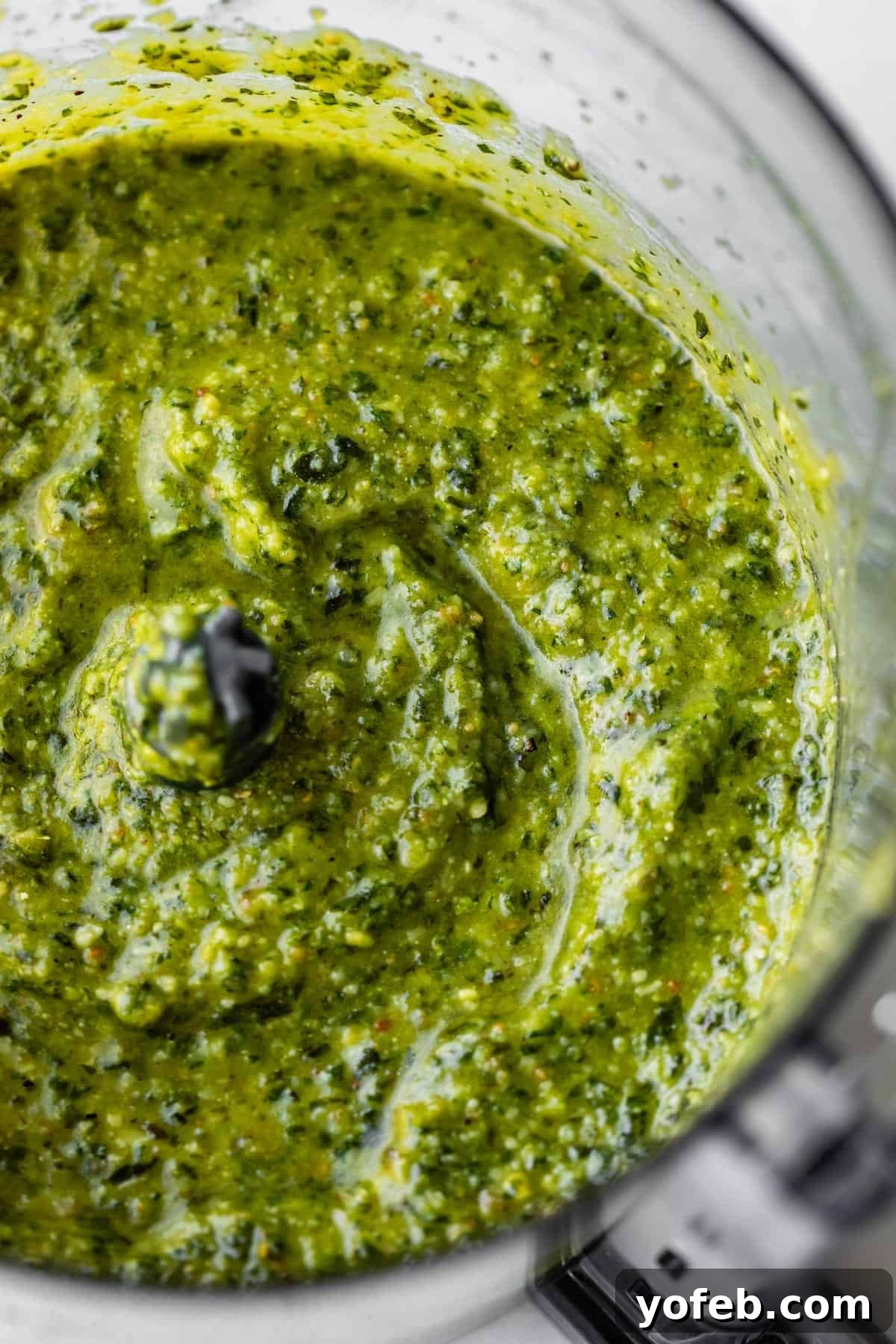
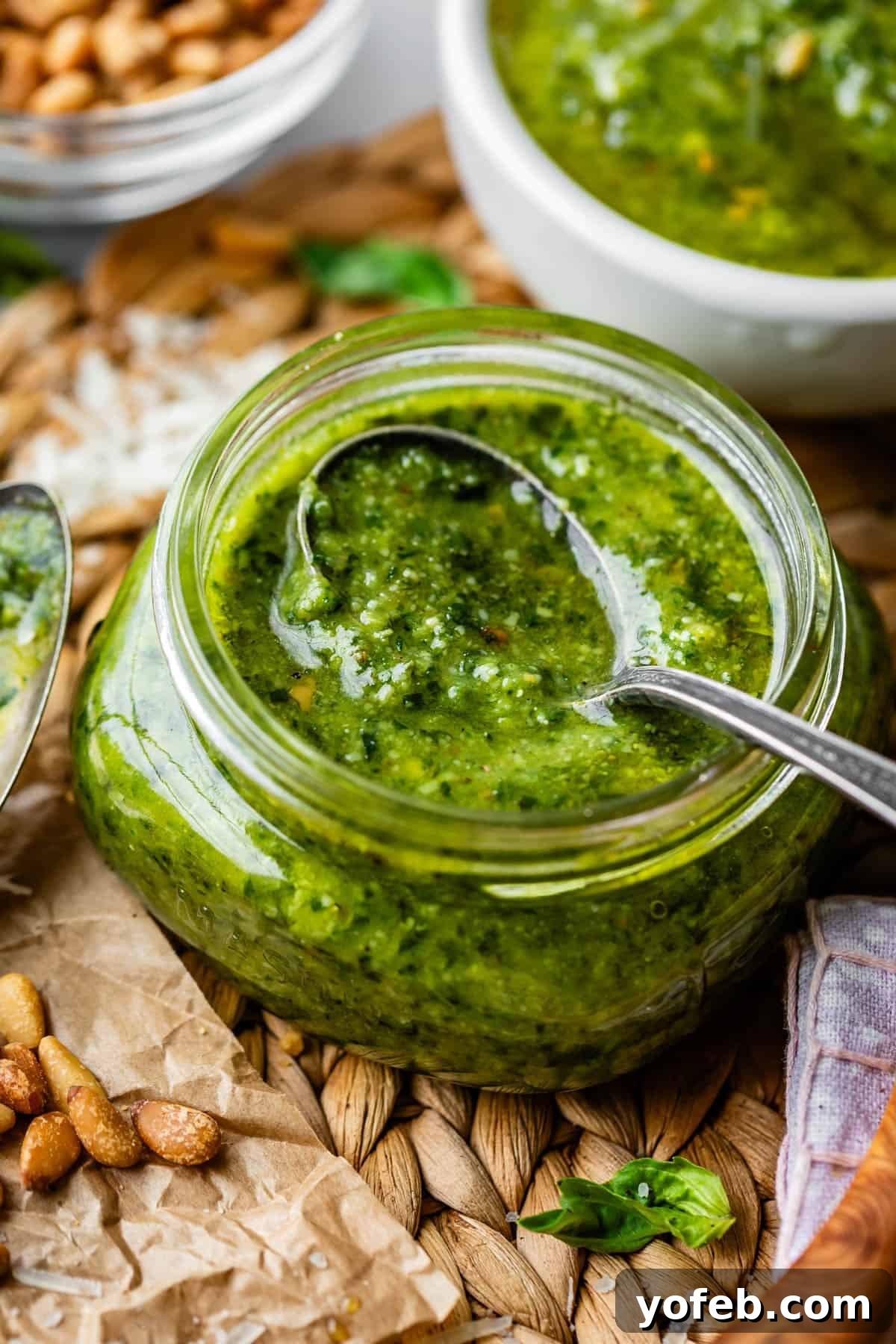
Pesto is an undeniable culinary marvel, effortlessly elevating any dish from simple to spectacular. Its vibrant green hue and intensely fresh, aromatic flavor profile make it a beloved sauce across the globe. What’s truly remarkable is how incredibly easy it is to craft homemade pesto, transforming a handful of quality ingredients into a sophisticated condiment. At its core, pesto is a harmonious blend of fragrant fresh basil, rich pine nuts, savory Parmesan and Pecorino Romano cheeses, and premium extra virgin olive oil. This versatile sauce is perfect for coating pasta, enhancing chicken or beef, brightening salads, adding a burst of flavor to sandwiches, serving as an elegant garnish for soups, or—my personal favorite—acting as a irresistible dip for a bountiful charcuterie board. This recipe is designed to be utterly foolproof, guaranteeing perfect results every single time you make it.
Sometimes, the kitchen offers more than just ingredients; it delivers moments of pure, unexpected joy. Just the other day, as I was diligently preparing a fresh batch of this incredible pesto for dinner, my thirteen-year-old son, Truman, ambled into the kitchen. With a typical teenage blend of efficiency and nonchalance, he bent over the overflowing trash can, tucked in his contribution, and gave the contents a practiced push down. What followed, however, transcended the ordinary. He paused, meticulously tugged at the bag’s corners, located the cinch cord, and in one swift, silent motion, lifted the entire, heavy bag of trash over his shoulder. He then calmly carried it out of the room, as if this remarkable act of initiative was no big deal at all.
I was, to put it mildly, stunned. My initial reaction was a silent, gaping-mouthed stare, much like a fish out of water. This quickly escalated into a series of guttural exclamations and wild gestures, culminating in actual screams as he walked out the door. I yelled at the top of my lungs to everyone in the house that MY TEENAGER HAD JUST TAKEN OUT THE TRASH, AND NO ONE EVEN HAD TO ASK HIM. His utterly nonchalant expression, as if *I* were the crazy one, only added to the humor. It felt as though I’d just witnessed a chimpanzee evolve before my eyes, tip its hat, and stride away. Such moments are rare and precious, a testament that our children truly do grow up. And when they do, sometimes the best way to process the wonder is to indulge a little, perhaps by dipping copious amounts of warm, crusty bread into this insanely good homemade pesto.
The Unbeatable Advantage: Why Homemade Pesto is a Must-Try
Many home cooks might ponder the necessity of making pesto from scratch when countless jars line grocery store shelves. My answer is unequivocal: homemade pesto offers a superior experience that simply cannot be matched. While convenience is tempting, the difference in flavor, freshness, and ingredient quality is profoundly noticeable. (I will, however, share one excellent store-bought exception later on for those truly pressed for time!)
When you create your own basil pesto at home, you’re engaging with the authentic culinary tradition. This means using real, high-quality extra virgin olive oil, not cheaper filler oils like soybean oil often found in commercial products. You dictate the proportions, ensuring your pesto isn’t mostly oil with a mere whisper of the more expensive, flavor-packed ingredients like fresh basil, premium pine nuts, and rich cheeses. Being in control of your ingredients allows you to select the absolute best, and this dedication to quality profoundly impacts the final taste. The result is a vibrant, aromatic, and deeply flavorful pesto that tastes genuinely phenomenal. Moreover, the inherent nature of fresh herbs means they always deliver their peak aroma and taste when they are, quite simply, fresh! There’s an undeniable zest and brightness in homemade pesto that jarred versions struggle to replicate.
Mastering the Art of Pesto: Essential Tips for Perfection
Achieving the best possible pesto is surprisingly straightforward once you know a few fundamental tips. Consider this your definitive guide to crafting an exceptionally flavorful and vibrant homemade basil pesto:
- Toast Your Pine Nuts for Maximum Flavor: This is a non-negotiable step that instantly doubles the depth and richness of your pesto. Toasting the pine nuts brings out their natural oils, intensifying their nutty essence and adding a warm, complex undertone that significantly elevates the overall flavor profile. A quick toast in a dry pan or oven makes all the difference.
- Be Generous with Cheese and Nuts: These are the pillars of pesto’s characteristic texture and savory richness. Don’t be tempted to cut back on these ingredients. While some variations incorporate other nuts like walnuts, I’ve found that sticking to traditional pine nuts yields the most authentic and satisfying taste. Ample quantities ensure a luscious, well-balanced sauce.
- Invest in High-Quality Extra Virgin Olive Oil: The olive oil is far more than just a liquid binder; it’s a critical flavor component. Choose a robust, fruity extra virgin olive oil for its distinct taste and aroma, which will beautifully complement the other ingredients. Avoid light olive oils or blends, as they lack the necessary character.
- Embrace a Blend of Cheeses for Complexity: For the most nuanced flavor, I highly recommend using a combination of cheeses. A blend of Parmesan and Pecorino Romano is ideal. Parmesan offers a rich, nutty, and savory depth, while Pecorino Romano contributes a sharper, tangier, and saltier kick. Together, they create a wonderfully complex and balanced profile.
- Add a Touch of Lemon for Brightness and Color: A small squeeze of fresh lemon juice is a secret weapon. It not only brightens the overall flavor of the pesto, preventing it from tasting heavy or flat, but its acidity also plays a crucial role in preventing the basil from browning, thus preserving your pesto’s vibrant green hue.
- A Pinch of Sugar for Mellow Basil: If your basil leaves aren’t as aromatic or naturally sweet as you’d like (which can sometimes be the case with commercially grown basil), a tiny pinch of granulated sugar can work wonders. It helps to enhance the basil’s inherent sweetness and balance the flavors without making the pesto overtly sweet. Start with a minuscule amount, no more than 1/4 teaspoon.
- Keep Your Blending Tools Chilled: Basil is incredibly delicate and prone to browning and wilting when exposed to heat. Even the friction and warmth generated by a food processor’s motor can cause this undesirable discoloration. To combat this, place the blade of your food processor in the freezer for about 15 minutes before you begin blending. If space permits, chilling the food processor bowl can also be highly beneficial. This simple step helps keep everything cool, ensuring your pesto retains its stunning emerald color.
If you’re not regularly incorporating pesto into your culinary repertoire, you’re missing out on an incredibly versatile, flavorful, and remarkably quick-to-prepare sauce. It truly takes around 10 minutes to bring together, yields a substantial amount, and offers endless possibilities for enhancing your meals. I am absolutely head over heels for it!
When Convenience Calls: My Go-To Store-Bought Pesto
While the incomparable flavor of homemade pesto is always my first choice, I understand that life gets busy. For those moments when time is of the essence, and you need a reliable store-bought option, I confidently recommend the Kirkland brand pesto from Costco. It stands out in the crowded market for several excellent reasons.
The Kirkland pesto boasts an impressive ingredient list that closely mirrors the quality and simplicity of a homemade recipe. They even go the extra mile by sourcing their basil directly from Italy, contributing to a more authentic flavor profile. For a commercially produced pesto, I genuinely believe you won’t find a much better alternative. I almost always keep a jar in my fridge for those quick weeknight dinners or unexpected cravings. However, it’s crucial to reiterate that even the best store-bought options can’t quite capture the unparalleled brightness, freshness, and nuanced flavors of a truly homemade pesto. So, while Costco offers a fantastic shortcut, dedicating a small amount of time to make your own from scratch is a culinary endeavor always worth undertaking.
Decoding the Flavors: Essential Pesto Ingredients Explained
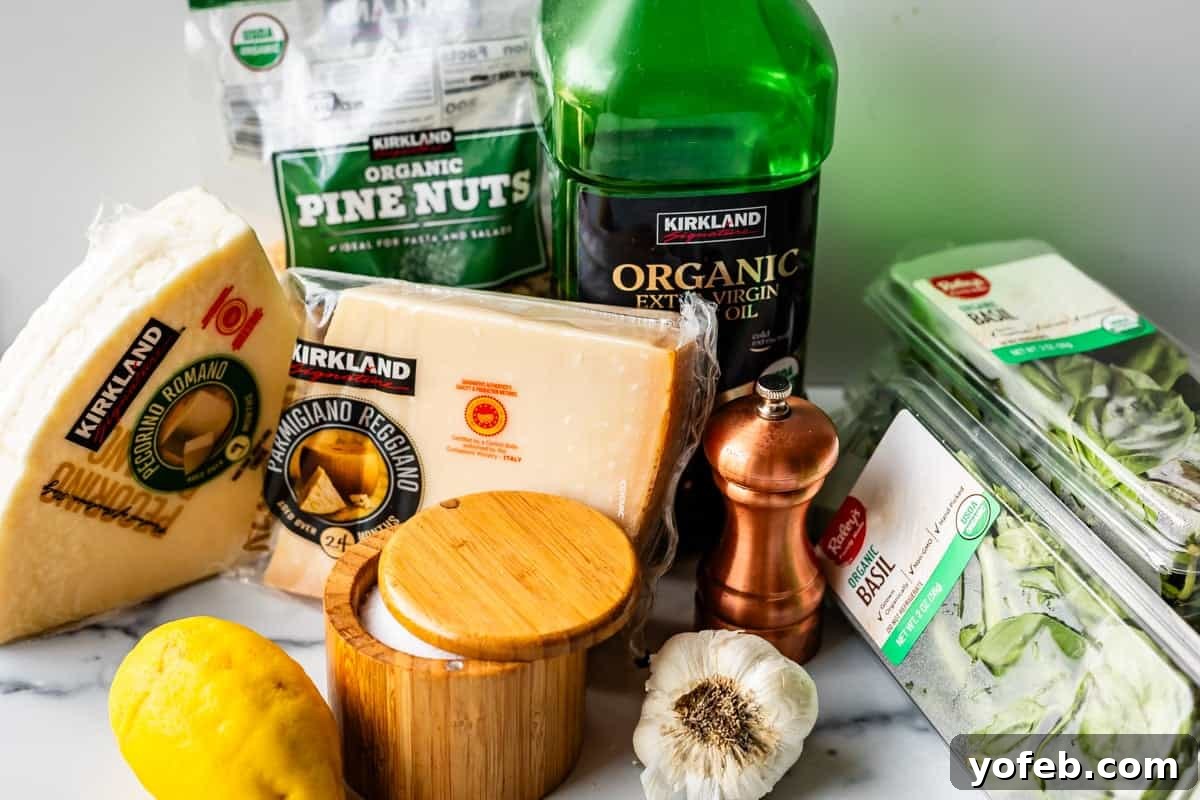
Pesto relies on a short and sweet list of ingredients, making the quality of each component critically important. Let’s explore the essential elements that come together to create this iconic green sauce:
- Fresh Basil Leaves: The absolute cornerstone of any authentic basil pesto. These tender, aromatic leaves form the bulk of the sauce, imparting that signature light, herbaceous, and subtly sweet flavor that defines pesto and makes it utterly irresistible. There is simply no substitute for fresh basil; dried basil will yield a completely different, inferior result. If you encounter basil that seems less fragrant or sweet than ideal (common with some grocery store varieties), the optional pinch of sugar in this recipe can help coax out its natural flavors and provide a subtle brightness.
- Pine Nuts: These delicate, buttery nuts are the traditional choice for pesto, providing a rich, creamy texture and a distinctive nutty base. Toasting them is not merely a suggestion but an absolute must for maximizing their flavor. This process enhances their natural sweetness and deepens their nutty character, adding an essential layer of warmth and complexity to your pesto. Do not skip this crucial step!
- Garlic: Pungent, sharp, and wonderfully aromatic, fresh garlic plays a vital role in balancing the rich fats from the olive oil, nuts, and cheeses. It provides a necessary piquant counterpoint, cutting through the richness and adding a zesty kick. However, exercise moderation; too much garlic can easily overpower the delicate basil.
- Parmesan Cheese and Pecorino Romano Cheese: This dynamic duo is key to pesto’s characteristic savory depth, salty tang, and velvety texture. Using a blend of these two Italian cheeses creates a more complex and well-rounded flavor profile than either could achieve alone. Parmesan contributes a milder, nutty, and savory note, while Pecorino Romano, made from sheep’s milk, delivers a sharper, saltier, and more robust flavor, adding a delightful zing to the sauce.
- Extra Virgin Olive Oil: Far from just a carrier, high-quality extra virgin olive oil is a foundational flavor component in pesto. It provides a smooth, emulsified texture and contributes its own fruity, slightly peppery, and sometimes grassy notes, which are integral to the overall taste and mouthfeel of the sauce.
- Lemon Juice: A small but mighty addition, a hint of fresh lemon juice serves two important purposes. First, its acidity brightens the pesto’s overall flavor, preventing it from tasting heavy or dull. Second, and equally important, the citric acid acts as an antioxidant, helping to preserve the basil’s vibrant green color and prevent it from oxidizing and browning.
How to Make Homemade Basil Pesto Sauce: A Detailed Walkthrough
Are you ready to create your very own batch of vibrant, flavor-packed basil pesto? Here’s a detailed look at the ingredients you’ll need to assemble. Pesto is wonderfully easy to prepare, but it does require a generous amount of fresh basil! (Pro Tip: Keep an eye out for fresh basil at your local farmer’s market or when it’s on sale at the grocery store. Stock up, use it to make multiple batches of pesto, and then freeze it for later enjoyment!)
Step 1: Preparing Your Tools for Vibrant Green Pesto
To ensure your homemade pesto maintains its stunning, vibrant green color, begin by chilling your equipment. Place the blade of your food processor in the freezer for approximately 15 minutes. If you have extra space, pop the food processor bowl in there too! The reason for this step is crucial: the heat generated by the food processor’s motor can cause delicate basil leaves to wilt and brown almost instantly. Freezing the implements helps to keep everything cool during the blending process, effectively preserving the basil’s fresh green hue.
Step 2: Toasting the Pine Nuts to Perfection
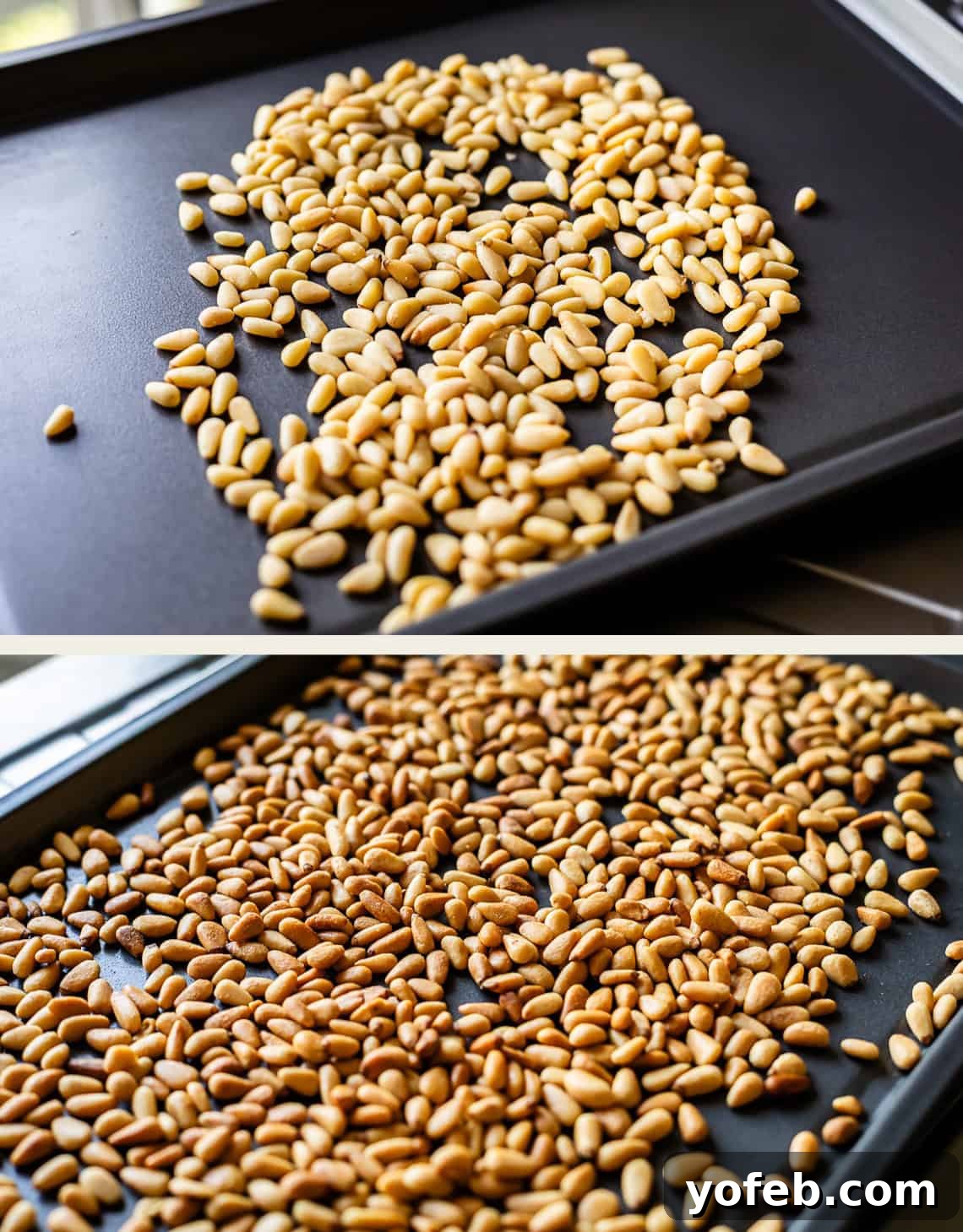
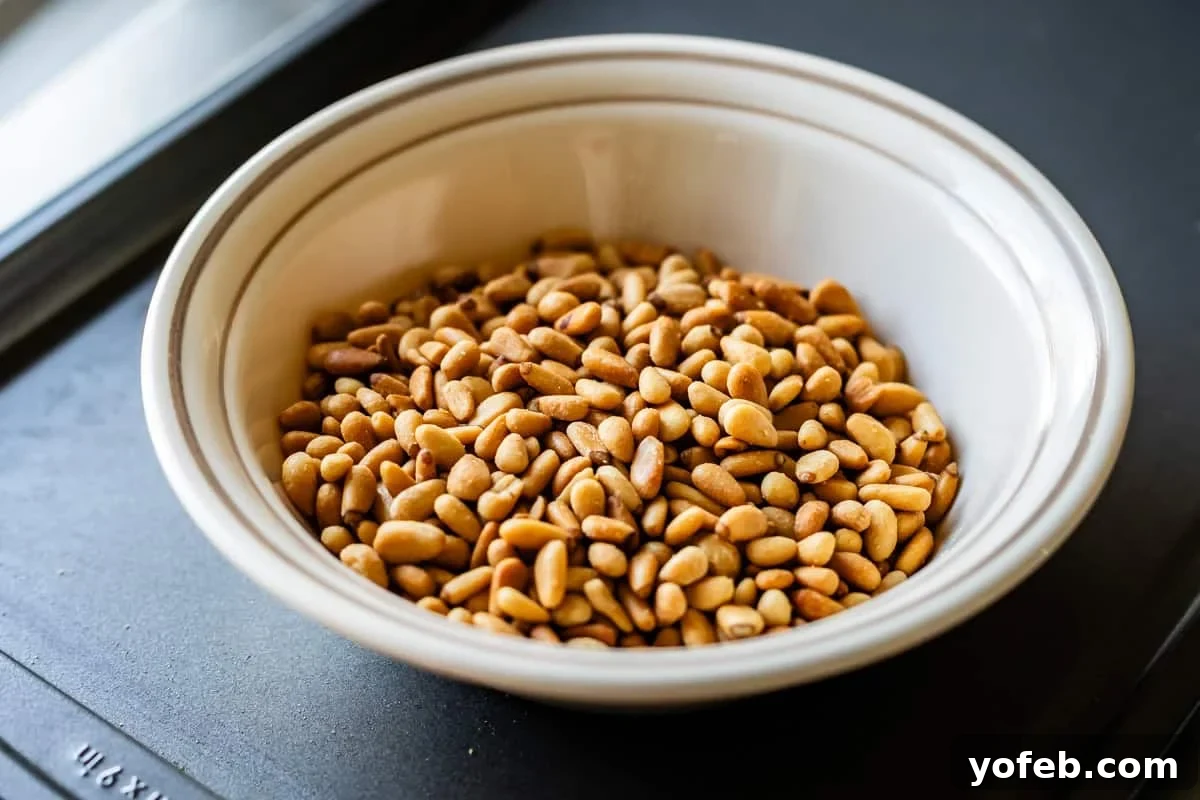
Preheat your oven to 350°F (175°C). Evenly spread the 1/2 cup of pine nuts on a dry, ungreased baking sheet. Place them in the preheated oven and toast for an initial 5 minutes, then carefully remove the sheet and stir the nuts. Continue toasting in precise 1-minute increments, stirring after each minute, until the pine nuts develop a beautiful light to medium golden-brown color. It’s important to stay attentive during this stage, as pine nuts can go from perfectly toasted to burnt very quickly! This toasting process is vital; it genuinely amplifies the flavor of the nuts, infusing your pesto with a richer, warmer, and more complex taste. Once perfectly toasted, remove them from the oven immediately and allow them to cool completely.
Don’t be afraid to let them reach a medium brown shade; a good toast makes pine nuts wonderfully tender and incredibly rich. While it might amusingly seem like your pine nuts have multiplied on the baking sheet (perhaps a magical phenomenon for doubling a test batch!), the real magic is in their intensified flavor!
Step 3: Blending Garlic, Toasted Nuts, and Seasoning
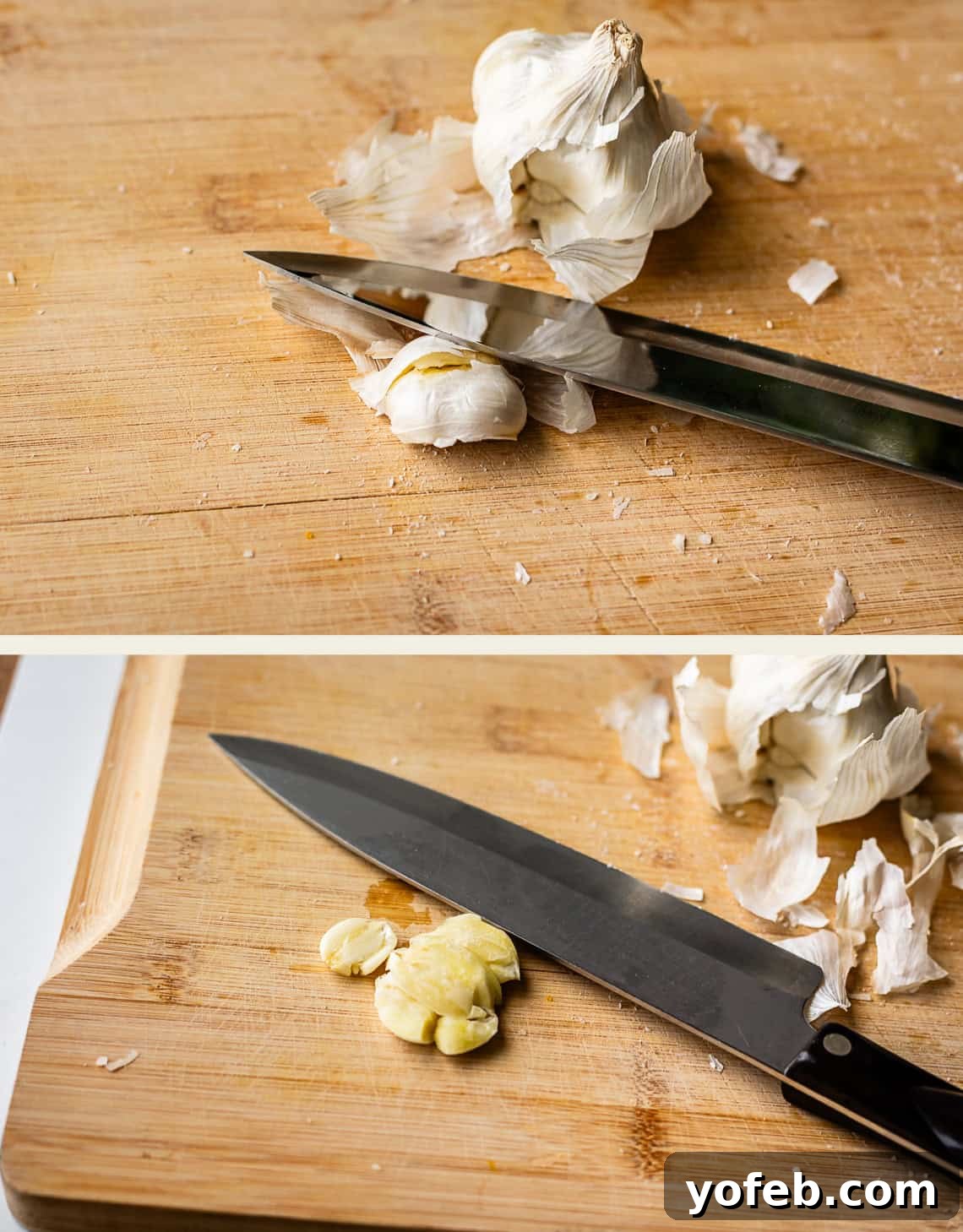
Now, take 2 small cloves of garlic and smash them gently using the side of a chef’s knife. If your garlic cloves are on the larger side, consider using just one to avoid overpowering the delicate basil flavor; you can always add more later if you prefer. There’s no need to finely chop them at this point.
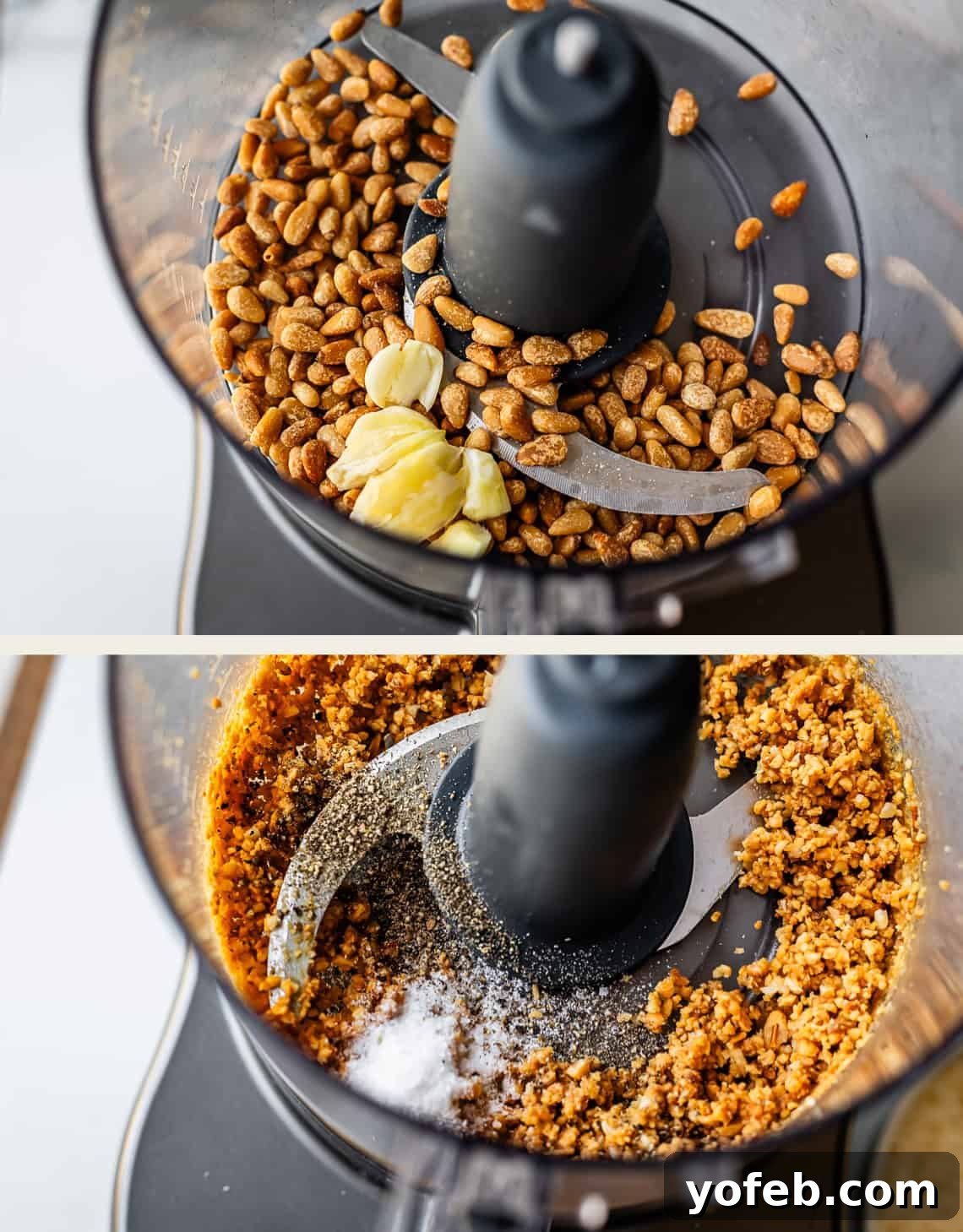
Retrieve your chilled food processor. Add the cooled toasted pine nuts, the smashed garlic, 1 and 1/4 teaspoons of kosher salt, and 1/4 teaspoon of black pepper to the bowl. Pulse these ingredients until the pine nuts are finely crushed into small pieces and the garlic is well incorporated throughout the mixture. This initial blend establishes a flavorful base.
Step 4: Incorporating the Dual Cheese Blend
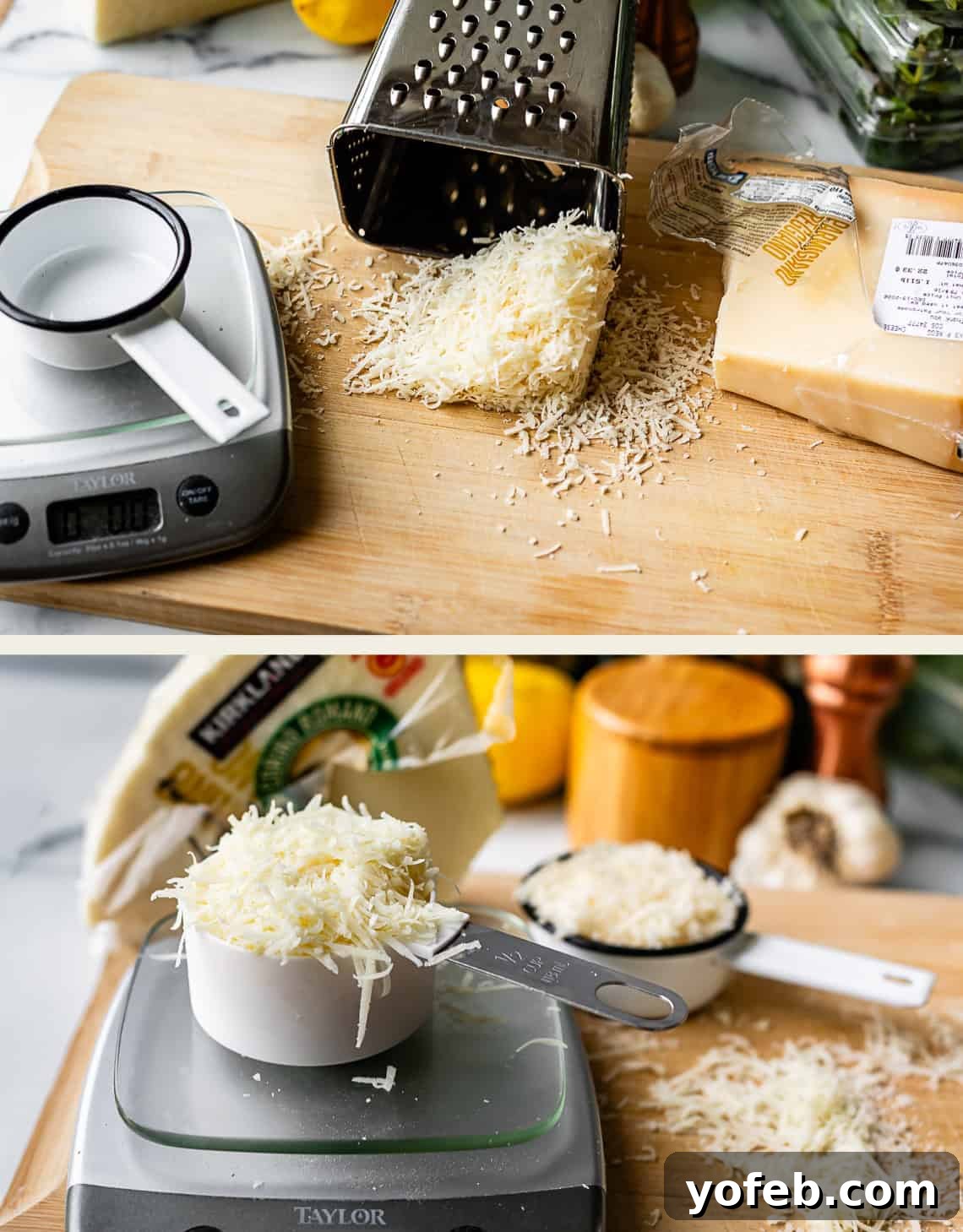
Next, prepare your cheeses. Finely shred 1/2 cup of Parmesan cheese and 1/2 cup of Pecorino Romano cheese. It’s highly recommended to shred your own cheese from blocks; pre-shredded varieties often contain anti-caking agents that can hinder smooth blending. Pack the shredded cheese into your measuring cups, then mound it slightly to ensure you have a full 2 ounces of each type, totaling 4 ounces of cheese. This strategic blend of Parmesan and Pecorino Romano provides a complex, rich, and tangy flavor profile that is absolutely essential for an authentic and deeply satisfying pesto.
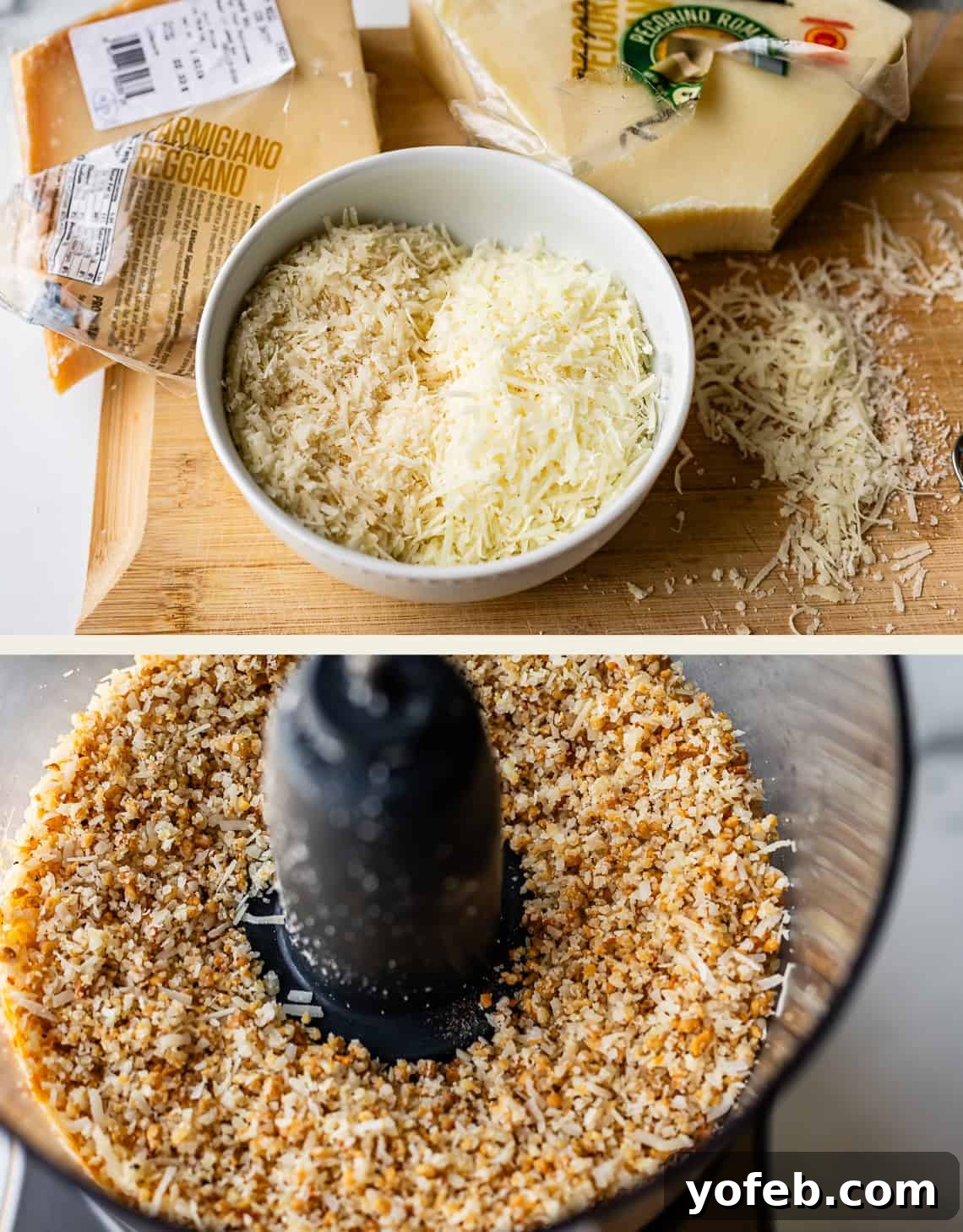
Add the shredded cheeses to the food processor with the nut-garlic mixture and pulse until they are thoroughly incorporated and the mixture takes on a slightly granular, cohesive texture.
Step 5: Adding the Liquid Gold – Extra Virgin Olive Oil
Carefully pour in 1 cup of high-quality extra virgin olive oil. At this point, the quantity of oil might seem substantial, but trust the process – this amount is crucial for achieving the classic creamy, emulsified texture that defines authentic pesto. Blend the mixture thoroughly, stopping periodically to scrape down the sides and bottom of the bowl. This ensures that all the finely ground nuts and cheese are fully combined with the oil, creating a smooth and luscious base.
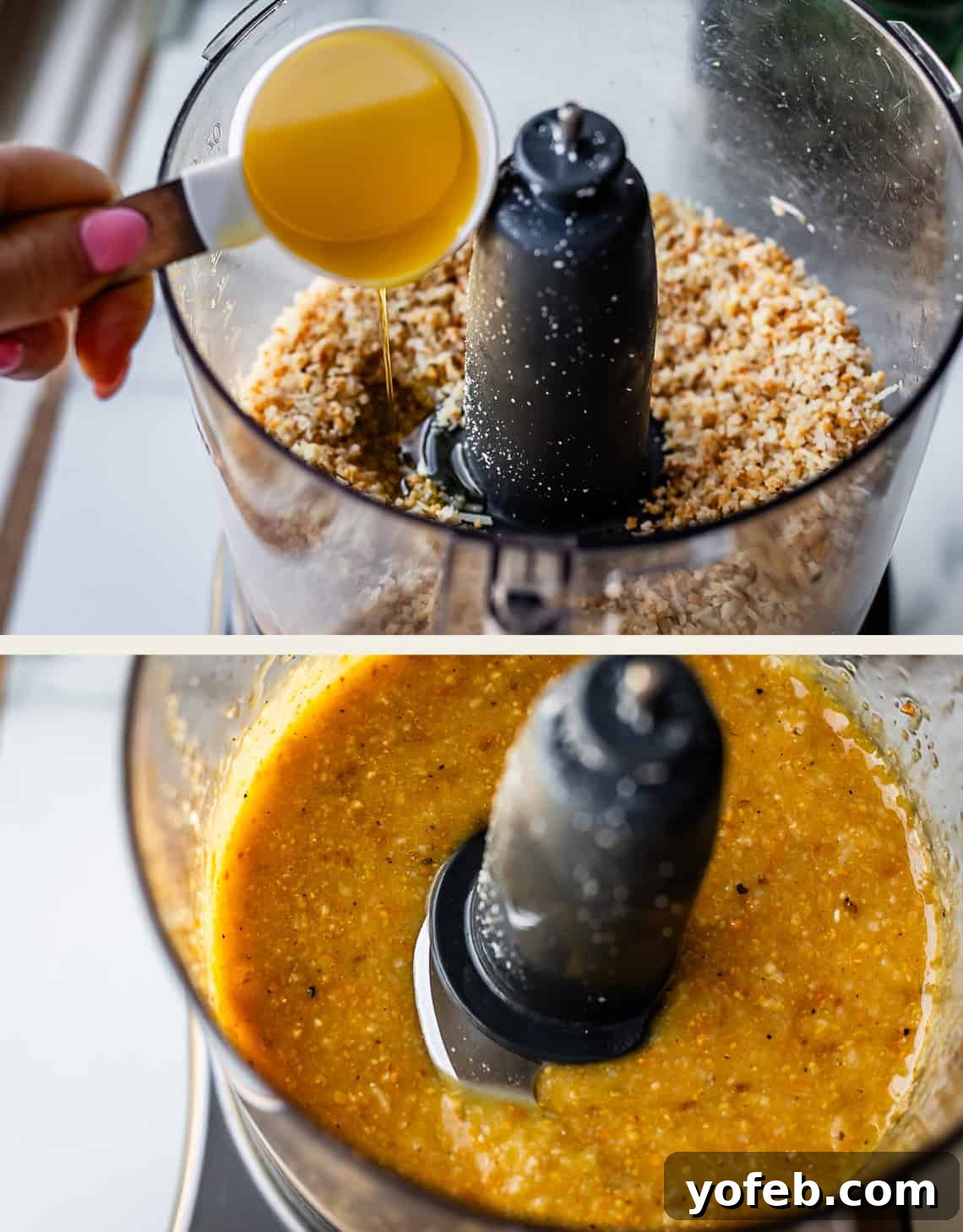
It might feel counterintuitive to have come this far without adding the basil, but delaying its incorporation is a deliberate strategy to preserve its freshness and vibrant green color. We are almost ready for the star ingredient!
Step 6: The Star of the Show – Incorporating Fresh Basil
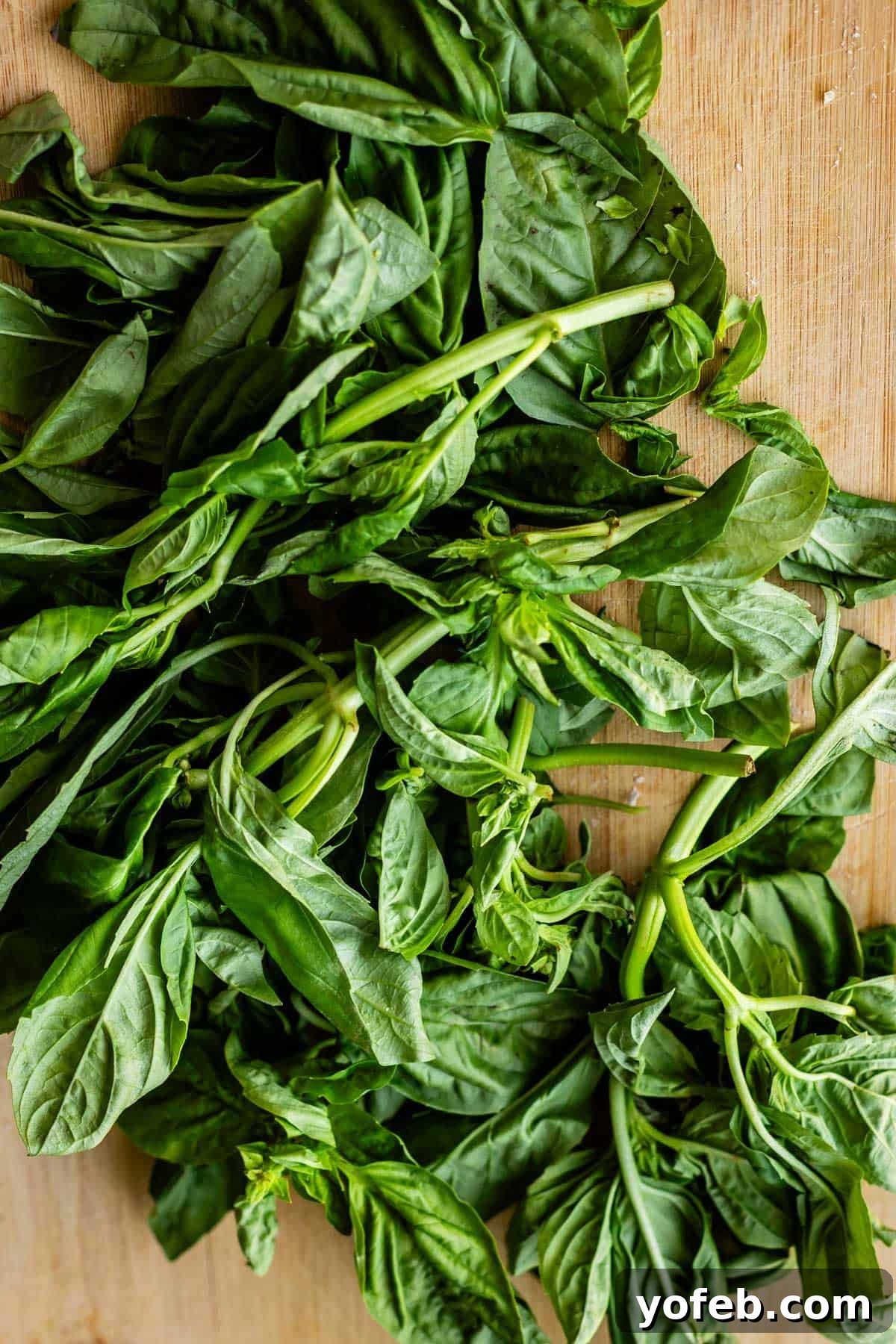
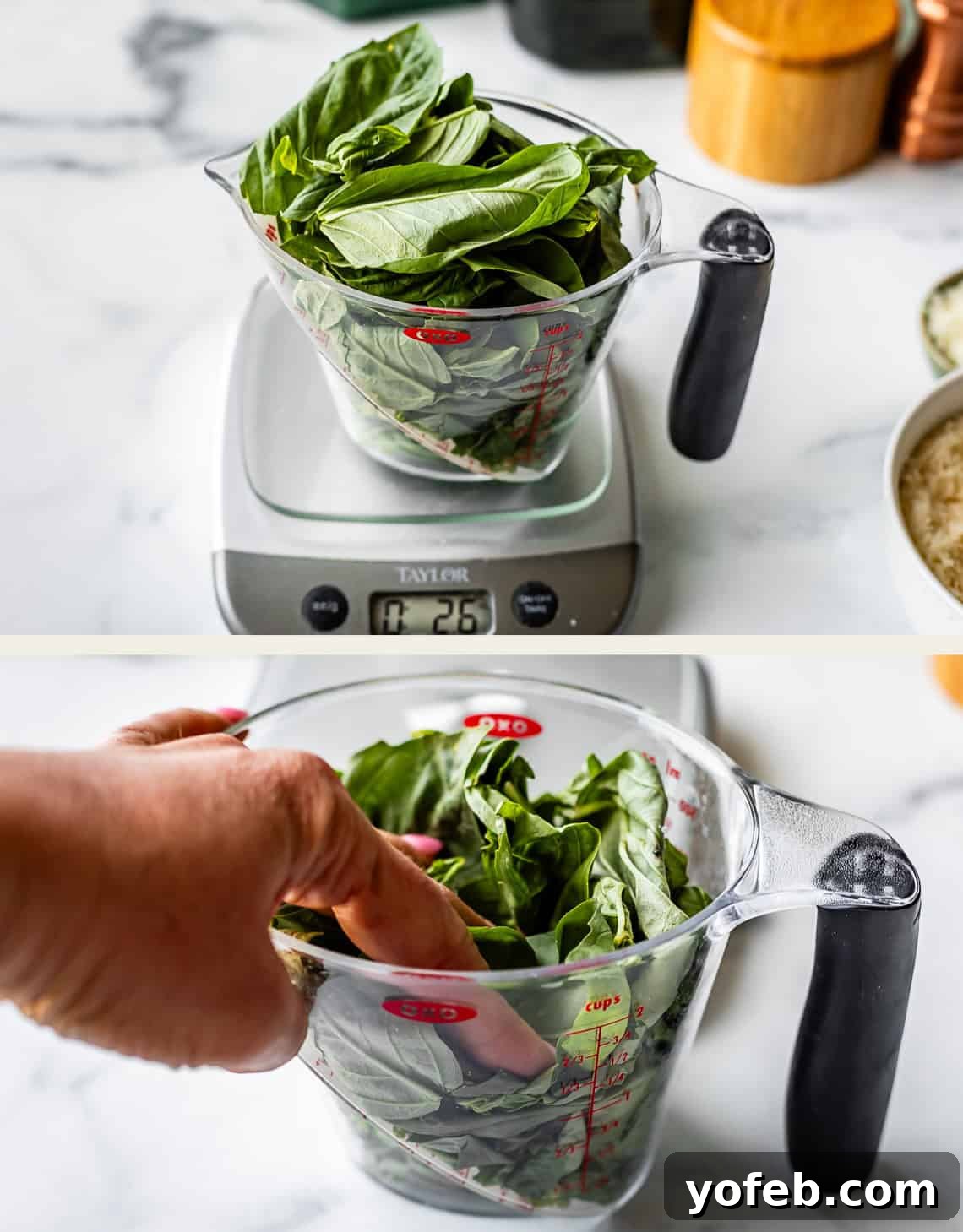
Basil is a delicate herb, and handling it with care is paramount to prevent it from bruising or browning. If washing is necessary, ensure the basil leaves are completely dry before adding them to the food processor, as any residual water can lead to discoloration. Carefully pluck all the basil leaves from their stems. You will need a total of 2.5 ounces of basil leaves, which typically measures out to about 2 packed cups. To account for stems and any less-than-perfect leaves, I recommend purchasing at least 3-4 ounces, or roughly 2-3 large bunches, from the store.
Since the basil is added last, it’s a good idea to give the leaves a rough chop before tossing them into the food processor. This helps them blend more evenly and quickly, minimizing the time they spend being processed and exposed to any potential heat.
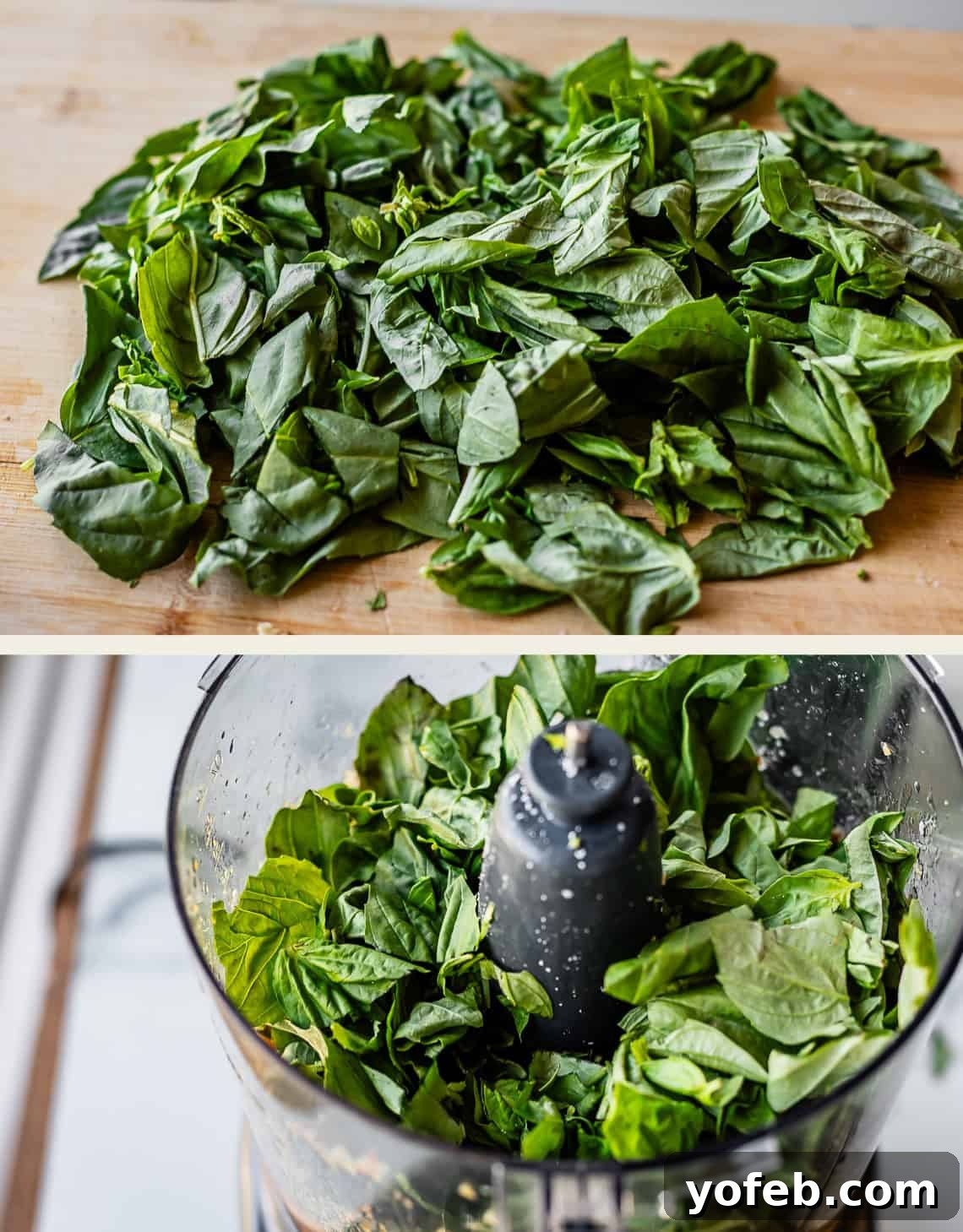
Add all the prepared basil to the food processor. Now, pulse on a low setting. Use short, quick bursts rather than a continuous blend. This technique ensures the basil is finely chopped into small pieces while preventing the motor from generating too much heat, which, as discussed, could cause the basil to brown. Continue blending using pulses for approximately 1-2 minutes, until the basil is thoroughly incorporated and the pesto achieves a creamy, beautifully emulsified consistency.
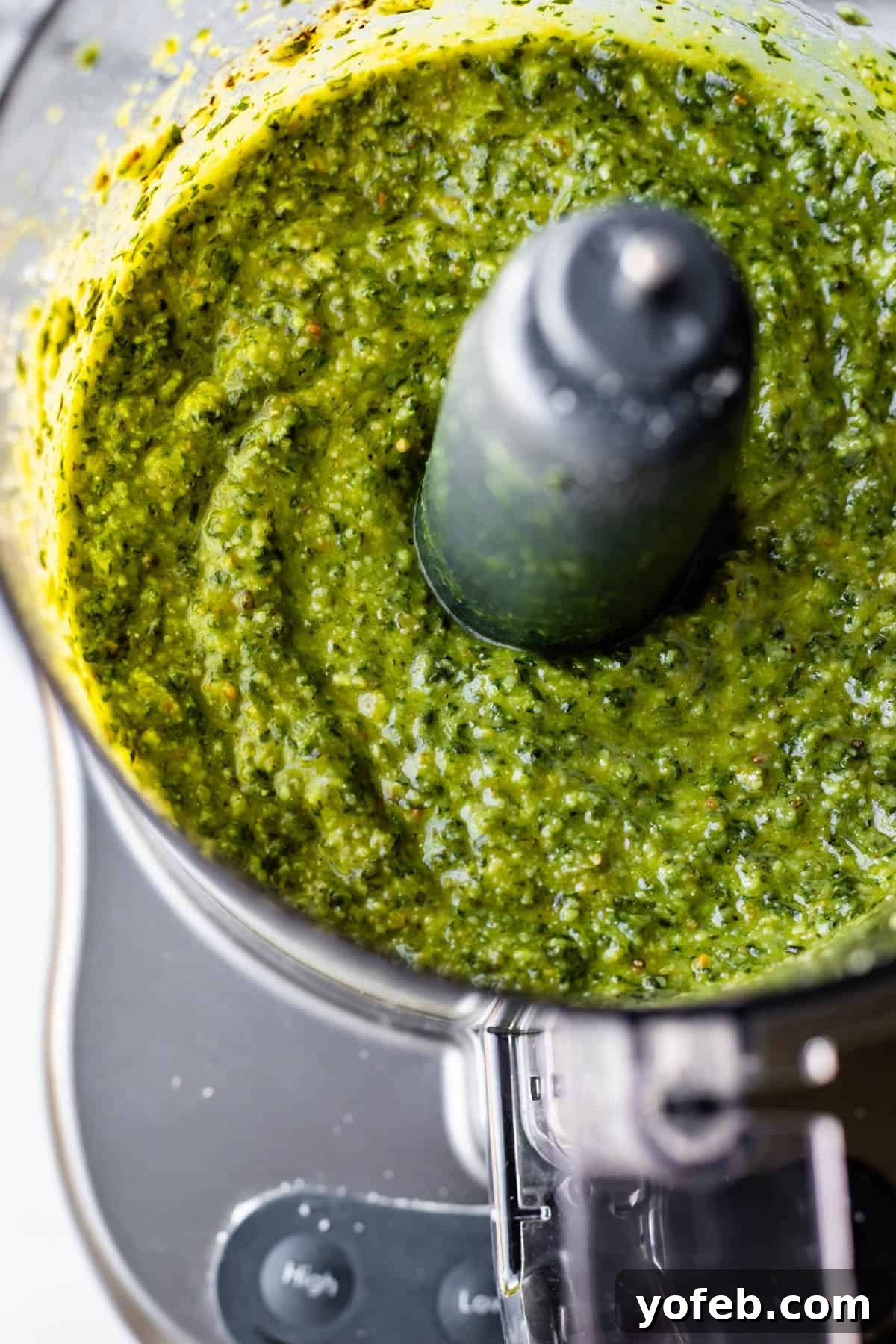
Step 7: The Final Flourish – Lemon and Taste Adjustment
And voila! Your magnificent, vibrant pesto is almost complete. Now, squeeze in about 1/2 teaspoon of fresh lemon juice. Precision isn’t strictly necessary here; a quick squeeze will suffice. This small addition of acid serves a dual purpose: it subtly brightens the pesto’s overall flavor profile, preventing it from tasting heavy or dull, and, crucially, it acts as an antioxidant, helping to keep your basil gloriously green and prevent it from browning over time.
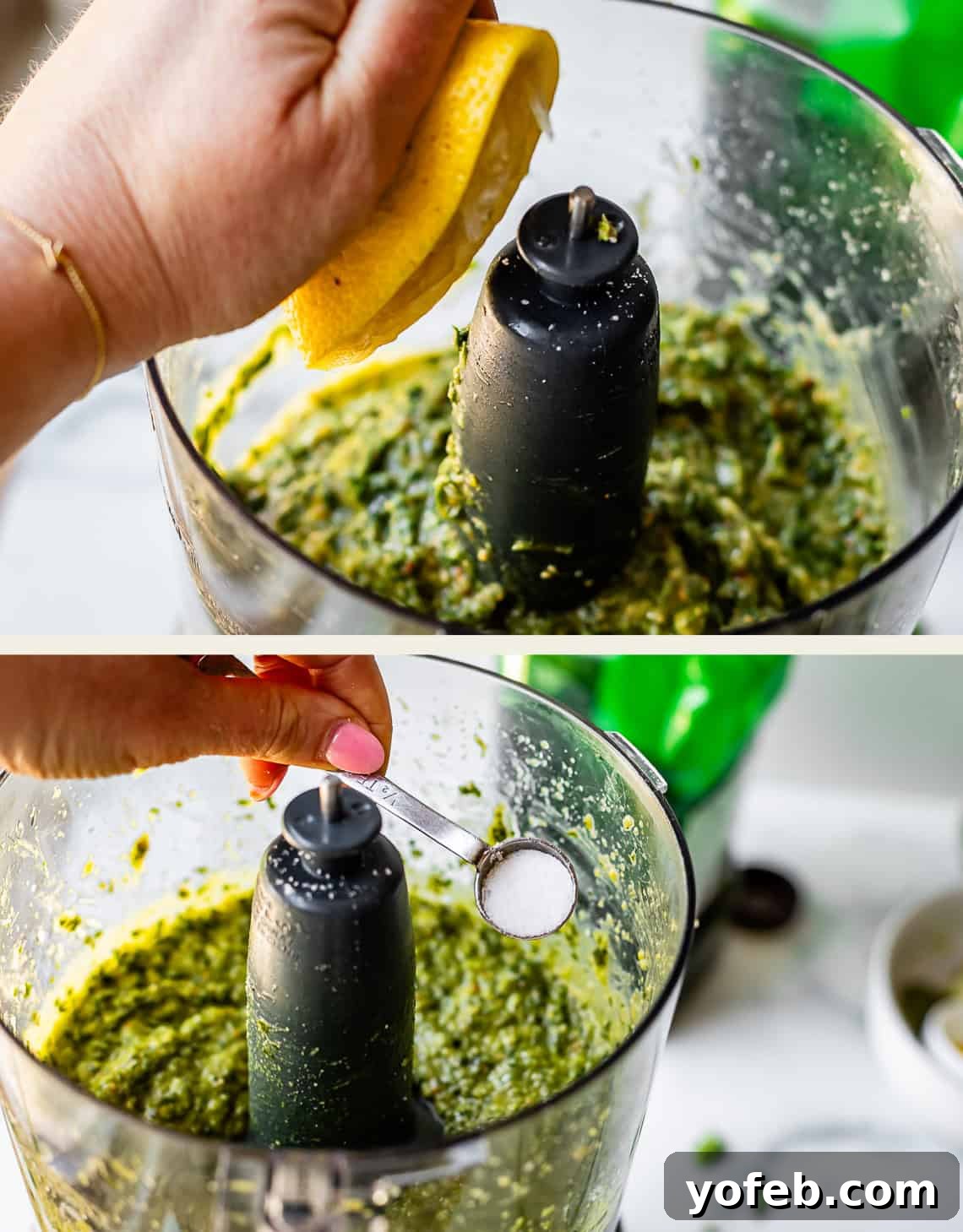
Now, it’s time for the most important step: taste your pesto! If you find the flavor a little flat or lacking “oomph,” especially if your basil wasn’t as aromatic or naturally sweet as desired (which can sometimes occur with grocery store basil), a tiny pinch of granulated sugar can work wonders. Start with just a pinch, and add no more than 1/4 teaspoon. The goal isn’t to make sweet pesto, but rather to gently coax out the basil’s natural sweetness and round out the overall flavor, reminding it of its inherent roots. Basil is naturally sweet, and this small addition simply enhances that quality.
Adjust seasonings further if needed, adding more salt, pepper, or lemon juice to suit your personal preference. Blend the pesto one last time to fully incorporate any final additions, and there you have it – your exquisite homemade basil pesto is ready to be savored!
This incredibly fresh and flavorful pesto is perfect for elevating countless dishes. Drizzle it generously over your favorite Minestrone Soup, spread it onto a delightful Veggie Sandwich, use it to create a succulent Baked Pesto Chicken, or even incorporate it into a rich White Lasagna!
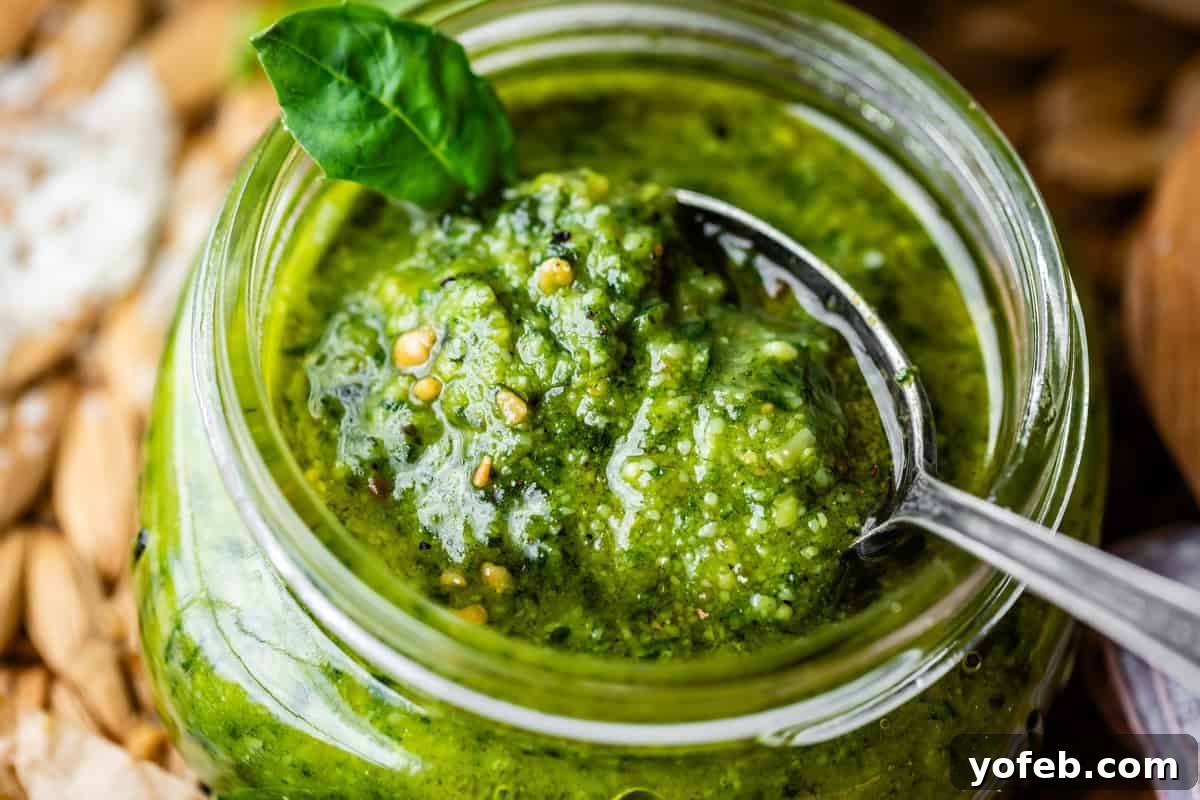
One of my absolute favorite ways to showcase the brilliance of homemade pesto is by building an entire Charcuterie Board around it. Everyone is always thrilled to combine crusty bread, olives, an assortment of cheeses, and the fresh, herbaceous burst of your incredible homemade pesto!
Creative Culinary Pairings: What to Serve with Pesto Sauce
Having a fresh batch of homemade pesto readily available is truly a culinary game-changer. I often find myself adding a dollop of this vibrant sauce to almost anything I’m having for lunch or dinner, instantly transforming a simple meal into something extraordinary (it’s particularly incredible swirled into Minestrone Soup). But when I want pesto to be the unequivocal star of the show, here are a few of my favorite main dishes that truly highlight its exquisite flavor:
- White Lasagna with Chicken and Pesto: Indulge in layers of creamy white sauce, generously flavored with pesto, tender chicken, perfectly cooked noodles, and a rich blend of cheeses. It’s comfort food elevated to gourmet status!
- 30-Minute Pesto Penne with Chicken and Cherry Tomatoes: This recipe is not only incredibly delicious but also remarkably quick and easy to prepare, making it an ideal choice for a busy weeknight meal when you crave something flavorful yet simple.
- Canadian Bacon and Havarti Cheese Sliders with Pesto Glaze: Another fantastic and easy dinner option that delivers an impressive punch of flavor. These sliders are perfect for entertaining or a fun family meal.
Pesto’s remarkable versatility doesn’t stop there. Consider spreading it on grilled fish or chicken, mixing it into scrambled eggs for a gourmet breakfast, tossing it with roasted vegetables for an added layer of flavor, or even using it as a vibrant base for a unique pizza. The culinary possibilities are genuinely endless, limited only by your imagination!
Optimal Storage for Leftover Pesto Sauce
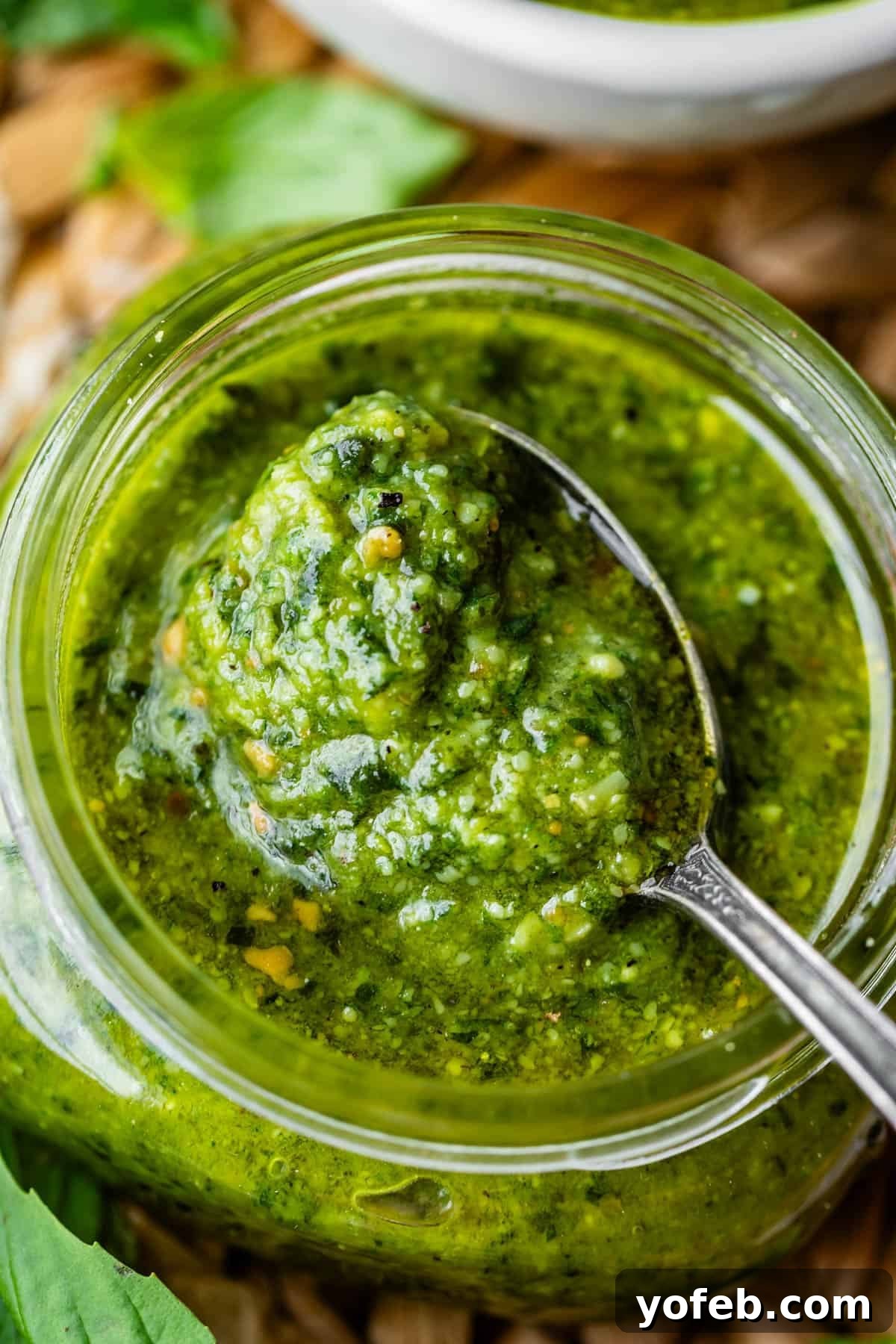
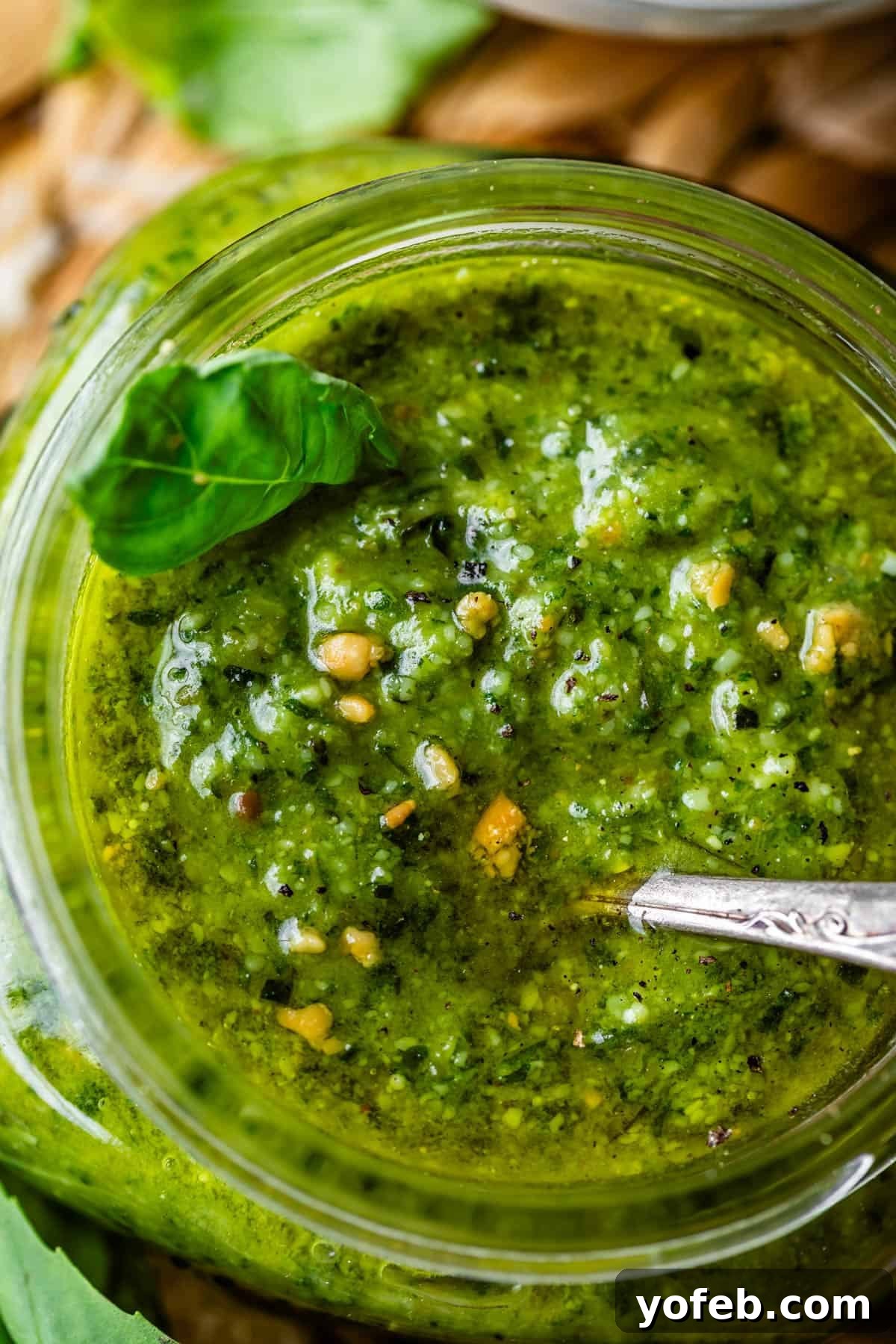
Proper storage is paramount for maintaining the freshness, vibrant color, and exquisite flavor of your homemade pesto. Once prepared, transfer your pesto to an airtight container. I personally prefer using a glass mason jar, as it helps prevent any potential staining that can occur with plastic containers. Store the sealed jar in the refrigerator. To further protect the surface of your pesto from oxidation and subsequent browning, pour a thin layer of extra virgin olive oil over the top before sealing. This creates an effective barrier against air. Stored correctly in this manner, your pesto will remain fresh and delightful for approximately one week in the refrigerator. Always conduct a quick visual and olfactory check for any signs of mold or rancidity before using, especially if it’s been stored for a longer duration. For extended preservation, freezing is an excellent option!
The Freezer-Friendly Marvel: Can You Freeze Pesto?
Absolutely! One of the most fantastic attributes of homemade pesto is how incredibly well it freezes, making it an invaluable staple to have on hand for effortlessly enhancing meals throughout the year. Frozen pesto can retain its quality and flavor for up to 6 months!
There are a couple of excellent, convenient methods for freezing pesto, depending on how you anticipate using it in the future:
- Freezing in Larger Portions: If you foresee using larger quantities of pesto for recipes such as pasta dishes, as a marinade for meats, or as a base for hearty soups, simply transfer the desired measured amount into a freezer-safe ziplock bag. Press out as much air as possible from the bag before sealing it tightly to prevent freezer burn. Lay the bag flat in your freezer to save space and allow for quick, even freezing. This method makes thawing and portioning for bigger meals very convenient.
- Freezing in Individual Portions (Ice Cube Tray Method): For smaller, single-serving portions that can be added directly to dishes, an ice cube tray is your best friend. Each compartment of a standard ice cube tray typically holds about 2 tablespoons (or 1 ounce) of pesto. Spoon the fresh pesto into each section and freeze until the cubes are completely solid. Once frozen solid, pop the pesto cubes out of the tray and transfer them to a larger freezer-safe ziplock bag for long-term storage. Now you have convenient “pesto nuggets” – small, pre-portioned bursts of deliciousness that can be easily dropped into any sauce, soup, or quickly thawed in a small bowl on the counter to spread onto a sandwich or whisk into a dressing.
More Delicious Sauces to Elevate Your Meals
The right sauce has an incredible power to transform any otherwise ordinary dish into an extraordinary culinary delight. Take a moment to explore some of my other favorite homemade sauces below – each one is seriously amazing and absolutely worth the effort to make from scratch!
Appetizers, Dips & Snacks
How to Make Homemade Chimichurri
Appetizers, Dips & Snacks
Homemade Horseradish Sauce Recipe
Appetizers, Dips & Snacks
How to make Balsamic Vinegar Reduction
Appetizers, Dips & Snacks
Homemade Chipotle Sauce Recipe
Facebook |
Pinterest |
Instagram

Easy Homemade Pesto
Prep Time: 10 mins
Total Time: 10 mins
Servings: 20
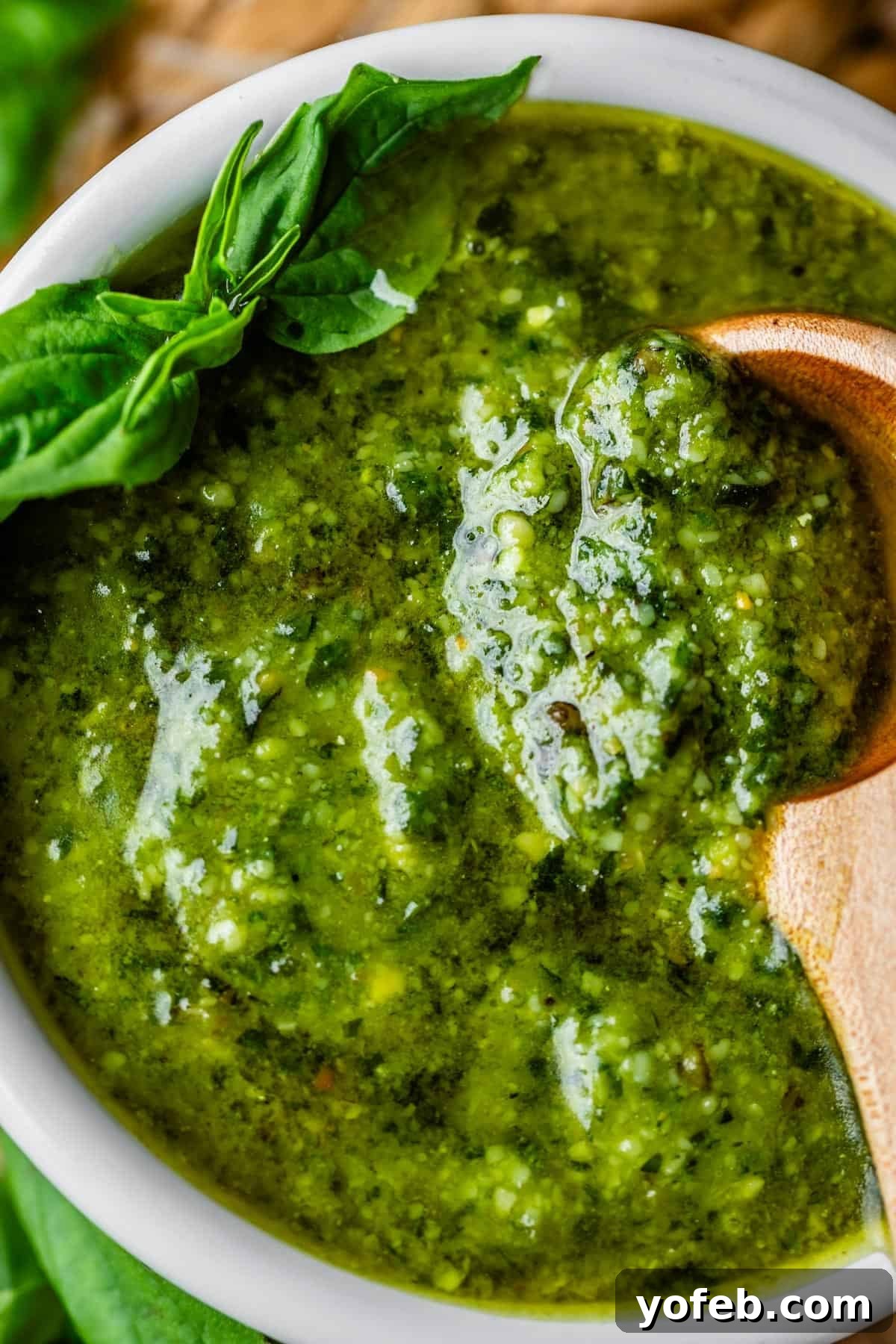
Pesto is the EASIEST way to make a dish instantly more classy, and it’s SO easy to make homemade. It’s basically cheese and nuts crushed up with some oil, with some intense fresh basil action going on. What’s not to love here? It’s the perfect sauce for pasta, chicken, beef, in salads or on sandwiches, as a garnish on soup, or—my favorite—as a dip for a charcuterie board! This recipe is foolproof.
Equipment
- Food processor
Ingredients
- 1/2 cup pine nuts, toasted
- 2 small cloves garlic
- 1 and 1/4 teaspoon kosher salt
- 1/4 teaspoon black pepper
- 1/2 cup Parmesan cheese, finely shredded, mounded (2 ounces)
- 1/2 cup Pecorino Romano cheese, finely shredded, mounded (2 ounces)
- 1 cup extra virgin olive oil
- 2 cups fresh basil leaves, packed, about 2.5 ounces TOTAL (buy 2-3 large bunches at the store)*
- 1/2 teaspoon lemon juice
- 1 pinch granulated sugar, optional (only up to 1/4 teaspoon)
Instructions
- Freeze: The first thing to do is put the blade of your food processor in the freezer for about 15 minutes. Put the bowl of the food processor in the freezer too, if you have space! This will help your pesto stay GREEN. The heat from the motor wilts basil lightning fast. Freezing the implements helps keep everything fresh.
- Toast nuts. Preheat the oven to 350 degrees F. Add 1/2 cup pine nuts to a dry baking sheet. Toast for 5 minutes, then stir. Continue toasting in 1 minute increments, stirring each time (don’t walk away!) until the nuts are turning light or medium brown. Remove from the oven and let cool.
- Smash 2 small cloves of garlic with the side of a chef’s knife. Use just 1 clove if your garlic is on the big side, you don’t want to overdo it. You can always add more later.
- Take the food processor out of the freezer. Add 1/2 cup toasted pine nuts and the smashed garlic, 1 and 1/4 teaspoons kosher salt, and 1/4 teaspoon pepper to the bowl.
- Pulse until the nuts are crushed into small pieces and the garlic is incorporated.
- Shred 1/2 cup Parmesan cheese and 1/2 cup Pecorino Romano cheese. Pack the cheese into the measuring cups, then mound the cheese on top. You need a total of 4 ounces of cheese (2 ounces of each kind.)
- Add the cheese to the food processor and pulse until incorporated.
- Add 1 cup extra virgin olive oil. It will feel like too much. Trust. Blend, scraping the nuts and cheese on the bottom of the bowl.
- Prepare the basil. If you must wash the basil, dry it completely before adding to the pesto. Remove all the basil leaves from the stems. You need 2.5 ounces basil leaves TOTAL, which is about 2 cups. I measured my basil after I had removed the stems.
- Add the basil to the food processor and pulse on low. Use short pulses rather than just turning it on, to keep the machine from heating up too much. Blend using pulses for 1-2 minutes, until the basil has been chopped into small pieces and the pesto is creamy.
- Add 1/2 teaspoon lemon juice (you can just squeeze a little bit in, you don’t need to measure it.) This will brighten the flavor a tiny bit, but more importantly, keep our green basil as vibrant as possible.
- Taste your pesto. If you think it could have a little more oomph, try adding a pinch of sugar. Don’t add more than 1/4 teaspoon. Sometimes the basil you get at the grocery store tastes flat. Adding a bit of sugar helps bring out the natural sweetness. Don’t go too crazy, we don’t want sweet pesto.
- Add more salt, pepper, or lemon, if you like. Blend one last time and that’s it!
- Yield: This recipe makes about 1 and 1/2 cups of pesto.
- Storage: Store the pesto covered in the fridge. Add a layer of olive oil on top of the pesto to protect it from browning. Pesto will last about 1 week in the fridge. After that, freeze!
- Freezing: If you plan to use the leftovers all at once, add all the pesto to a freezer ziplock bag and seal. For smaller amounts, freeze the pesto in an ice cube tray (each cube is about 2 tablespoons or 1 ounce) and transfer the cubes to a ziplock freezer bag. Pesto is good for up to 6 months in the freezer.
Notes
*HOW MUCH BASIL: I wanted to take the guesswork out of exactly how much basil to add (because one person’s “packed cup” might be way more or less than another person’s.) so I measured the final amount of basil leaves you need to go in the pesto, stems not included. Put 2.5 ounces of basil leaves in the pesto. You will need to buy 3-4 ounces of basil at the store, or 2-4 bunches, depending on the size.
Nutrition Facts (per serving)
- Calories: 139 kcal
- Carbohydrates: 1g
- Protein: 2g
- Fat: 14g
- Saturated Fat: 2g
- Polyunsaturated Fat: 2g
- Monounsaturated Fat: 9g
- Cholesterol: 4mg
- Potassium: 33mg
- Fiber: 0.2g
- Sugar: 0.2g
- Vitamin A: 158 IU
- Vitamin C: 1mg
- Calcium: 62mg
- Iron: 0.4mg
Course: Appetizer, Side Dish
Cuisine: American, Italian
Calories: 139
Keyword: Basil, Pesto, sauce
Did you make this? I’d love to see it!
Mention @thefoodcharlatan or tag #thefoodcharlatan!