
The wilderness beckons with an irresistible call, a primal urge to disconnect and rediscover the essence of simplicity. Tomorrow, Eric and his son will answer that call, embarking on a five-day backpacking adventure deep in the untamed outdoors. While a part of me, the part that romanticizes rugged trails and starlit nights, feels a pang of envy, I know this journey is their sacred ritual: “man-bonding time.” And such traditions are best observed from a respectful distance. My own experience with backpacking is limited to a single overnight trip at Girl’s Camp when I was fifteen, an expedition that, in hindsight, involved more giggling and less actual hiking. I suspect that if I were to join Eric and his genuinely fit companions, I might, quite literally, shrivel and expire somewhere around the second mile marker. So, for now, I’ll happily hold down the fort, ensuring domestic tranquility while they conquer peaks and commune with nature.
One might typically assume that when a spouse departs for a journey, it’s the woman who meticulously outlines survival instructions for her partner – perhaps a detailed guide on preparing meals beyond microwaveable hot dogs, or a critical list of emergency contact numbers. In my household, the roles are curiously reversed. Eric, a man of remarkable self-sufficiency, has no need for such basic guidance. He can competently manage the children, navigate household chores, and generally keep life running smoothly. It is I, the supposedly capable adult, who recently found myself on the receiving end of a full page of written instructions – a literal, dense, single-spaced page! – detailing the intricate operations of our TV remote control. This document was not merely handed over; it was accompanied by a lengthy, painstaking “review session” that felt suspiciously like a pop quiz on advanced astrophysics.
The conversation went something like this:
Eric: “So, when you want to watch a Blu-ray, what’s the first thing you do?”
Me: “I press the ‘Watch a Blu-ray’ button,” I answered, feeling a surge of pride for remembering this singular, clearly labeled function.
Eric: “Good. What if you want to watch Netflix?”
Me: “Press the Netflix button?” I ventured, thinking I had grasped the pattern. The look on his face told me I was gravely mistaken.
Eric: “No, of course not,” he corrected with a sigh that spoke volumes of my technological ineptitude. “You hit ‘Watch a movie.’ Now, what if you want to listen to music from our iTunes library?”
Me: “Press ‘Listen to Music’,” I tried again, hoping for a simple, logical outcome.
Eric: “No,” he reiterated, his patience visibly fraying. “You have to push the ‘Watch a movie’ button, then scroll down to ‘Computer,’ then categorize which device you are trying to access, ensuring the correct HDMI input is selected, then navigate through the server interface, avoiding the network diagnostic options, and then, only then, can you even begin to browse the music….” At this point, my brain had effectively tuned out, replacing his detailed monologue with a gentle hum of white noise. The complexities of our modern entertainment system, with its myriad buttons, menus, and input options, often feel more daunting than any wilderness survival guide. It highlights a peculiar irony: while some prepare for the raw challenges of nature, others, like me, must first master the delicate art of digital domesticity. The remote, a small rectangular device, becomes a symbol of the ever-increasing complexity of our daily lives, making a simple, straightforward action like listening to music an odyssey of button-pressing and menu-scrolling. It’s enough to make one yearn for the uncomplicated days of tuning a radio dial or, indeed, the straightforward manual tasks of backpacking.
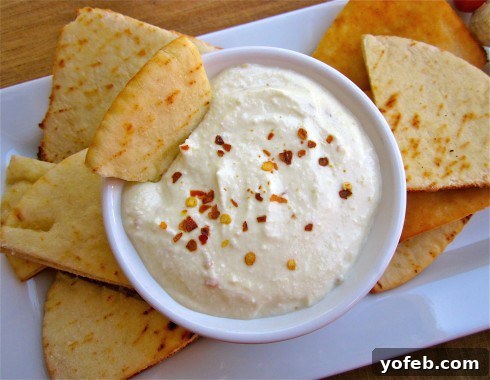
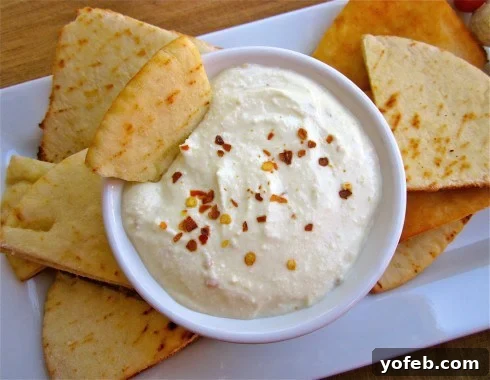
From the baffling world of complex electronics, we transition to something far more delightful and intuitive: the art of Greek cuisine. Today, I’m thrilled to share a recipe for a truly sensational appetizer – Tyrokafteri. I won’t even attempt to flawlessly pronounce its name, but I can assure you that its flavor speaks for itself. I discovered this gem on Elly Says Opa, a fantastic blog that celebrates the rich, vibrant world of Greek food. For anyone who, like me, can never get enough of the Mediterranean diet and its incredible flavors, this blog is an absolute treasure trove. Tyrokafteri, meaning “spicy cheese” in Greek, is a creamy, tangy, and utterly addictive feta cheese spread that perfectly embodies the spirit of Greek appetizers. It’s incredibly easy to prepare, requiring minimal effort for maximum flavor payoff. This spread is the ultimate snack food, perfect for casual gatherings, elegant dinner parties, or simply to elevate your weeknight munchies. One of its greatest advantages is that it can be made ahead of time, a convenience that any host will appreciate when entertaining. Imagine the stress-free joy of having a gourmet-level appetizer ready to go, allowing you more time to enjoy your guests (or simply relax!).
The beauty of Tyrokafteri lies in its simplicity and the quality of its core ingredients. Creamy, salty feta cheese is combined with a hint of spice from banana peppers, balanced by the tang of Greek yogurt and a touch of cider vinegar. A drizzle of good olive oil brings it all together into a smooth, luxurious spread. It’s a celebration of textures and flavors – the brininess of the feta, the subtle kick of the peppers, the creaminess of the yogurt, and the fruity notes of the olive oil. This dip is incredibly versatile; while traditionally served with toasted pita bread, it also pairs beautifully with crisp vegetables like cucumber slices or bell pepper strips, or even with your favorite crackers. It’s a delightful way to experience feta cheese in a new, exciting dimension. How can anything involving feta cheese ever be a bad thing? The answer is, it can’t. This dip is a testament to the fact that some of the best culinary experiences come from simple, wholesome ingredients transformed through thoughtful preparation. Whether you’re a seasoned chef or a novice in the kitchen, this Tyrokafteri recipe is guaranteed to impress and satisfy, making you feel like a culinary maestro without the stress of complex techniques or ingredients.
Tyrokafteri (Spicy Feta Cheese Spread): An Irresistible Greek Appetizer

Tyrokafteri (Spicy Feta Cheese Spread)
Print Recipe
Ingredients
- 1-2 banana peppers, adjust to your preferred level of spiciness (2 peppers for a bolder kick)
- 1/3 pound feta cheese, ensure you choose a high-quality block for the best flavor and texture
- 1/3 cup Greek yogurt, plain, full-fat yogurt will yield the creamiest result
- 2 teaspoons cider vinegar, adds a crucial tanginess to balance the flavors
- 1-2 tablespoon olive oil, extra virgin olive oil for superior taste
- red pepper flakes, optional, for an extra layer of heat and visual appeal, to taste
- pita bread, toasted, for dipping; one 12-oz package is typically sufficient, leaving some spread leftover. This spread is also excellent on a variety of crackers or fresh vegetables.
Instructions
-
Begin by roasting the banana peppers. Place them directly over a gas flame, turning them frequently (every 45-60 seconds), until their skin is evenly blackened and blistered on all sides. Alternatively, you can achieve this by placing them under a broiler. Once roasted, transfer the peppers to a bowl and cover it with a clean towel. Let them steam for about 10-15 minutes until they are cool enough to handle comfortably. This steaming process helps loosen the skin.
-
Carefully peel the blackened skin from the cooled peppers. Then, slice them open, remove the seeds and stems, and finely chop the softened pepper flesh. This step is crucial for both texture and appearance.
-
Combine the chopped peppers, crumbled feta cheese, Greek yogurt, and cider vinegar in the bowl of a food processor. Process these ingredients until the mixture reaches a fairly smooth consistency. You want it creamy but with a slight texture from the feta.
-
With the food processor running, slowly stream in the olive oil. Continue to pulse until the spread achieves your desired creaminess and consistency. The amount of olive oil can be adjusted – add more for a thinner, silkier dip, or less for a thicker, more robust spread.
-
Taste the Tyrokafteri and season with salt and freshly ground black pepper as needed. Remember that feta cheese is already salty, so add salt cautiously. If you desire extra heat, stir in a pinch of red pepper flakes at this stage.
-
For the best flavor development, transfer the spicy feta spread to an airtight container and refrigerate for at least one hour. This chilling period allows the flavors to meld beautifully and the spread to firm up slightly.
-
Before serving, give the Tyrokafteri a quick stir. Serve it chilled with warm, toasted pita bread, fresh vegetable sticks, or your favorite crackers. Enjoy this vibrant and authentic taste of Greece!
Notes
Nutrition
In a world where digital interfaces often complicate the simplest tasks, there’s a profound joy to be found in hands-on creation, whether it’s building a campfire in the wilderness or whipping up a flavorful dip in the kitchen. Tyrokafteri offers that kind of simple, satisfying pleasure. It’s a reminder that sometimes the best things in life are those that connect us back to tradition, to real ingredients, and to shared moments around a table. So, while Eric and his son navigate their rugged terrain, I’ll be here, navigating the equally challenging but far more delicious world of Greek cuisine, one amazing dip at a time.