
Welcome to the ultimate guide on mastering zucchini noodles! Whether you’re a seasoned low-carb enthusiast or just curious about healthy pasta alternatives, this article will show you exactly how to create perfect, al dente zoodles every single time. The best part? You don’t even need a fancy spiralizer! We’ll explore various kitchen tools—from a simple mandoline to a potato peeler—to get the job done, and then dive deep into cooking techniques that banish soggy, watery results for good. Get ready to transform your zucchini into delicious, perfectly textured noodles that will rival traditional pasta. Originally posted April 16, 2020, this guide has been updated to bring you the most comprehensive tips and tricks.
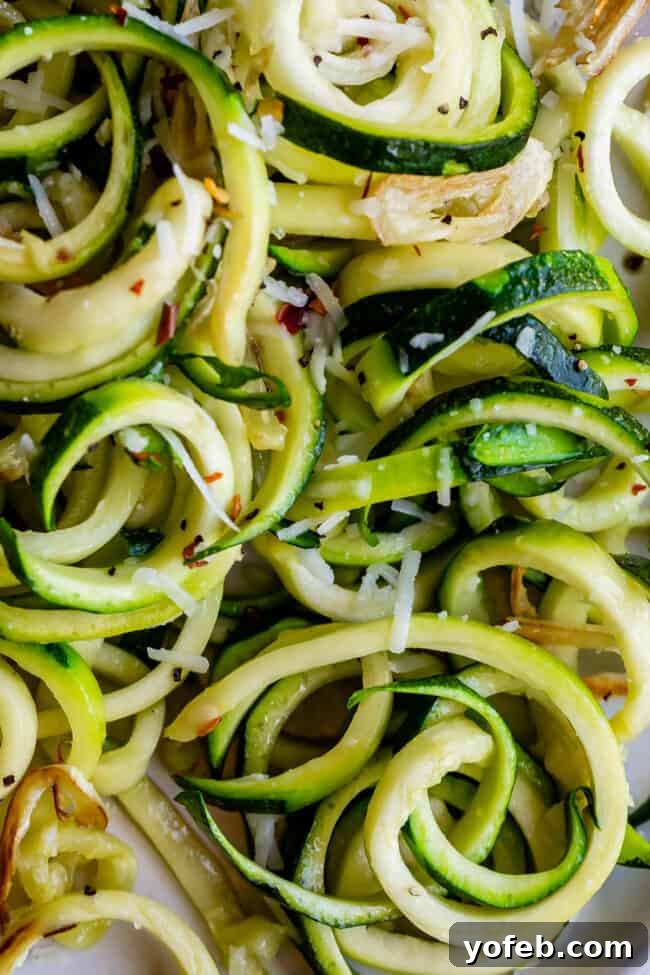
Table of Contents
- Why You’ll Love These Zucchini Noodles
- What Exactly Are Zoodles?
- The Secret to Perfect Zoodles: A Quick Summary
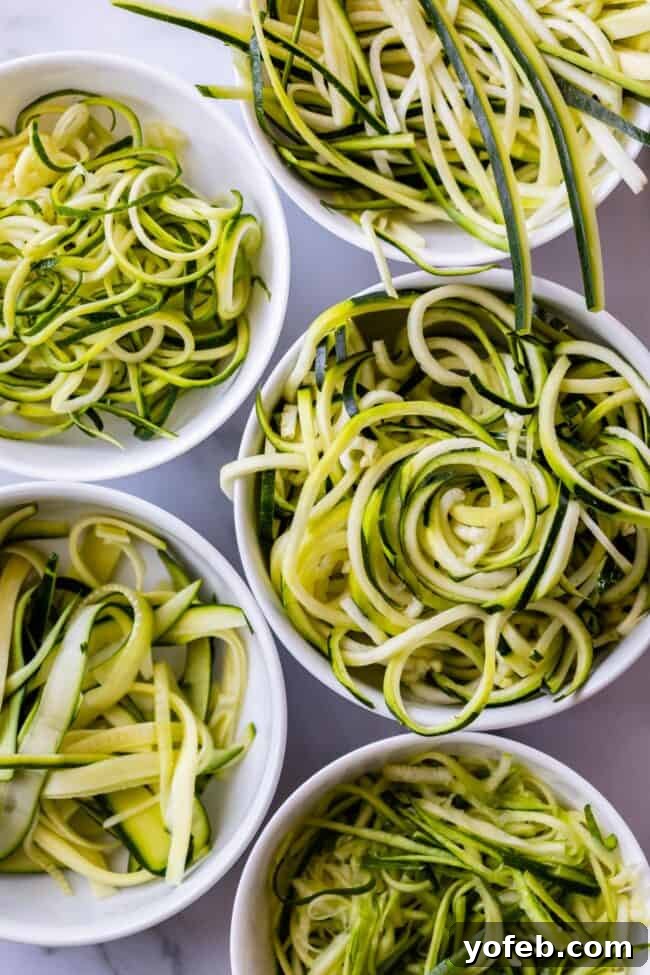
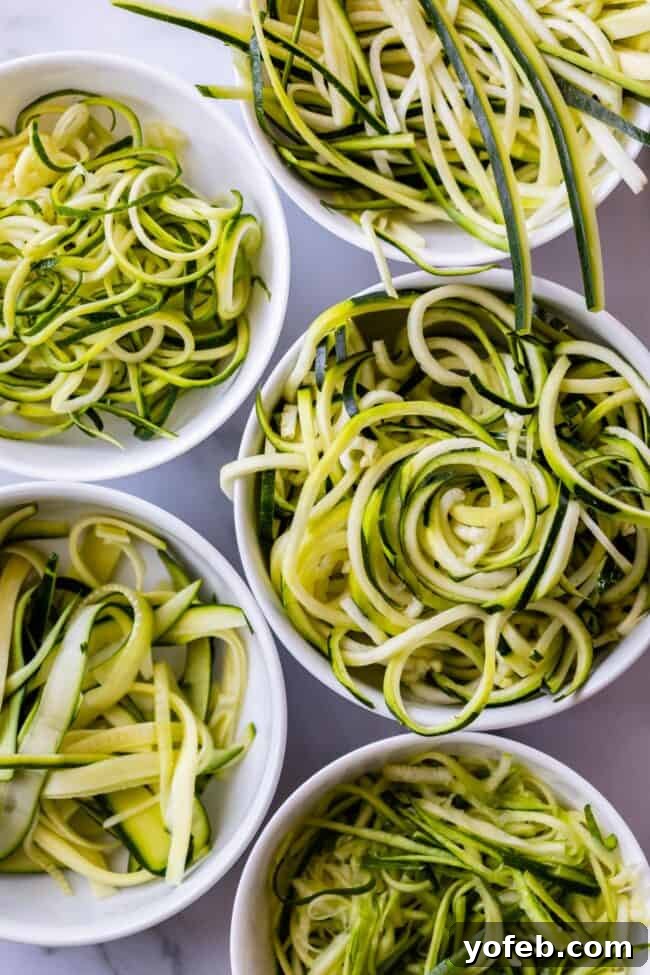
- How to Make Zucchini Noodles Without a Spiralizer
- Using a Mandoline for Zoodles
- The Handheld Spiralizer: A Compact Solution
- Making Zucchini Noodles with a Potato Peeler
- The Box Grater: Your Last Resort for Zoodles
- The Ultimate Guide to Preventing Watery and Soggy Zoodles
- How to Effectively Dry Zucchini Noodles Before Cooking
- Various Methods for Cooking Zoodles to Perfection
- Can You Freeze Zoodles (And Should You)?
- More Delicious Zucchini and Squash Recipes
- How to Cook Zoodles Recipe
Life can sometimes throw unexpected curveballs, much like a Kindle slipping from a sleeping hand and smacking you in the face. These little jolts, whether literal or figurative, often remind us to re-evaluate our routines and embrace new paths. For many, the recent focus on health and mindful eating has led to a culinary awakening, shifting away from heavy carbs towards lighter, fresher alternatives.
This journey towards healthier eating has been particularly rewarding for me, especially with the discovery of versatile ingredients like zucchini noodles and cauliflower rice. These low-calorie, low-carb swaps have become staples in my daily meals, proving that healthy food doesn’t have to be bland or boring. If you’re looking to lighten up your favorite pasta dishes without sacrificing flavor or satisfaction, zoodles are your answer!
Zucchini is a marvelously adaptable vegetable, often described as a “flavor sponge” because it readily absorbs the tastes of whatever ingredients it’s paired with. Much like spinach, it acts as a perfect canvas for a wide array of sauces and seasonings. This makes zoodles an excellent replacement for traditional pasta, allowing you to enjoy your favorite sauces—from a rich jarred marinara for a quick weeknight dinner to a complex homemade pesto—with a fraction of the carbs.
However, the most common frustration people encounter with zoodles is their tendency to become soggy and watery. This can turn a promising meal into a disappointing mess. But don’t worry, we’re here to demystify the process and equip you with foolproof techniques to prevent the dreaded “zucchini Niagara Falls,” ensuring perfectly al dente zucchini noodles every time.
Why You’ll Love These Zucchini Noodles
Zucchini noodles, affectionately known as zoodles, are more than just a passing food trend; they’re a delicious and healthy dietary staple for many. If you’re looking to reduce your carbohydrate intake, increase your vegetable consumption, or simply enjoy a lighter meal, zoodles are an excellent choice. They are remarkably low in calories and packed with essential nutrients, making them a guilt-free addition to almost any diet.
Their neutral flavor profile is a huge advantage. Unlike some vegetable substitutes that bring their own strong taste to a dish, zucchini embraces the flavors of your sauces, herbs, and spices. This means you can seamlessly integrate them into virtually any recipe that calls for pasta. Imagine your favorite spaghetti with meat sauce, creamy Alfredo, or vibrant pesto, but with the added benefits of fresh zucchini. It’s a game-changer for weeknight meals and healthy eating alike.
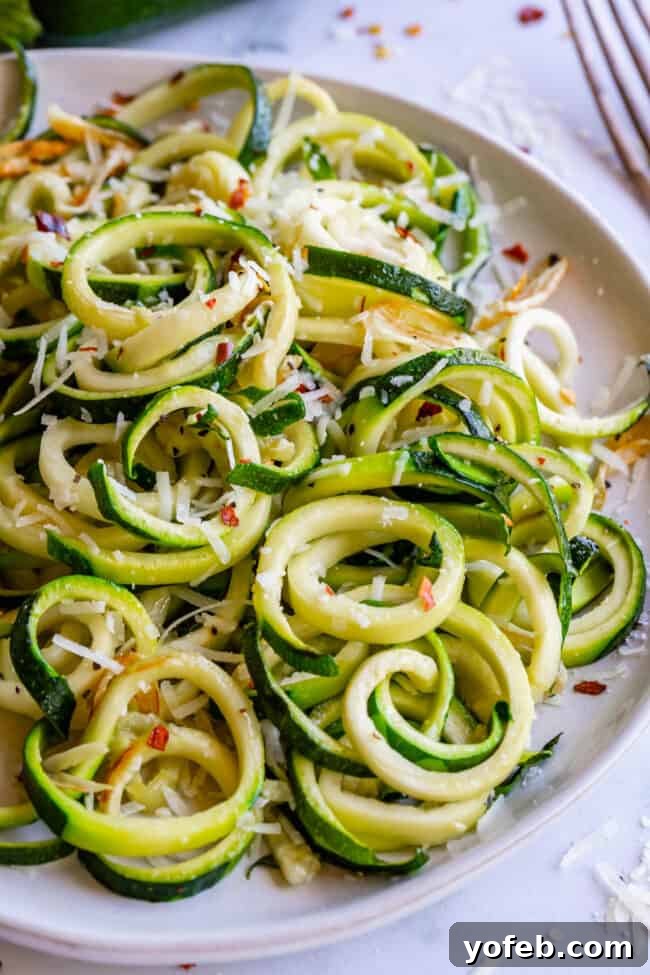
What Exactly Are Zoodles?
At its core, a “zoodle” is simply a zucchini that has been cut into long, thin strips resembling traditional pasta noodles. The name itself is a portmanteau of “zucchini” and “noodle,” perfectly describing this ingenious vegetable alternative. It’s a modern culinary invention born out of a desire for healthier, lower-carb meal options.
While the term “zoodle” might still cause a red squiggly line on your word processor, its popularity is undeniable, making it a familiar sight in kitchens and healthy eating blogs worldwide. Fun fact: in the United Kingdom, zucchini are known as “courgettes.” So, perhaps they enjoy “courg-oodles” across the pond!
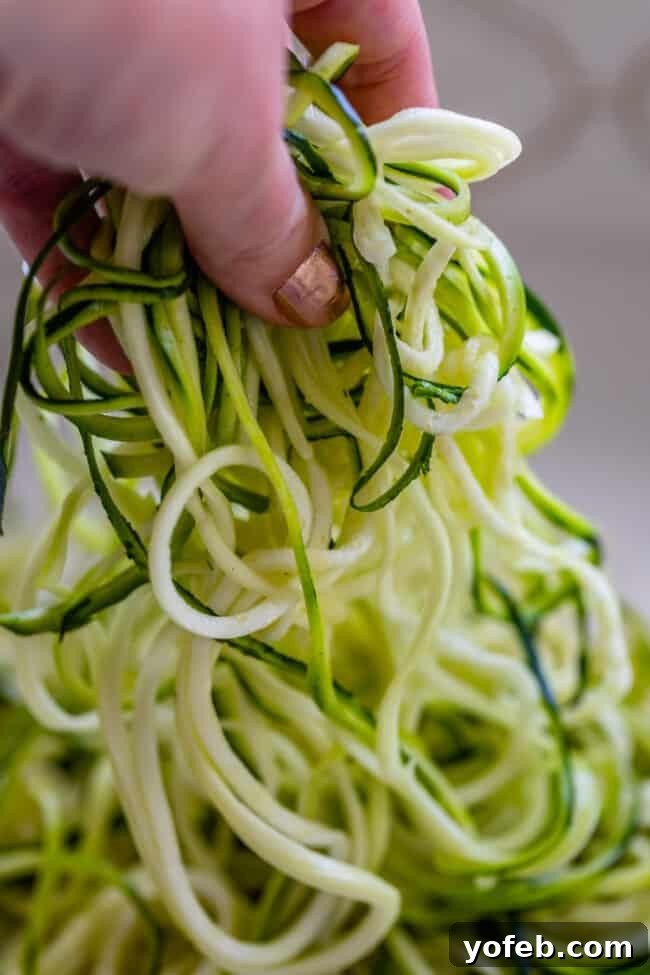
The Secret to Perfect Zoodles: A Quick Summary
No one enjoys soggy, limp, and watery zoodles. Achieving that coveted al dente texture is key to truly enjoying this pasta alternative. Here’s the essential, short version of how to get the best zoodles every time, avoiding the common pitfalls:
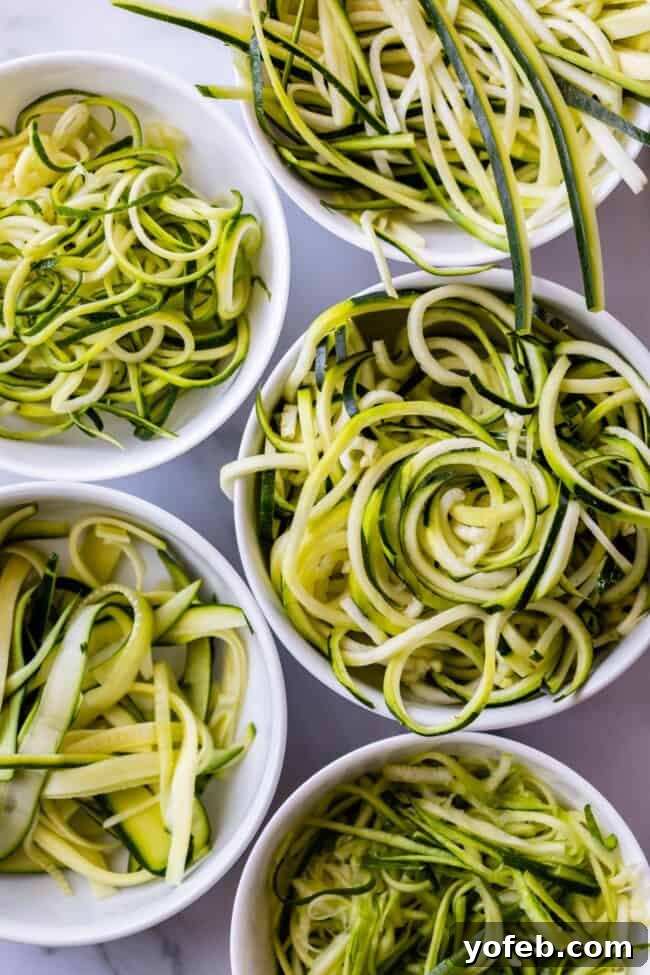
- Choose Thickness Wisely: Aim for thicker zoodles rather than very thin ones. Thicker strands hold their shape much better during cooking and are less prone to breaking down into a watery mess. A mandoline with a julienne blade is an excellent tool for achieving this perfect thickness if you don’t have a full-sized spiralizer.
- Cook in Small Batches: Overcrowding your pan is the quickest way to end up with steamed, mushy zoodles. Sautéing in small batches (about one to two zucchinis’ worth at a time) allows the moisture released from the zucchini to evaporate quickly, ensuring a proper sauté and a firm texture.
- Salt After Cooking: This is a critical step for combating sogginess. Zucchini releases water when salted. To prevent excessive moisture release during cooking, always salt your zoodles *after* they are cooked and immediately before serving. This enhances their flavor without compromising their texture.
By following these three simple rules, you’ll be well on your way to enjoying perfectly textured zoodles that are a delight to eat.
How to Make Zucchini Noodles Without a Spiralizer
While a dedicated spiralizer makes quick work of turning vegetables into noodles, it’s a bulky kitchen gadget that not everyone has space for. If you’re a regular zoodle maker and have the storage, then investing in a full-sized spiralizer might be worthwhile. However, for those with smaller kitchens or who only make zoodles occasionally, there are several effective alternatives that deliver great results:
- Mandoline Slicer: Excellent for consistent, customizable thickness.
- Handheld Spiralizer: A compact and efficient tool for spiraling.
- Potato Peeler or Julienne Peeler: Simple and accessible for thinner ribbons.
- Box Cheese Grater: A versatile kitchen staple for a last-minute solution.
Using a Mandoline for Zoodles
The mandoline, especially with its julienne blade, is my go-to tool for crafting zoodles when a spiralizer isn’t an option. Its greatest advantage lies in its ability to adjust the thickness of your noodles. This control is crucial because, as we discussed, thicker zoodles are less prone to becoming watery and soggy, maintaining that desired al dente bite.
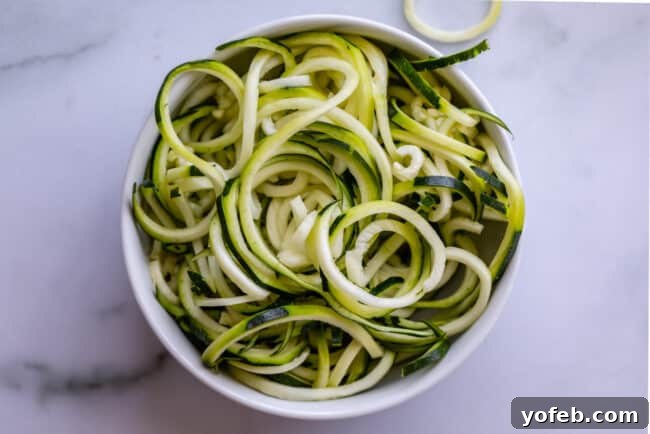
I aim for zoodles that are roughly the thickness of a chopstick, or perhaps slightly thinner. This size provides the perfect balance of firmness and flexibility. Most other non-spiralizer methods tend to produce thinner strands, which can be challenging to cook without turning mushy.
There are two primary ways to create zoodles using the julienne blade on your mandoline:
- Straight Strips: By pushing the zucchini lengthwise down the julienne blade, you’ll get long, straight strips, similar to fettuccine. This is a simple and effective method for consistent, uniform noodles.
- Curly Noodles (My Favorite): For that fun, curly pasta look, gently twist the zucchini as you push it down the julienne blade, much like sharpening a pencil. This technique yields beautifully curly and long zoodles that are both visually appealing and satisfying to eat. It’s surprisingly fast and easy once you get the hang of it.
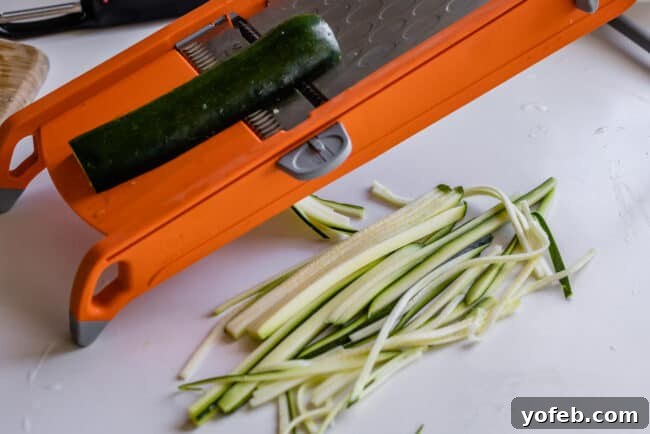
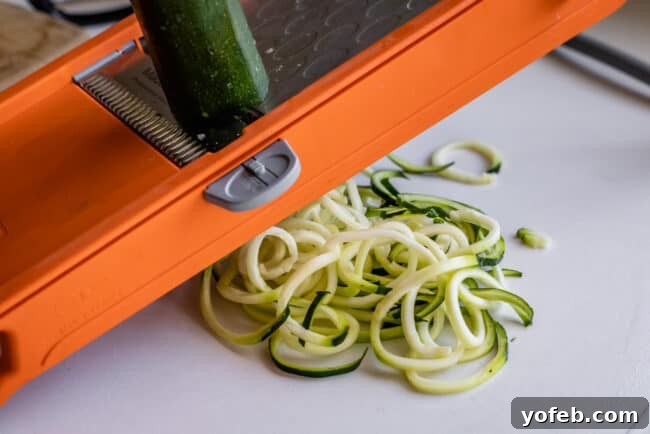
Safety Tip: Mandolines are incredibly sharp, so always exercise extreme caution. Many models, like the one I linked, come with a protective metal glove or a food holder. Using these safety features is highly recommended to prevent any accidental cuts.
The Handheld Spiralizer: A Compact Solution
If you’re looking for a tool that mimics the spiralizing action of a full-sized machine but without taking up precious counter or cabinet space, a handheld spiralizer is an excellent choice. This type of device functions much like a giant pencil sharpener: you insert the zucchini and twist, and out come beautifully coiled zoodles from the other end. It requires a bit of force, but once you find your rhythm, it’s surprisingly efficient and enjoyable.
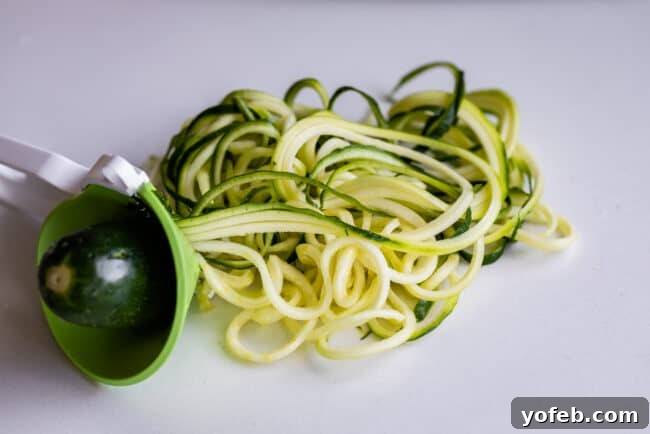
The biggest benefit of a handheld spiralizer is its compact design. It can easily tuck away into a kitchen drawer alongside your other small gadgets, making it ideal for minimalist kitchens or those with limited storage. There are several reputable brands offering handheld spiralizers on the market. The Kuhn Rikon handheld spiralizer is a popular choice, known for its durability and ease of use. Other well-regarded options include the Veggetti and the Oxo Grips handheld spiralizer, all receiving strong reviews for their performance and value.
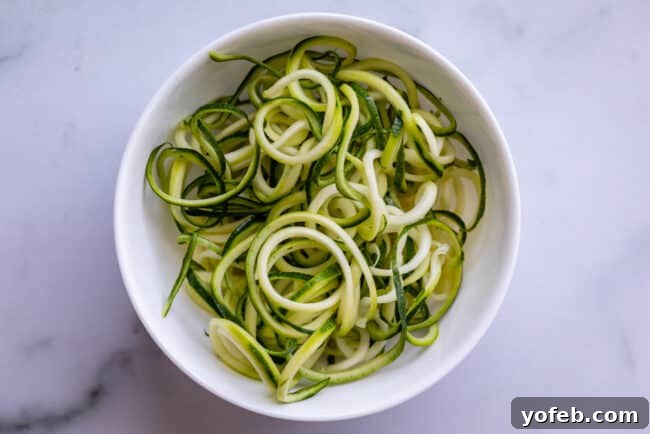
Making Zucchini Noodles with a Potato Peeler
If you find yourself without a mandoline or handheld spiralizer, a humble potato peeler can still come to the rescue for creating zucchini noodles. While this method might not produce the perfect uniform strands of a spiralizer, it’s a completely viable option for making thin, flat zucchini ribbons that can then be further processed into noodle-like shapes.
Here’s how to do it:
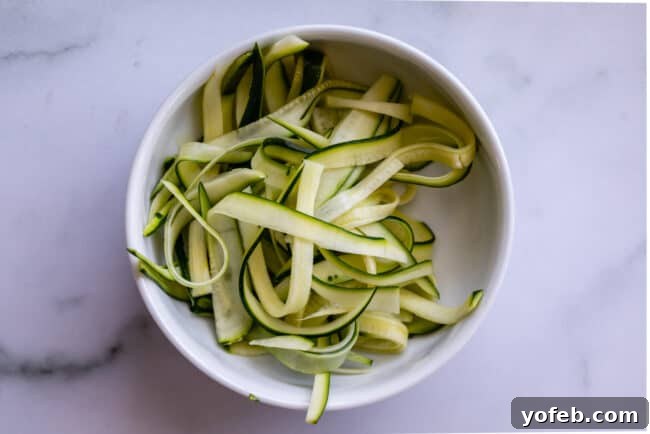
- Create Ribbons: Hold the zucchini firmly and use the potato peeler to shave long, thin ribbons along its entire length. Apply as much pressure as possible to get slightly thicker ribbons, which will hold up better during cooking.
- Slice into Noodles: Once you have a stack of ribbons, layer them on top of each other. Then, use a sharp knife to slice these stacked ribbons lengthwise into thinner, noodle-like strips.
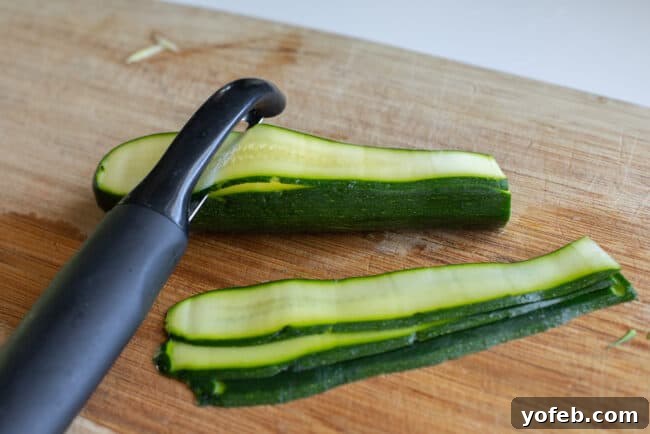
Considerations: This method typically yields thinner zoodles, which are more susceptible to becoming watery and soggy if not cooked carefully. You’ll need to be extra vigilant with your cooking technique (as detailed in the “Preventing Watery Zoodles” section) to ensure they remain al dente.
Alternatively, if you own a julienne peeler, it can directly create thin matchstick-like strands, saving you the extra slicing step. However, these will also be quite thin, so the same caution regarding sogginess applies.
The Box Grater: Your Last Resort for Zoodles
When all other options fail and you’re craving zoodles, your trusty box grater can come to the rescue. While it’s certainly not the ideal tool for creating firm, al dente noodles, it will still allow you to incorporate zucchini into your dish in a pasta-like form. This method is best reserved for situations where you have no other means of creating zoodles.
To use a box grater:
- Grate Lengthwise: Use the largest holes on your box grater. Hold the zucchini firmly and grate it lengthwise to create the longest possible strands. This will prevent them from becoming too short and rice-like.
- Manage Moisture: Be aware that box-grated zucchini will be very thin and will release a significant amount of water. Before cooking, it’s highly recommended to place the grated zucchini between layers of paper towels and gently squeeze out as much excess moisture as possible. This step is crucial to prevent your “noodles” from turning into a soupy mess.
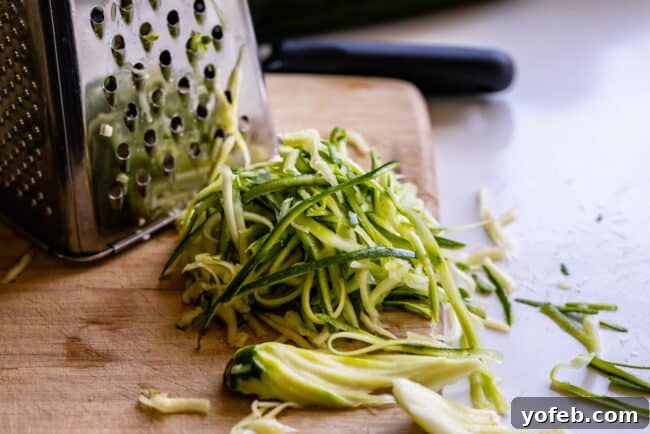
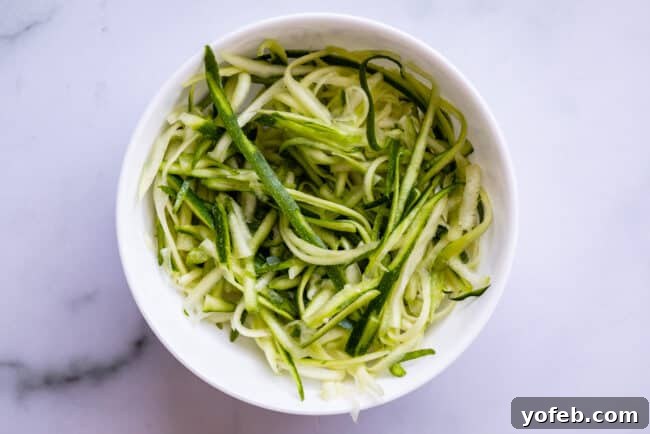
Expectations: Achieving truly al dente zoodles with a box grater is nearly impossible due to the thinness of the strands. They will cook very quickly and are prone to becoming soft. However, if you’re aiming for a softer texture or are simply happy to have a vegetable substitute for pasta, this method will get the job done in a pinch.
The Ultimate Guide to Preventing Watery and Soggy Zoodles
The most common complaint about zucchini noodles is their tendency to become a soggy, watery mess. This happens because zucchini, often referred to as a “solidified water tube,” is composed of about 95% water. As soon as you slice or spiralize it, the cell walls are cut, and the internal liquid begins to release. This process accelerates even further during cooking, leading to a pool of water at the bottom of your pan.
But fear not! With a few strategic techniques, you can enjoy perfectly textured, al dente zoodles that stand up to your favorite sauces. The key lies in understanding and managing moisture.
1. Sauté in Small Batches
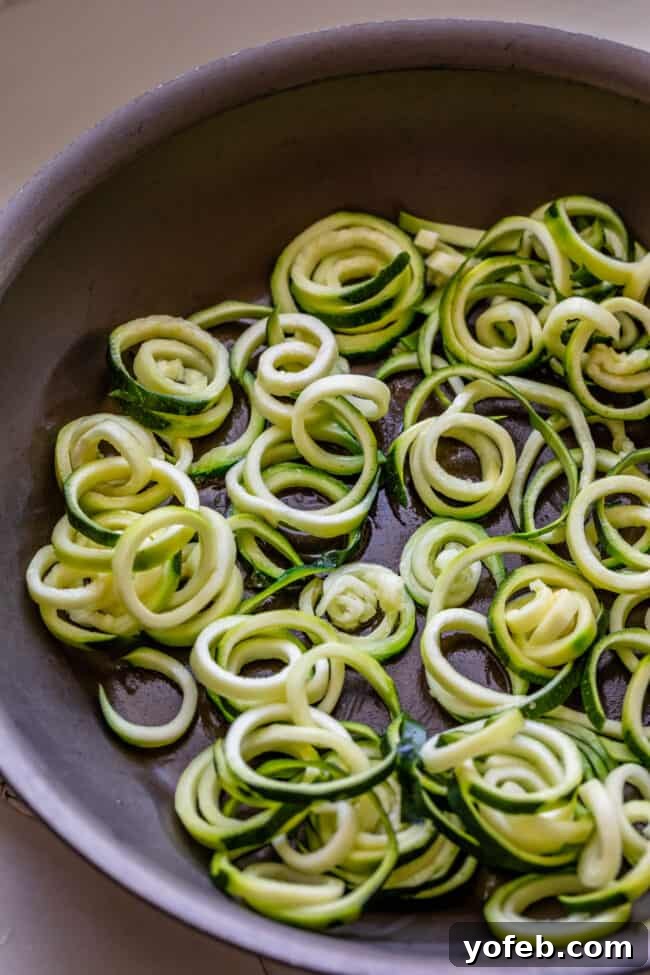
This is arguably the most crucial step for avoiding soggy zoodles. When you add too many zoodles to a hot pan, they all release their liquid simultaneously, overwhelming the pan’s heat. Instead of sautéing, the zoodles will essentially steam in their own juices, resulting in a limp and mushy texture. To prevent this:
- Don’t Overcrowd the Pan: Cook zoodles in batches, ideally one to two medium zucchinis’ worth at a time. This allows enough space for the liquid to evaporate quickly from the hot surface of the pan.
- High Heat, Quick Cook: Use medium-high heat. The goal is a quick sear that cooks the zoodles just until al dente, allowing moisture to escape rather than accumulate.
2. Salt After Cooking
While salting vegetables early in the cooking process is typically recommended to enhance flavor, it’s a different story for zucchini. Salt draws out moisture from vegetables, and with zucchini’s high water content, salting too early can exacerbate the “Niagara Falls” problem. To maintain optimal texture:
- Delay Salting: Only add salt to your zoodles *after* they have been cooked and removed from the heat, right before you’re about to serve them. This way, the salt enhances the flavor without promoting excessive water release during cooking.
How to Effectively Dry Zucchini Noodles Before Cooking
If you’re particularly concerned about ending up with watery zoodles, or if you’re using a method (like a box grater) that produces very thin strands, there’s an extra preparatory step you can take to remove even more moisture before cooking. This technique, often referred to as “sweating” the zucchini, uses salt to draw out excess water.
Method 1: Salting on Paper Towels
- Spiralize and Spread: First, create your zucchini noodles using your preferred method.
- Arrange on Baking Sheet: Lay the zoodles out in a single layer on a baking sheet lined with several sheets of paper towels.
- Salt and Rest: Lightly sprinkle salt evenly over the zoodles. The salt acts like a magnet, drawing moisture out of the zucchini. Let them sit for at least 30 minutes, or up to an hour. You’ll be amazed at how much liquid accumulates on the paper towels.
- Pat Dry: After resting, gently but thoroughly pat the zoodles dry with fresh paper towels.
Note: If you use this method, remember that your zoodles will already be slightly seasoned with salt. Adjust any additional salt added during or after cooking to taste to avoid over-salting your dish.
Method 2: Squeezing by Hand (or Towel)
After salting the zoodles and letting them rest, you can manually squeeze out the water:
- Hand Squeeze: Gather handfuls of zoodles and gently but firmly squeeze them over a sink or bowl. You’ll be shocked by the amount of water that comes out.
- Towel Press: Alternatively, wrap the salted zoodles in a clean kitchen towel or several layers of paper towels and twist or press firmly to extract the liquid.
Method 3: Low Oven Drying (for larger batches)
For a hands-off approach, especially with a larger quantity of zoodles:
- Salt and Arrange: Lightly salt your zoodles and spread them on a sheet pan lined with paper towels.
- Bake at Low Temperature: Place the pan in a 200°F (95°C) oven for about 30 minutes. This gentle heat will help evaporate moisture without cooking the zoodles.
While these drying methods add an extra step to your preparation, they are highly effective in ensuring your zoodles remain firm and delicious, free from excess water.
Various Methods for Cooking Zoodles to Perfection
Once you’ve successfully created your zucchini noodles and, if desired, taken steps to reduce their moisture content, it’s time to cook them! The beauty of zoodles lies in their quick cooking time and versatility. You can prepare them in a variety of ways, depending on your desired texture and the dish you’re creating.
- Sautéing (My Top Recommendation): This method is hands-down my favorite for achieving perfectly al dente zoodles.
How-to: Heat a large skillet over medium-high heat with a tablespoon of olive oil or butter. Once the pan is very hot, add zoodles in small batches (no more than 1-2 medium zucchinis’ worth at a time). Sauté for just 1-3 minutes, tossing frequently, until they are tender-crisp. Remember, they will continue to soften slightly after being removed from the heat, so it’s better to undercook them slightly. Salt after removing from heat, just before serving.
Why it works: The high heat and small batches allow the liquid to quickly evaporate, preventing steaming and promoting a desirable texture.
- Boiling / Blanching: A good option for cutting down on oil or for a very quick cook.
How-to: Bring a pot of lightly salted water to a rolling boil. Add the zoodles and cook for approximately 30 seconds to 1 minute. They cook very fast! Immediately drain them into a colander. For an extra firm texture, you can plunge them into an ice bath after draining to stop the cooking process.
Why it works: A rapid blanch cooks them quickly without much opportunity for them to absorb excess water, as long as they are drained immediately.
- Cooking Directly in Sauce: For maximum flavor infusion and minimal cleanup.
How-to: If you have a warm sauce ready (like marinara, pesto, or a stir-fry sauce), simply toss your raw zoodles directly into the simmering sauce. Stir and cook for 2-4 minutes, or until they reach your preferred al dente texture. The zoodles will absorb the sauce’s flavors as they cook.
Why it works: The zoodles soften and become tender within the sauce, making for a cohesive dish. The liquid from the zucchini integrates into the sauce.
- Eating Zoodles Raw: A refreshing, crunchy option.
How-to: Yes, you can enjoy zucchini noodles raw! Their mild flavor and crisp texture make them excellent in cold salads, slaws, or as a bed for light dressings like peanut sauce or a simple vinaigrette. Just toss them with your ingredients and serve immediately.
Why it works: No cooking means no risk of sogginess, and you retain all the raw nutrients and crunch of the zucchini.
- Microwaving / Steaming: For a super quick and convenient single serving.
How-to: Place your zoodles in a microwave-safe bowl. Cover with a lid or microwave-safe plastic wrap, leaving a small vent. Microwave in 30-second increments, checking for desired doneness after each interval. They usually take 1-2 minutes total. Immediately drain any accumulated liquid.
Why it works: Microwaving essentially steams the zoodles, cooking them rapidly. Be careful not to overcook, as this can quickly lead to a mushy texture.
Can You Freeze Zoodles (And Should You)?
The question of freezing zoodles is a common one, especially for those looking to meal prep or preserve a bounty of garden zucchini. The short answer is, yes, you can freeze zoodles. However, it’s important to manage your expectations, as the results won’t be quite the same as freshly prepared ones.
Remember our extensive discussion about zucchini’s high water content? This characteristic is precisely why freezing has a significant impact. When zucchini freezes, the water inside its cells expands, breaking down the cell walls. Upon thawing, this leads to a softer, often mushier, and certainly more watery texture than fresh zoodles. They simply won’t have the same crisp, al dente bite.
If You Choose to Freeze:
- Spiralize as Usual: Prepare your zucchini noodles using your preferred method.
- Pre-Freeze in a Single Layer: For best results, spread the raw zoodles in a single layer on a parchment-lined baking sheet and flash-freeze them for about 1-2 hours until solid. This prevents them from clumping together.
- Store in Freezer Bags: Once frozen, transfer the zoodles to freezer-safe ziplock bags or airtight containers. Remove as much air as possible to prevent freezer burn. They can be stored for up to 3-4 months.
Cooking Frozen Zoodles:
The key to cooking frozen zoodles is to avoid thawing them beforehand. Cook them directly from frozen:
- Sauté Method: Place the frozen zoodles directly into a hot skillet over medium heat. Cover and cook for 6-8 minutes, stirring occasionally, until they are heated through and any released liquid has evaporated.
- Blanching Method: Dump the frozen zoodles directly into a pot of boiling salted water. Blanch for 2-5 minutes, or until they reach your desired level of tenderness. Drain immediately.
Refrigerating Raw Zoodles (Highly Recommended):
If you’re looking to prepare zoodles ahead of time for a meal within a few days, refrigeration is a much better option than freezing. This allows you to enjoy them closer to their freshly made quality:
- Prepare and Store: Spiralize your zucchini noodles. Then, layer them in an airtight container with paper towels between each layer. The paper towels will absorb any liquid released by the zucchini, helping them stay fresh and firm.
- Cook as Normal: When you’re ready to eat, simply remove the zoodles from the fridge and cook them using your preferred method. They will still taste best when sautéed fresh.
By understanding the nuances of freezing and refrigerating, you can make the best choice for your meal planning needs, ensuring your zoodles are as delicious as possible.
Now that you’re an expert in making and cooking zoodles, you’re ready to integrate them into countless delicious meals. Soon, I’ll be sharing a fantastic healthy Mediterranean-inspired veggie sauce that pairs perfectly with these zoodles, bringing vibrant flavors to your table! (UPDATE: Check out the recipe for Greek Pasta with Chicken or Zoodles.)
Zoodle-Friendly Meal Inspiration:
- Laura’s Meatball Sub Recipe >> Skip the sub rolls and serve these hearty meatballs and rich red sauce over a bed of fresh zucchini noodles for a satisfying, nutrient-dense dinner.
- Chicken Stroganoff Crock Pot Recipe >> This crowd-pleasing, easy-to-assemble stroganoff is wonderful with zoodles, offering a lighter take on a classic comfort food.
- Honey Sriracha Salmon Bowls >> For a quick and flavorful weeknight dinner, substitute the rice with zoodles to create a lighter, vegetable-packed bowl.
- Easy Sesame Noodles with Spring Veggies >> Easily transform this simple recipe into delicious sesame zoodles with spring vegetables, perfect for a fresh and crunchy meal.
- Homemade Gyros Recipe and Gyro Meat >> Instead of pita bread, serve all the delicious gyro fillings over chilled zoodles for a refreshing and healthy gyro salad.
More Zoodle Recipes from Around the Web:
- Zucchini Noodles with Garlic, Butter, Parmesan from Best Recipe Box
- Zucchini Pasta with Tomatoes and Basil from Well Plated
- Zucchini Noodles with Pesto and Pinenuts from Once Upon a Chef
More Delicious Zucchini and Squash Recipes
Zucchini and squash are incredibly versatile vegetables, perfect for everything from healthy main dishes to delectable sides. Explore these other fantastic recipes:
- Zucchini Pizza Bites >> Enjoy these healthy, bite-sized versions of your favorite pizza, perfect as an appetizer or light snack.
- Buffalo Chicken Zucchini Boats>> A fantastic way to use up garden zucchini, these boats are a flavorful and hearty summer dinner.
- Creamy Zucchini Soup with Popcorn Garnish >> Surprisingly smooth and rich despite being cream-free (except for an optional garnish), this soup is pure comfort.
- Baked Parmesan Zucchini and Squash >> Possibly one of the easiest and most delicious side dishes you can make, with a crispy, cheesy crust.
- Slow Cooker Butternut Squash Risotto with Italian Sausage >> A comforting and flavorful dish that’s perfect for a cozy evening.
- Honey Roasted Butternut Squash Salad>> Even for non-salad lovers, this combination of sweet and savory is a showstopper.
- My Favorite Zucchini Recipes >> Discover a comprehensive collection of top zucchini dishes all in one place!
Other Zucchini & Squash Inspiration:
- Easy Steamed Garlic Herb Butternut Squash from Healthy Seasonal Recipes
- Roasted Zucchini with Feta from Inspired Taste
- Tex-Mex Chicken with Zucchinifrom iFoodReal
Facebook | Pinterest | Instagram

How to Cook Zoodles
Ingredients
Zoodles
- 1 medium zucchini
- 1 teaspoon olive oil, or any oil, or butter
- 1/2 teaspoon kosher salt, more or less to taste
Optional Add-ins
- 1 clove garlic, smashed and sliced thin
- 1 dash black pepper
- 1 dash red pepper flakes
- 1/4 cup Parmesan cheese, shredded
Instructions
-
Spiralize your zucchini using an official spiralizer, a mandoline (using the julienne blade), a handheld spiralizer, or a potato peeler or julienne peeler. Or a box grater if you are desperate. (You can also just slice thin strips of zucchini with a sharp knife.)
-
Once you have your zoodles made and ready to go, heat a 12-inch skillet over medium-high heat. When the pan is very hot, add 1 teaspoon olive oil (or fat of your choice).
-
(At this point, if it fits with what your final dish is, I like to add a small clove of minced garlic to the pan. This is optional!)
-
Add the zoodles into the pan. You only want to add about 1 medium (or 2 small) zucchini’s worth of zoodles into the pan at one time. This will help the liquid cook off and give you perfectly al dente zoodles.
-
Sauté the zoodles over medium-high heat for 1-3 minutes, until al dente. They will continue to soften after you take them off heat, so err on the side of taking them off too-crisp.
-
Once you have removed from heat and are ready to serve, toss with about 1/2 teaspoon kosher salt. Voila! Your zoodles are ready to be paired with your favorite sauce.
-
If you are making this for a bigger crowd, remove the cooked zucchini from the pan and keep warm. Repeat the process of cooking the zucchini in batches until you have the desired amount. Plan for 1 medium zucchini per person (if you are serving it as a main dish).
Zoodles with Garlic and Parmesan:
-
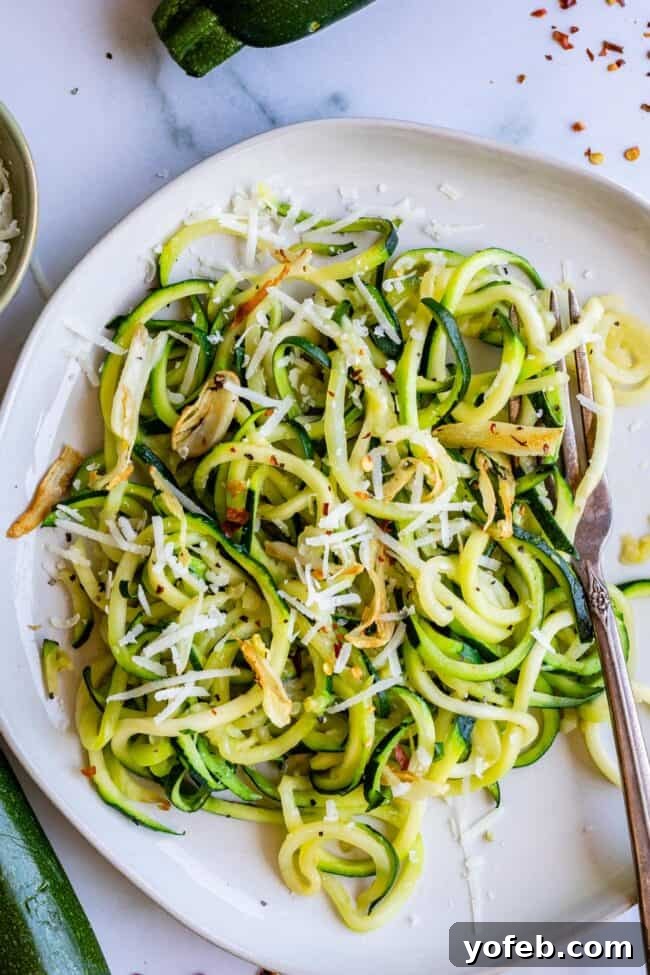
If you want to make zoodles as a tasty stand-alone meal, add in some crispy garlic and cheese. Spiralize the zucchini as usual. Heat the olive oil over medium-high heat. When it is hot, add 1 clove of sliced garlic. Cook until lightly browned and just starting to crisp, about 1 minute. Remove the garlic from the pan and set aside, if you want it crispy (otherwise just leave it in the pan.)
-
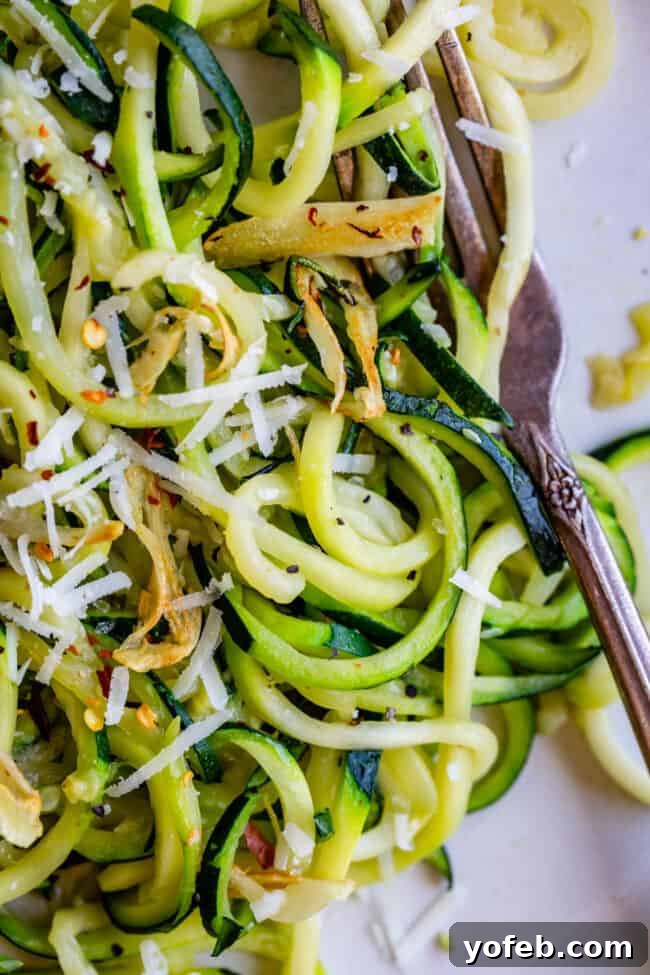
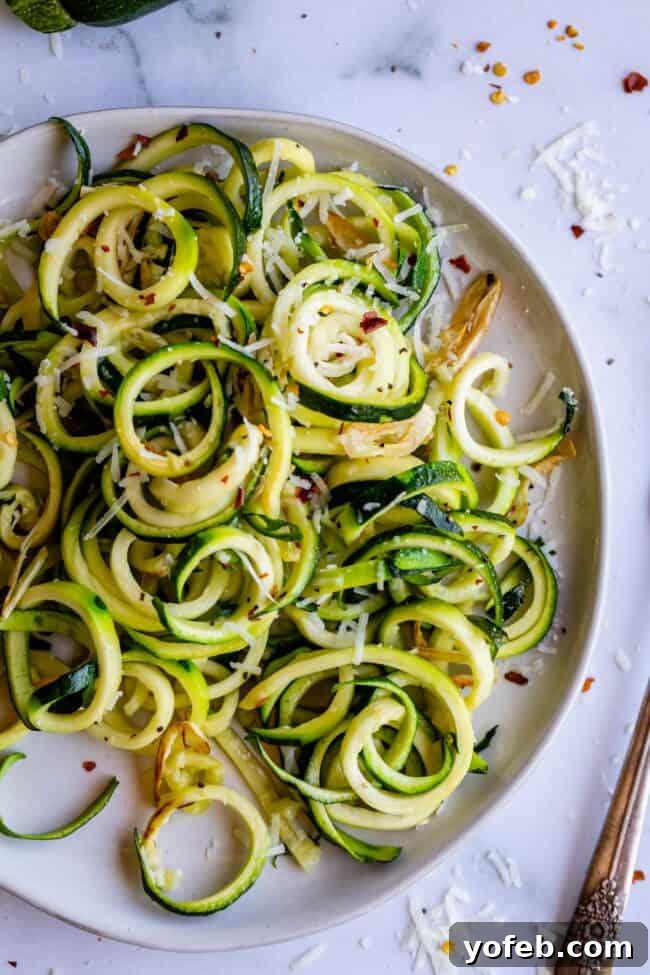
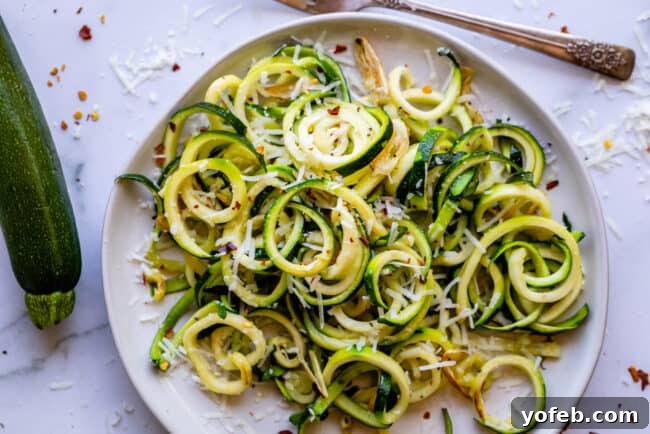
Add the zoodles and cook for 1-3 minutes until al dente. Remove from heat and sprinkle with crispy garlic, 1/2 teaspoon kosher salt, a dash of black pepper, a dash of crushed red pepper, and a sprinkling of shredded Parmesan cheese. Toss and serve. It is one of my favorite light and easy lunches!
Notes
Can you freeze zoodles?
I mean, you can. But they won’t be as good. Remember all the water talk up there? There’s just no getting around it. When you freeze zoodles, they will be a bit sad and soggy when you cook them later. But if you want to do it, spiralize your zucchini however you like, and freeze in ziplock bags. When you are ready to make it, do not thaw. Dump it straight from the freezer bag into a skillet set over medium heat, cover, and cook for 6-8 minutes. Or dump it straight into a pot of boiling salted water and blanch for 2-5 minutes until al dente.